We are now hiring! If interested, please call us at (856) 234-5180.

How Shoes Should Fit to Support Foot Health

Wearing shoes that fit properly is essential for keeping feet comfortable and preventing injury. A well-fitting shoe allows enough space at the front so toes can move freely without rubbing. There should be about a thumb’s width between the longest toe and the end of the shoe. The heel should sit securely without slipping, and the sides should feel snug, but not tight. Arch support should match the shape of your foot to help with balance and reduce strain. Shoes that are too tight can increase the risk of blisters, bunions, or ingrown toenails, while shoes that are too loose may cause instability or falls. Measuring both feet and trying on shoes at the end of the day, when feet are slightly swollen, can help ensure the best fit. If you have developed foot pain from wearing shoes that do not fit correctly, or have concerns about your shoe fit or foot comfort, it is suggested that you consult a podiatrist for expert advice.

Getting the right shoe size is an important part of proper foot health. Seek the assistance of Howard Abramsohn, DPM from Ambulatory Foot and Ankle Associates, LLC. Our doctor will provide the care you need to keep you pain-free and on your feet.

Getting the Right Shoe Size

There are many people who wear shoes that are the incorrect size, negatively affecting their feet and posture. Selecting the right shoes is not a difficult process, so long as you keep several things in mind when it comes to choosing the right pair.

  • When visiting the shoe store, use the tools available to measure your foot.
  • Be sure there is ‘wiggle room’. There should be about an inch between your toes and the tip of your shoes.
  • Do not always assume you are the same size, as manufacturers run differently.
  • Purchase shoes later in the day, as your feet swell as the day progresses.
  • If a shoe is not comfortable, it is not suitable. Most shoes can’t be ‘broken in’, and comfort should be the ultimate goal when it comes to choosing the right pair of shoes

As our feet hold our body weight and keep us moving, it is important to treat them right. Picking the right pair of shoes can provide your feet comfort and mobility without pain.

If you have any questions, please feel free to contact our office located in Mt Laurel Township, NJ . We offer the newest diagnostic and treatment technologies for all your foot care needs.
Read more about Getting the Right Shoe Size

Recognizing Poor Circulation in the Feet

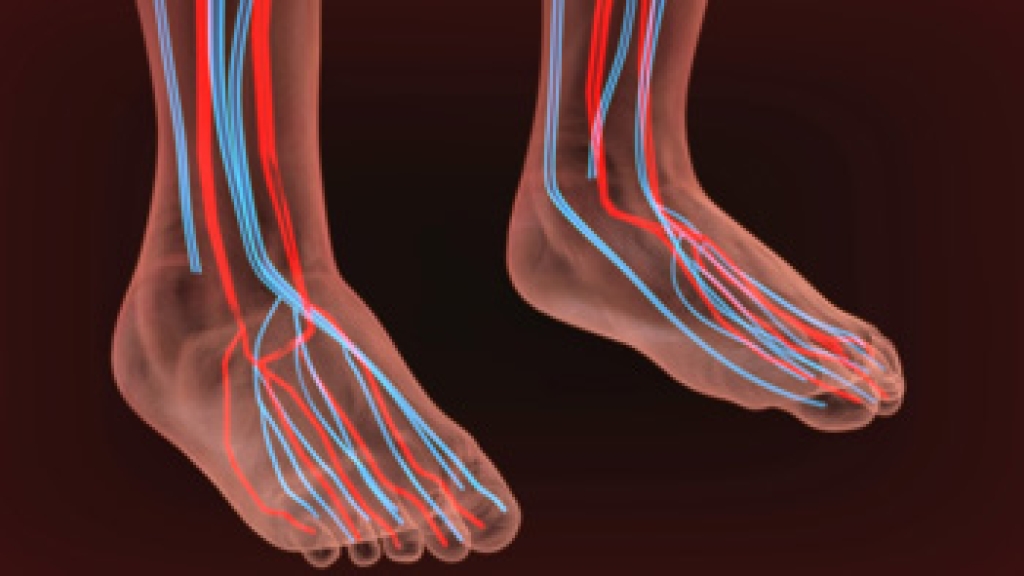
Poor circulation in the feet occurs when blood flow is reduced, often due to underlying conditions like diabetes, peripheral artery disease, or Raynaud's phenomenon. which causes blood vessels to narrow in response to cold or stress, and leads to pale, cold, or numb toes that may later turn blue or red. Symptoms of poor circulation include tingling, cramping, slow-healing wounds, and noticeable temperature differences between feet. These signs should not be ignored, as they may indicate more serious vascular issues. A podiatrist can perform diagnostic tests, recommend lifestyle changes, and provide treatment options to improve blood flow and manage discomfort. If you are experiencing any signs of poor circulation in your feet, it is suggested that you schedule an appointment with a podiatrist who can help you to manage your foot health.

While poor circulation itself isn’t a condition; it is a symptom of another underlying health condition you may have. If you have any concerns with poor circulation in your feet contact Howard Abramsohn, DPM of Ambulatory Foot and Ankle Associates, LLC. Our doctor will treat your foot and ankle needs.

Poor Circulation in the Feet

Peripheral artery disease (PAD) can potentially lead to poor circulation in the lower extremities. PAD is a condition that causes the blood vessels and arteries to narrow. In a linked condition called atherosclerosis, the arteries stiffen up due to a buildup of plaque in the arteries and blood vessels. These two conditions can cause a decrease in the amount of blood that flows to your extremities, therefore resulting in pain.

Symptoms

Some of the most common symptoms of poor circulation are:

  • Numbness
  • Tingling
  • Throbbing or stinging pain in limbs
  • Pain
  • Muscle Cramps

Treatment for poor circulation often depends on the underlying condition that causes it. Methods for treatment may include insulin for diabetes, special exercise programs, surgery for varicose veins, or compression socks for swollen legs.

As always, see a podiatrist as he or she will assist in finding a regimen that suits you. A podiatrist can also prescribe you any needed medication. 

If you have any questions, please feel free to contact our office located in Mt Laurel Township, NJ . We offer the newest diagnostic and treatment technologies for all your foot care needs.
Read more about Causes Symptoms and Treatment for Poor Circulation in the Feet

Exercises Targeted at Turf Toe Injuries

Turf toe is an injury that affects the base of the big toe when it bends too far upward, often during sports, gymnastics, dance, or running. This can stretch or tear the soft tissues and ligaments in the joint, causing pain, swelling, and limited movement. It is important to have the injury evaluated by a podiatrist, as a proper exam can help determine the extent of the damage. Once swelling and pain from turf toe are managed, a podiatrist may recommend targeted exercises to help restore strength and movement in the big toe and foot. Options include toe curls, marble pick-ups, and resistance band stretches to improve flexibility. Toe spreading and squeezing exercises can also build support around the joint. Calf raises and balance drills help improve foot stability and prevent future strain. A podiatrist will guide the timing and intensity of these exercises to support safe healing. If you have joint pain in your big toe, it is suggested that you schedule an appointment with a podiatrist for a diagnosis and treatment, including appropriate exercises.

Toe pain can disrupt your daily activities. If you have any concerns, contact Howard Abramsohn, DPM of Ambulatory Foot and Ankle Associates, LLC. Our doctor can provide the care you need to keep you pain-free and on your feet.

What Causes Toe Pain?

Most severe toe pain is caused due to a sports injury, trauma from dropping something heavy on the toe, or bumping into something rigid. Other problems can develop over time for various reasons.

Toe pain can be caused by one or more ailments. The most common include:

  • Trauma
  • Sports injury
  • Wearing shoes that are too tight
  • Arthritis
  • Gout
  • Corns and calluses
  • Hammertoe
  • Bunions
  • Blisters
  • Ingrown toenails
  • Sprains
  • Fractures (broken bones)
  • Dislocations

When to See a Podiatrist

  • Severe pain
  • Persistent pain that lasts more than a week
  • Signs of infection
  • Continued swelling
  • Pain that prevents walking

Diagnosis

In many cases the cause of toe pain is obvious, but in others, a podiatrist may want to use more advanced methods to determine the problem. These can range from simple visual inspections and sensation tests to X-rays and MRI scans. Prior medical history, family medical history, and any recent physical traumatic events will all be taken into consideration for a proper diagnosis.

Treatment

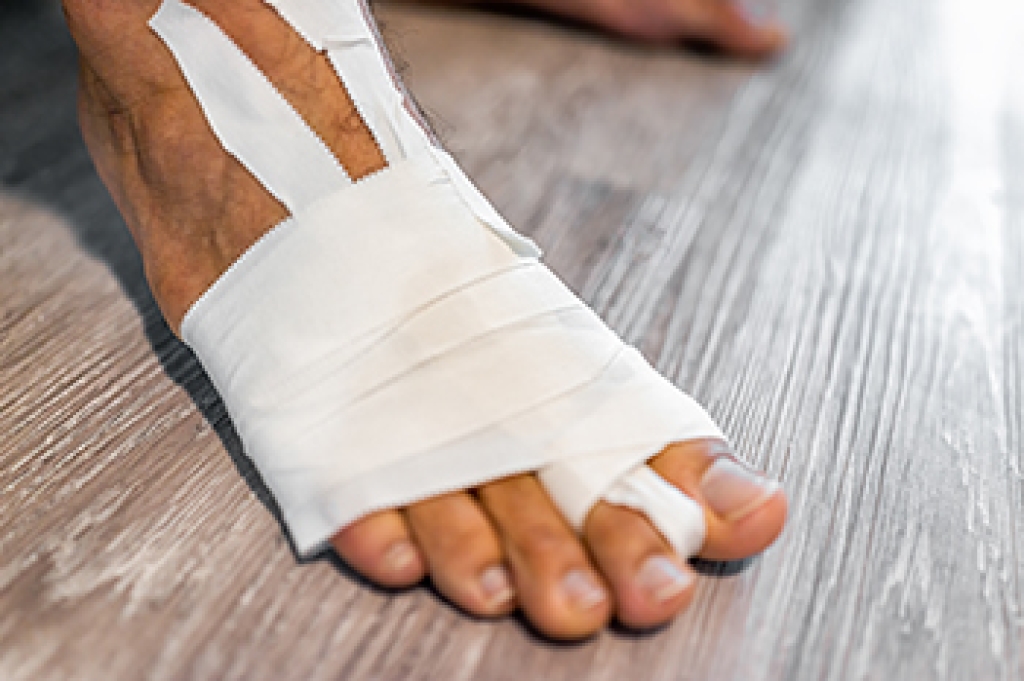
Treatments for toe pain and injuries vary and may include shoe inserts, padding, taping, medicines, injections, and in some cases, surgery. If you believe that you have broken a toe, please see a podiatrist as soon as possible.

If you have any questions please contact our office located in Mt Laurel Township, NJ . We offer the newest diagnostic and treatment technologies for all your foot and ankle needs.

Read more about Toe Pain

Ingrown Toenail Facts

An ingrown toenail occurs when the edge of the toenail grows into the surrounding skin, causing irritation and discomfort. This condition most commonly affects the big toe and can result from improper nail trimming, wearing tight shoes, toe injuries, or inherited nail shapes. Symptoms include redness, swelling, pain along the nail edge, and sometimes infection with drainage or increased tenderness. If left untreated, an athlete's foot infection may worsen and lead to more serious complications. Diagnosis is usually made through a clinical examination of the affected toe. A podiatrist can provide relief by carefully removing the ingrown portion, treating any infection, and offering guidance on proper nail care. Ingrown toenails can cause severe pain and discomfort. If you have developed this condition, it is strongly suggested that you promptly contact a podiatrist who can offer appropriate treatment remedies.

Ingrown toenails can become painful if they are not treated properly. For more information about ingrown toenails, contact Howard Abramsohn, DPM of Ambulatory Foot and Ankle Associates, LLC. Our doctor can provide the care you need to keep you pain-free and on your feet.

Ingrown Toenails

Ingrown toenails occur when a toenail grows sideways into the bed of the nail, causing pain, swelling, and possibly infection.

Causes

  • Bacterial infections
  • Improper nail cutting such as cutting it too short or not straight across
  • Trauma to the toe, such as stubbing, which causes the nail to grow back irregularly
  • Ill-fitting shoes that bunch the toes too close together
  • Genetic predisposition

Prevention

Wearing proper fitting shoes and using proper cutting techniques will also help decrease your risk of developing ingrown toenails.

Treatment

Ingrown toenails are a very treatable foot condition. In minor cases, soaking the affected area in salt or antibacterial soaps will not only help with the ingrown nail itself, but also help prevent any infections from occurring. In more severe cases, surgery is an option. In either case, speaking to your podiatrist about this condition will help you get a better understanding of specific treatment options that are right for you.

If you have any questions, please feel free to contact our office located in Mt Laurel Township, NJ . We offer the newest diagnostic and treatment technologies for all your foot care needs.

Read more about Ingrown Toenail Care

It's Time for Beautiful Feet

You don't need an excuse to have beautiful nails. Step outside without worrying about the appearance of your feet.

What a Plantar Fibroma Is and How a Podiatrist Can Help

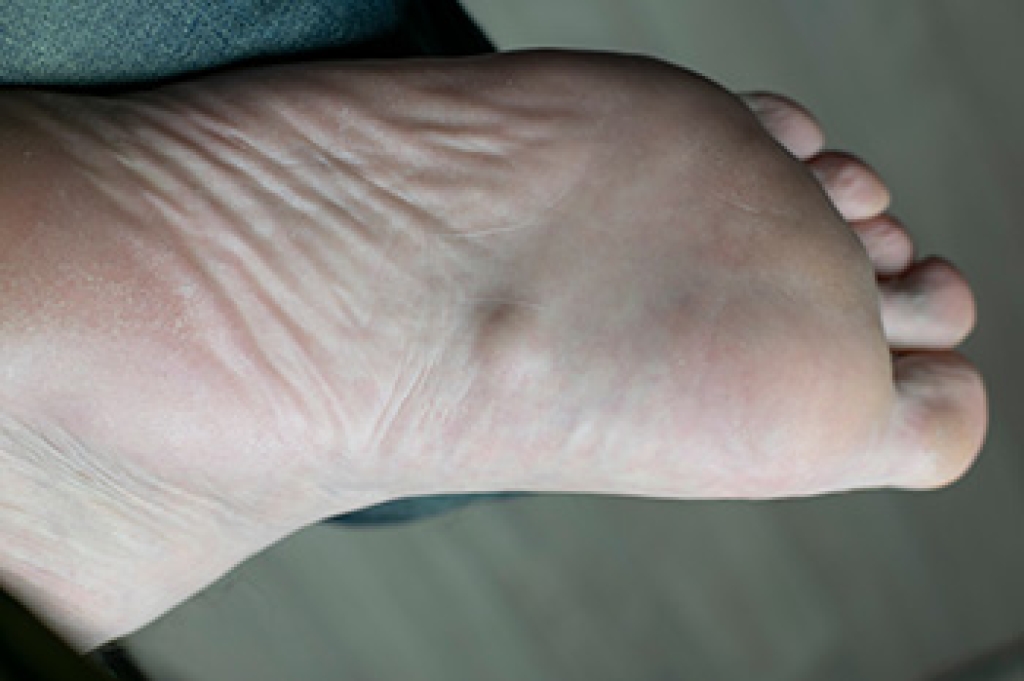
A plantar fibroma is a benign growth that forms within the plantar fascia, the thick band of tissue along the bottom of the foot. This firm lump usually develops in the arch and may increase in size over time. The exact cause is not always clear, but it may be linked to genetics, repeated trauma, or underlying conditions that affect connective tissue. Symptoms include a noticeable bump in the arch, discomfort when walking or standing, and pain when pressure is applied to the area. A podiatrist can diagnose a plantar fibroma through physical examination and imaging, and offer treatments such as custom orthotics, footwear modifications, or other noninvasive options to reduce pain and improve foot function. If you have a lump in the arch of your foot, it is suggested that you contact a podiatrist for an exam and treatment options.

A plantar fibroma may disrupt your daily activities. If you have any concerns, contact Howard Abramsohn, DPM of Ambulatory Foot and Ankle Associates, LLC. Our doctor can provide the care you need to keep you pain-free and on your feet.

Plantar Fibroma

A plantar fibroma is a fibrous knot in the arch of the foot. It is embedded in the plantar fascia which is a band of tissue that extends from the heel to the toes along the bottom of the foot. There can be multiple plantar fibromas in the feet at the same time. There are no known causes for this condition. If you have a plantar fibroma, there will be a bump in the arch of your foot that cannot be missed. Any associated pain is most often due to a shoe rubbing against the nodule. Non-surgical options, such as steroid injections, physical therapy, and orthotics should be tried first. Surgery is a last resort and is the only thing that will remove a plantar fibroma entirely. Consult with a podiatrist for a proper diagnosis and to determine the treatment regimen that is right for you.

What Causes a Plantar Fibroma?

While there are no specific causes identified, a plantar fibroma can possibly come from genetic predisposition or the formation of scar tissue that forms from healing the tears in the plantar fascia.

What Are the Symptoms of a Plantar Fibroma?

There will be a noticeable lump in the arch of the foot that may or may not cause pain. If pain is felt, it is typically because a shoe is rubbing up against the lump or when walking or standing barefoot.

Treatment and Prevention

A plantar fibroma will not disappear without treatment, but it can get smaller and be a non-issue. If pain persists, a podiatrist examines the foot and when the arch of the foot is pressed, pain can be felt down to the toes. An MRI or biopsy might be performed to help diagnose or evaluate the plantar fibroma. The following non-surgical options are generally enough to reduce the size and pain of these nodules:

  • Steroid injections
  • Orthotics
  • Physical therapy to help apply anti-inflammatory creams on the bump 

Surgery is considered if the mass increases in size and the patient continues to feel pain after non-surgical methods are tried.

If you have any questions, please feel free to contact our office located in Mt Laurel Township, NJ . We offer the newest diagnostic and treatment technologies for all your foot care needs.
Read more about Plantar Fibroma

Linking Foot Pain and Arthritis

Foot pain is often linked to various forms of arthritis that affect the joints, soft tissues, and structure of the feet, toes, and ankles. Osteoarthritis can cause the cartilage in foot joints to wear down over time, leading to stiffness, pain, and changes in walking mechanics. Rheumatoid arthritis, an autoimmune condition, frequently affects both feet symmetrically and may lead to joint deformities like hammertoes or claw toes. Psoriatic arthritis may cause inflammation in tendons and ligaments, contributing to conditions like plantar fasciitis and Achilles tendonitis. Gout often causes sudden, intense pain in the big toe or ankle due to the buildup of uric acid crystals. Lupus-related arthritis can lead to joint pain, nerve damage, and poor circulation in the feet. A podiatrist can provide an accurate diagnosis and recommend treatment, which may include medication, custom orthotics, or surgery. If you are experiencing foot pain, it is suggested that you schedule an appointment with a podiatrist for appropriate treatment.

Arthritis can be a difficult condition to live with. If you are seeking treatment, contact Howard Abramsohn, DPM from Ambulatory Foot and Ankle Associates, LLC. Our doctor can provide the care you need to keep you pain-free and on your feet.

Arthritic Foot Care  

Arthritis is a joint disorder that involves the inflammation of different joints in your body, such as those in your feet. Arthritis is often caused by a degenerative joint disease and causes mild to severe pain in all affected areas. In addition to this, swelling and stiffness in the affected joints can also be a common symptom of arthritis.

In many cases, wearing ill-fitting shoes can worsen the effects and pain of arthritis. Wearing shoes that have a lower heel and extra room can help your feet feel more comfortable. In cases of rheumatoid arthritis, the arch in your foot may become problematic. Buying shoes with proper arch support that contour to your feet can help immensely.

Alleviating Arthritic Pain

  • Exercises that stretch the foot can prevent further pain and injury and increase mobility
  • Most of the pain can be alleviated with anti-inflammatory drugs, heat, and topical medications
  • Massages can help temporarily alleviate pain.

It is best to see your doctor for the treatment that is right for your needs and symptoms. Conditions vary, and a podiatrist can help you determine the right method of care for your feet.

If you have any questions please feel free to contact our office located in Mt Laurel Township, NJ . We offer the newest diagnostic tools and technology to treat your foot and ankle needs.

Read more about Arthritic Foot Care

Why Feet Cramp During Sleep

Foot cramps that strike during sleep can be sudden, painful, and hard to ignore. They often affect the arch or toes and may last just a few seconds or several minutes. These cramps can be caused by dehydration, low mineral levels, poor circulation, or muscle fatigue from daytime activity. Sleeping with feet pointed or in a tight position may also trigger cramping. Stretching your feet and calves before bed, staying well hydrated, and wearing loose socks at night may help prevent episodes. Gently massaging or flexing the foot can ease the pain when a cramp occurs. If cramps become frequent or repeatedly interfere with sleep, it is suggested you see a podiatrist for appropriate  treatment.

Foot Pain

Foot pain can be extremely painful and debilitating. If you have a foot pain, consult with Howard Abramsohn, DPM from Ambulatory Foot and Ankle Associates, LLC. Our doctor will assess your condition and provide you with quality foot and ankle treatment.

Causes

Foot pain is a very broad condition that could be caused by one or more ailments. The most common include:

  • Bunions
  • Hammertoes
  • Plantar Fasciitis
  • Bone Spurs
  • Corns
  • Tarsal Tunnel Syndrome
  • Ingrown Toenails
  • Arthritis (such as Gout, Rheumatoid, and Osteoarthritis)
  • Flat Feet
  • Injury (from stress fractures, broken toe, foot, ankle, Achilles tendon ruptures, and sprains)
  • And more

Diagnosis

To figure out the cause of foot pain, podiatrists utilize several different methods. This can range from simple visual inspections and sensation tests to X-rays and MRI scans. Prior medical history, family medical history, and any recent physical traumatic events will all be taken into consideration for a proper diagnosis.

Treatment

Treatment depends upon the cause of the foot pain. Whether it is resting, staying off the foot, or having surgery; podiatrists have a number of treatment options available for foot pain.

If you have any questions, please feel free to contact our office located in Mt Laurel Township, NJ . We offer the newest diagnostic and treatment technologies for all your foot care needs.

Read more about Foot Pain

Poor Circulation and Its Effect on Hikers

Poor circulation can cause significant issues for hikers, especially in the feet and ankles where blood flow is already challenged by prolonged standing and walking. Peripheral vascular disease and venous insufficiency can reduce the ability of blood to travel efficiently. This may cause cold feet, numbness, tingling, swelling, and muscle fatigue during or after a hike. These symptoms can make hiking uncomfortable and may increase the risk of injury or delayed healing. Poor circulation also increases vulnerability to cold-related foot problems, as inadequate blood flow prevents proper warmth from reaching the extremities. A podiatrist can evaluate circulation problems in the feet and ankles and recommend appropriate medical treatment to manage symptoms and help improve blood flow. Paying attention to persistent numbness, swelling, or pain is important when hiking. If you are experiencing foot, toe, or ankle problems from hiking, it is suggested that you schedule an appointment with a podiatrist for appropriate  treatment.

Poor circulation is a serious condition and needs immediate medical attention. If you have any concerns with poor circulation in your feet contact Howard Abramsohn, DPM of Ambulatory Foot and Ankle Associates, LLC. Our doctor will treat your foot and ankle needs.

Poor Circulation in the Feet

Poor blood circulation in the feet and legs is can be caused by peripheral artery disease (PAD), which is the result of a buildup of plaque in the arteries.

Plaque buildup or atherosclerosis results from excess calcium and cholesterol in the bloodstream. This can restrict the amount of blood which can flow through the arteries. Poor blood circulation in the feet and legs are sometimes caused by inflammation in the blood vessels, known as vasculitis.

Causes

Lack of oxygen and oxygen from poor blood circulation restricts muscle growth and development. It can also cause:

  • Muscle pain, stiffness, or weakness 
  • Numbness or cramping in the legs
  • Skin discoloration
  • Slower nail & hair growth
  • Erectile dysfunction

Those who have diabetes or smoke are at greatest risk for poor circulation, as are those who are over 50. If you have poor circulation in the feet and legs it may be caused by PAD and is important to make changes to your lifestyle in order to reduce risk of getting a heart attack or stroke. Exercise and maintaining a healthy lifestyle will dramatically improve conditions.

As always, see a podiatrist as he or she will assist in finding a regimen that suits you. A podiatrist can also prescribe you any needed medication. 

If you have any questions, please feel free to contact our office located in Mt Laurel Township, NJ . We offer the newest diagnostic and treatment technologies for all your foot care needs.
Read more about Causes, Symptoms, and Treatment of Poor Blood Circulation in the Feet

Do You Suffer From Painful Feet?

Painful deformities, such as hammertoes, can be treated. Stop living with foot pain, and have beautiful feet again!

Connect With Us