We are now hiring! If interested, please call us at (856) 234-5180.

What Can Cause Poor Circulation in the Feet

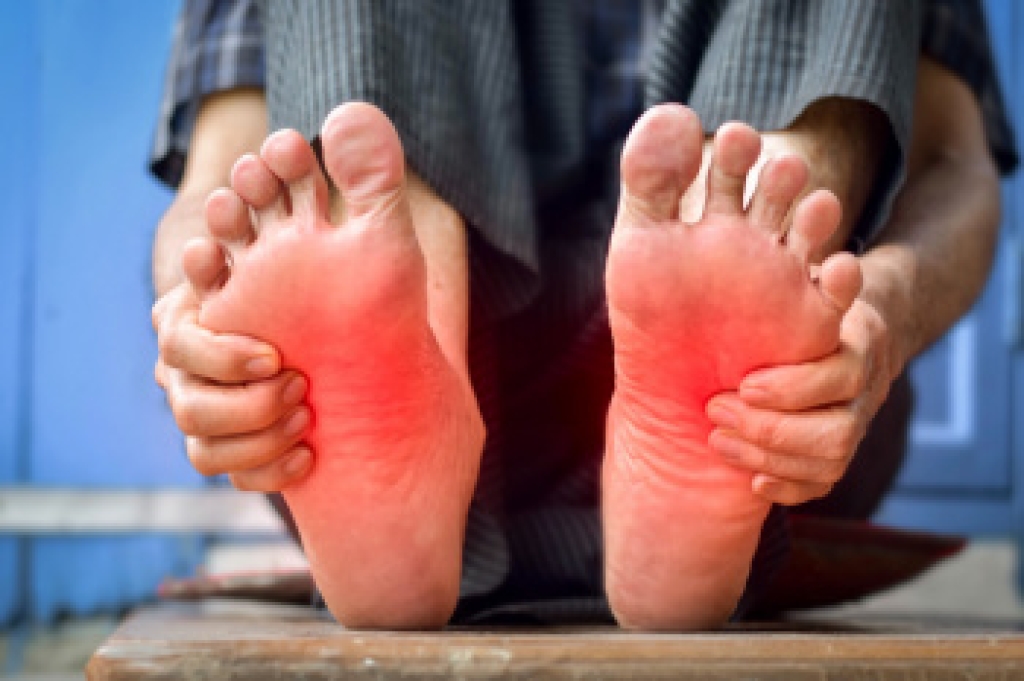
Poor circulation in the feet can result from several underlying health issues, significantly impacting overall well-being. Atherosclerosis, a condition where arteries become narrowed due to plaque buildup, restricts blood flow and can lead to inadequate circulation in the lower extremities. High blood pressure is another contributing factor, as it can damage blood vessels over time, further impeding blood flow. Peripheral artery disease, or PAD, is a narrowing of the arteries specifically in the legs and feet, leading to pain and numbness during physical activity. Heart failure can also cause poor circulation, as the heart struggles to pump blood effectively, resulting in reduced blood supply to the extremities. If you have poor circulation in your feet, it is suggested that you consult a podiatrist who can determine what the cause is and offer effective treatment solutions.

While poor circulation itself isn’t a condition; it is a symptom of another underlying health condition you may have. If you have any concerns with poor circulation in your feet contact Howard Abramsohn, DPM of Ambulatory Foot and Ankle Associates, LLC. Our doctor will treat your foot and ankle needs.

Poor Circulation in the Feet

Peripheral artery disease (PAD) can potentially lead to poor circulation in the lower extremities. PAD is a condition that causes the blood vessels and arteries to narrow. In a linked condition called atherosclerosis, the arteries stiffen up due to a buildup of plaque in the arteries and blood vessels. These two conditions can cause a decrease in the amount of blood that flows to your extremities, therefore resulting in pain.

Symptoms

Some of the most common symptoms of poor circulation are:

  • Numbness
  • Tingling
  • Throbbing or stinging pain in limbs
  • Pain
  • Muscle Cramps

Treatment for poor circulation often depends on the underlying condition that causes it. Methods for treatment may include insulin for diabetes, special exercise programs, surgery for varicose veins, or compression socks for swollen legs.

As always, see a podiatrist as he or she will assist in finding a regimen that suits you. A podiatrist can also prescribe you any needed medication. 

If you have any questions, please feel free to contact our office located in Mt Laurel Township, NJ . We offer the newest diagnostic and treatment technologies for all your foot care needs.
Read more about Causes Symptoms and Treatment for Poor Circulation in the Feet

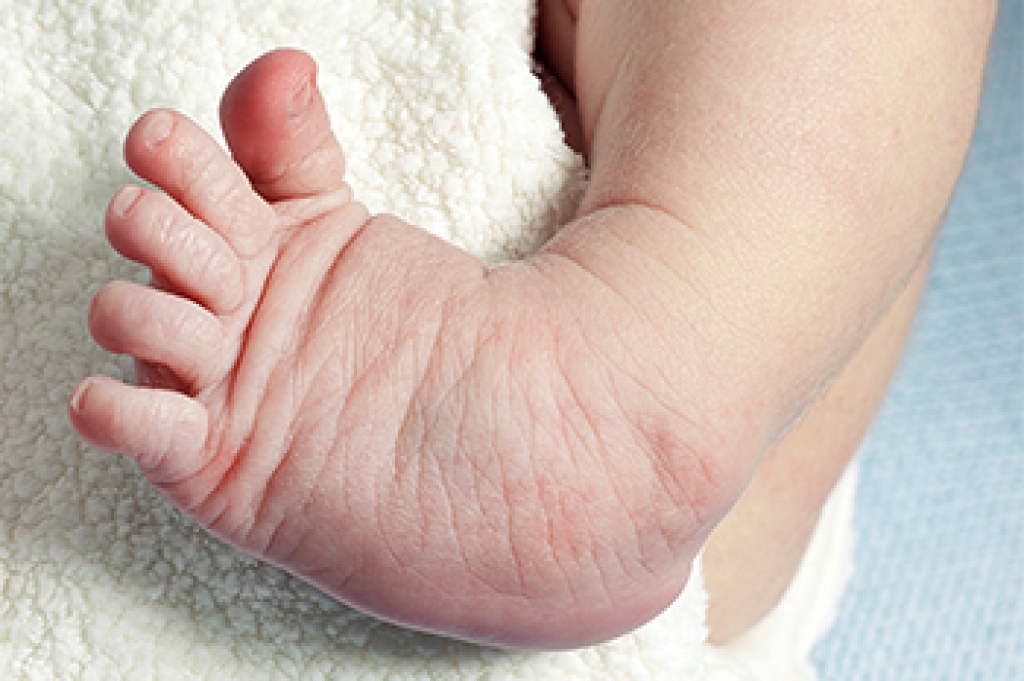
Understanding Clubfoot

Clubfoot, or talipes equinovarus, is a congenital condition where a newborn’s foot appears twisted or turned inward. The exact causes of clubfoot are not fully understood, but it is believed to result from a combination of genetic and environmental factors. In many cases, clubfoot occurs in isolation, but it can also be associated with other congenital conditions. The Ponseti method is a widely recognized treatment for clubfoot, involving a series of gentle manipulations and the application of casts to gradually correct the foot’s position. This method is typically initiated shortly after birth and aims to achieve a functional and pain-free foot. After the initial treatment, a brace is often used to maintain the corrected position. Early diagnosis and intervention are critical for successful treatment, allowing children to develop normally and engage in activities without limitations. If your child has been born with clubfoot, it is suggested that you include a podiatrist on your healthcare team who can help you to properly monitor and manage this condition.

Congenital foot problems require immediate attention to avoid future complications. If you have any concerns, contact Howard Abramsohn, DPM of Ambulatory Foot and Ankle Associates, LLC. Our doctor can provide the care you need to keep you pain-free and on your feet.

Congenital foot problems are deformities affecting the feet, toes, and/or ankles that children are born with. Some of these conditions have a genetic cause while others just happen. Some specific foot ailments that children may be born with include clubfeet, polydactyly/macrodactyly, and cleft foot. There are several other foot anomalies that can occur congenitally. What all of these conditions have in common is that a child may experience difficulty walking or performing everyday activities, as well as trouble finding footwear that fits their foot deformity. Some of these conditions are more serious than others. Consulting with a podiatrist as early as possible will help in properly diagnosing a child’s foot condition while getting the necessary treatment underway.

What are Causes of Congenital Foot Problem?

A congenital foot problem is one that happens to a child at birth. These conditions can be caused by a genetic predisposition, developmental or positional abnormalities during gestation, or with no known cause.

What are Symptoms of Congenital Foot Problems?

Symptoms vary by the congenital condition. Symptoms may consist of the following:

  • Clubfoot, where tendons are shortened, bones are shaped differently, and the Achilles tendon is tight, causing the foot to point in and down. It is also possible for the soles of the feet to face each other.
  • Polydactyly, which usually consists of a nubbin or small lump of tissue without a bone, a toe that is partially formed but has no joints, or an extra toe.
  • Vertical talus, where the talus bone forms in the wrong position causing other bones in the foot to line up improperly, the front of the foot to point up, and the bottom of the foot to stiffen, with no arch, and to curve out.
  • Tarsal coalition, when there is an abnormal connection of two or more bones in the foot leading to severe, rigid flatfoot.
  • Cleft foot, where there are missing toes, a V-shaped cleft, and other anatomical differences.
  • Macrodactyly, when the toes are abnormally large due to overgrowth of the underlying bone or soft tissue.

Treatment and Prevention

While there is nothing one can do to prevent congenital foot problems, raising awareness and receiving neonatal screenings are important. Early detection by taking your child to a podiatrist leads to the best outcome possible.

If you have any questions, please feel free to contact our office located in Mt Laurel Township, NJ . We offer the newest diagnostic and treatment technologies for all your foot care needs.

Read more about Congenital Foot Problems

Arthritic Foot Pain

Foot pain can be a sign of arthritis, a condition that affects the joints and causes inflammation, stiffness, and discomfort. Several types of arthritis can affect the feet, including osteoarthritis, rheumatoid arthritis, and gout. Osteoarthritis is the most common type of arthritis, often linked to wear and tear in the joints over time. Rheumatoid arthritis is an autoimmune condition that affects multiple joints, usually starting in smaller joints like those in the feet. Gout typically targets the big toe with sudden, intense pain. Symptoms of arthritis in the feet include swelling, stiffness, reduced range of motion, and persistent pain that worsens with activity or at rest. Left untreated, arthritis can lead to joint damage and deformities causing other daily activities to become difficult. If you have persistent foot pain, it is suggested that you consult a podiatrist for an examination, diagnosis, and treatment.

Arthritis can be a difficult condition to live with. If you are seeking treatment, contact Howard Abramsohn, DPM from Ambulatory Foot and Ankle Associates, LLC. Our doctor can provide the care you need to keep you pain-free and on your feet.

Arthritic Foot Care  

Arthritis is a term that is commonly used to describe joint pain.  The condition itself can occur to anyone of any age, race, or gender, and there are over 100 types of it.  Nevertheless, arthritis is more commonly found in women compared to men, and it is also more prevalent in those who are overweight. The causes of arthritis vary depending on which type of arthritis you have. Osteoarthritis for example, is often caused by injury, while rheumatoid arthritis is caused by a misdirected immune system.

Symptoms

  • Swelling
  • Pain
  • Stiffness
  • Decreased Range of Motion

Arthritic symptoms range in severity, and they may come and go. Some symptoms stay the same for several years but could potentially get worse with time. Severe cases of arthritis can prevent its sufferers from performing daily activities and make walking difficult.

Risk Factors

  • Occupation – Occupations requiring repetitive knee movements have been linked to osteoarthritis
  • Obesity – Excess weight can contribute to osteoarthritis development
  • Infection – Microbial agents can infect the joints and trigger arthritis
  • Joint Injuries – Damage to joints may lead to osteoarthritis
  • Age – Risk increases with age
  • Gender –Most types are more common in women
  • Genetics – Arthritis can be hereditary

If you suspect your arthritis is affecting your feet, it is crucial that you see a podiatrist immediately. Your doctor will be able to address your specific case and help you decide which treatment method is best for you.

If you have any questions please feel free to contact our office located in Mt Laurel Township, NJ . We offer the newest diagnostic tools and technology to treat your foot and ankle needs.

Read more about How to Care for Your Arthritic Foot

Foot and Ankle Injuries From Pickleball

Foot and ankle injuries are common in pickleball, a fast-paced sport that involves quick movements and sudden changes in direction. Ankle sprains are one of the most frequent injuries, occurring when the ligaments around the ankle are overstretched. Achilles tendon injuries can also happen, often due to overuse or abrupt movements like lunging or jumping. Prevention is key and involves wearing supportive shoes with good traction, warming up properly, and strengthening the muscles surrounding the foot and ankle. Without proper care, these injuries can become chronic, leading to persistent pain, instability, and limited mobility. If you have sustained a foot or ankle injury in pickleball, it is suggested that you visit a podiatrist who can diagnose the injury and provide treatment.

Sports related foot and ankle injuries require proper treatment before players can go back to their regular routines. For more information, contact Howard Abramsohn, DPM of Ambulatory Foot and Ankle Associates, LLC. Our doctor can provide the care you need to keep you pain-free and on your feet.

Sports Related Foot and Ankle Injuries

Foot and ankle injuries are a common occurrence when it comes to athletes of any sport. While many athletes dismiss the initial aches and pains, the truth is that ignoring potential foot and ankle injuries can lead to serious problems. As athletes continue to place pressure and strain the area further, a mild injury can turn into something as serious as a rupture and may lead to a permanent disability. There are many factors that contribute to sports related foot and ankle injuries, which include failure to warm up properly, not providing support or wearing bad footwear. Common injuries and conditions athletes face, including:

  • Plantar Fasciitis
  • Achilles Tendinitis
  • Achilles Tendon Rupture
  • Ankle Sprains

Sports related injuries are commonly treated using the RICE method. This includes rest, applying ice to the injured area, compression and elevating the ankle. More serious sprains and injuries may require surgery, which could include arthroscopic and reconstructive surgery. Rehabilitation and therapy may also be required in order to get any recovering athlete to become fully functional again. Any unusual aches and pains an athlete sustains must be evaluated by a licensed, reputable medical professional.

If you have any questions please contact our office located in Mt Laurel Township, NJ . We offer the newest diagnostic and treatment technologies for all your foot and ankle needs.

Read more about Sports Related Foot And Ankle Injuries

Connect With Us