We are now hiring! If interested, please call us at (856) 234-5180.

Caring for a Broken Toe and Preventing Complications

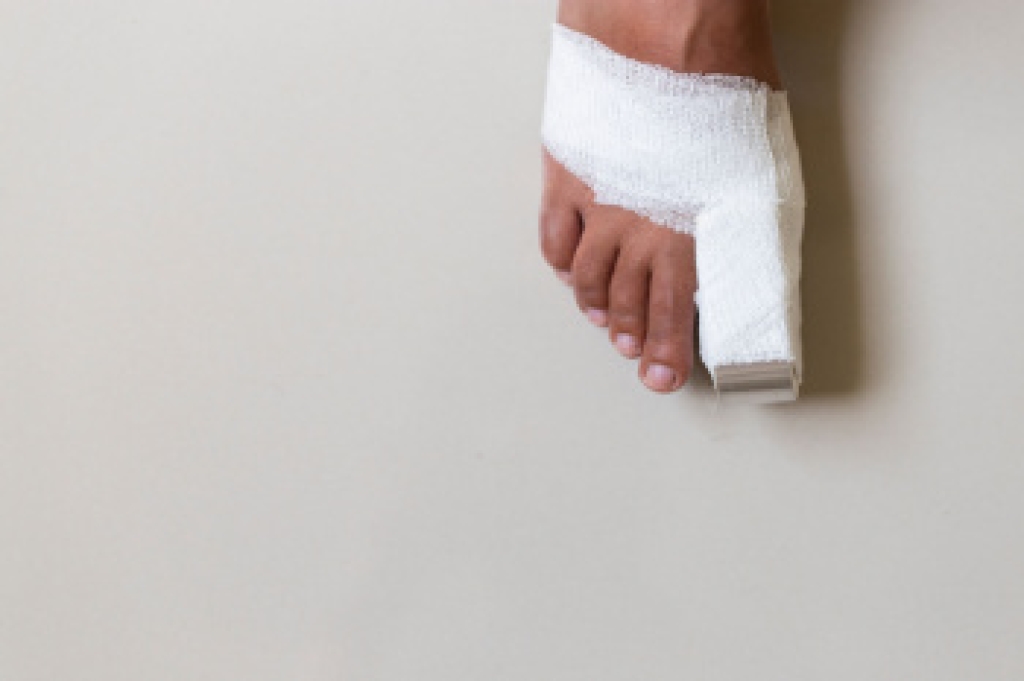
A broken toe occurs when one of the small bones in the toe cracks or breaks, often due to stubbing, dropping a heavy object, or direct trauma during sports or accidents. It may look swollen, bruised, or misaligned, and in severe cases, the toe may appear bent or deformed. Many individuals describe immediate sharp pain, tenderness, and difficulty walking or bearing weight on the affected foot. Even minor toe fractures can affect balance and gait if left untreated, potentially causing long-term foot problems. A podiatrist can begin by examining the toe, assessing movement and alignment, and using X-rays or other imaging to confirm the fracture. Treatment may include buddy taping, protective footwear, splints, or in severe cases minor surgical intervention to realign the bone. Early professional care can help ensure proper healing, reduce pain, and prevent complications. If you suspect a broken toe, it is suggested that you make an appointment with a podiatrist.

A broken toe can be very painful and lead to complications if not properly fixed. If you have any concerns about your feet, contact Howard Abramsohn, DPM from Ambulatory Foot and Ankle Associates, LLC. Our doctor will treat your foot and ankle needs.

What to Know About a Broken Toe

Although most people try to avoid foot trauma such as banging, stubbing, or dropping heavy objects on their feet, the unfortunate fact is that it is a common occurrence. Given the fact that toes are positioned in front of the feet, they typically sustain the brunt of such trauma. When trauma occurs to a toe, the result can be a painful break (fracture).

Symptoms of a Broken Toe

  • Throbbing pain
  • Swelling
  • Bruising on the skin and toenail
  • The inability to move the toe
  • Toe appears crooked or disfigured
  • Tingling or numbness in the toe

Generally, it is best to stay off of the injured toe with the affected foot elevated.

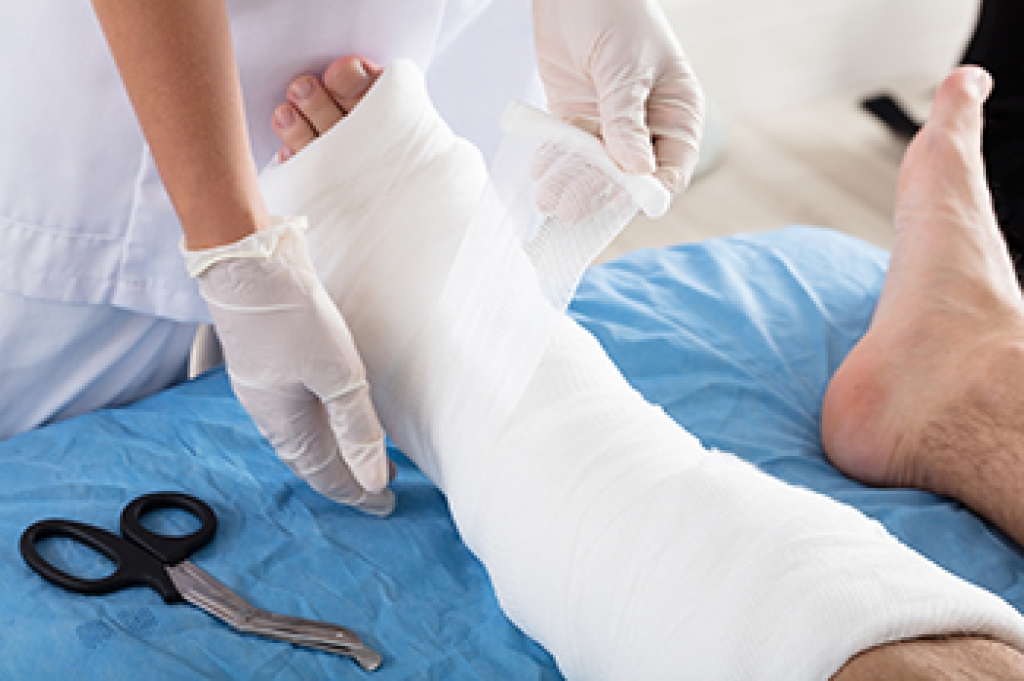
Severe toe fractures may be treated with a splint, cast, and in some cases, minor surgery. Due to its position and the pressure it endures with daily activity, future complications can occur if the big toe is not properly treated.

If you have any questions, please feel free to contact our office located in Mt Laurel Township, NJ . We offer the newest diagnostic and treatment technologies for all your foot care needs.

Read more about What to Know About a Broken Toe

Why Live with Pain and Numbness in Your Feet?

Suffering from this type of pain? You may have the foot condition known as Morton's neuroma. Morton's neuroma may develop as a result of ill-fitting footwear and existing foot deformities. We can help.

The Importance of Off-Loading Diabetic Foot Wounds

Off-loading is essential for helping diabetic foot wounds heal because it reduces pressure on the ulcerated area. People with diabetic neuropathy often lose sensation in their feet, so they continue to walk on a wound without realizing it, which damages new tissue and delays recovery. A podiatrist can use specialized off-loading techniques to remove pressure from the affected area. This can involve therapeutic shoes, custom insoles, padded dressings, removable cast boots, or total contact casts that closely fit the foot and restrict joint motion. These approaches protect the wound from repetitive stress and shear forces, giving tissue the time it needs to repair. When necessary, surgery can also be performed to correct deformities or redistribute pressure to prevent recurrence. Consistent podiatric care ensures the wound remains clean and healing is monitored. If you have a diabetic foot wound, it is suggested that you make an appointment with a podiatrist for a diagnosis and treatment, including off-loading management.

Diabetic foot care is important in preventing foot ailments such as ulcers. If you are suffering from diabetes or have any other concerns about your feet, contact Howard Abramsohn, DPM from Ambulatory Foot and Ankle Associates, LLC. Our doctor can provide the care you need to keep you pain-free and on your feet.

Diabetic Foot Care

Diabetes affects millions of people every year. The condition can damage blood vessels in many parts of the body, especially the feet. Because of this, taking care of your feet is essential if you have diabetes, and having a podiatrist help monitor your foot health is highly recommended.

The Importance of Caring for Your Feet

  • Routinely inspect your feet for bruises or sores.
  • Wear socks that fit your feet comfortably.
  • Wear comfortable shoes that provide adequate support.

Patients with diabetes should have their doctor monitor their blood levels, as blood sugar levels play such a huge role in diabetic care. Monitoring these levels on a regular basis is highly advised.

It is always best to inform your healthcare professional of any concerns you may have regarding your feet, especially for diabetic patients. Early treatment and routine foot examinations are keys to maintaining proper health, especially because severe complications can arise if proper treatment is not applied.

If you have any questions, please feel free to contact our office located in Mt Laurel Township, NJ . We offer the newest diagnostic and treatment technologies for all your foot care needs.
Read more about How to Care for Diabetic Foot

Painful Corns on the Feet

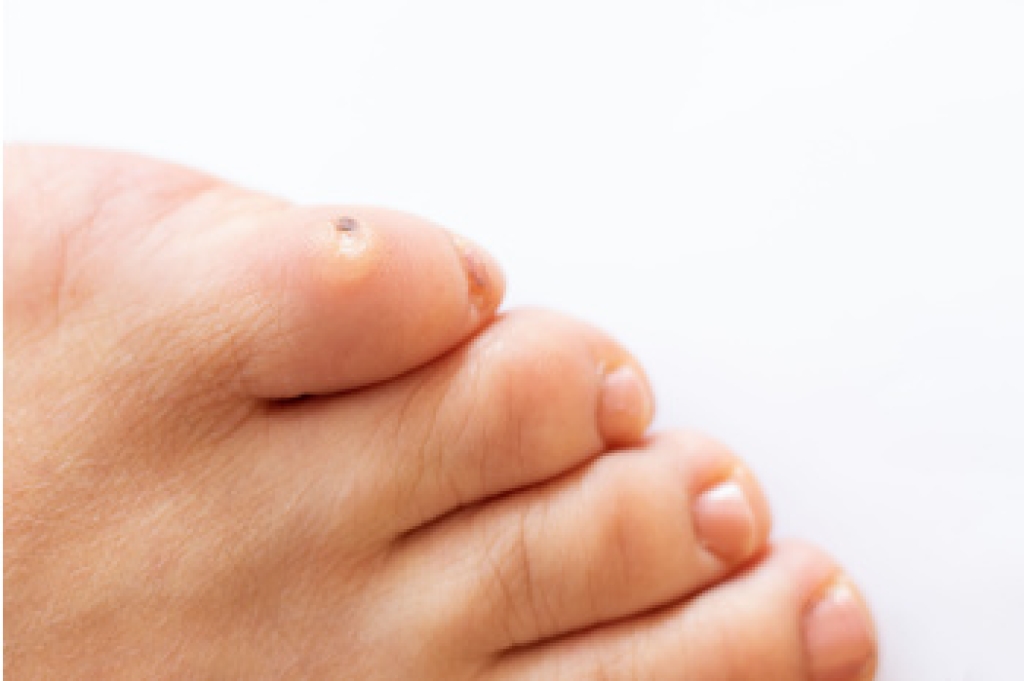
Corns are thickened areas of skin that develop in response to repeated pressure or friction, often caused by tight footwear, abnormal foot structure, or gait issues. They may appear as small, hard, circular patches of skin that are yellowish or translucent, sometimes with a firm core at the center. Corns often feel tender or sharp when pressed, and walking can become uncomfortable when the pressure increases. Some individuals may notice soreness, burning, or irritation around the affected area. A podiatrist can begin by carefully examining the foot to determine the cause of the corn and to rule out other conditions. Treatment may include gentle removal of the thickened skin, offloading with padding, advice on proper footwear, or custom orthotics to reduce pressure and prevent recurrence. In some cases, a podiatrist may address underlying biomechanical issues to support long-term relief. If you notice persistent discomfort or thickened skin on your feet, it is suggested that you make an appointment with a podiatrist. 

If you have any concerns regarding your feet and ankles, contact Howard Abramsohn, DPM of Ambulatory Foot and Ankle Associates, LLC. Our doctor will treat your foot and ankle needs.

Corns: What Are They? and How Do You Get Rid of Them?
Corns can be described as areas of the skin that have thickened to the point of becoming painful or irritating. They are often layers and layers of the skin that have become dry and rough, and are normally smaller than calluses.

Ways to Prevent Corns
There are many ways to get rid of painful corns such as wearing:

  • Well-fitting socks
  • Comfortable shoes that are not tight around your foot
  • Shoes that offer support

Treating Corns
Treatment of corns involves removing the dead skin that has built up in the specific area of the foot. Consult with Our doctor to determine the best treatment option for your case of corns.

If you have any questions, please feel free to contact our office located in Mt Laurel Township, NJ . We offer the newest diagnostic and treatment technologies for all your foot care needs.
Read more about Corns: What Are They, and How Do You Get Rid of Them

Building a Healthy Everyday Foot Care Routine

Maintaining a daily foot care routine is essential for comfort and long-term health. Start by washing your feet thoroughly with soap and warm water to remove dirt and bacteria, then dry them completely to prevent fungal growth. Regular exfoliation helps remove dead skin and keeps heels smooth. Trim toenails straight across to prevent ingrown nails and gently file rough edges. Additionally, moisturizing daily maintains softness and reduces cracking. A podiatrist can provide professional advice on proper foot hygiene, nail trimming, and treatment for corns, calluses, or infections. If you notice persistent dryness, pain, or nail changes, it is suggested that you schedule a visit with a podiatrist who can treat various foot conditions, and guide you on additional everyday foot care tips. 

Everyday foot care is very important to prevent infection and other foot ailments. If you need your feet checked, contact Howard Abramsohn, DPM from Ambulatory Foot and Ankle Associates, LLC. Our doctor can provide the care you need to keep you pain-free and on your feet.

Everyday Foot Care

Often, people take care of their bodies, face and hair more so than they do for their feet. But the feet are a very important aspect of our bodies, and one that we should pay more attention to. Without our feet, we would not be able to perform most daily tasks.

It is best to check your feet regularly to make sure there are no new bruises or cuts that you may not have noticed before. For dry feet, moisturizer can easily be a remedy and can be applied as often as necessary to the affected areas. Wearing shoes that fit well can also help you maintain good foot health, as well as making it easier to walk and do daily activities without the stress or pain of ill-fitting shoes, high heels, or even flip flops. Wearing clean socks with closed shoes is important to ensure that sweat and bacteria do not accumulate within the shoe. Clean socks help to prevent Athlete’s foot, fungi problems, bad odors, and can absorb sweat.

If you have any questions, please feel free to contact our office located in Mt Laurel Township, NJ . We offer the newest diagnostic and treatment technologies for all your foot care needs.

Read more about Every Day Foot Care

Connect With Us