We are now hiring! If interested, please call us at (856) 234-5180.

Diabetic Foot Wounds

People with diabetes are at a much higher risk of developing foot wounds, which are slow to heal and can become problematic. This slow rate of healing might be due to a weakened immune system, which is common in diabetics. When a foot wound occurs, the immune cells needed for proper inflammation and healing may not function effectively, leading to poor recovery. If you have diabetes, it's important to prevent foot wounds and their complications. A good way to do this is to check your feet daily for any changes, such as cuts, scrapes, sores, or discoloration. If you notice a cut or sore that is taking a long time to heal, it’s suggested you make an appointment with a podiatrist for a diagnosis and treatment options.

Wound care is an important part in dealing with diabetes. If you have diabetes and a foot wound or would like more information about wound care for diabetics, consult with Howard Abramsohn, DPM from Ambulatory Foot and Ankle Associates, LLC. Our doctor will assess your condition and provide you with quality foot and ankle treatment.

What Is Wound Care?

Wound care is the practice of taking proper care of a wound. This can range from the smallest to the largest of wounds. While everyone can benefit from proper wound care, it is much more important for diabetics. Diabetics often suffer from poor blood circulation which causes wounds to heal much slower than they would in a non-diabetic. 

What Is the Importance of Wound Care?

While it may not seem apparent with small ulcers on the foot, for diabetics, any size ulcer can become infected. Diabetics often also suffer from neuropathy, or nerve loss. This means they might not even feel when they have an ulcer on their foot. If the wound becomes severely infected, amputation may be necessary. Therefore, it is of the upmost importance to properly care for any and all foot wounds.

How to Care for Wounds

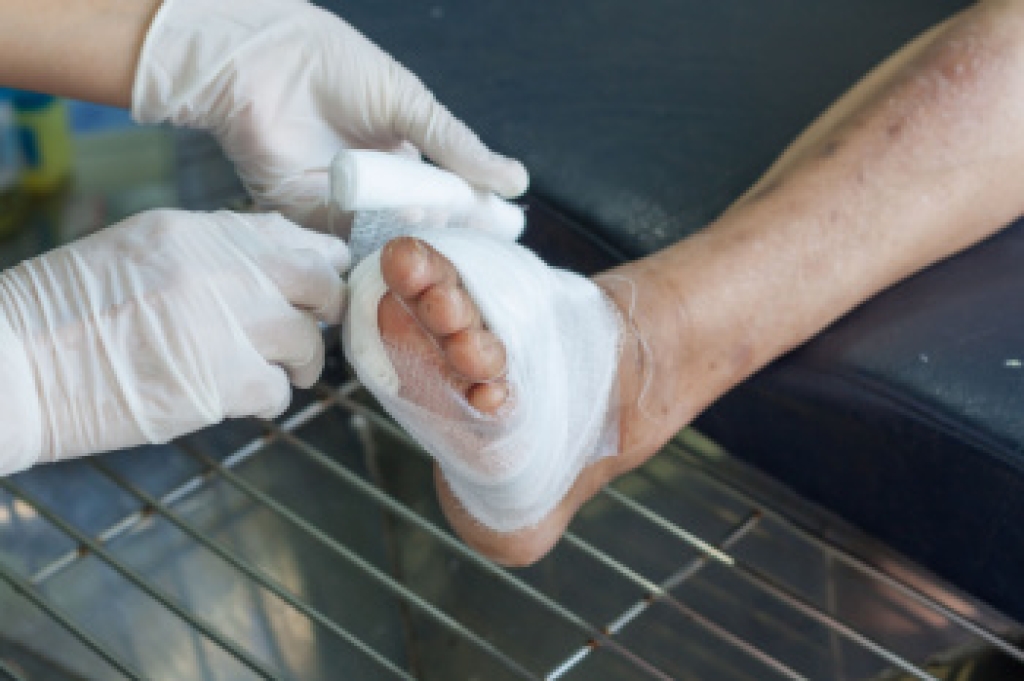
The best way to care for foot wounds is to prevent them. For diabetics, this means daily inspections of the feet for any signs of abnormalities or ulcers. It is also recommended to see a podiatrist several times a year for a foot inspection. If you do have an ulcer, run the wound under water to clear dirt from the wound; then apply antibiotic ointment to the wound and cover with a bandage. Bandages should be changed daily and keeping pressure off the wound is smart. It is advised to see a podiatrist, who can keep an eye on it.

If you have any questions please contact our office located in Mt Laurel Township, NJ . We offer the newest diagnostic and treatment technologies for all your foot and ankle needs.

Read more about Wound Care

Keep Your Feet Healthy So You Can Stay Active

Have your feet inspected by a professional before starting a new sport or physical activity. Taking charge of your foot health will keep you in good physical condition and can help you avoid a potential injury, such as a fracture or sprained ankle.

Prevent injuries and see a foot specialist.

Juvenile Arthritis

Juvenile arthritis, also known as juvenile idiopathic arthritis or JIA, is a chronic inflammatory condition that affects children under the age of 16. This autoimmune disorder can impact various joints, including those in the feet, leading to pain, swelling, stiffness, and reduced mobility. Early signs in the feet may include limping, reluctance to walk, or swelling surrounding the ankles and toes. The inflammation associated with JIA can damage cartilage and bone, causing long-term joint issues if not managed properly. Children with JIA may experience difficulty participating in physical activities, impacting their overall quality of life. Treatment for juvenile arthritis in the feet includes a combination of medication to reduce inflammation and pain, exercises to maintain joint function and mobility, and custom orthotics to provide support and alleviate pressure on affected joints. If your child has JIA, it is strongly suggested that you include a podiatrist among the healthcare team for regular check-ups that are essential for monitoring this condition and adjusting treatment plans.

Arthritis can be a difficult condition to live with. If you are seeking treatment, contact Howard Abramsohn, DPM from Ambulatory Foot and Ankle Associates, LLC. Our doctor can provide the care you need to keep you pain-free and on your feet.

Arthritic Foot Care  

Arthritis is a joint disorder that involves the inflammation of different joints in your body, such as those in your feet. Arthritis is often caused by a degenerative joint disease and causes mild to severe pain in all affected areas. In addition to this, swelling and stiffness in the affected joints can also be a common symptom of arthritis.

In many cases, wearing ill-fitting shoes can worsen the effects and pain of arthritis. Wearing shoes that have a lower heel and extra room can help your feet feel more comfortable. In cases of rheumatoid arthritis, the arch in your foot may become problematic. Buying shoes with proper arch support that contour to your feet can help immensely.

Alleviating Arthritic Pain

  • Exercises that stretch the foot can prevent further pain and injury and increase mobility
  • Most of the pain can be alleviated with anti-inflammatory drugs, heat, and topical medications
  • Massages can help temporarily alleviate pain.

It is best to see your doctor for the treatment that is right for your needs and symptoms. Conditions vary, and a podiatrist can help you determine the right method of care for your feet.

If you have any questions please feel free to contact our office located in Mt Laurel Township, NJ . We offer the newest diagnostic tools and technology to treat your foot and ankle needs.

Read more about Arthritic Foot Care

Symptoms and Risk Factors for Toenail Fungus

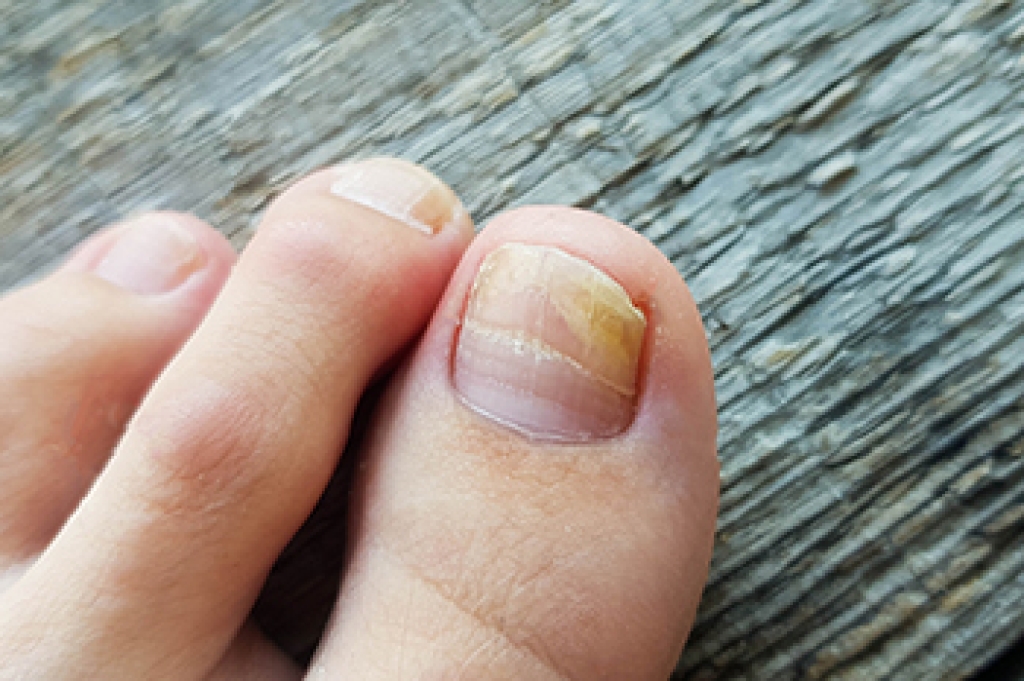
Toenail fungus, also known as onychomycosis, is a fungal infection affecting the toenails. It typically begins as a white or yellow spot under the tip of the nail and can spread deeper into the nail over time, causing discoloration, thickening, and crumbling of the nail edges. Risk factors for toenail fungus include frequent exposure to warm and moist environments such as public showers, wearing tight-fitting shoes, and having a weakened immune system. Symptoms may include a foul odor from the infected nail, pain or discomfort, and difficulty trimming the nail due to its thickness. If left untreated, toenail fungus can lead to permanent damage to the nail bed and spread to other nails or skin. The chances of recovery increase when treated early. If you have toenail fungus, it is suggested that you contact a podiatrist where you can receive expert treatment for this condition.

For more information about treatment, contact Howard Abramsohn, DPM of Ambulatory Foot and Ankle Associates, LLC. Our doctor can provide the care you need to keep you pain-free and on your feet.

Toenail Fungus Treatment

Toenail fungus is a condition that affects many people and can be especially hard to get rid of. Fortunately, there are several methods to go about treating and avoiding it.

Antifungals & Deterrence

Oral antifungal medicine has been shown to be effective in many cases. It is important to consult with a podiatrist to determine the proper regiment for you, or potentially explore other options.

Applying foot powder on the feet and shoes helps keep the feet free of moisture and sweat.

Sandals or open toed shoes – Wearing these will allow air movement and help keep feet dry. They also expose your feet to light, which fungus cannot tolerate. Socks with moisture wicking material also help as well.

If you have any questions please contact our office located in Mt Laurel Township, NJ . We offer the newest diagnostic and treatment technologies for all your foot and ankle needs.
Read more about Toenail Fungus

Understanding and Preventing Athlete’s Foot

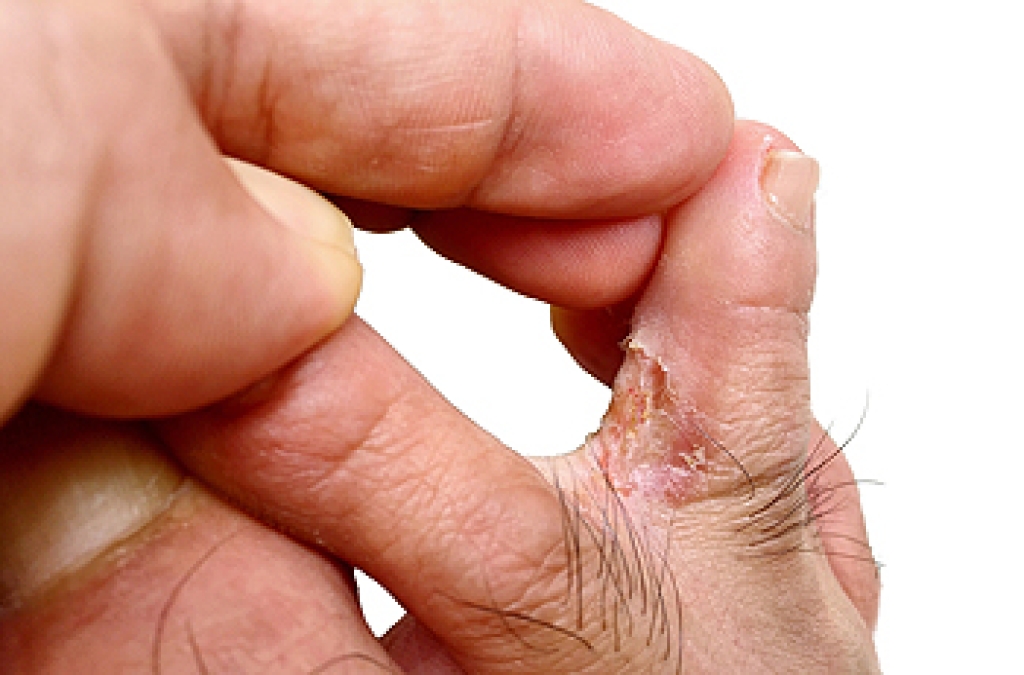
Athlete’s foot, or tinea pedis, is a contagious fungal infection that affects the skin on the feet, commonly starting between the toes. It thrives in warm, moist environments like locker rooms, showers, and swimming pools. Symptoms can include itching, burning, peeling skin, and sometimes blisters. Preventing athlete’s foot involves maintaining good foot hygiene, such as keeping feet clean and dry, especially between the toes. Wearing moisture-wicking socks and breathable shoes helps reduce moisture buildup. Avoiding walking barefoot in public places and using antifungal powders or sprays can further prevent infection. Additionally, regularly changing socks and shoes and disinfecting them can also help. Athlete’s foot can be uncomfortable and unsightly. If you have been afflicted with this condition, it is suggested that you consult a podiatrist who can successfully treat athlete’s foot, which often includes prescribed medication.

Athlete’s Foot

Athlete’s foot is often an uncomfortable condition to experience. Thankfully, podiatrists specialize in treating athlete’s foot and offer the best treatment options. If you have any questions about athlete’s foot, consult with Howard Abramsohn, DPM from Ambulatory Foot and Ankle Associates, LLC. Our doctor will assess your condition and provide you with quality treatment.

What Is Athlete’s Foot?

Tinea pedis, more commonly known as athlete’s foot, is a non-serious and common fungal infection of the foot. Athlete’s foot is contagious and can be contracted by touching someone who has it or infected surfaces. The most common places contaminated by it are public showers, locker rooms, and swimming pools. Once contracted, it grows on feet that are left inside moist, dark, and warm shoes and socks.

Prevention

The most effective ways to prevent athlete’s foot include:

  • Thoroughly washing and drying feet
  • Avoid going barefoot in locker rooms and public showers
  • Using shower shoes in public showers
  • Wearing socks that allow the feet to breathe
  • Changing socks and shoes frequently if you sweat a lot

Symptoms

Athlete’s foot initially occurs as a rash between the toes. However, if left undiagnosed, it can spread to the sides and bottom of the feet, toenails, and if touched by hand, the hands themselves. Symptoms include:

  • Redness
  • Burning
  • Itching
  • Scaly and peeling skin

Diagnosis and Treatment

Diagnosis is quick and easy. Skin samples will be taken and either viewed under a microscope or sent to a lab for testing. Sometimes, a podiatrist can diagnose it based on simply looking at it. Once confirmed, treatment options include oral and topical antifungal medications.

If you have any questions, please feel free to contact our office located in Mt Laurel Township, NJ . We offer the newest diagnostic and treatment technologies for all your foot care needs.

Read more about How to Deal with Athlete's Foot

Exploring the Causes of Foot and Ankle Pain

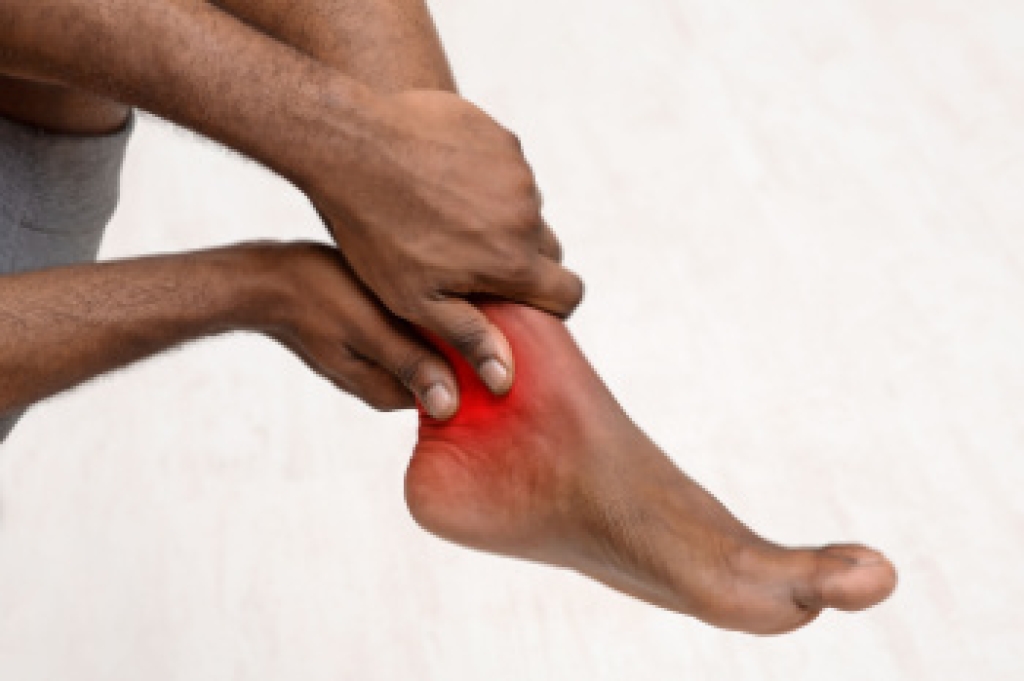
Foot and ankle pain can stem from a variety of sources, each with its unique challenges. Bruises often result from direct trauma, causing discoloration and tenderness. Puncture wounds, which may occur from stepping on sharp objects, can lead to infection if not properly treated. Injuries to ligaments and tendons, such as sprains and strains, are common, and typically result from overuse or sudden twists and turns, leading to swelling and pain. Dislocations, though less frequent, can occur from severe trauma, necessitating medical intervention to realign the bones. Retrocalcaneal bursitis, an inflammation of the bursa located at the back of the heel, often arises from repetitive stress or ill-fitting shoes, causing pain and swelling near the Achilles tendon. Addressing foot and ankle pain effectively requires identifying the specific cause and implementing appropriate treatments. If you have any type of foot or ankle pain, it is suggested that you are under the care of a podiatrist who can offer you effective treatment options.

Foot Pain

Foot pain can be extremely painful and debilitating. If you have a foot pain, consult with Howard Abramsohn, DPM from Ambulatory Foot and Ankle Associates, LLC. Our doctor will assess your condition and provide you with quality foot and ankle treatment.

Causes

Foot pain is a very broad condition that could be caused by one or more ailments. The most common include:

  • Bunions
  • Hammertoes
  • Plantar Fasciitis
  • Bone Spurs
  • Corns
  • Tarsal Tunnel Syndrome
  • Ingrown Toenails
  • Arthritis (such as Gout, Rheumatoid, and Osteoarthritis)
  • Flat Feet
  • Injury (from stress fractures, broken toe, foot, ankle, Achilles tendon ruptures, and sprains)
  • And more

Diagnosis

To figure out the cause of foot pain, podiatrists utilize several different methods. This can range from simple visual inspections and sensation tests to X-rays and MRI scans. Prior medical history, family medical history, and any recent physical traumatic events will all be taken into consideration for a proper diagnosis.

Treatment

Treatment depends upon the cause of the foot pain. Whether it is resting, staying off the foot, or having surgery; podiatrists have a number of treatment options available for foot pain.

If you have any questions, please feel free to contact our office located in Mt Laurel Township, NJ . We offer the newest diagnostic and treatment technologies for all your foot care needs.

Read more about Foot Pain

Get Professional Care for a Broken Foot or Ankle

Constant care and regular evaluation are important for a foot or ankle fracture. If left untreated, foot or ankle fractures can worsen over time and create more serious problems.

Don't wait to be examined if you believe you've experienced a foot or ankle fracture.

Managing Sesamoiditis

Sesamoiditis is an inflammation of the sesamoid bones, which are two small bones embedded in the tendons beneath the big toe joint. These bones help to absorb the weight placed on the ball of the foot and assist with movement. Sesamoiditis occurs when these bones are subjected to excessive stress or repetitive pressure, often seen in activities like running, dancing, or wearing high-heeled shoes. Athletes, dancers, and individuals with high foot arches are particularly prone to sesamoiditis. Symptoms include pain in the ball of the foot, swelling, and difficulty bending the big toe. The pain typically worsens with activity and improves with rest. Preventing sesamoiditis involves wearing properly fitting, supportive shoes, avoiding high heels, and using orthotic inserts to distribute pressure evenly across the foot. Diagnosis is typically made through a physical examination and imaging tests such as X-rays. Treatment options include rest, anti-inflammatory medications, and cushioning pads to alleviate pressure. In severe cases, a podiatrist may recommend a period of immobilization or even surgery. Complications from untreated sesamoiditis can include chronic pain and difficulty with movement. If you have pain in this area of your foot, it is suggested that you visit a podiatrist for a proper diagnosis and an effective treatment plan.

Sesamoiditis is an unpleasant foot condition characterized by pain in the balls of the feet. If you think you’re struggling with sesamoiditis, contact Howard Abramsohn, DPM of Ambulatory Foot and Ankle Associates, LLC. Our doctor will treat your condition thoroughly and effectively.

Sesamoiditis

Sesamoiditis is a condition of the foot that affects the ball of the foot. It is more common in younger people than it is in older people. It can also occur with people who have begun a new exercise program, since their bodies are adjusting to the new physical regimen. Pain may also be caused by the inflammation of tendons surrounding the bones. It is important to seek treatment in its early stages because if you ignore the pain, this condition can lead to more serious problems such as severe irritation and bone fractures.

Causes of Sesamoiditis

  • Sudden increase in activity
  • Increase in physically strenuous movement without a proper warm up or build up
  • Foot structure: those who have smaller, bonier feet or those with a high arch may be more susceptible

Treatment for sesamoiditis is non-invasive and simple. Doctors may recommend a strict rest period where the patient forgoes most physical activity. This will help give the patient time to heal their feet through limited activity. For serious cases, it is best to speak with your doctor to determine a treatment option that will help your specific needs.

If you have any questions, please feel free to contact our office located in Mt Laurel Township, NJ . We offer the newest diagnostic and treatment technologies for all your foot care needs.

Read more about Sesamoiditis

Managing an Ingrown Toenail

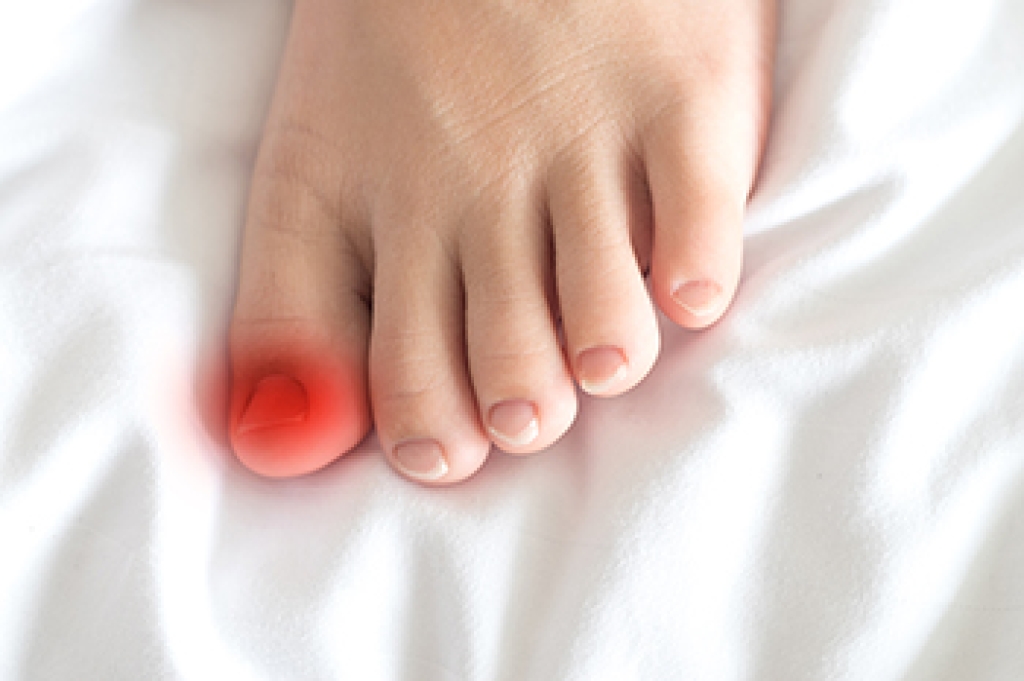
Onychocryptosis, commonly known as an ingrown toenail, occurs when the edge of a toenail grows into the surrounding skin, leading to pain, swelling, and sometimes infection. This condition often affects the big toe and can result from improper nail trimming, tight footwear, or injury to the toe. Managing an ingrown toenail involves several steps to alleviate discomfort and promote healing. Soaking the affected foot in warm water can soften the skin and reduce inflammation. Keeping the foot dry and wearing well-fitting shoes can prevent further irritation. Lifting the nail gently and placing a small piece of cotton or dental floss under it can help guide the nail to grow correctly. An ingrown toenail can cause significant pain and discomfort. If you have an ingrown toenail that has worsened, it is strongly suggested that you seek the advice of visit a podiatrist who can effectively treat this condition, which may include minor surgery.

Ingrown toenails may initially present themselves as a minor discomfort, but they may progress into an infection in the skin without proper treatment. For more information about ingrown toenails, contact Howard Abramsohn, DPM of Ambulatory Foot and Ankle Associates, LLC. Our doctor can provide the care you need to keep you pain-free and on your feet.

Ingrown Toenails

Ingrown toenails are caused when the corner or side of a toenail grows into the soft flesh surrounding it. They often result in redness, swelling, pain, and in some cases, infection. This condition typically affects the big toe and may recur if it is not treated properly.

Causes

  • Improper toenail trimming
  • Genetics
  • Improper shoe fitting
  • Injury from pedicures or nail picking
  • Abnormal gait
  • Poor hygiene

You are more likely to develop an ingrown toenail if you are obese, have diabetes, arthritis, or have any fungal infection in your nails. Additionally, people who have foot or toe deformities are at a higher risk of developing an ingrown toenail.

Symptoms

Some symptoms of ingrown toenails are redness, swelling, and pain. In rare cases, there may be a yellowish drainage coming from the nail.

Treatment

Ignoring an ingrown toenail can have serious complications. Infections of the nail border can progress to a deeper soft-tissue infection, which can then turn into a bone infection. You should always speak with your podiatrist if you suspect you have an ingrown toenail, especially if you have diabetes or poor circulation.

If you have any questions, please feel free to contact our office located in Mt Laurel Township, NJ . We offer the newest diagnostic and treatment technologies for all your foot care needs.

Read more about Ingrown Toenails

The Importance of Geriatrics

Geriatrics is a branch of medicine focused on the health care of older adults. As people age, their bodies undergo various changes, making them more susceptible to certain health conditions, including foot and ankle problems. Geriatric podiatrists specialize in diagnosing and treating these issues, particularly arthritis, diabetic foot complications, and decreased circulation. Thinning skin and age-related foot deformities are also examined. Additionally, podiatrists provide comprehensive care to help seniors maintain mobility and an independent lifestyle. Regular foot exams by a geriatric podiatrist can help prevent falls, alleviate pain, and address any concerns related to foot health in older adults. If you or a loved one are experiencing foot problems associated with aging, scheduling a consultation with a geriatric podiatrist can be beneficial. By placing emphasis on preventive measures and early intervention, geriatric podiatrists will assist in advocating for healthy aging and enhanced quality of life among older adults. For guidance on foot problems related to aging, it is suggested that you consult a geriatric podiatrist for an effective approach to maintaining a vibrant lifestyle.

If you need your feet checked, contact Howard Abramsohn, DPM of Ambulatory Foot and Ankle Associates, LLC. Our doctor will attend to all of your foot and ankle needs and provide you with quality treatment.

Geriatrics and Podiatry
When people age, some common issues that may occur are bone density loss, dry skin, poor circulation, and rough brittle nails. These issues may also affect your foot health if the necessary steps are not taken to alleviate the problems.

It is important to take care of your feet because feet that are injured or diseased can affect your overall health. Having painful feet hinders your ability to do daily activities or may decrease your willingness to do the things that you need to do.

Visiting Your Geriatrician
As we age, health problems become more likely, so it is essential to visit your doctor for check-ups to ensure that you are doing the best you can to take care of your health. It is recommended to check your feet frequently for any possible cuts, bruises, swelling, corns or any other irregularities. 

Taking Care of Elderly Feet
Cracked or dry feet can be treated by applying moisturizer often. It is also important not to wear old socks because the older the sock is, the higher the possibility there will be that there is bacteria there. Wear fresh socks and make sure they fit properly.

Proper foot health means that you can have a more active lifestyle and you will not be bogged down by pain. Foot health also leads to good circulation, which is paramount for overall health.

If you have any questions, please feel free to contact our office located in Mt Laurel Township, NJ . We offer the newest diagnostic and treatment technologies for all your foot care needs.

Read more about Geriatrics and Podiatry

Connect With Us