We are now hiring! If interested, please call us at (856) 234-5180.

Preventing Foot Problems Caused by Running

Running is an excellent exercise, but it can lead to various foot problems. Blisters are common, usually caused by friction from wearing ill-fitting shoes or socks. Toenail damage, including bruising or loss, can result from repeated pressure or tight shoes. Bunions are bony bumps on the side of the foot and often develop due to poor footwear or abnormal foot mechanics. Plantar fasciitis, a painful inflammation of the tissue on the bottom of the foot, is common in runners who overuse their feet or wear inadequate shoes. To prevent these issues, it is important to wear well-fitting shoes designed for running, choose moisture-wicking socks, and stretch before and after runs. If you have sustained a foot or ankle injury from running, it is suggested that you consult a podiatrist who can provide running injury prevention techniques and treatment.

Exercising your feet regularly with the proper foot wear is a great way to prevent injuries. If you have any concerns about your feet, contact Howard Abramsohn, DPM of Ambulatory Foot and Ankle Associates, LLC. Our doctor will treat your foot and ankle needs.

How to Prevent Running Injuries

Many common running injuries are caused by overuse and overtraining. When the back of the kneecap starts wearing out and starts causing pain in your knee, this is commonly referred to as runner’s knee. Runner’s knee is a decrease in strength in your quadriceps and can occur if you’re not wearing properly fitted or supporting shoes. To prevent runner’s knee, focusing on hip strengthening is a good idea, as well as strengthening your quads to keep the kneecaps aligned.

What Are Some Causes of Running Injuries? 
- One cause of a common running injury is called iliotibial band syndrome.
- Plantar fasciitis is also another common injury.
- Stress fractures can occur from overtraining, lack of calcium, or even your running style.

Best Ways to Prevent Running Injuries
- Wear footwear that fits properly and suits your running needs.
- Running shoes are the only protective gear that runners have to safeguard them from injury.
- Make a training schedule. Adding strengthening exercises as well as regular stretching can help keep you strong and limber and can lessen the possibility of injuries.
- Stretching keeps muscles limber; this will help you gain better flexibility.

If you have any questions, please feel free to contact our office located in Mt Laurel Township, NJ . We offer the newest diagnostic and treatment technologies for all your foot care needs.
Read more about How to Prevent Running Injuries

Pain on the Outside of the Ankle

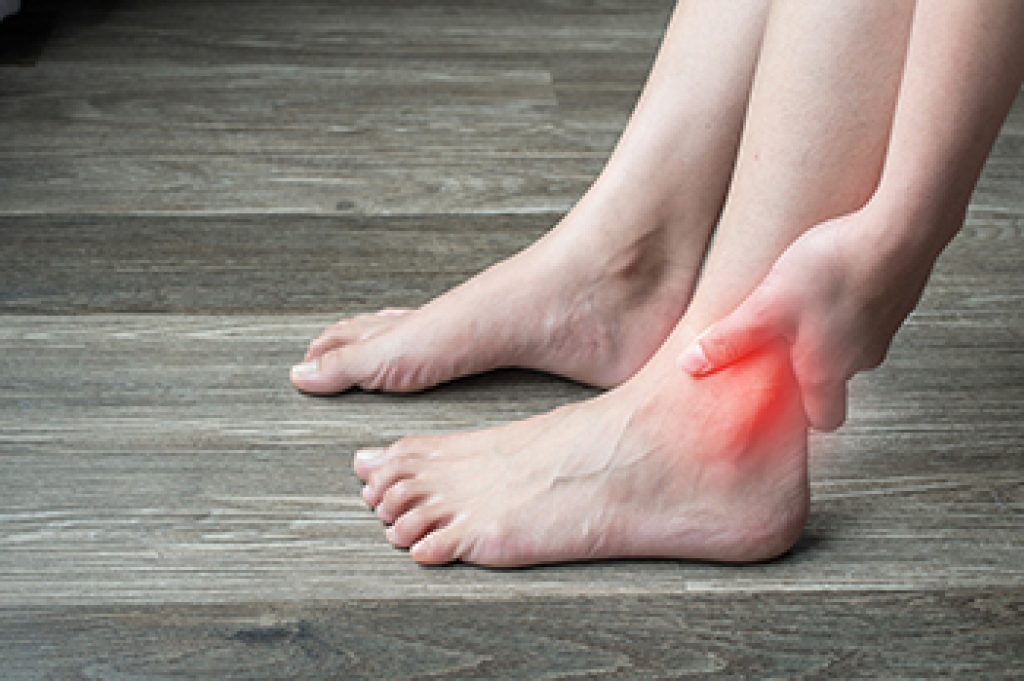
Pain on the outside of the ankle is often linked to peroneal tendonitis, a condition caused by inflammation of the peroneal tendons that run along the outer side of the ankle and foot. These tendons play a vital role in stabilizing the ankle and assisting with foot movement. Overuse from repetitive activities like running, jumping, or prolonged standing can irritate the tendons, especially in people with high arches, tight calf muscles, or a history of ankle sprains. Symptoms of peroneal tendonitis include swelling, weakness, pain that worsens with activity, and difficulty moving the foot outward. If left untreated, it can lead to ongoing discomfort and reduced mobility. A podiatrist can evaluate your symptoms, pinpoint the underlying cause, and provide effective treatment options, including activity modifications and bracing to promote healing, preventing further strain. If you have pain on the outside of your ankle, it is suggested that you schedule an appointment with a podiatrist for a diagnosis and treatment options.

Ankle pain can have many different causes and the pain may potentially be serious. If you have ankle pain, consult with Howard Abramsohn, DPM from Ambulatory Foot and Ankle Associates, LLC. Our doctor will assess your condition and provide you with quality foot and ankle treatment.

Ankle pain is any condition that causes pain in the ankle. Due to the fact that the ankle consists of tendons, muscles, bones, and ligaments, ankle pain can come from a number of different conditions.

Causes

The most common causes of ankle pain include:

  • Types of arthritis (rheumatoid, osteoarthritis, and gout)
  • Ankle sprains
  • Broken ankles
  • Achilles tendinitis
  • Achilles tendon rupture
  • Stress fractures
  • Tarsal tunnel syndrome
  • Plantar fasciitis

Symptoms

Symptoms of ankle injury vary based upon the condition. Pain may include general pain and discomfort, swelling, aching, redness, bruising, burning or stabbing sensations, and/or loss of sensation.

Diagnosis

Due to the wide variety of potential causes of ankle pain, podiatrists will utilize a number of different methods to properly diagnose ankle pain. This can include asking for personal and family medical histories and of any recent injuries. Further diagnosis may include sensation tests, a physical examination, and potentially x-rays or other imaging tests.

Treatment

Just as the range of causes varies widely, so do treatments. Some more common treatments are rest, ice packs, keeping pressure off the foot, orthotics and braces, medication for inflammation and pain, and surgery.

If you have any questions please feel free to contact our office located in Mt Laurel Township, NJ . We offer the newest diagnostic tools and technology to treat your foot and ankle needs.

Read more about Ankle Pain

Are You Suffering From Nerve Damage?

Neuropathy is a condition that can lead to numbness or loss of sensation in the feet, but it can also cause pain. This condition is more likely to develop for those who are diabetic, obese, or with high blood pressure.

Neuropathic Pain in Athletes

Neuropathic pain in athletes can stem from nerve damage or dysfunction in the feet and lower limbs, often presenting as burning, tingling, or shooting pain. Causes may include repetitive stress, direct trauma, or conditions like tarsal tunnel syndrome, where nerves are compressed. Diabetes, vitamin deficiencies, and excessive alcohol use can also increase the risk of nerve damage, although athletes may overlook these factors due to otherwise healthy lifestyles. The hidden dangers of neuropathic pain lie in its potential to impair performance, affect the feet, cause gait changes, and worsen with time if left untreated. Athletes may alter their stride to minimize discomfort which can lead to further injuries in the knees, hips, or back. If you are an athlete with neuropathic pain, it is suggested you consult a podiatrist who can help diagnose the root cause, assess nerve function, and create a treatment plan specific to you.

Neuropathy

Neuropathy can be a potentially serious condition, especially if it is left undiagnosed. If you have any concerns that you may be experiencing nerve loss in your feet, consult with Howard Abramsohn, DPM from Ambulatory Foot and Ankle Associates, LLC. Our doctor will assess your condition and provide you with quality foot and ankle treatment for neuropathy.

What Is Neuropathy?

Neuropathy is a condition that leads to damage to the nerves in the body. Peripheral neuropathy, or neuropathy that affects your peripheral nervous system, usually occurs in the feet. Neuropathy can be triggered by a number of different causes. Such causes include diabetes, infections, cancers, disorders, and toxic substances.

Symptoms of Neuropathy Include:

  • Numbness
  • Sensation loss
  • Prickling and tingling sensations
  • Throbbing, freezing, burning pains
  • Muscle weakness

Those with diabetes are at serious risk due to being unable to feel an ulcer on their feet. Diabetics usually also suffer from poor blood circulation. This can lead to the wound not healing, infections occurring, and the limb may have to be amputated.

Treatment

To treat neuropathy in the foot, podiatrists will first diagnose the cause of the neuropathy. Figuring out the underlying cause of the neuropathy will allow the podiatrist to prescribe the best treatment, whether it be caused by diabetes, toxic substance exposure, infection, etc. If the nerve has not died, then it’s possible that sensation may be able to return to the foot.

Pain medication may be issued for pain. Electrical nerve stimulation can be used to stimulate nerves. If the neuropathy is caused from pressure on the nerves, then surgery may be necessary.

If you have any questions, please feel free to contact our office located in Mt Laurel Township, NJ . We offer the newest diagnostic and treatment technologies for all your foot care needs.

Read more about Neuropathy

Managing Swollen Feet

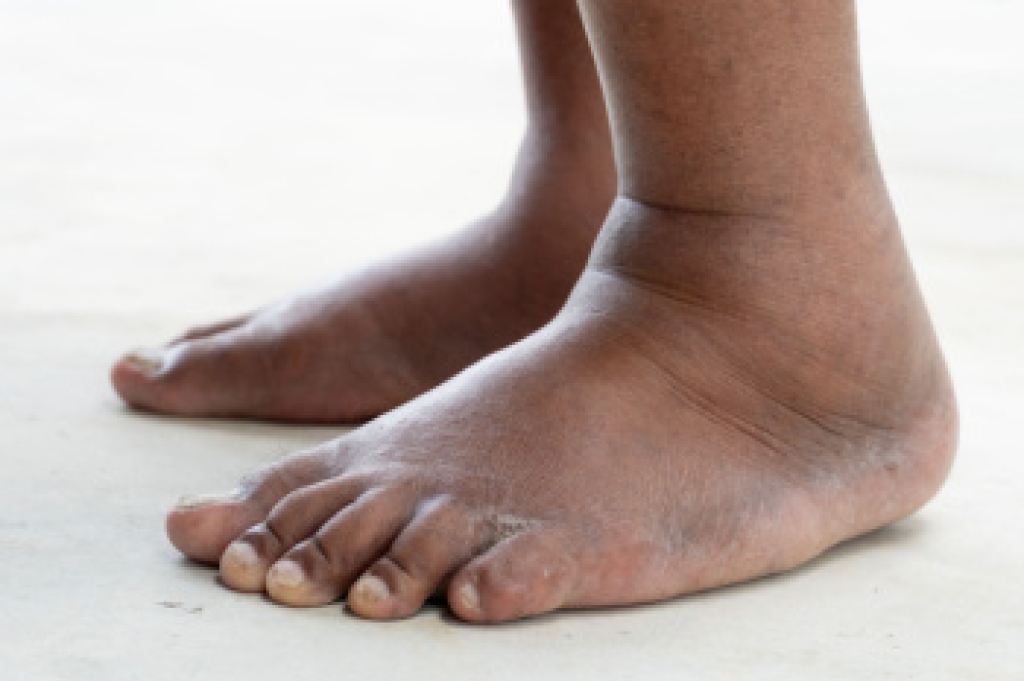
Swollen feet, a condition known as edema, is common among people with diabetes. Edema occurs when fluid builds up in the tissues, leading to puffiness, especially in the feet, ankles, and legs. Diabetes can contribute to edema due to poor circulation, nerve damage, or kidney problems, all of which make it harder for the body to regulate fluid properly. Symptoms of swollen feet include visible puffiness, tight or shiny skin, and discomfort. If left untreated, swelling can lead to complications, including infections or ulcers, especially in diabetic patients with reduced sensation in their feet. Treatment for edema typically involves elevating the feet, wearing compression socks, managing blood sugar levels, and limiting salt intake. In some cases, a podiatrist may recommend specific exercises or custom footwear to alleviate pressure. If you are experiencing swollen feet, it is suggested you schedule an appointment to see a podiatrist. Early intervention can prevent further complications and provide effective relief.

Swollen feet can be a sign of an underlying condition. If you have any concerns, contact Howard Abramsohn, DPM of Ambulatory Foot and Ankle Associates, LLC. Our doctor can provide the care you need to keep you pain-free and on your feet.

Swollen feet are a common ailment among pregnant women and people who stand or sit for extended periods. Aging may increase the possibility of swollen feet and patients who are obese often notice when their feet are swelling too. There may be medical reasons why swollen feet occur:

  • Phlebitis - A condition that causes the veins to become inflamed and can also cause leg pain.
  • Liver disease - This may lead to low blood levels of albumin which is a protein. This can cause fluid in the blood to pass into the tissues and several areas of the body can become swollen.
  • Heart failure - When the heart doesn’t pump properly the blood that is normally pumped back to the heart can pool in the veins of the legs causing swollen feet.
  • Kidney disease - One of the main functions of the kidneys is releasing excess fluid in the body. This type of condition can make it difficult for the kidneys to function properly, and as a result the feet may become swollen.
  • Deep-vein thrombosis (DVT)- This is a serious condition where blood clots form in the veins of the legs. They can block the return of blood from the legs to the heart which may cause the feet to swell. It is important to be treated by a podiatrist if this condition is present.

Swollen feet can also be caused by bone and tendon conditions, including fractures, arthritis, and tendinitis. Additionally, there may be skin and toenail conditions and an infection may cause the feet to swell. Patients who take medicine to treat high blood pressure may be prone to getting swollen feet. 

Many patients elevate their feet to help relieve the swelling and this is generally a temporary remedy. When a podiatrist is consulted the reason behind the swelling can be uncovered and subsequently treated.

If you have any questions please contact our office located in Mt Laurel Township, NJ . We offer the newest diagnostic and treatment technologies for all your foot and ankle needs.

Read more about Swelling of the Feet

Connect With Us