We are now hiring! If interested, please call us at (856) 234-5180.

Understanding Slow Wound Healing in Diabetic Patients

Wound healing is a complex process that can be significantly delayed in diabetic patients due to various physiological factors. High blood sugar levels characteristic of diabetes can impair the body's ability to repair damaged tissue by disrupting the function of immune cells, such as macrophages and neutrophils, responsible for combating infections and initiating the healing process. Additionally, diabetes often leads to poor circulation, reducing the delivery of oxygen and nutrients to the site of the wound, which is essential for tissue regeneration. Peripheral neuropathy, another common complication of diabetes, causes nerve damage and diminishes sensation in the extremities, making it difficult for patients to detect injuries and ulcers in their early stages. Furthermore, compromised immune function and increased susceptibility to infections further hinder the healing process. Managing blood sugar levels, maintaining proper foot care, and seeking prompt medical attention for wounds are crucial steps in minimizing the risk of complications and promoting effective wound healing in diabetic individuals. If you have diabetes, it is strongly suggested that you are under the care of a podiatrist who can provide you with effective wound prevention tips, in addition to helping you manage this serious condition.

Wound care is an important part in dealing with diabetes. If you have diabetes and a foot wound or would like more information about wound care for diabetics, consult with Howard Abramsohn, DPM from Ambulatory Foot and Ankle Associates, LLC. Our doctor will assess your condition and provide you with quality foot and ankle treatment.

What Is Wound Care?

Wound care is the practice of taking proper care of a wound. This can range from the smallest to the largest of wounds. While everyone can benefit from proper wound care, it is much more important for diabetics. Diabetics often suffer from poor blood circulation which causes wounds to heal much slower than they would in a non-diabetic. 

What Is the Importance of Wound Care?

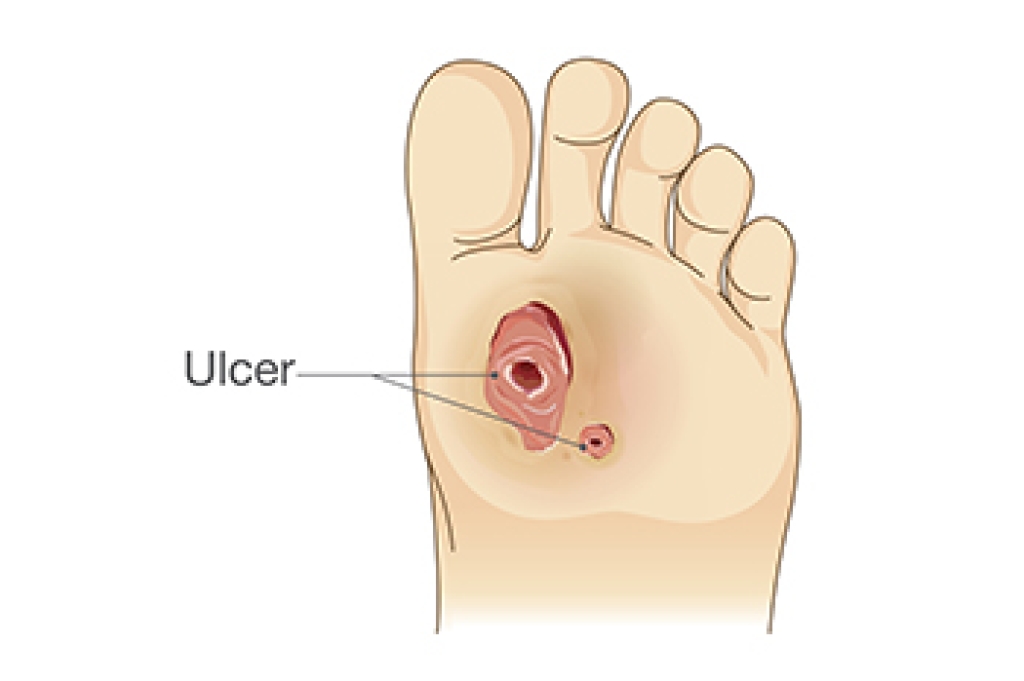
While it may not seem apparent with small ulcers on the foot, for diabetics, any size ulcer can become infected. Diabetics often also suffer from neuropathy, or nerve loss. This means they might not even feel when they have an ulcer on their foot. If the wound becomes severely infected, amputation may be necessary. Therefore, it is of the upmost importance to properly care for any and all foot wounds.

How to Care for Wounds

The best way to care for foot wounds is to prevent them. For diabetics, this means daily inspections of the feet for any signs of abnormalities or ulcers. It is also recommended to see a podiatrist several times a year for a foot inspection. If you do have an ulcer, run the wound under water to clear dirt from the wound; then apply antibiotic ointment to the wound and cover with a bandage. Bandages should be changed daily and keeping pressure off the wound is smart. It is advised to see a podiatrist, who can keep an eye on it.

If you have any questions please contact our office located in Mt Laurel Township, NJ . We offer the newest diagnostic and treatment technologies for all your foot and ankle needs.


Read more about Wound Care

Heel Pain Can Be Treated!

Do you suffer from heel pain when you get up in the morning? If so, you should seek professional help and have a proper diagnosis performed. Heel pain can be caused by several different foot-related conditions.

Bursitis as a Cause of Heel Pain

Bursa, an important cushion between your muscles and bone, can sometimes cause heel pain if it becomes inflamed or irritated. This condition, called bursitis, often occurs due to repetitive stress on the ankle from running, jumping, and walking. Bursitis in the heel can make activities like walking or standing for long periods painful. Your heel may also be red and tender to the touch. You may be at an increased risk for this condition if you have a history of inflammatory arthritis or suddenly start intense workout routines. The good news is that with proper care and attention, individuals with heel pain from bursitis can find relief and improve their overall foot health. If you are experiencing persistent heel pain, it is suggested that you consult a podiatrist who can diagnose the source of the pain, and provide personalized treatment.

Many people suffer from bouts of heel pain. For more information, contact Howard Abramsohn, DPM of Ambulatory Foot and Ankle Associates, LLC. Our doctor can provide the care you need to keep you pain-free and on your feet.

Causes of Heel Pain

Heel pain is often associated with plantar fasciitis. The plantar fascia is a band of tissues that extends along the bottom of the foot. A rip or tear in this ligament can cause inflammation of the tissue.

Achilles tendonitis is another cause of heel pain. Inflammation of the Achilles tendon will cause pain from fractures and muscle tearing. Lack of flexibility is also another symptom.

Heel spurs are another cause of pain. When the tissues of the plantar fascia undergo a great deal of stress, it can lead to ligament separation from the heel bone, causing heel spurs.

Why Might Heel Pain Occur?

  • Wearing ill-fitting shoes                
  • Wearing non-supportive shoes
  • Weight change           
  • Excessive running

Treatments

Heel pain should be treated as soon as possible for immediate results. Keeping your feet in a stress-free environment will help. If you suffer from Achilles tendonitis or plantar fasciitis, applying ice will reduce the swelling. Stretching before an exercise like running will help the muscles. Using all these tips will help make heel pain a condition of the past.

If you have any questions, please feel free to contact our office located in Mt Laurel Township, NJ . We offer the newest diagnostic and treatment technologies for all your foot care needs.

Read more about Heel Pain

How to Recognize Charcot Foot

Charcot-Marie-Tooth, or CMT disease, is a genetic condition that affects the peripheral nerves. It can be recognized by progressive muscle weakness, particularly in the arms and legs. The condition is named after Jean Charcot, Pierre Marie, and Howard Henry Tooth, the physicians who first described it. Symptoms of Charcot foot often begin in adolescence or early adulthood and may include weakness and wasting of muscles in the foot and lower leg, as well as a loss of sensation in toes, and lower limbs. Additional symptoms can include abnormalities in foot muscles, unstable ankles, cramping in lower legs, and reduced reflexes. Over time, symptoms may worsen, leading to increased muscle and joint pain, neuropathic pain, and walking and mobility problems. Assistive devices, such as wheelchairs, leg braces, special shoes, or orthopedic devices, play an essential role in managing Charcot-Marie-Tooth disease. If you believe you may be experiencing symptoms of CMT, it is suggested that you schedule an appointment with a podiatrist for a comprehensive assessment and personalized care planning.

Some foot conditions may require additional professional care. If you have any concerns, contact Howard Abramsohn, DPM of Ambulatory Foot and Ankle Associates, LLC. Our doctor can provide the care you need to keep you pain-free and on your feet.

Rare Foot Conditions

The majority of foot conditions are common and can be treated by a podiatrist.  Standard diagnostic procedures are generally used to identify specific conditions and treatment can be rendered. A podiatrist also treats rare foot conditions which can be difficult to diagnose and may need extra attention and care. 

There are many rare foot conditions that can affect children. Some of these can include:

  • Freiberg’s disease
  • Kohler’s disease
  • Maffucci syndrome

Freiberg’s disease - This can be seen as a deterioration and flattening of a metatarsal bone that exists in the ball of the foot. It typically affects pre-teen and teenage girls, but can affect anyone at any age. Symptoms that can accompany this can be swelling, stiffness, and the patient may limp. 

Kohler’s disease - This often targets the bone in the arch of the foot and affects younger boys. It can lead to an interruption of the blood supply which ultimately can lead to bone deterioration. The patient may limp or experience tenderness, swelling, and redness.

Maffucci syndrome - This affects the long bones in a child’s foot leading to the development of abnormal bone lesions. They are benign growths and typically develop in early childhood and the bones may be susceptible to breaking. 

A podiatrist can properly diagnose and treat all types of rare foot conditions. If your child is affected by any of these symptoms or conditions, please don’t hesitate to call our office so the correct treatment method can begin.

If you have any questions, please feel free to contact our office located in Mt Laurel Township, NJ . We offer the newest diagnostic and treatment technologies for all your foot care needs.

Read more about Rare Foot Conditions

Causes of Big Toe Pain

Pain in the big toe can be attributed to various causes, including arthritis, fractures, and gout. While most cases are manageable with conservative remedies, certain conditions like sesamoiditis may necessitate more specialized treatment. Arthritis, specifically hallux rigidus, is a common culprit, often affecting individuals over the age of 50, particularly women. Ingrown toenails can also lead to discomfort when toenails are cut too short or improperly. Gout, characterized by the buildup of uric acid in joints, frequently targets the big toe joint. Turf toe, a sports-related injury resulting from repetitive bending or jamming, is more prevalent among athletes on artificial turf. Sesamoiditis, common in runners and ballet dancers, results from inflammation of tendons around the sesamoid bones below the big toe. Toe fractures are commonplace due to various activities or accidents. Bunions, deformities at the base of the big toe, can cause discomfort and joint inflammation. Other potential causes encompass nail infections, Raynaud's disease, Morton's neuroma, and rheumatoid arthritis. If you have unexplained, persistent big toe pain, or if it is worsening, it is suggested that you schedule an appointment with a podiatrist for diagnosis and treatment.

Toe pain can disrupt your daily activities. If you have any concerns, contact Howard Abramsohn, DPM of Ambulatory Foot and Ankle Associates, LLC. Our doctor can provide the care you need to keep you pain-free and on your feet.

What Causes Toe Pain?

Most severe toe pain is caused due to a sports injury, trauma from dropping something heavy on the toe, or bumping into something rigid. Other problems can develop over time for various reasons.

Toe pain can be caused by one or more ailments. The most common include:

  • Trauma
  • Sports injury
  • Wearing shoes that are too tight
  • Arthritis
  • Gout
  • Corns and calluses
  • Hammertoe
  • Bunions
  • Blisters
  • Ingrown toenails
  • Sprains
  • Fractures (broken bones)
  • Dislocations

When to See a Podiatrist

  • Severe pain
  • Persistent pain that lasts more than a week
  • Signs of infection
  • Continued swelling
  • Pain that prevents walking

Diagnosis

In many cases the cause of toe pain is obvious, but in others, a podiatrist may want to use more advanced methods to determine the problem. These can range from simple visual inspections and sensation tests to X-rays and MRI scans. Prior medical history, family medical history, and any recent physical traumatic events will all be taken into consideration for a proper diagnosis.

Treatment

Treatments for toe pain and injuries vary and may include shoe inserts, padding, taping, medicines, injections, and in some cases, surgery. If you believe that you have broken a toe, please see a podiatrist as soon as possible.

If you have any questions please contact our office located in Mt Laurel Township, NJ . We offer the newest diagnostic and treatment technologies for all your foot and ankle needs.
Read more about Toe Pain

Connect With Us