
We are now hiring! If interested, please call us at (856) 234-5180.

What Is an Ingrown Toenail?

An ingrown toenail is one of the most painful foot conditions to have. It happens when the nail grows into the skin instead of over it. This can happen for various reasons including wearing shoes and socks that are too tight, cutting the toenail incorrectly, and possibly from a toe injury. Some patients develop an ingrown toenail because of the shape of the nail or from poor foot hygiene. Diabetic people may be prone to ingrown toenails because of reduced blood flow to the feet. Additionally, experiencing toenail fungus frequently may lead to an ingrown toenail, and this can cause the nail to become brittle and put pressure on the surrounding skin. Many people are unaware that having poor posture may put extra weight on the toes too, therefore increasing the chances of getting an ingrown toenail. If you have existing or recurring ingrown toenails, it is strongly suggested that you consult a podiatrist who can offer you relief and treatment techniques.

Ingrown toenails can become painful if they are not treated properly. For more information about ingrown toenails, contact Howard Abramsohn, DPM of Ambulatory Foot and Ankle Associates, LLC. Our doctor can provide the care you need to keep you pain-free and on your feet.

Ingrown Toenails

Ingrown toenails occur when a toenail grows sideways into the bed of the nail, causing pain, swelling, and possibly infection.

Causes

  • Bacterial infections
  • Improper nail cutting such as cutting it too short or not straight across
  • Trauma to the toe, such as stubbing, which causes the nail to grow back irregularly
  • Ill-fitting shoes that bunch the toes too close together
  • Genetic predisposition

Prevention

Wearing proper fitting shoes and using proper cutting techniques will also help decrease your risk of developing ingrown toenails.

Treatment

Ingrown toenails are a very treatable foot condition. In minor cases, soaking the affected area in salt or antibacterial soaps will not only help with the ingrown nail itself, but also help prevent any infections from occurring. In more severe cases, surgery is an option. In either case, speaking to your podiatrist about this condition will help you get a better understanding of specific treatment options that are right for you.

If you have any questions, please feel free to contact our office located in Mt Laurel Township, NJ . We offer the newest diagnostic and treatment technologies for all your foot care needs.

Read more about Ingrown Toenail Care

Get Professional Care for a Broken Foot or Ankle

Constant care and regular evaluation are important for a foot or ankle fracture. If left untreated, foot or ankle fractures can worsen over time and create more serious problems.

Don't wait to be examined if you believe you've experienced a foot or ankle fracture.

Common Foot Problems Among Seniors

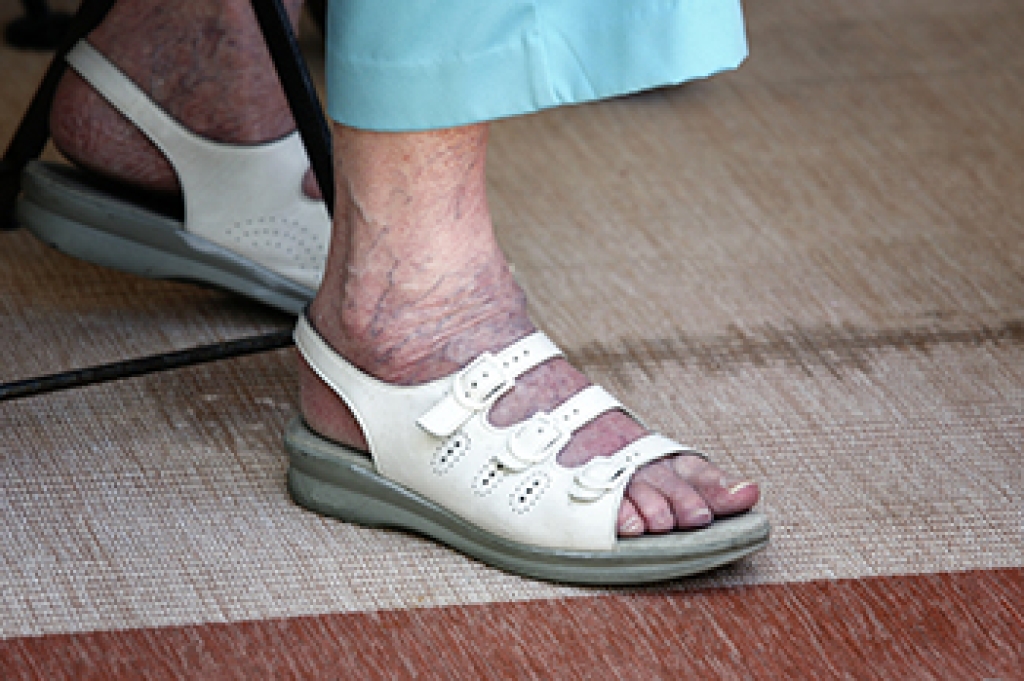
About one-third of people over the age of 65 have foot problems that affect their daily lives. Some of these are simply the result of 65 years of standing, walking, running, and jumping. Joints stiffen, muscles get tired, arches flatten, heel padding thins out, and ligaments loosen. According to the American Geriatric Society, podiatrists see more older patients than any other age group. Underlying health conditions, such as diabetes, heart disease, and arthritis, often contribute to developing foot ailments like neuropathy and peripheral artery disease. Among the most common foot problems in seniors are deformities such as bunions and hammertoes. In addition, as everyday foot care becomes either more difficult or less frequent, seniors are more likely to develop ingrown toenails, corns, and calluses. Other common foot problems include gout, cracked heels, and plantar fasciitis. It is a good idea for seniors to make regular appointments with a podiatrist, who can help to treat and monitor any foot problems.  

Proper foot care is something many older adults forget to consider. If you have any concerns about your feet and ankles, contact Howard Abramsohn, DPM from Ambulatory Foot and Ankle Associates, LLC. Our doctor can provide the care you need to keep you pain-free and on your feet.

The Elderly and Their Feet

As we age we start to notice many changes in our body, but the elder population may not notice them right away. Medical conditions may prevent the elderly to take notice of their foot health right away. Poor vision is a lead contributor to not taking action for the elderly.

Common Conditions 

  • Neuropathy – can reduce feeling in the feet and can hide many life-threatening medical conditions.
  • Reduced flexibility – prevents the ability of proper toenail trimming, and foot cleaning. If left untreated, it may lead to further medical issues.
  • Foot sores – amongst the older population can be serious before they are discovered. Some of the problematic conditions they may face are:
  • Gouging toenails affecting nearby toe
  • Shoes that don’t fit properly
  • Pressure sores
  • Loss of circulation in legs & feet
  • Edema & swelling of feet and ankles

Susceptible Infections

Diabetes and poor circulation can cause general loss of sensitivity over the years, turning a simple cut into a serious issue.

If you have any questions, please feel free to contact our office located in Mt Laurel Township, NJ . We offer the newest diagnostic and treatment technologies for all your foot care needs.
Read more about Elderly Foot Care

Methods That Can Determine the Right Shoe Size

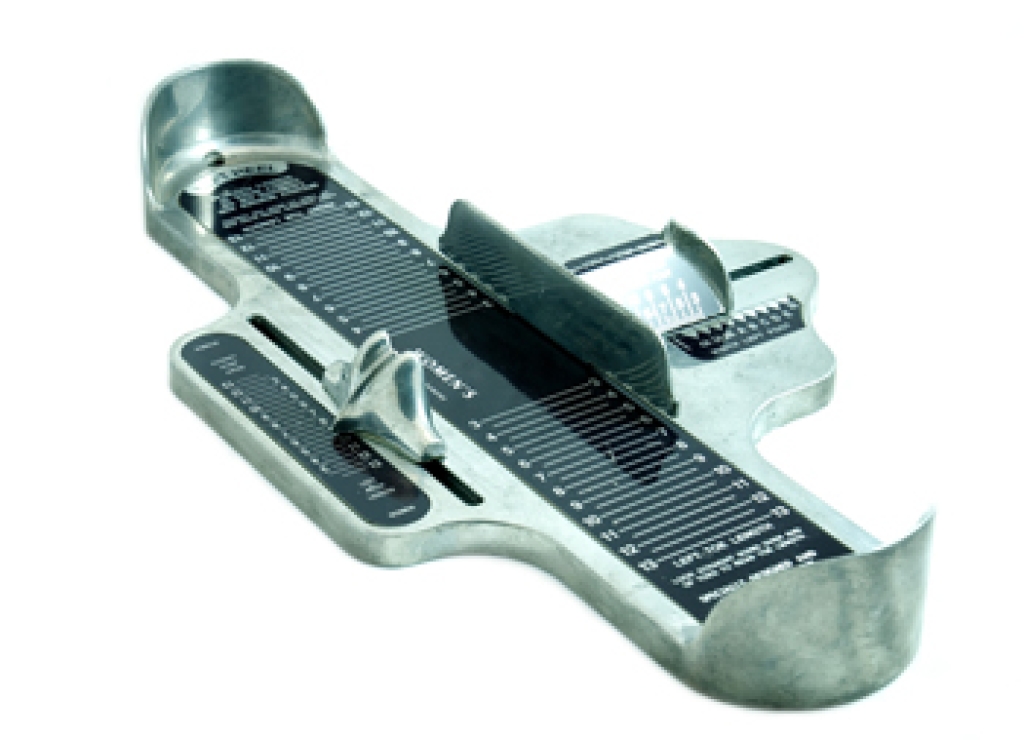
The first place to start when determining the correct shoe size is by measuring your feet. Research has indicated that a large percentage of people worldwide are wearing the wrong shoe size. This often results in developing unwanted foot conditions consisting of corns, calluses, and blisters. To obtain the correct shoe size, it is beneficial to measure your feet at the end of the day when they are at their largest. The majority of shoe stores have a Brannock device which can accurately measure the feet. Conversely, many people choose to measure their feet at home, and this is done by standing on a piece of paper, and tracing the outline of each foot, followed by measuring them. At this point, the measurements can be compared to a size chart, and the correct shoe size can be determined. While in the shoe store, it is beneficial to try on both shoes and walk for a short time in them, which is helpful in ensuring a comfortable fit. If you have questions about how to get your right shoe size, please do not hesitate to consult a podiatrist who can provide you with the information you are seeking. 

Getting the right shoe size is an important part of proper foot health. Seek the assistance of Howard Abramsohn, DPM from Ambulatory Foot and Ankle Associates, LLC. Our doctor will provide the care you need to keep you pain-free and on your feet.

Getting the Right Shoe Size

There are many people who wear shoes that are the incorrect size, negatively affecting their feet and posture. Selecting the right shoes is not a difficult process, so long as you keep several things in mind when it comes to choosing the right pair.

  • When visiting the shoe store, use the tools available to measure your foot.
  • Be sure there is ‘wiggle room’. There should be about an inch between your toes and the tip of your shoes.
  • Do not always assume you are the same size, as manufacturers run differently.
  • Purchase shoes later in the day, as your feet swell as the day progresses.
  • If a shoe is not comfortable, it is not suitable. Most shoes can’t be ‘broken in’, and comfort should be the ultimate goal when it comes to choosing the right pair of shoes

As our feet hold our body weight and keep us moving, it is important to treat them right. Picking the right pair of shoes can provide your feet comfort and mobility without pain.

If you have any questions, please feel free to contact our office located in Mt Laurel Township, NJ . We offer the newest diagnostic and treatment technologies for all your foot care needs.
Read more about Getting the Right Shoe Size: To Keep Your Feet Happy

What Is an Ankle Avulsion Fracture?

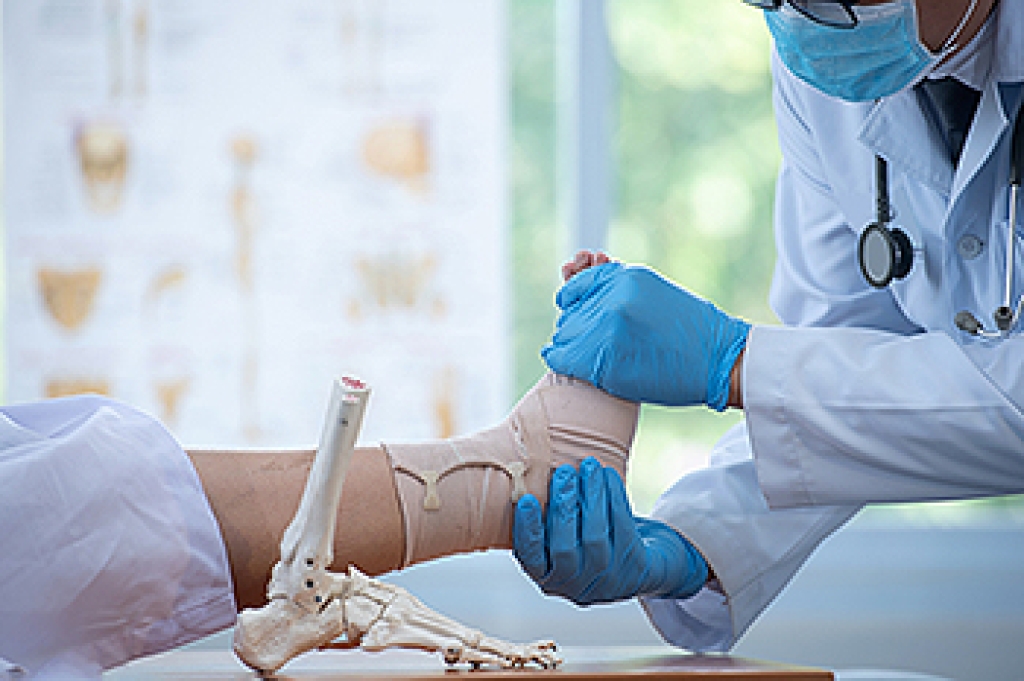
A broken ankle is a serious injury that can cause immense pain. The tissues surrounding a broken ankle may be affected by this injury. Additionally, there are nerves, tendons, ligaments, and muscles that may be damaged, and the entire foot must recover for daily activities to resume. There are things that can be controlled that may help to accelerate healing. These can include stopping smoking, controlling existing medical conditions like diabetes, and reevaluating medication that may slow down the healing process. A specific type of ankle fracture is referred to as an ankle avulsion. This type of break can happen as a result of a small piece of the ankle bone being pulled away from the surrounding ligament or tendon. This generally happens from a sudden injury, and typically causes pain and discomfort. Swelling can be part of the healing process and can change daily based on the type of activity that is pursued, the time of day, and the position the foot is in. The swelling can be eased when the foot is frequently elevated, and the amount of rest and activity are balanced as desired. A broken ankle requires the expert medical attention of a podiatrist, and it is suggested that you consult with this type of doctor who can offer you the best treatment methods.

Broken ankles need immediate treatment. If you are seeking treatment, contact Howard Abramsohn, DPM from Ambulatory Foot and Ankle Associates, LLC. Our doctor can provide the care you need to keep you pain-free and on your feet. 

Broken Ankles
A broken ankle is experienced when a person fractures their tibia or fibula in the lower leg and ankle area. Both of these bones are attached at the bottom of the leg and combine to form what we know to be our ankle.

When a physician is referring to a break of the ankle, he or she is usually referring to a break in the area where the tibia and fibula are joined to create our ankle joint. Ankles are more prone to fractures because the ankle is an area that suffers a lot of pressure and stress. There are some obvious signs when a person experiences a fractured ankle, and the following symptoms may be present.

Symptoms of a Fractured Ankle

  • Excessive pain when the area is touched or when any pressure is placed on the ankle
  • Swelling around the area
  • Bruising of the area
  • Area appears to be deformed

If you suspect an ankle fracture, it is recommended to seek treatment as soon as possible. The sooner you have your podiatrist diagnose the fracture, the quicker you’ll be on the way towards recovery.

If you have any questions, please feel free to contact our office located in Mt Laurel Township, NJ . We offer the newest diagnostic and treatment technologies for all your foot care needs.

Read more about All About Broken Ankles

Connect With Us