We are now hiring! If interested, please call us at (856) 234-5180.

Rugby and Foot Injuries

In the world of rugby, players frequently grapple with the physical demands of their sport, including that associated with tackles and rapid bursts of running. These actions place immense strain on the feet and ankles, crucial for balance and propulsion in scrums or while evading tackles. Proper form is paramount, especially when deadlifting and squatting. In junior and adolescent rugby, common foot related issues include Osgood-Schlatter's and Sinding-Larsen-Johansson syndrome, which cause knee pain, as well as Sever's disease, leading to heel discomfort. Shin splints and ankle sprains are also prevalent. Senior rugby players encounter additional concerns such as forefoot pain, calf and hamstring tears, and conditions that can include plantar fasciitis and Achilles tendon pain. Preventing and treating these issues involves assessments, tailored treatments, and analyzing movement patterns. It is also beneficial to address structural problems, and incorporate strength programs and balance training. Treatments range from strapping and having footwear assessments to orthotics and advanced rehabilitation techniques. If you or your child plays rugby, and especially if either one of you has endured a foot or ankle injury, it is suggested that you make an appointment with a podiatrist for further advice and necessary treatment.

Sports related foot and ankle injuries require proper treatment before players can go back to their regular routines. For more information, contact Howard Abramsohn, DPM of Ambulatory Foot and Ankle Associates, LLC. Our doctor can provide the care you need to keep you pain-free and on your feet.

Sports Related Foot and Ankle Injuries

Foot and ankle injuries are a common occurrence when it comes to athletes of any sport. While many athletes dismiss the initial aches and pains, the truth is that ignoring potential foot and ankle injuries can lead to serious problems. As athletes continue to place pressure and strain the area further, a mild injury can turn into something as serious as a rupture and may lead to a permanent disability. There are many factors that contribute to sports related foot and ankle injuries, which include failure to warm up properly, not providing support or wearing bad footwear. Common injuries and conditions athletes face, including:

  • Plantar Fasciitis
  • Achilles Tendinitis
  • Achilles Tendon Rupture
  • Ankle Sprains

Sports related injuries are commonly treated using the RICE method. This includes rest, applying ice to the injured area, compression and elevating the ankle. More serious sprains and injuries may require surgery, which could include arthroscopic and reconstructive surgery. Rehabilitation and therapy may also be required in order to get any recovering athlete to become fully functional again. Any unusual aches and pains an athlete sustains must be evaluated by a licensed, reputable medical professional.

If you have any questions please contact our office located in Mt Laurel Township, NJ . We offer the newest diagnostic and treatment technologies for all your foot and ankle needs.

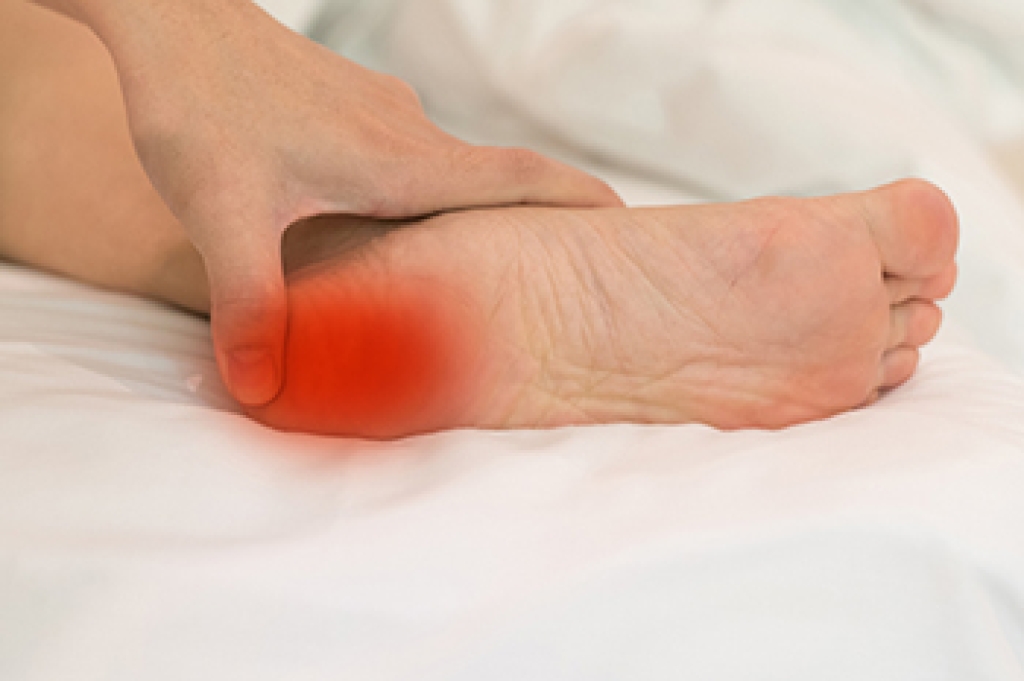
Read more about Sports Related Foot And Ankle Injuries

Gout Pain Can Be Managed

Gout is a painful, inflammatory form of arthritis. Those affected will typically feel an intense stiffness in the joints of their feet, particularly in the big toe. Schedule a visit to learn about how gout can be managed and treated.

Age-Related Foot Problems

Older adults with foot problems often suffer from an increased risk of frailty, fall-related risks, and gait abnormalities. Foot problems are common among those who are older but do not differ by gender. Body fat percentage is more strongly associated with foot pain than body mass index, possibly due to the inflammatory effects of adipose tissue. Foot problems also cause weakness and exhaustion. Elderly patients with foot problems, especially those with foot pain and neuropathy, walk slower and have altered gait patterns. These issues also reduce the level and pattern of physical activity, which could accelerate frailty in this population. If you are older or taking care of someone who is, it is strongly suggested that you make an appointment with a podiatrist and seek regular exams to keep your feet as problem-free and healthy as possible. Doing so helps ensure increased safety, easier mobility, and greater independence.

Proper foot care is something many older adults forget to consider. If you have any concerns about your feet and ankles, contact Howard Abramsohn, DPM from Ambulatory Foot and Ankle Associates, LLC. Our doctor can provide the care you need to keep you pain-free and on your feet.

The Elderly and Their Feet

As we age we start to notice many changes in our body, but the elder population may not notice them right away. Medical conditions may prevent the elderly to take notice of their foot health right away. Poor vision is a lead contributor to not taking action for the elderly.

Common Conditions 

  • Neuropathy – can reduce feeling in the feet and can hide many life-threatening medical conditions.
  • Reduced flexibility – prevents the ability of proper toenail trimming, and foot cleaning. If left untreated, it may lead to further medical issues.
  • Foot sores – amongst the older population can be serious before they are discovered. Some of the problematic conditions they may face are:
  • Gouging toenails affecting nearby toe
  • Shoes that don’t fit properly
  • Pressure sores
  • Loss of circulation in legs & feet
  • Edema & swelling of feet and ankles

Susceptible Infections

Diabetes and poor circulation can cause general loss of sensitivity over the years, turning a simple cut into a serious issue.

If you have any questions, please feel free to contact our office located in Mt Laurel Township, NJ . We offer the newest diagnostic and treatment technologies for all your foot care needs.

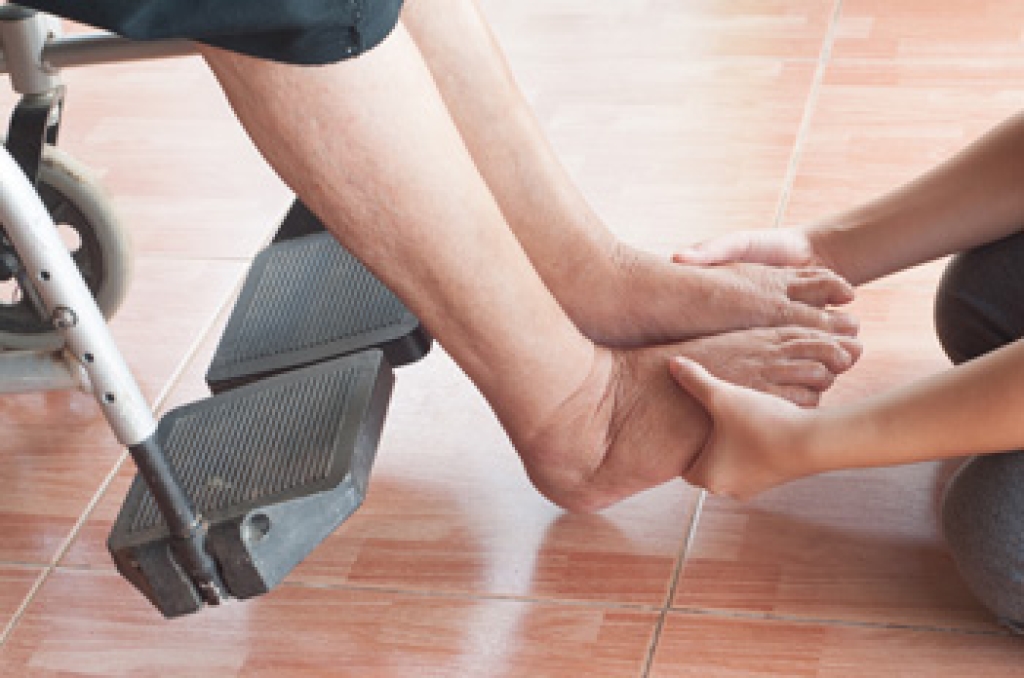
Read more about Elderly and their Feet

Causes and Symptoms of Athlete’s Foot

Athlete's foot, a common fungal skin infection known as tinea, is often caused by dermatophytes that live on the skin's surface. These fungi thrive in warm and damp places, like public swimming pools, gyms, and locker rooms, which are spots that athletes often visit. While anyone can get athlete's foot because it is highly contagious, men tend to get it more than women. The fungi also live in places on the skin that are warm and moist, such as the areas between the toes where sweat collects. Athlete's foot can spread when shoes rub against the skin, creating openings for the fungus to enter. Wearing closed shoes or dirty socks on a regular basis also might make you more prone to this condition. The athlete’s foot fungus can easily be spread by touching infected skin directly or indirectly. Walking on wet floors where the fungi live or sharing towels that may be infected can spread the infection. If athlete’s foot infections are advanced, it is suggested that you make an appointment with a podiatrist for treatment.

Athlete’s foot is an inconvenient condition that can be easily reduced with the proper treatment. If you have any concerns about your feet and ankles, contact Howard Abramsohn, DPM from Ambulatory Foot and Ankle Associates, LLC.  Our doctor will treat your foot and ankle needs.

Athlete’s Foot: The Sole Story

Athlete's foot, also known as tinea pedis, can be an extremely contagious foot infection. It is commonly contracted in public changing areas and bathrooms, dormitory style living quarters, around locker rooms and public swimming pools, or anywhere your feet often come into contact with other people.

Solutions to Combat Athlete’s Foot

  • Hydrate your feet by using lotion
  • Exfoliate
  • Buff off nails
  • Use of anti-fungal products
  • Examine your feet and visit your doctor if any suspicious blisters or cuts develop

Athlete’s foot can cause many irritating symptoms such as dry and flaking skin, itching, and redness. Some more severe symptoms can include bleeding and cracked skin, intense itching and burning, and even pain when walking. In the worst cases, Athlete’s foot can cause blistering as well. Speak to your podiatrist for a better understanding of the different causes of Athlete’s foot, as well as help in determining which treatment options are best for you.

If you have any questions please feel free to contact our office located in Mt Laurel Township, NJ . We offer the newest diagnostic and treatment technologies for all your foot and ankle needs.
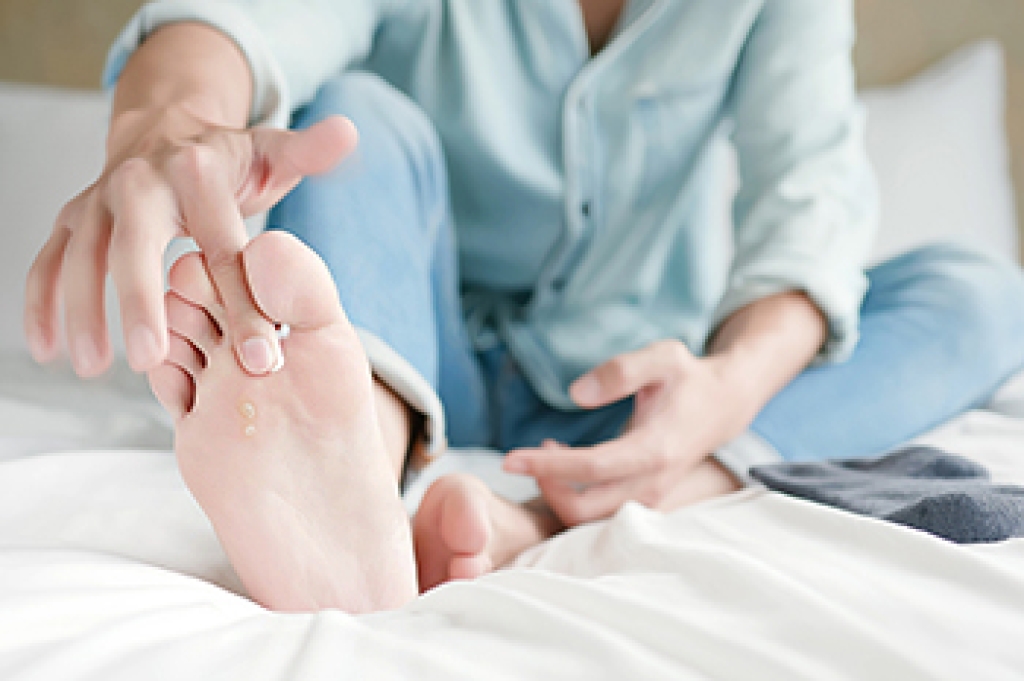
Read more about Athlete's Foot

Causes and Effective Treatment Techniques for Sever’s Disease

Sever's disease, a prevalent but misunderstood condition among growing adolescents, can introduce pain and discomfort in children and young teenagers. Contrary to its name, it's not a disease, but rather a heel disorder. It occurs when the growth plate in the heel becomes inflamed due to repetitive stress from physical activities. Common among active children during growth spurts, Sever's disease typically causes heel pain, particularly during exercise. Getting adequate rest and taking over-the-counter pain relievers can provide temporary relief. Long-term management involves adjusting activity levels, incorporating supportive footwear, and considering orthotic inserts. Stretching exercises targeting calf muscles and tendons may help to alleviate pressure. Seeking medical guidance from a podiatrist ensures an accurate diagnosis and tailored treatment plan, allowing young athletes to continue their pursuits with minimized discomfort. If your child has heel pain, it is strongly suggested you contact this type of doctor who can effectively diagnose and treat Sever’s disease.

Sever's disease often occurs in children and teens. If your child is experiencing foot or ankle pain, see Howard Abramsohn, DPM from Ambulatory Foot and Ankle Associates, LLC. Our doctor can treat your child’s foot and ankle needs.

Sever’s Disease

Sever’s disease is also known as calcaneal apophysitis, which is a medical condition that causes heel pain I none or both feet. The disease is known to affect children between the ages of 8 and 14.

Sever’s disease occurs when part of the child’s heel known as the growth plate (calcaneal epiphysis) is attached to the Achilles tendon. This area can suffer injury when the muscles and tendons of the growing foot do not keep pace with bone growth. Therefore, the constant pain which one experiences at the back of the heel will make the child unable to put any weight on the heel. The child is then forced to walk on their toes.

Symptoms

Acute pain – Pain associated with Sever’s disease is usually felt in the heel when the child engages in physical activity such as walking, jumping and or running.

Highly active – Children who are very active are among the most susceptible in experiencing Sever’s disease, because of the stress and tension placed on their feet.

If you have any questions, please feel free to contact our office located in Mt Laurel Township, NJ . We offer the newest diagnostic and treatment technologies for all your foot care needs.

Read more about Sever's Disease

Connect With Us