We are now hiring! If interested, please call us at (856) 234-5180.

Managing an Ingrown Toenail

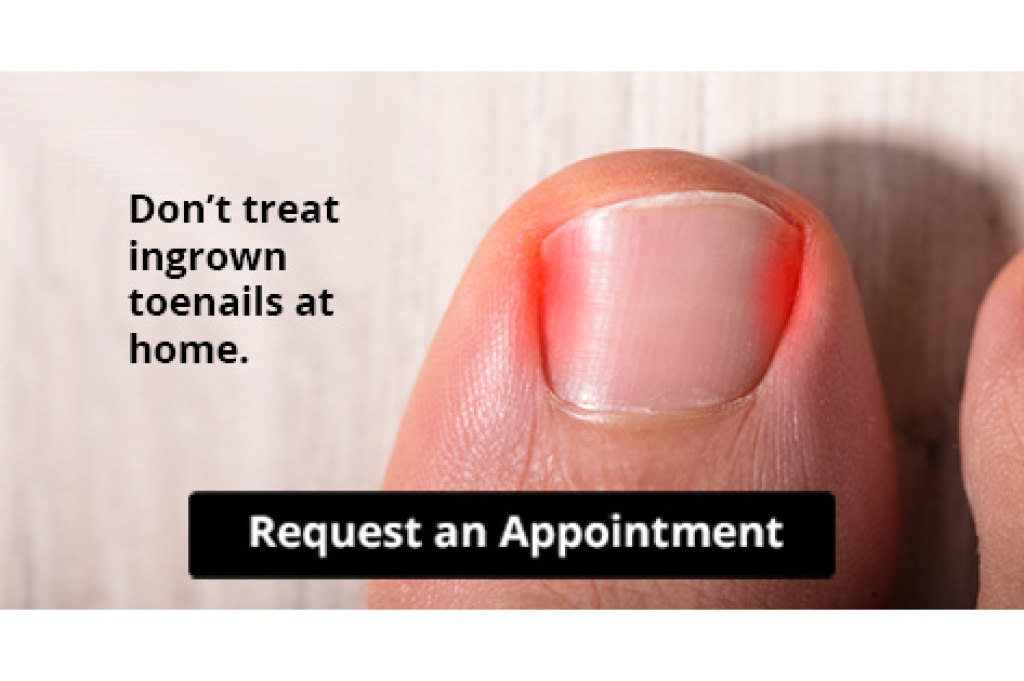
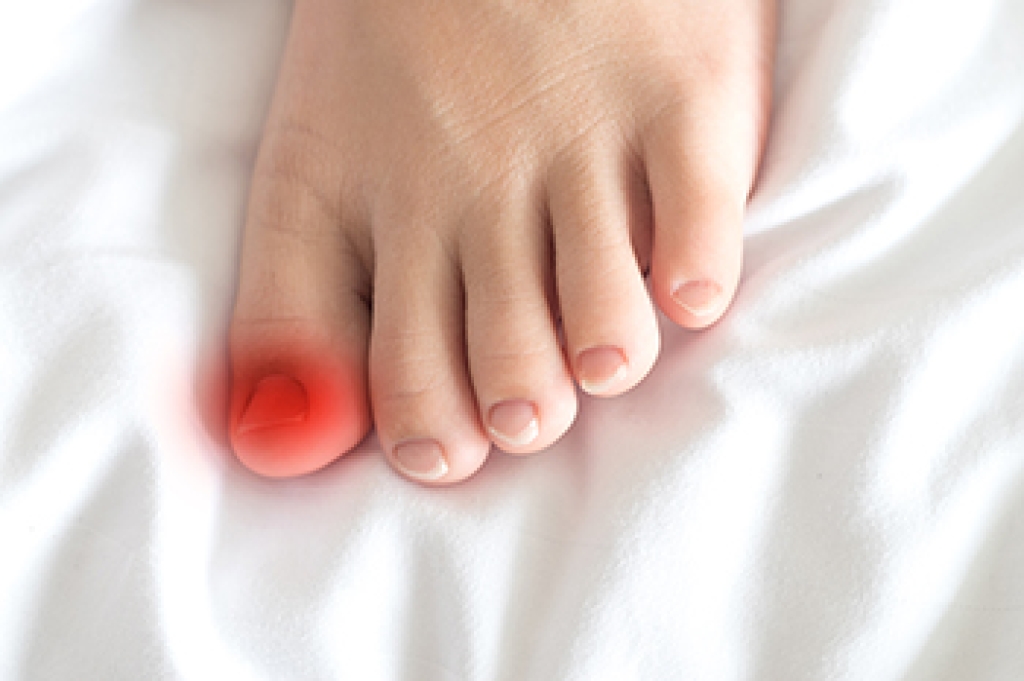
Onychocryptosis, commonly known as an ingrown toenail, occurs when the edge of a toenail grows into the surrounding skin, leading to pain, swelling, and sometimes infection. This condition often affects the big toe and can result from improper nail trimming, tight footwear, or injury to the toe. Managing an ingrown toenail involves several steps to alleviate discomfort and promote healing. Soaking the affected foot in warm water can soften the skin and reduce inflammation. Keeping the foot dry and wearing well-fitting shoes can prevent further irritation. Lifting the nail gently and placing a small piece of cotton or dental floss under it can help guide the nail to grow correctly. An ingrown toenail can cause significant pain and discomfort. If you have an ingrown toenail that has worsened, it is strongly suggested that you seek the advice of visit a podiatrist who can effectively treat this condition, which may include minor surgery.

Ingrown toenails may initially present themselves as a minor discomfort, but they may progress into an infection in the skin without proper treatment. For more information about ingrown toenails, contact Howard Abramsohn, DPM of Ambulatory Foot and Ankle Associates, LLC. Our doctor can provide the care you need to keep you pain-free and on your feet.

Ingrown Toenails

Ingrown toenails are caused when the corner or side of a toenail grows into the soft flesh surrounding it. They often result in redness, swelling, pain, and in some cases, infection. This condition typically affects the big toe and may recur if it is not treated properly.

Causes

  • Improper toenail trimming
  • Genetics
  • Improper shoe fitting
  • Injury from pedicures or nail picking
  • Abnormal gait
  • Poor hygiene

You are more likely to develop an ingrown toenail if you are obese, have diabetes, arthritis, or have any fungal infection in your nails. Additionally, people who have foot or toe deformities are at a higher risk of developing an ingrown toenail.

Symptoms

Some symptoms of ingrown toenails are redness, swelling, and pain. In rare cases, there may be a yellowish drainage coming from the nail.

Treatment

Ignoring an ingrown toenail can have serious complications. Infections of the nail border can progress to a deeper soft-tissue infection, which can then turn into a bone infection. You should always speak with your podiatrist if you suspect you have an ingrown toenail, especially if you have diabetes or poor circulation.

If you have any questions, please feel free to contact our office located in Mt Laurel Township, NJ . We offer the newest diagnostic and treatment technologies for all your foot care needs.
Read more about Ingrown Toenails

The Importance of Geriatrics

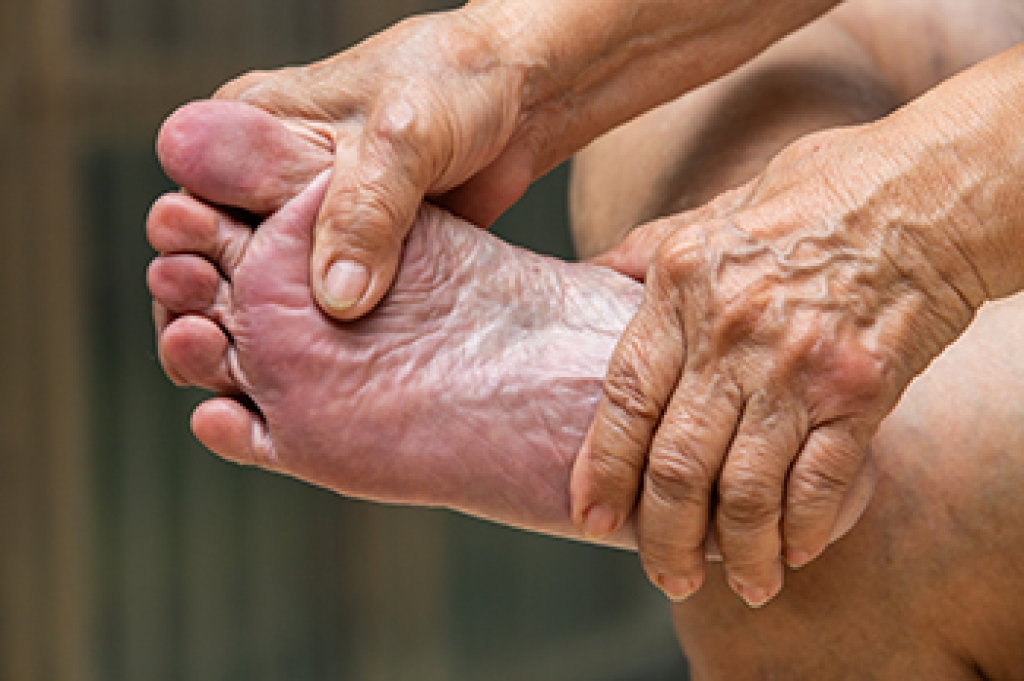
Geriatrics is a branch of medicine focused on the health care of older adults. As people age, their bodies undergo various changes, making them more susceptible to certain health conditions, including foot and ankle problems. Geriatric podiatrists specialize in diagnosing and treating these issues, particularly arthritis, diabetic foot complications, and decreased circulation. Thinning skin and age-related foot deformities are also examined. Additionally, podiatrists provide comprehensive care to help seniors maintain mobility and an independent lifestyle. Regular foot exams by a geriatric podiatrist can help prevent falls, alleviate pain, and address any concerns related to foot health in older adults. If you or a loved one are experiencing foot problems associated with aging, scheduling a consultation with a geriatric podiatrist can be beneficial. By placing emphasis on preventive measures and early intervention, geriatric podiatrists will assist in advocating for healthy aging and enhanced quality of life among older adults. For guidance on foot problems related to aging, it is suggested that you consult a geriatric podiatrist for an effective approach to maintaining a vibrant lifestyle.

If you need your feet checked, contact Howard Abramsohn, DPM of Ambulatory Foot and Ankle Associates, LLC. Our doctor will attend to all of your foot and ankle needs and provide you with quality treatment.

Geriatrics and Podiatry
When people age, some common issues that may occur are bone density loss, dry skin, poor circulation, and rough brittle nails. These issues may also affect your foot health if the necessary steps are not taken to alleviate the problems.

It is important to take care of your feet because feet that are injured or diseased can affect your overall health. Having painful feet hinders your ability to do daily activities or may decrease your willingness to do the things that you need to do.

Visiting Your Geriatrician
As we age, health problems become more likely, so it is essential to visit your doctor for check-ups to ensure that you are doing the best you can to take care of your health. It is recommended to check your feet frequently for any possible cuts, bruises, swelling, corns or any other irregularities. 

Taking Care of Elderly Feet
Cracked or dry feet can be treated by applying moisturizer often. It is also important not to wear old socks because the older the sock is, the higher the possibility there will be that there is bacteria there. Wear fresh socks and make sure they fit properly.

Proper foot health means that you can have a more active lifestyle and you will not be bogged down by pain. Foot health also leads to good circulation, which is paramount for overall health.

If you have any questions, please feel free to contact our office located in Mt Laurel Township, NJ . We offer the newest diagnostic and treatment technologies for all your foot care needs.

Read more about Geriatrics and Podiatry

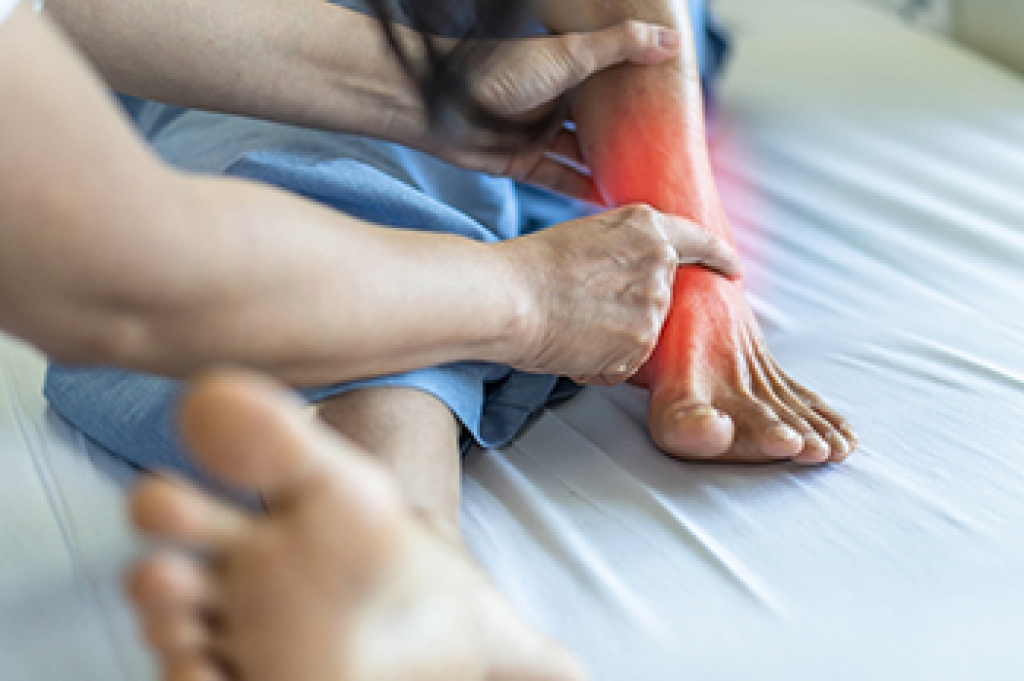
Symptoms and Causes of Ankle Bursitis

Ankle bursitis occurs when the bursae sacs in the ankle become inflamed, causing significant discomfort and mobility issues. Bursae are small, fluid-filled sacs that act as cushions between bones, tendons, and muscles, reducing friction and facilitating smooth joint movement. These sacs can become irritated or inflamed, typically due to overuse, trauma, infection, or medical conditions like gout or rheumatoid arthritis. Common symptoms of ankle bursitis include pain and tenderness in the ankle, swelling, stiffness, warmth, or redness around the affected area. Aching or throbbing pain also can occur, especially when pressure is applied. Overuse from activities like running or dancing, trauma from injuries, or wearing poorly fitting shoes are frequent causes. Proper diagnosis may include imaging tests like X-rays or MRIs to rule out other conditions. In some cases, fluid from the bursae might be tested for infections. If you're experiencing symptoms of ankle bursitis, it is suggested that you make an appointment with a podiatrist for a diagnosis and treatment.

Ankle pain can be caused by a number of problems and may be potentially serious. If you have ankle pain, consult with Howard Abramsohn, DPM from Ambulatory Foot and Ankle Associates, LLC. Our doctor will assess your condition and provide you with quality foot and ankle treatment.

Ankle pain is any condition that causes pain in the ankle. Due to the fact that the ankle consists of tendons, muscles, bones, and ligaments, ankle pain can come from a number of different conditions.

Causes

The most common causes of ankle pain include:

  • Types of arthritis (rheumatoid, osteoarthritis, and gout)
  • Ankle sprains
  • Broken ankles
  • Achilles tendonitis
  • Achilles tendon rupture
  • Stress fractures
  • Bursitis
  • Tarsal tunnel syndrome
  • Plantar fasciitis

Symptoms

Symptoms of ankle injury vary based upon the condition. Pain may include general pain and discomfort, swelling, aching, redness, bruising, burning or stabbing sensations, and/or loss of sensation.

Diagnosis

Due to the wide variety of potential causes of ankle pain, podiatrists will utilize a number of different methods to properly diagnose ankle pain. This can include asking for personal and family medical histories and of any recent injuries. Further diagnosis may include sensation tests, a physical examination, and potentially x-rays or other imaging tests.

Treatment

Just as the range of causes varies widely, so do treatments. Some more common treatments are rest, ice packs, keeping pressure off the foot, orthotics and braces, medication for inflammation and pain, and surgery.

If you have any questions please feel free to contact our office located in Mt Laurel Township, NJ . We offer the newest diagnostic tools and technology to treat your foot and ankle needs.

Read more about Ankle Pain

Choosing the Right Running Shoes

Selecting the right running shoes is important for both performance and injury prevention. Good running shoes should provide adequate support, cushioning, stability, and proper fit. Look for shoes that match your foot type, whether you have flat feet, high arches, or neutral arches. Additionally, consider the terrain you will be running on and choose shoes with appropriate traction and durability. When buying running shoes, try them on in the afternoon when your feet are slightly swollen, ensuring a proper fit. Leave about a thumb's width between your longest toe and the end of the shoe. Transition gradually from old to new shoes to allow your feet to adjust to the differences in support and cushioning. If you are looking for well-fitting running shoes, it is suggested that you visit a podiatrist for personalized guidance on selecting shoes and to address any specific foot concerns. This foot doctor can assess your gait, foot structure, and biomechanics to recommend the most suitable shoes for your needs, helping you enjoy a safe and comfortable running experience.

If you are a runner, wearing the right running shoe is essential. For more information, contact Howard Abramsohn, DPM from Ambulatory Foot and Ankle Associates, LLC. Our doctor can provide the care you need to keep you pain-free and on your feet.

Choosing the Right Running Shoe for Your Foot Type

To increase performance and avoid the risk of injury, it is important to choose the right running shoe based on your foot type. The general design of running shoes revolves around pronation, which is how the ankle rolls from outside to inside when the foot strikes the ground.

  • Neutral runners are able to choose from a wide variety of shoes, including minimalist shoes or even going barefoot.
  • Runners who overpronate, or experience an over-abundance of ankle rolling, should choose shoes that provide extra motion control and stability.
  • Runners who underpronate, or supinate, have feet that have high arches and lack flexibility, preventing shock absorption. They require shoes with more flexibility and cushion.

If you have any questions, please feel free to contact our office located in Mt Laurel Township, NJ . We offer the newest diagnostic and treatment technologies for all your foot care needs.

Read more about Choosing the Right Running Shoe for Your Foot Type

Let the Expert Treat Your Ingrown Toenails

Ingrown toenails can be painful and can make wearing shoes or walking uncomfortable. Seek professional help if you believe you've developed an ingrown toenail and be treated safely. 

Connect With Us