We are now hiring! If interested, please call us at (856) 234-5180.

Massages Are a Popular Form of Foot Therapy

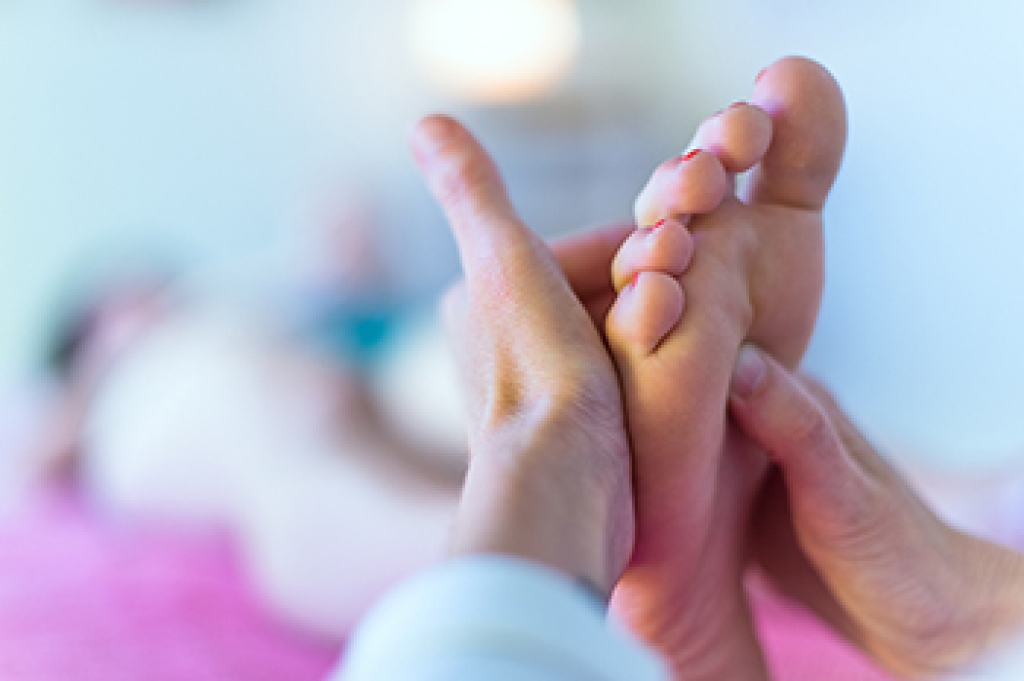
A popular type of foot therapy is a foot massage. Many people enjoy the benefits foot massages can provide, including a feeling of general well-being and improved health. When a foot massage is performed, pressure is applied by the hands to more than 7000 nerves and this can help to release energetic blockages in the body. Additional benefits of getting a foot massage may include improved circulation, a reduction in stress levels, and cell growth and repair may be accelerated. There are specific areas of the foot that are linked to organs. For example, the outside of the right foot connects to the liver, the sole of the foot links to the kidneys, and the head and face are controlled by the reflexology points in the toes. If you would like to have additional information about foot massages, it is suggested that you confer with a podiatrist who can answer any questions you may have.

Foot therapy is often necessary for those recovering from either foot deformities or foot injuries. If you have concerns regarding therapy, consult with Howard Abramsohn, DPM from Ambulatory Foot and Ankle Associates, LLC. Our doctor can provide the care you need to keep you pain-free and on your feet.

Most Common Injuries

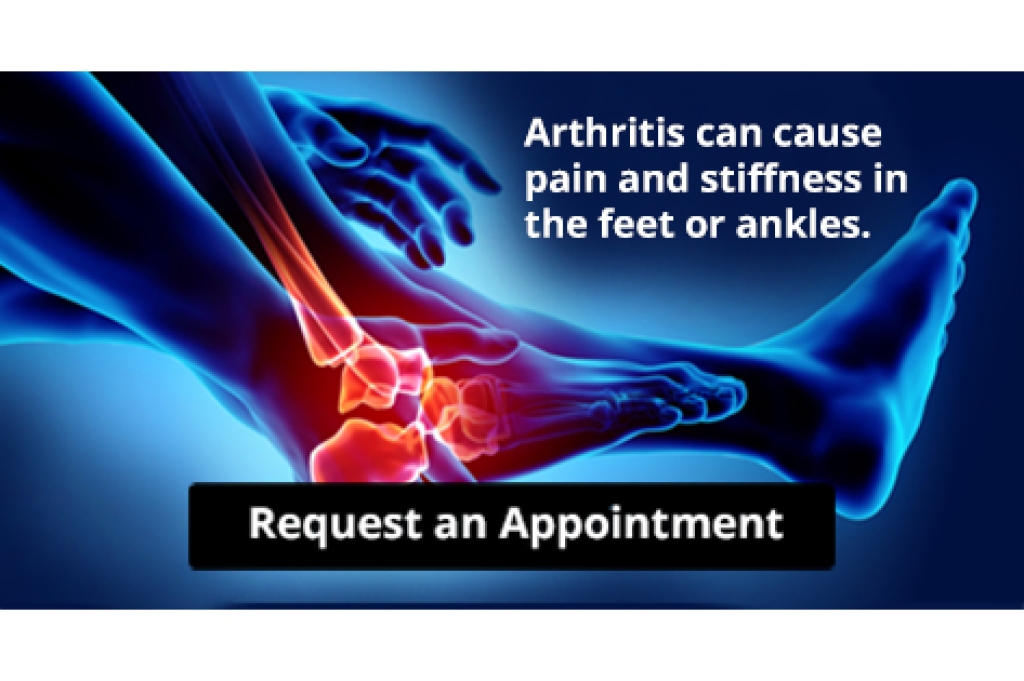
People who are active or athletes are prone to a variety of injuries. Therefore, it is often important to take part in physical therapy in order to quickly get back on the right track. 

What to Do When Injured

Physical Therapy – This specialized treatment will focus on the affected area, speeding up recovery and the overall healing process. It is a proven method that has helped millions of people return from any injury.

During physical therapy you will undergo regimented training to get back into full form. Training is often very difficult, especially at first when the foot feels weak. Physical therapy often involves:

Basic stretching and twisting exercises – getting the feet’s mobility and flexibility up.

Massaging – the therapist will massage the injured area in order to activate the muscles and relax them.

Strengthening Exercises – this allows the muscles in the affected area to regain their full strength, a vital step towards full recovery.

If you have any questions, please feel free to contact our office located in Mt Laurel Township, NJ . We offer the newest diagnostic and treatment technologies for all your foot care needs.
Read more about Foot Therapy for Sports Injuries

Can Corns Be Prevented?

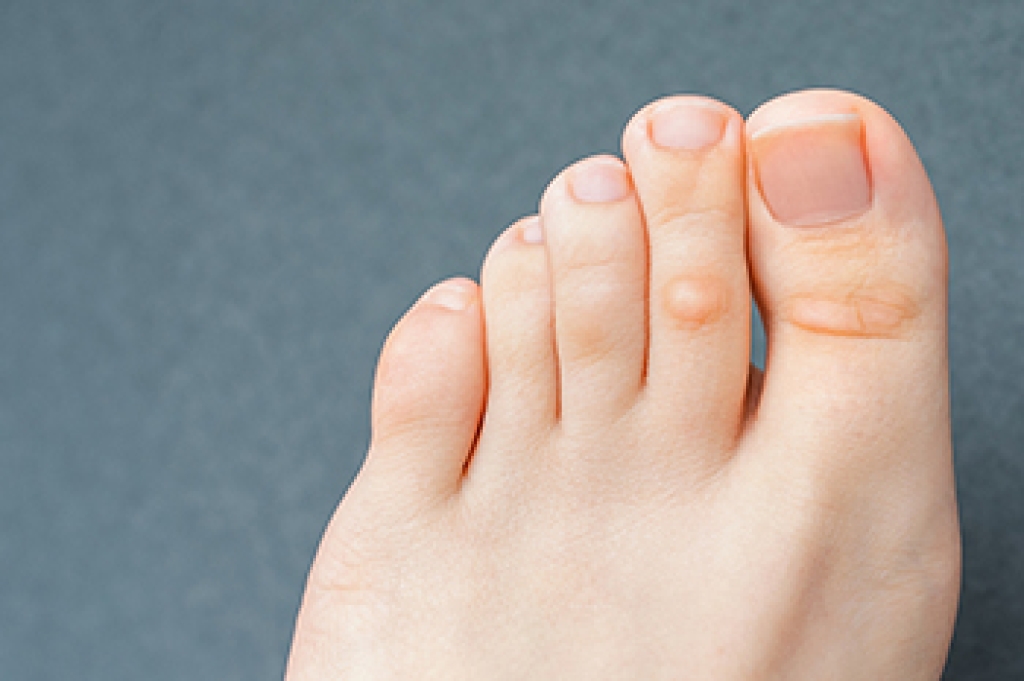
Corns on the feet can develop as a result of excessive pressure from shoes and socks that are worn. A corn is a small, hardened area of skin that often forms on the side of the pinky toe but may also form on top of the toes. While corns are generally uncomfortable, relief may be found when the pressure is removed and better fitting socks and shoes are worn. If the corn is severe, it may be surgically removed, which is a minor procedure. Many people choose to use a protective pad that is worn over the corn, which may be helpful in temporarily reducing the amount of pain. Maintaining proper foot care may be beneficial in preventing corns from developing. This can consist of washing and drying the feet thoroughly, followed by using a pumice stone that can remove hard skin. This is a practice that can help people who see the beginning of a corn developing. If you have one or more corns on your foot, it is suggested that you confer with a podiatrist who can treat it accordingly, and offer you additional prevention tips.

Corns can make walking very painful and should be treated immediately. If you have questions regarding your feet and ankles, contact Howard Abramsohn, DPM of Ambulatory Foot and Ankle Associates, LLC. Our doctor will treat your foot and ankle needs.

Corns: What Are They? And How Do You Get Rid of Them?
Corns are thickened areas on the skin that can become painful. They are caused by excessive pressure and friction on the skin. Corns press into the deeper layers of the skin and are usually round in shape.

Ways to Prevent Corns
There are many ways to get rid of painful corns such as:

  • Wearing properly fitting shoes that have been measured by a professional
  • Wearing shoes that are not sharply pointed or have high heels
  • Wearing only shoes that offer support

Treating Corns

Although most corns slowly disappear when the friction or pressure stops, this isn’t always the case. Consult with your podiatrist to determine the best treatment option for your case of corns.

If you have any questions, please feel free to contact our office located in Mt Laurel Township, NJ . We offer the newest diagnostic and treatment technologies for all your foot care needs.
Read more about Understanding Corns and Calluses

Walking Abnormalities

A walking abnormality is when the walking gait is abnormal in some way. Diseases, injuries, or genetic factors may contribute to an abnormal walking pattern. Altered walking can further cause harm to muscles, bones, and nerves in the lower extremities and rest of the body. Depending on the severity of the walking abnormality, and how long it endures, different treatments are suggested. Walking abnormally can present itself as walking with the head and neck thrust forward, and walking with the legs bent. Additionally, it may be evident as the knees and thighs cross over each other in a scissor-like fashion, or the feet may drag while walking. Even a limp is considered to be a walking abnormality. If you find that your gait is altered and you do not know why, it is suggested that you visit a podiatrist for an examination and diagnosis so you can be on the road to recovery.

If you have any concerns about your feet, contact Howard Abramsohn, DPM from Ambulatory Foot and Ankle Associates, LLC. Our doctor can provide the care you need to keep you pain-free and on your feet.

Biomechanics in Podiatry

Podiatric biomechanics is a particular sector of specialty podiatry with licensed practitioners who are trained to diagnose and treat conditions affecting the foot, ankle and lower leg. Biomechanics deals with the forces that act against the body, causing an interference with the biological structures. It focuses on the movement of the ankle, the foot and the forces that interact with them.

A History of Biomechanics

  • Biomechanics dates back to the BC era in Egypt where evidence of professional foot care has been recorded.
  • In 1974, biomechanics gained a higher profile from the studies of Merton Root, who claimed that by changing or controlling the forces between the ankle and the foot, corrections or conditions could be implemented to gain strength and coordination in the area.

Modern technological improvements are based on past theories and therapeutic processes that provide a better understanding of podiatric concepts for biomechanics. Computers can provide accurate information about the forces and patterns of the feet and lower legs.

Understanding biomechanics of the feet can help improve and eliminate pain, stopping further stress to the foot.

If you have any questions please feel free to contact our office located in Mt Laurel Township, NJ . We offer the newest diagnostic and treatment technologies for all your foot and ankle needs.

Read more about The Importance of Biomechanics in Podiatry

Running Shoes for Two Types of Flat Feet

Finding running shoes for people who have flat feet may be challenging. There can be differences of opinion as to what type of running shoe to purchase. Many stores that sell these types of shoes may suggest a shoe that has extra arch support. Conversely, sports injury experts may advise a different type of shoe. The majority of people will come to the conclusion that the choice depends on their range of motion and what type of foot they have. People who are born with flat feet may opt to choose a shoe that has minimal arch support, and this may benefit the entire leg. A collapsed arch is defined as a muscle weakness, and additional arch support may be a good choice. If you are a runner with flat feet and are seeking knowledge about what type of shoes to buy, it is suggested that you consult with a podiatrist who can give you the advice you are seeking.

Flatfoot is a condition many people suffer from. If you have flat feet, contact Howard Abramsohn, DPM from Ambulatory Foot and Ankle Associates, LLC. Our doctor will treat your foot and ankle needs.

What Are Flat Feet?

Flatfoot is a condition in which the arch of the foot is depressed and the sole of the foot is almost completely in contact with the ground. About 20-30% of the population generally has flat feet because their arches never formed during growth.

Conditions & Problems:

Having flat feet makes it difficult to run or walk because of the stress placed on the ankles.

Alignment – The general alignment of your legs can be disrupted, because the ankles move inward which can cause major discomfort.

Knees – If you have complications with your knees, flat feet can be a contributor to arthritis in that area.  

Symptoms

  • Pain around the heel or arch area
  • Trouble standing on the tip toe
  • Swelling around the inside of the ankle
  • Flat look to one or both feet
  • Having your shoes feel uneven when worn

Treatment

If you are experiencing pain and stress on the foot you may weaken the posterior tibial tendon, which runs around the inside of the ankle. 

If you have any questions, please feel free to contact our office located in Mt Laurel Township, NJ . We offer the newest diagnostic and treatment technologies for all your foot care needs.
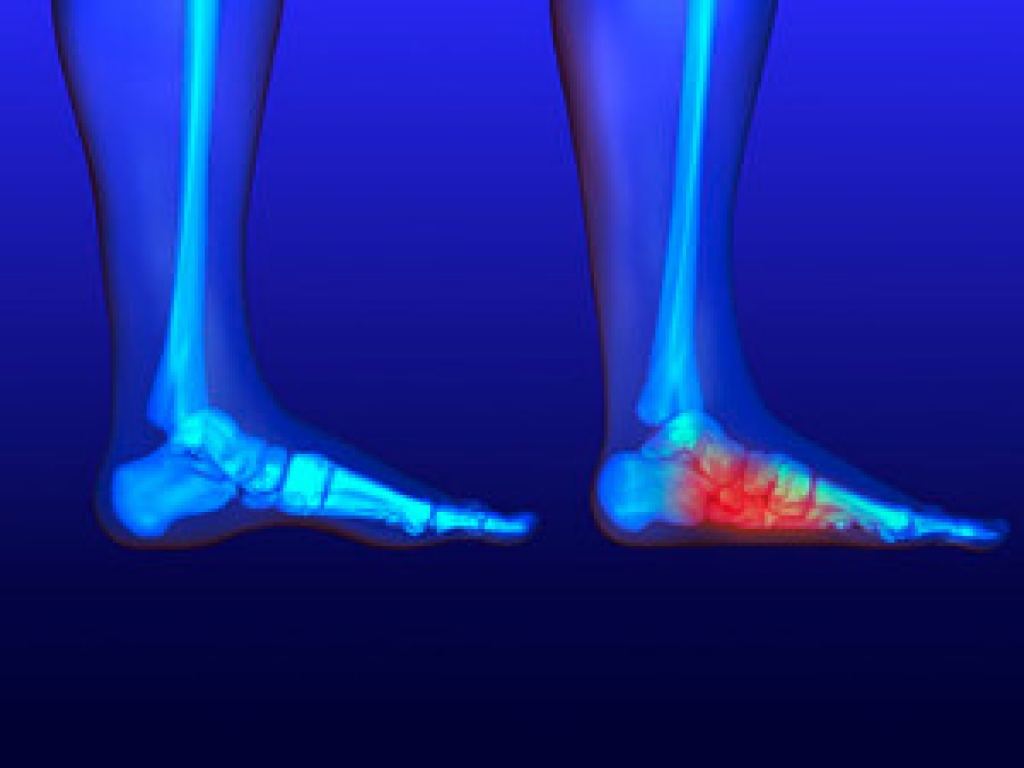
Read more about Flat Feet

Connect With Us