
Have you noticed a bony protrusion on the side of your big toe? If so, you may have developed the foot condition known as a bunion. Don't let bunions interfere with your daily activities.
Have you noticed a bony protrusion on the side of your big toe? If so, you may have developed the foot condition known as a bunion. Don't let bunions interfere with your daily activities.
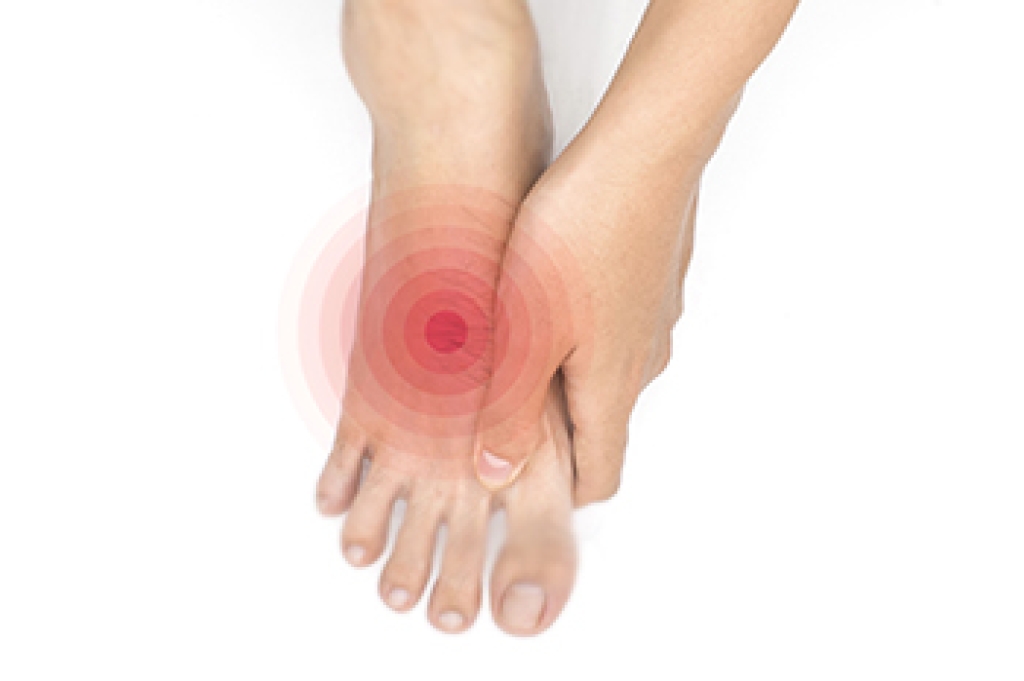
Diabetic peripheral neuropathy is a condition caused by prolonged high blood sugar levels that damage the nerves, especially those in the feet, toes, and ankles. Many people first notice numbness, tingling, or burning sensations, which can become more intense at night. Some patients may feel sudden, sharp pains or an electric shock-like sensation in their feet. As diabetic peripheral neuropathy progresses, loss of balance and coordination may also occur due to weakened ankle muscles and decreased sensation. This can lead to an unstable gait that increases the risk of falls. Changes in foot structure, such as hammertoes, may develop as nerve damage affects muscle function. One significant concern is the inability to feel cuts, blisters, or pressure points, which can result in unnoticed wounds that may become infected. A podiatrist can evaluate nerve function, provide foot care strategies, and recommend treatment to help prevent complications like foot ulcers and deformities. If your feet and toes feel numb, it is suggested that you schedule an appointment with a podiatrist to find out if peripheral neuropathy is causing the problem.
Neuropathy
Neuropathy can be a potentially serious condition, especially if it is left undiagnosed. If you have any concerns that you may be experiencing nerve loss in your feet, consult with Howard Abramsohn, DPM from Ambulatory Foot and Ankle Associates, LLC. Our doctor will assess your condition and provide you with quality foot and ankle treatment for neuropathy.
What Is Neuropathy?
Neuropathy is a condition that leads to damage to the nerves in the body. Peripheral neuropathy, or neuropathy that affects your peripheral nervous system, usually occurs in the feet. Neuropathy can be triggered by a number of different causes. Such causes include diabetes, infections, cancers, disorders, and toxic substances.
Symptoms of Neuropathy Include:
Those with diabetes are at serious risk due to being unable to feel an ulcer on their feet. Diabetics usually also suffer from poor blood circulation. This can lead to the wound not healing, infections occurring, and the limb may have to be amputated.
Treatment
To treat neuropathy in the foot, podiatrists will first diagnose the cause of the neuropathy. Figuring out the underlying cause of the neuropathy will allow the podiatrist to prescribe the best treatment, whether it be caused by diabetes, toxic substance exposure, infection, etc. If the nerve has not died, then it’s possible that sensation may be able to return to the foot.
Pain medication may be issued for pain. Electrical nerve stimulation can be used to stimulate nerves. If the neuropathy is caused from pressure on the nerves, then surgery may be necessary.
If you have any questions, please feel free to contact our office located in Mt Laurel Township, NJ . We offer the newest diagnostic and treatment technologies for all your foot care needs.
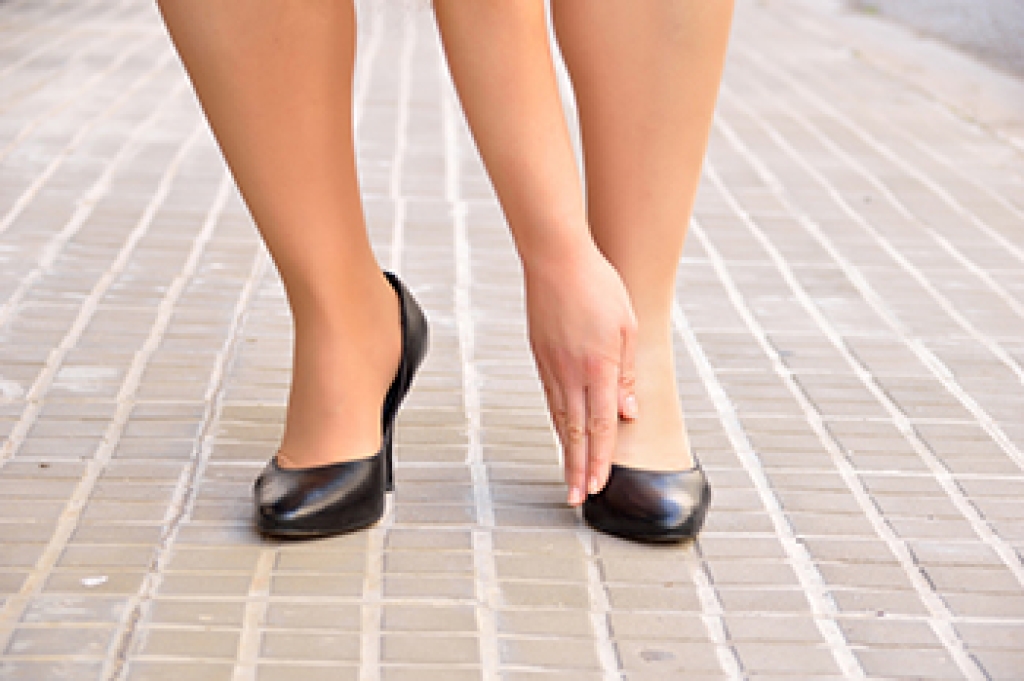
The toe box of a shoe plays a significant role in foot health by determining how much space the toes have to move naturally. When a shoe's toe box is too narrow or short, it can lead to various foot problems, including blisters, corns, calluses, and ingrown toenails. Over time, shoes with a tight toe box may contribute to misaligned toes, inflamed nerves, and pain in the ball of the foot. People who frequently experience discomfort in the toes while wearing shoes may have a foot shape that requires a wider or deeper toe box. Shoes with a design that follows the natural contours of the foot can help reduce pressure points and prevent long-term complications like bunions. High heels and narrow dress shoes often force the toes into an unnatural position, increasing the risk of foot pain and deformities. A podiatrist can assess your foot structure, identify any issues related to improper footwear, and recommend shoes that provide better support. If you have foot pain connected to improper footwear, it is suggested that you schedule an appointment with a podiatrist for treatment options.
It is important to find shoes that fit you properly in order to avoid a variety of different foot problems. For more information about treatment, contact Howard Abramsohn, DPM from Ambulatory Foot and Ankle Associates, LLC. Our doctor will treat your foot and ankle needs.
Proper Shoe Fitting
Shoes have many different functions. They cushion our body weight, protect our feet, and allow us to safely play sports. You should always make sure that the shoes you wear fit you properly in order to avoid injuries and deformities such as: bunions, corns, calluses, hammertoes, plantar fasciitis, stress fractures, and more. It is important to note that although a certain pair of shoes might be a great fit for someone else, that doesn’t mean they will be a great fit for you. This is why you should always try on shoes before buying them to make sure they are worth the investment. Typically, shoes need to be replaced ever six months to one year of regular use.
Tips for Proper Shoe Fitting
The shoes you buy should always feel as good as they look. Shoes that fit properly will last longer, feel better, and improve your way of life each day.
If you have any questions please contact our office located in Mt Laurel Township, NJ . We offer the newest diagnostic and treatment technologies for all your foot and ankle needs.
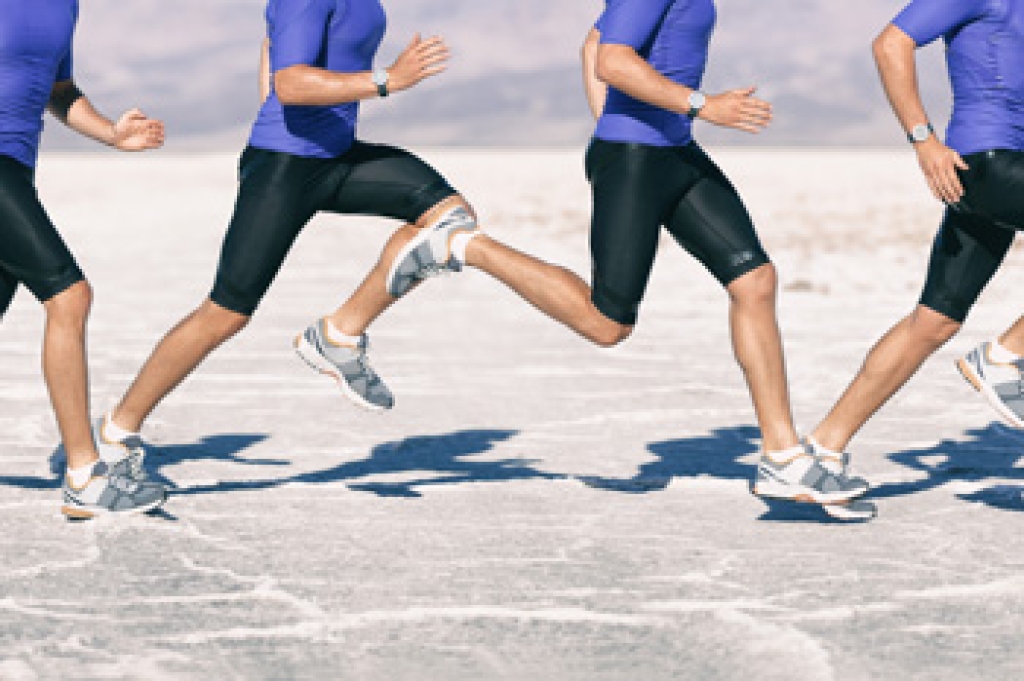
The proper running foot strike is essential for preventing injuries and improving performance. While running, the anatomy of the foot plays a key role in how the body absorbs impact. There are several types of foot strikes, each affecting the body differently. A heel strike occurs when the heel hits the ground first, often seen in runners with a longer stride or those who overstride. A midfoot strike is when the middle of the foot lands first, offering a more natural and efficient impact absorption. The forefoot strike involves landing on the balls of the feet, which is common in sprinters and fast runners. A flat foot strike is when the entire sole of the foot touches the ground at once, which can place excess strain on the lower limbs. Lastly, a toe strike is when only the toes touch the ground first, providing more propulsion but sometimes leading to calf strain. If you enjoy running and have endured a foot or ankle injury, it is suggested that you consult a podiatrist who can treat various foot injuries, and guide you on correct running techniques.
If you have any concerns about your feet, contact Howard Abramsohn, DPM from Ambulatory Foot and Ankle Associates, LLC. Our doctor can provide the care you need to keep you pain-free and on your feet.
Biomechanics in Podiatry
Podiatric biomechanics is a particular sector of specialty podiatry with licensed practitioners who are trained to diagnose and treat conditions affecting the foot, ankle and lower leg. Biomechanics deals with the forces that act against the body, causing an interference with the biological structures. It focuses on the movement of the ankle, the foot and the forces that interact with them.
A History of Biomechanics
Modern technological improvements are based on past theories and therapeutic processes that provide a better understanding of podiatric concepts for biomechanics. Computers can provide accurate information about the forces and patterns of the feet and lower legs.
Understanding biomechanics of the feet can help improve and eliminate pain, stopping further stress to the foot.
If you have any questions please feel free to contact our office located in Mt Laurel Township, NJ . We offer the newest diagnostic and treatment technologies for all your foot and ankle needs.
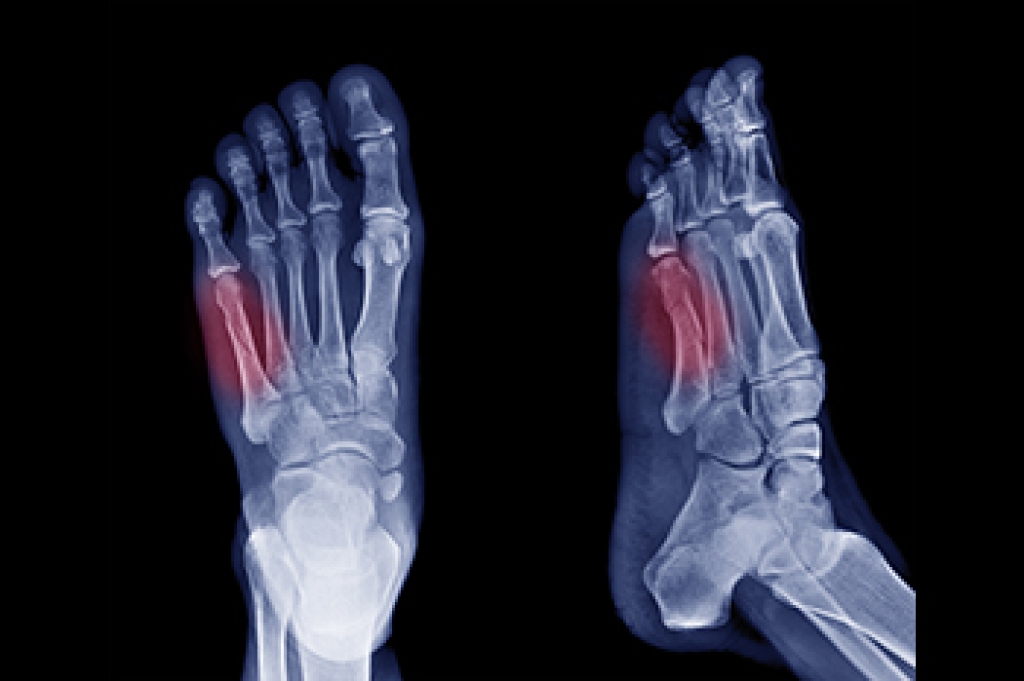
A dancer's fracture is a break in the shaft of the 5th metatarsal, the long bone on the outer side of the foot. This injury is typically caused by twisting motions, awkward landings, or direct trauma. It is common among dancers and athletes but can happen to anyone. Symptoms of a 5th metatarsal fracture include sharp pain on the outer side of the foot, swelling, bruising, tenderness, and difficulty walking. Diagnosis is made through a physical examination and imaging, such as X-rays, to determine the exact location and severity of the fracture. Treatment often involves immobilizing the foot with a cast or walking boot to allow the bone to heal properly. In severe cases, surgery may be required to realign and stabilize the bone. A podiatrist can provide expert care and ongoing monitoring to ensure the foot heals correctly and regains full functionality. If you have fractured your foot, it is suggested that you schedule an appointment with a podiatrist for a diagnosis and treatment options.
A broken foot requires immediate medical attention and treatment. If you need your feet checked, contact Howard Abramsohn, DPM from Ambulatory Foot and Ankle Associates, LLC. Our doctor can provide the care you need to keep you pain-free and on your feet.
Broken Foot Causes, Symptoms, and Treatment
A broken foot is caused by one of the bones in the foot typically breaking when bended, crushed, or stretched beyond its natural capabilities. Usually the location of the fracture indicates how the break occurred, whether it was through an object, fall, or any other type of injury.
Common Symptoms of Broken Feet:
Those that suspect they have a broken foot shoot seek urgent medical attention where a medical professional could diagnose the severity.
Treatment for broken bones varies depending on the cause, severity and location. Some will require the use of splints, casts or crutches while others could even involve surgery to repair the broken bones. Personal care includes the use of ice and keeping the foot stabilized and elevated.
If you have any questions, please feel free to contact our office located in Mt Laurel Township, NJ . We offer the newest diagnostic and treatment technologies for all your foot care needs.

Plantar warts are small growths that develop on parts of the feet that bear weight. They're typically found on the bottom of the foot. Don't live with plantar warts, and call us today!
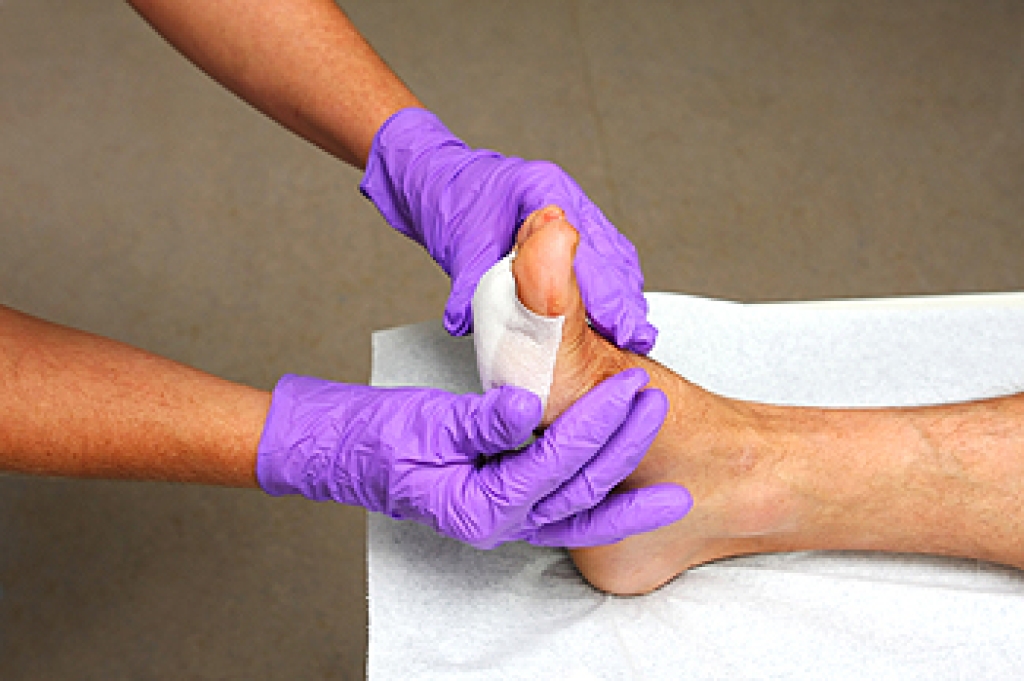
Foot wounds can occur due to various injuries and should be addressed promptly to avoid complications. Cuts on the feet, toes, or ankles can sometimes affect underlying structures such as tendons, blood vessels, or nerves. In certain cases, a foot wound may need to be left open to heal if there is a risk of infection, although this can result in a larger scar. Proper wound care, including keeping the area clean and covered, is essential to support healing. Signs of infection, such as increased redness, swelling, warmth, or drainage, should be addressed immediately, as infections can lead to more serious complications if untreated. A podiatrist plays a vital role in treating foot wounds by assessing the injury, providing antiseptic cleaning, and determining the most effective treatment to promote healing and prevent further damage. If you have sustained a foot wound, it is suggested that you schedule an appointment with a podiatrist for appropriate treatment.
Wound care is an important part in dealing with diabetes. If you have diabetes and a foot wound or would like more information about wound care for diabetics, consult with Howard Abramsohn, DPM from Ambulatory Foot and Ankle Associates, LLC. Our doctor will assess your condition and provide you with quality foot and ankle treatment.
What Is Wound Care?
Wound care is the practice of taking proper care of a wound. This can range from the smallest to the largest of wounds. While everyone can benefit from proper wound care, it is much more important for diabetics. Diabetics often suffer from poor blood circulation which causes wounds to heal much slower than they would in a non-diabetic.
What Is the Importance of Wound Care?
While it may not seem apparent with small ulcers on the foot, for diabetics, any size ulcer can become infected. Diabetics often also suffer from neuropathy, or nerve loss. This means they might not even feel when they have an ulcer on their foot. If the wound becomes severely infected, amputation may be necessary. Therefore, it is of the upmost importance to properly care for any and all foot wounds.
How to Care for Wounds
The best way to care for foot wounds is to prevent them. For diabetics, this means daily inspections of the feet for any signs of abnormalities or ulcers. It is also recommended to see a podiatrist several times a year for a foot inspection. If you do have an ulcer, run the wound under water to clear dirt from the wound; then apply antibiotic ointment to the wound and cover with a bandage. Bandages should be changed daily and keeping pressure off the wound is smart. It is advised to see a podiatrist, who can keep an eye on it.
If you have any questions please contact our office located in Mt Laurel Township, NJ . We offer the newest diagnostic and treatment technologies for all your foot and ankle needs.
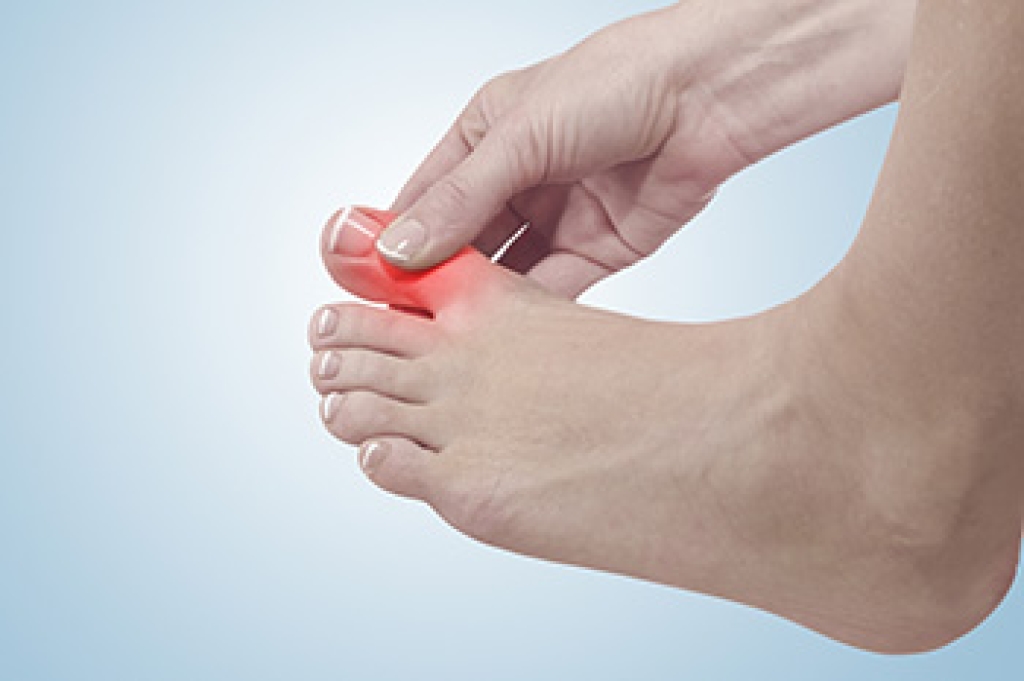
Big toe pain can stem from various conditions, including turf toe and sesamoid fractures, both of which are common in athletes. Turf toe is a sprain of the ligaments surrounding the big toe joint. It is typically caused by hyperextension of the toe during activities like running or football. Symptoms include pain, swelling, and limited movement in the big toe. A sesamoid fracture involves a break in the small bones called sesamoids, under the big toe joint. This injury is often caused by repetitive stress, sudden impact, or wearing improper footwear. Symptoms include localized pain, swelling, bruising, and difficulty bearing weight on the foot. Treatment for both conditions may involve rest, anti-inflammatory medications, and wearing a stiff-soled shoe or brace to limit toe joint movement. In severe cases, a podiatrist may recommend custom orthotics, targeted exercises, or surgery to promote healing. If you have toe pain, it is suggested that you schedule an appointment with a podiatrist.
Toe pain can disrupt your daily activities. If you have any concerns, contact Howard Abramsohn, DPM of Ambulatory Foot and Ankle Associates, LLC. Our doctor can provide the care you need to keep you pain-free and on your feet.
What Causes Toe Pain?
Most severe toe pain is caused due to a sports injury, trauma from dropping something heavy on the toe, or bumping into something rigid. Other problems can develop over time for various reasons.
Toe pain can be caused by one or more ailments. The most common include:
When to See a Podiatrist
Diagnosis
In many cases the cause of toe pain is obvious, but in others, a podiatrist may want to use more advanced methods to determine the problem. These can range from simple visual inspections and sensation tests to X-rays and MRI scans. Prior medical history, family medical history, and any recent physical traumatic events will all be taken into consideration for a proper diagnosis.
Treatment
Treatments for toe pain and injuries vary and may include shoe inserts, padding, taping, medicines, injections, and in some cases, surgery. If you believe that you have broken a toe, please see a podiatrist as soon as possible.
If you have any questions please contact our office located in Mt Laurel Township, NJ . We offer the newest diagnostic and treatment technologies for all your foot and ankle needs.
Pickleball, a paddle sport blending elements of tennis, badminton, and ping-pong is enjoyed by players of all ages. Its quirky name is said to have originated from a founder's dog or a rowing term referring to mixed teams. While the game offers excellent physical activity and sharpens mental focus, picklers must prioritize injury prevention. The fast-paced movements and quick turns in pickleball put stress on the ankles and lower legs, increasing the risk of sprains, strains, and overuse injuries. Without proper preparation, even experienced players can face setbacks. Warmup routines, such as calf stretches, ankle rolls, and light cardio, are important to loosen muscles and improve flexibility. If foot or ankle pain arises after play, it is suggested that you consult a podiatrist who can ensure you stay active and injury-free for future matches.
Ankle and foot injuries are common among athletes and in many sports. They can be caused by several problems and may be potentially serious. If you are feeling pain or think you were injured in a sporting event or when exercising, consult with Howard Abramsohn, DPM from Ambulatory Foot and Ankle Associates, LLC. Our doctor will assess your condition and provide you with quality foot and ankle treatment.
Common Injuries
The most common injuries that occur in sporting activities include:
Symptoms
Symptoms vary depending upon the injury and in some cases, there may be no symptoms at all. However, in most cases, some form of symptom is experienced. Pain, aching, burning, bruising, tenderness, tightness or stiffness, sensation loss, difficulty moving, and swelling are the most common symptoms.
Treatment
Just as symptoms vary depending upon the injury, so do treatment options. A common treatment method is known as the RICE method. This method involves rest, applying ice, compression and elevating the afflicted foot or ankle. If the injury appears to be more serious, surgery might be required, such as arthroscopic or reconstructive surgery. Lastly, rehabilitation or therapy might be needed to gain full functionality in the afflicted area. Any discomfort experienced by an athlete must be evaluated by a licensed, reputable medical professional.
If you have any questions please contact our office located in Mt Laurel Township, NJ . We offer the newest diagnostic and treatment technologies for all your foot and ankle needs.
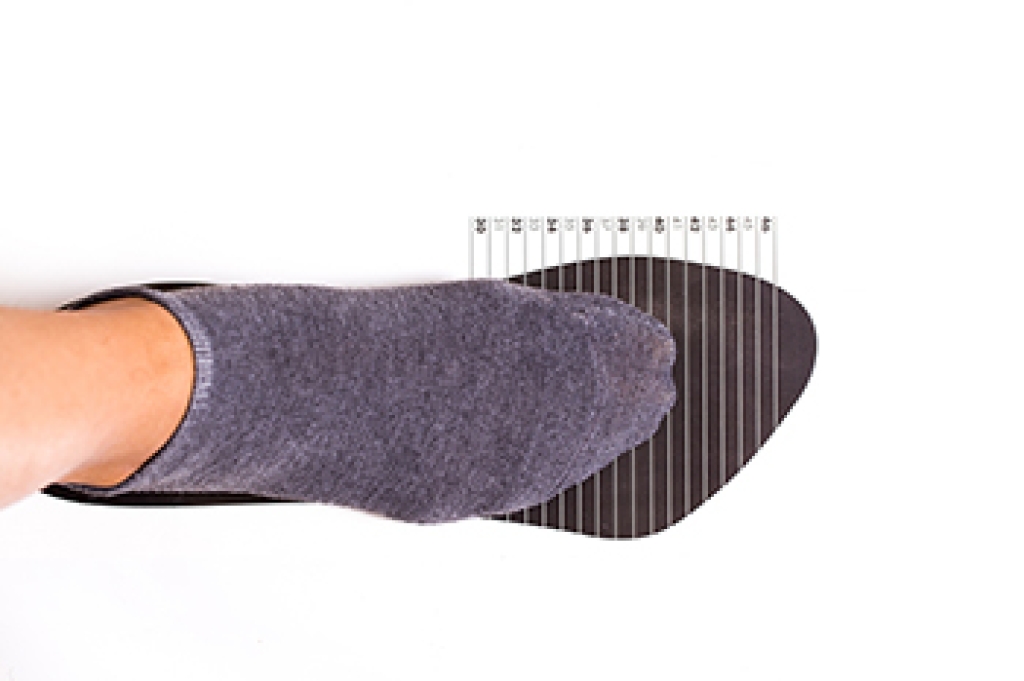
Finding the right shoe size is essential for comfort and foot health. To measure your shoe size accurately, begin by standing on a piece of paper with your heel against a wall. Using a pencil, mark the longest part of your foot, usually the tip of your toe. Then, measure the distance from the wall to the mark you made. This measurement will give you the length of your foot. It is also important to measure the width of your foot by placing the tape or ruler around the widest part, typically near the ball of the foot. Ensure that you measure both feet, as one foot may be slightly larger than the other. Once you have these measurements, consult a shoe size chart to determine your correct size. If you have developed foot pain from wearing shoes that do not fit correctly, it is suggested that you consult a podiatrist who can treat various foot conditions, and educate you on the importance of wearing shoes that fit properly.
Finding a properly-fitting shoe is important in reducing injuries and preventing foot problems. For more information about treatment, contact Howard Abramsohn, DPM from Ambulatory Foot and Ankle Associates, LLC. Our doctor will treat your foot and ankle needs.
Proper Shoe Fitting
A common concern when it comes to foot health, having properly fitted shoes can help prevent injuries to the foot. Out feet affect our posture and gait, which in turn affects the biomechanics and overall bodily structure. With 33 joints, 26 bones, and over 100 ligaments, the potential for serious injury is much greater than one realizes. Although the feet cease growth in adulthood, they still change shape as they mature. Here are some factors to consider when it comes to investing in proper fitting shoes:
Keeping in mind how shoes fit the biomechanics of your body, properly-fitting shoes are vitally important. Fortunately, it is not difficult to acquire footwear that fits correctly. Be sure to wear shoes that support the overall structure of your body. Do your feet a favor and invest in several pairs of well-fitted shoes today.
If you have any questions, please feel free to contact our office located in Mt Laurel Township, NJ . We offer the newest diagnostic and treatment technologies for all your foot care needs.
Connect With Us
