We are now hiring! If interested, please call us at (856) 234-5180.

Managing Swollen Feet

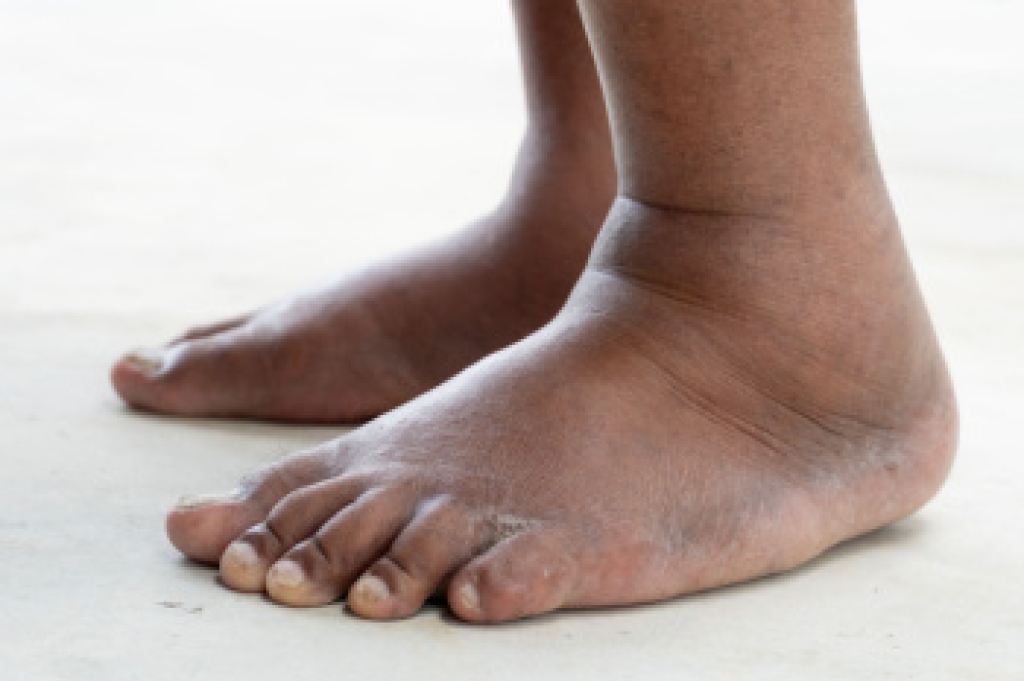
Swollen feet, a condition known as edema, is common among people with diabetes. Edema occurs when fluid builds up in the tissues, leading to puffiness, especially in the feet, ankles, and legs. Diabetes can contribute to edema due to poor circulation, nerve damage, or kidney problems, all of which make it harder for the body to regulate fluid properly. Symptoms of swollen feet include visible puffiness, tight or shiny skin, and discomfort. If left untreated, swelling can lead to complications, including infections or ulcers, especially in diabetic patients with reduced sensation in their feet. Treatment for edema typically involves elevating the feet, wearing compression socks, managing blood sugar levels, and limiting salt intake. In some cases, a podiatrist may recommend specific exercises or custom footwear to alleviate pressure. If you are experiencing swollen feet, it is suggested you schedule an appointment to see a podiatrist. Early intervention can prevent further complications and provide effective relief.

Swollen feet can be a sign of an underlying condition. If you have any concerns, contact Howard Abramsohn, DPM of Ambulatory Foot and Ankle Associates, LLC. Our doctor can provide the care you need to keep you pain-free and on your feet.

Swollen feet are a common ailment among pregnant women and people who stand or sit for extended periods. Aging may increase the possibility of swollen feet and patients who are obese often notice when their feet are swelling too. There may be medical reasons why swollen feet occur:

  • Phlebitis - A condition that causes the veins to become inflamed and can also cause leg pain.
  • Liver disease - This may lead to low blood levels of albumin which is a protein. This can cause fluid in the blood to pass into the tissues and several areas of the body can become swollen.
  • Heart failure - When the heart doesn’t pump properly the blood that is normally pumped back to the heart can pool in the veins of the legs causing swollen feet.
  • Kidney disease - One of the main functions of the kidneys is releasing excess fluid in the body. This type of condition can make it difficult for the kidneys to function properly, and as a result the feet may become swollen.
  • Deep-vein thrombosis (DVT)- This is a serious condition where blood clots form in the veins of the legs. They can block the return of blood from the legs to the heart which may cause the feet to swell. It is important to be treated by a podiatrist if this condition is present.

Swollen feet can also be caused by bone and tendon conditions, including fractures, arthritis, and tendinitis. Additionally, there may be skin and toenail conditions and an infection may cause the feet to swell. Patients who take medicine to treat high blood pressure may be prone to getting swollen feet. 

Many patients elevate their feet to help relieve the swelling and this is generally a temporary remedy. When a podiatrist is consulted the reason behind the swelling can be uncovered and subsequently treated.

If you have any questions please contact our office located in Mt Laurel Township, NJ . We offer the newest diagnostic and treatment technologies for all your foot and ankle needs.

Read more about Swelling of the Feet

Understanding Foot Stress Fractures

Foot stress fractures are small cracks in the bones of the foot, often resulting from repetitive stress or overuse. Common causes include high-impact activities, sudden increases in exercise intensity, and inadequate footwear. Symptoms typically include localized tenderness, pain, and weakness in the affected area, especially during physical activity or when putting weight on the foot. Swelling and bruising may also occur. Treatment for stress fractures focuses on rest and immobilization. A podiatrist may recommend using a walking boot or crutches to reduce pressure on the foot, along with anti-inflammatory medications to alleviate pain. Gradual rehabilitation exercises can also help restore strength and flexibility. If you suspect you have a foot stress fracture, it is suggested that you consult a podiatrist. They can provide an accurate diagnosis and develop a tailored treatment plan to promote healing and prevent future injuries.

Stress fractures occur when there is a tiny crack within a bone. To learn more, contact Howard Abramsohn, DPM from Ambulatory Foot and Ankle Associates, LLC. Our doctor can provide the care you need to keep you pain free and on your feet.

How Are They Caused?

Stress fractures are the result of repetitive force being placed on the bone. Since the lower leg and feet often carry most of the body’s weight, stress fractures are likely to occur in these areas. If you rush into a new exercise, you are more likely to develop a stress fracture since you are starting too much, too soon.  Pain resulting from stress fractures may go unnoticed at first, however it may start to worsen over time.

Risk Factors

  • Gender – They are more commonly found in women compared to men.
  • Foot Problems – People with unusual arches in their feet are more likely to develop stress fractures.
  • Certain Sports – Dancers, gymnasts, tennis players, runners, and basketball players are more likely to develop stress fractures.
  • Lack of Nutrients – A lack of vitamin D and calcium may weaken the bones and make you more prone to stress fractures
  • Weak Bones – Osteoporosis can weaken the bones therefore resulting in stress fractures

Stress fractures do not always heal properly, so it is important that you seek help from a podiatrist if you suspect you may have one. Ignoring your stress fracture may cause it to worsen, and you may develop chronic pain as well as additional fractures.

If you have any questions please contact our office located in Mt Laurel Township, NJ . We offer the newest diagnostic and treatment technologies for all your foot and ankle needs.
Read more about Dealing with Stress Fractures of the Foot and Ankle

Causes of Ingrown Toenails

Ingrown toenails occur when the nail grows into the surrounding skin causing pain, swelling, and sometimes infection. Common causes include improper nail trimming by cutting nails too short or rounding the edges, leading the nail to grow into the skin. Wearing tight or narrow shoes can also push the nail into the skin, increasing the risk. Other common causes include trauma, such as stubbing or injuring the toe, and repetitive pressure from activities like running. Less common causes include genetic predisposition, where nail shape naturally curves into the skin, and nail disorders or fungal infections that alter nail growth. A podiatrist diagnoses ingrown toenails by examining the affected toe for signs of redness, swelling, and infection. Treatment varies by severity, with mild cases usually requiring trimming and proper nail care guidance. More severe cases may need partial nail removal, antibiotics for infection, and sometimes a minor surgical procedure to prevent recurrence. If you have an ingrown toenail, it is strongly suggested that you visit a podiatrist for proper treatment.

Ingrown toenails may initially present themselves as a minor discomfort, but they may progress into an infection in the skin without proper treatment. For more information about ingrown toenails, contact Howard Abramsohn, DPM of Ambulatory Foot and Ankle Associates, LLC. Our doctor can provide the care you need to keep you pain-free and on your feet.

Ingrown Toenails

Ingrown toenails are caused when the corner or side of a toenail grows into the soft flesh surrounding it. They often result in redness, swelling, pain, and in some cases, infection. This condition typically affects the big toe and may recur if it is not treated properly.

Causes

  • Improper toenail trimming
  • Genetics
  • Improper shoe fitting
  • Injury from pedicures or nail picking
  • Abnormal gait
  • Poor hygiene

You are more likely to develop an ingrown toenail if you are obese, have diabetes, arthritis, or have any fungal infection in your nails. Additionally, people who have foot or toe deformities are at a higher risk of developing an ingrown toenail.

Symptoms

Some symptoms of ingrown toenails are redness, swelling, and pain. In rare cases, there may be a yellowish drainage coming from the nail.

Treatment

Ignoring an ingrown toenail can have serious complications. Infections of the nail border can progress to a deeper soft-tissue infection, which can then turn into a bone infection. You should always speak with your podiatrist if you suspect you have an ingrown toenail, especially if you have diabetes or poor circulation.

If you have any questions, please feel free to contact our office located in Mt Laurel Township, NJ . We offer the newest diagnostic and treatment technologies for all your foot care needs.

Read more about Ingrown Toenail Care

We Can Treat Your Foot or Ankle Pain

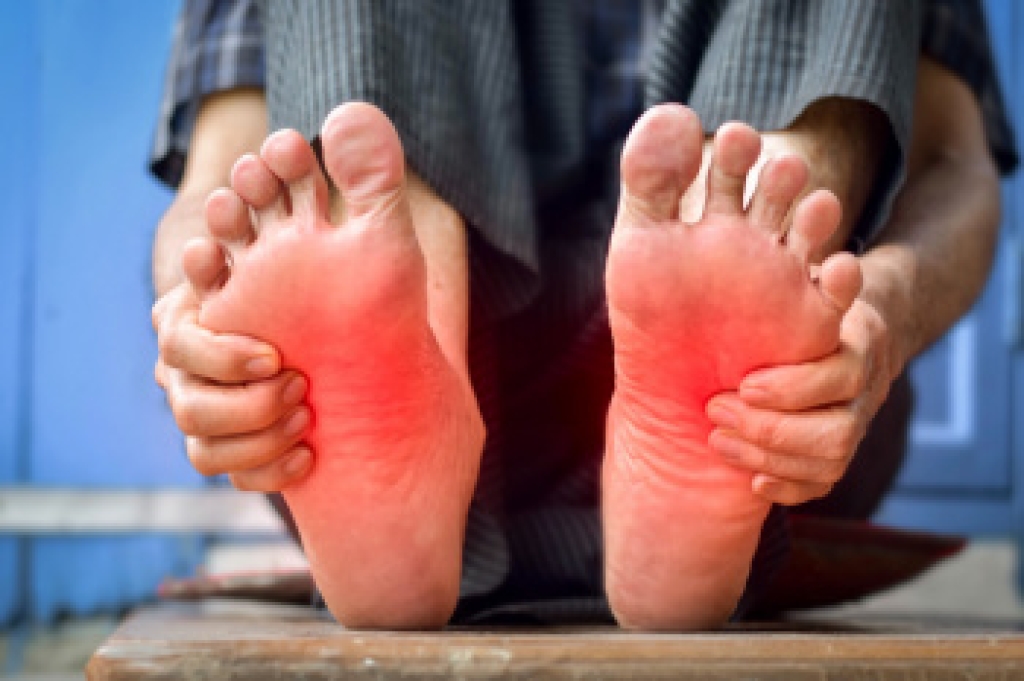
Foot or ankle pain can negatively affect your day-to-day life and can occur due to several different conditions. Pain can also be an indicator of a more serious underlying condition, which is why you should seek professional help as soon as you notice any abnormalities in your feet.

What Can Cause Poor Circulation in the Feet

Poor circulation in the feet can result from several underlying health issues, significantly impacting overall well-being. Atherosclerosis, a condition where arteries become narrowed due to plaque buildup, restricts blood flow and can lead to inadequate circulation in the lower extremities. High blood pressure is another contributing factor, as it can damage blood vessels over time, further impeding blood flow. Peripheral artery disease, or PAD, is a narrowing of the arteries specifically in the legs and feet, leading to pain and numbness during physical activity. Heart failure can also cause poor circulation, as the heart struggles to pump blood effectively, resulting in reduced blood supply to the extremities. If you have poor circulation in your feet, it is suggested that you consult a podiatrist who can determine what the cause is and offer effective treatment solutions.

While poor circulation itself isn’t a condition; it is a symptom of another underlying health condition you may have. If you have any concerns with poor circulation in your feet contact Howard Abramsohn, DPM of Ambulatory Foot and Ankle Associates, LLC. Our doctor will treat your foot and ankle needs.

Poor Circulation in the Feet

Peripheral artery disease (PAD) can potentially lead to poor circulation in the lower extremities. PAD is a condition that causes the blood vessels and arteries to narrow. In a linked condition called atherosclerosis, the arteries stiffen up due to a buildup of plaque in the arteries and blood vessels. These two conditions can cause a decrease in the amount of blood that flows to your extremities, therefore resulting in pain.

Symptoms

Some of the most common symptoms of poor circulation are:

  • Numbness
  • Tingling
  • Throbbing or stinging pain in limbs
  • Pain
  • Muscle Cramps

Treatment for poor circulation often depends on the underlying condition that causes it. Methods for treatment may include insulin for diabetes, special exercise programs, surgery for varicose veins, or compression socks for swollen legs.

As always, see a podiatrist as he or she will assist in finding a regimen that suits you. A podiatrist can also prescribe you any needed medication. 

If you have any questions, please feel free to contact our office located in Mt Laurel Township, NJ . We offer the newest diagnostic and treatment technologies for all your foot care needs.

Read more about Causes Symptoms and Treatment for Poor Circulation in the Feet

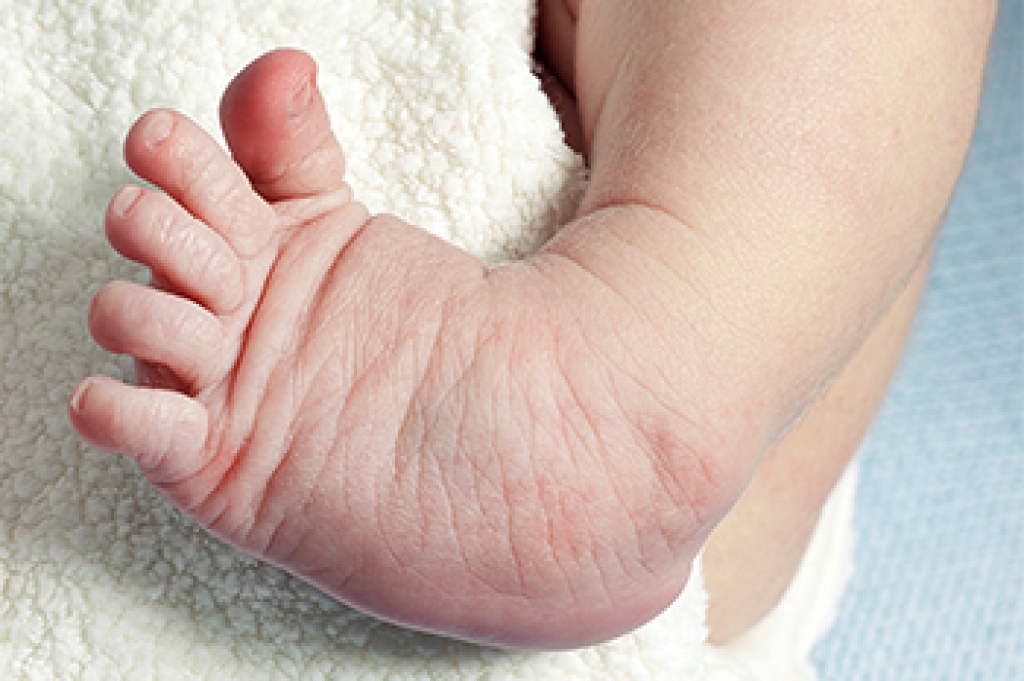
Understanding Clubfoot

Clubfoot, or talipes equinovarus, is a congenital condition where a newborn’s foot appears twisted or turned inward. The exact causes of clubfoot are not fully understood, but it is believed to result from a combination of genetic and environmental factors. In many cases, clubfoot occurs in isolation, but it can also be associated with other congenital conditions. The Ponseti method is a widely recognized treatment for clubfoot, involving a series of gentle manipulations and the application of casts to gradually correct the foot’s position. This method is typically initiated shortly after birth and aims to achieve a functional and pain-free foot. After the initial treatment, a brace is often used to maintain the corrected position. Early diagnosis and intervention are critical for successful treatment, allowing children to develop normally and engage in activities without limitations. If your child has been born with clubfoot, it is suggested that you include a podiatrist on your healthcare team who can help you to properly monitor and manage this condition.

Congenital foot problems require immediate attention to avoid future complications. If you have any concerns, contact Howard Abramsohn, DPM of Ambulatory Foot and Ankle Associates, LLC. Our doctor can provide the care you need to keep you pain-free and on your feet.

Congenital foot problems are deformities affecting the feet, toes, and/or ankles that children are born with. Some of these conditions have a genetic cause while others just happen. Some specific foot ailments that children may be born with include clubfeet, polydactyly/macrodactyly, and cleft foot. There are several other foot anomalies that can occur congenitally. What all of these conditions have in common is that a child may experience difficulty walking or performing everyday activities, as well as trouble finding footwear that fits their foot deformity. Some of these conditions are more serious than others. Consulting with a podiatrist as early as possible will help in properly diagnosing a child’s foot condition while getting the necessary treatment underway.

What are Causes of Congenital Foot Problem?

A congenital foot problem is one that happens to a child at birth. These conditions can be caused by a genetic predisposition, developmental or positional abnormalities during gestation, or with no known cause.

What are Symptoms of Congenital Foot Problems?

Symptoms vary by the congenital condition. Symptoms may consist of the following:

  • Clubfoot, where tendons are shortened, bones are shaped differently, and the Achilles tendon is tight, causing the foot to point in and down. It is also possible for the soles of the feet to face each other.
  • Polydactyly, which usually consists of a nubbin or small lump of tissue without a bone, a toe that is partially formed but has no joints, or an extra toe.
  • Vertical talus, where the talus bone forms in the wrong position causing other bones in the foot to line up improperly, the front of the foot to point up, and the bottom of the foot to stiffen, with no arch, and to curve out.
  • Tarsal coalition, when there is an abnormal connection of two or more bones in the foot leading to severe, rigid flatfoot.
  • Cleft foot, where there are missing toes, a V-shaped cleft, and other anatomical differences.
  • Macrodactyly, when the toes are abnormally large due to overgrowth of the underlying bone or soft tissue.

Treatment and Prevention

While there is nothing one can do to prevent congenital foot problems, raising awareness and receiving neonatal screenings are important. Early detection by taking your child to a podiatrist leads to the best outcome possible.

If you have any questions, please feel free to contact our office located in Mt Laurel Township, NJ . We offer the newest diagnostic and treatment technologies for all your foot care needs.

Read more about Congenital Foot Problems

Arthritic Foot Pain

Foot pain can be a sign of arthritis, a condition that affects the joints and causes inflammation, stiffness, and discomfort. Several types of arthritis can affect the feet, including osteoarthritis, rheumatoid arthritis, and gout. Osteoarthritis is the most common type of arthritis, often linked to wear and tear in the joints over time. Rheumatoid arthritis is an autoimmune condition that affects multiple joints, usually starting in smaller joints like those in the feet. Gout typically targets the big toe with sudden, intense pain. Symptoms of arthritis in the feet include swelling, stiffness, reduced range of motion, and persistent pain that worsens with activity or at rest. Left untreated, arthritis can lead to joint damage and deformities causing other daily activities to become difficult. If you have persistent foot pain, it is suggested that you consult a podiatrist for an examination, diagnosis, and treatment.

Arthritis can be a difficult condition to live with. If you are seeking treatment, contact Howard Abramsohn, DPM from Ambulatory Foot and Ankle Associates, LLC. Our doctor can provide the care you need to keep you pain-free and on your feet.

Arthritic Foot Care  

Arthritis is a term that is commonly used to describe joint pain.  The condition itself can occur to anyone of any age, race, or gender, and there are over 100 types of it.  Nevertheless, arthritis is more commonly found in women compared to men, and it is also more prevalent in those who are overweight. The causes of arthritis vary depending on which type of arthritis you have. Osteoarthritis for example, is often caused by injury, while rheumatoid arthritis is caused by a misdirected immune system.

Symptoms

  • Swelling
  • Pain
  • Stiffness
  • Decreased Range of Motion

Arthritic symptoms range in severity, and they may come and go. Some symptoms stay the same for several years but could potentially get worse with time. Severe cases of arthritis can prevent its sufferers from performing daily activities and make walking difficult.

Risk Factors

  • Occupation – Occupations requiring repetitive knee movements have been linked to osteoarthritis
  • Obesity – Excess weight can contribute to osteoarthritis development
  • Infection – Microbial agents can infect the joints and trigger arthritis
  • Joint Injuries – Damage to joints may lead to osteoarthritis
  • Age – Risk increases with age
  • Gender –Most types are more common in women
  • Genetics – Arthritis can be hereditary

If you suspect your arthritis is affecting your feet, it is crucial that you see a podiatrist immediately. Your doctor will be able to address your specific case and help you decide which treatment method is best for you.

If you have any questions please feel free to contact our office located in Mt Laurel Township, NJ . We offer the newest diagnostic tools and technology to treat your foot and ankle needs.

Read more about How to Care for Your Arthritic Foot

Foot and Ankle Injuries From Pickleball

Foot and ankle injuries are common in pickleball, a fast-paced sport that involves quick movements and sudden changes in direction. Ankle sprains are one of the most frequent injuries, occurring when the ligaments around the ankle are overstretched. Achilles tendon injuries can also happen, often due to overuse or abrupt movements like lunging or jumping. Prevention is key and involves wearing supportive shoes with good traction, warming up properly, and strengthening the muscles surrounding the foot and ankle. Without proper care, these injuries can become chronic, leading to persistent pain, instability, and limited mobility. If you have sustained a foot or ankle injury in pickleball, it is suggested that you visit a podiatrist who can diagnose the injury and provide treatment.

Sports related foot and ankle injuries require proper treatment before players can go back to their regular routines. For more information, contact Howard Abramsohn, DPM of Ambulatory Foot and Ankle Associates, LLC. Our doctor can provide the care you need to keep you pain-free and on your feet.

Sports Related Foot and Ankle Injuries

Foot and ankle injuries are a common occurrence when it comes to athletes of any sport. While many athletes dismiss the initial aches and pains, the truth is that ignoring potential foot and ankle injuries can lead to serious problems. As athletes continue to place pressure and strain the area further, a mild injury can turn into something as serious as a rupture and may lead to a permanent disability. There are many factors that contribute to sports related foot and ankle injuries, which include failure to warm up properly, not providing support or wearing bad footwear. Common injuries and conditions athletes face, including:

  • Plantar Fasciitis
  • Achilles Tendinitis
  • Achilles Tendon Rupture
  • Ankle Sprains

Sports related injuries are commonly treated using the RICE method. This includes rest, applying ice to the injured area, compression and elevating the ankle. More serious sprains and injuries may require surgery, which could include arthroscopic and reconstructive surgery. Rehabilitation and therapy may also be required in order to get any recovering athlete to become fully functional again. Any unusual aches and pains an athlete sustains must be evaluated by a licensed, reputable medical professional.

If you have any questions please contact our office located in Mt Laurel Township, NJ . We offer the newest diagnostic and treatment technologies for all your foot and ankle needs.

Read more about Sports Related Foot And Ankle Injuries

Treating Pain From Flat Feet

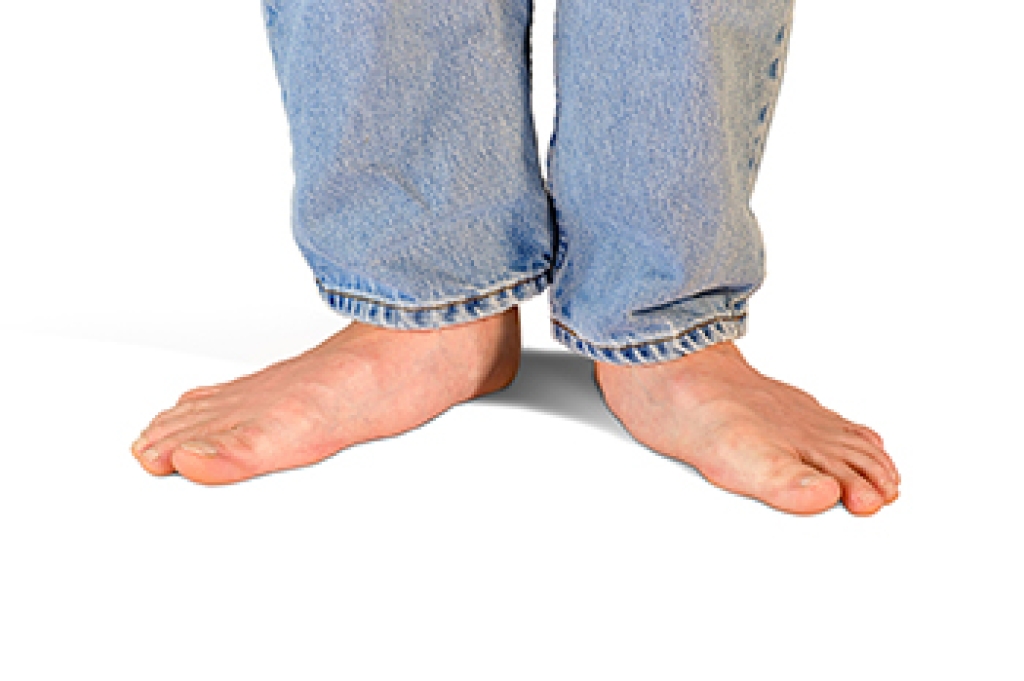
Flat feet, also known as fallen arches, occur when the arches of the feet collapse or are not properly developed. This condition can cause the entire foot to make contact with the ground while standing. Flat feet may be caused by genetics, injury, aging, or conditions like obesity and arthritis. Common symptoms include foot pain, particularly in the arch or heel, swelling, and discomfort during physical activities. Some people may experience knee, hip, or lower back pain due to the altered biomechanics of the body. Diagnosis typically involves a physical examination and imaging tests like X-rays to assess foot alignment. Treatment options range from wearing supportive footwear and custom orthotics to surgery for severe cases. While many people live comfortably with flat feet, untreated cases can lead to complications like tendonitis, arthritis, and chronic pain. If you have pain from flat feet, it is suggested that you consult a podiatrist for a diagnosis and pain-relieving treatment.

Flatfoot is a condition many people suffer from. If you have flat feet, contact Howard Abramsohn, DPM from Ambulatory Foot and Ankle Associates, LLC. Our doctor will treat your foot and ankle needs.

What Are Flat Feet?

Flatfoot is a condition in which the arch of the foot is depressed and the sole of the foot is almost completely in contact with the ground. About 20-30% of the population generally has flat feet because their arches never formed during growth.

Conditions & Problems:

Having flat feet makes it difficult to run or walk because of the stress placed on the ankles.

Alignment – The general alignment of your legs can be disrupted, because the ankles move inward which can cause major discomfort.

Knees – If you have complications with your knees, flat feet can be a contributor to arthritis in that area.  

Symptoms

  • Pain around the heel or arch area
  • Trouble standing on the tip toe
  • Swelling around the inside of the ankle
  • Flat look to one or both feet
  • Having your shoes feel uneven when worn

Treatment

If you are experiencing pain and stress on the foot you may weaken the posterior tibial tendon, which runs around the inside of the ankle. 

If you have any questions, please feel free to contact our office located in Mt Laurel Township, NJ . We offer the newest diagnostic and treatment technologies for all your foot care needs.

Read more about Flatfoot

Connect With Us