
We are now hiring! If interested, please call us at (856) 234-5180.

Plantar Fasciitis Surgery Realities

Plantar fasciitis, a common cause of heel pain, may necessitate surgery in severe cases when conservative treatments prove ineffective. The surgical approach typically involves releasing tension on the plantar fascia, either partially or completely. It is essential to understand that surgery is considered a last resort after exhausting non-invasive options. Recovery can be lengthy, requiring patience and adherence to post-operative instructions. Complications, though rare, may include infection, nerve damage, or incomplete pain relief. Prior to surgery, thorough consultation with a podiatrist is imperative for accurate diagnosis and determining the appropriateness of surgical intervention. While success rates are generally high, individual outcomes vary. Understanding the facts about plantar fasciitis surgery aids in informed decision-making, emphasizing the importance of exploring conservative treatments before considering surgical options for this persistent and often debilitating foot condition. If you have plantar fasciitis, it is strongly suggested that you consult a podiatrist who can determine if surgery is right for you.

Foot surgery is sometimes necessary to treat a foot ailment. To learn more, contact Howard Abramsohn, DPM of Ambulatory Foot and Ankle Associates, LLC. Our doctor will assist you with all of your foot and ankle needs.

When Is Surgery Necessary?

Foot and ankle surgery is generally reserved for cases in which less invasive, conservative procedures have failed to alleviate the problem. Some of the cases in which surgery may be necessary include:

  • Removing foot deformities like bunions and bone spurs
  • Severe arthritis that has caused bone issues
  • Cosmetic reconstruction

What Types of Surgery Are There?

The type of surgery you receive will depend on the nature of the problem you have. Some of the possible surgeries include:

  • Bunionectomy for painful bunions
  • Surgical fusion for realignment of bones
  • Neuropathy decompression surgery to treat nerve damage

Benefits of Surgery

Although surgery is usually a last resort, it can provide more complete pain relief compared to non-surgical methods and may allow you to finally resume full activity.

Surgical techniques have also become increasingly sophisticated. Techniques like endoscopic surgery allow for smaller incisions and faster recovery times.

If you have any questions, please feel free to contact our office located in Mt Laurel Township, NJ . We offer the newest diagnostic and treatment technologies for all your foot care needs.
Read more about Foot Surgery

Reminder: When Was the Last Time...?

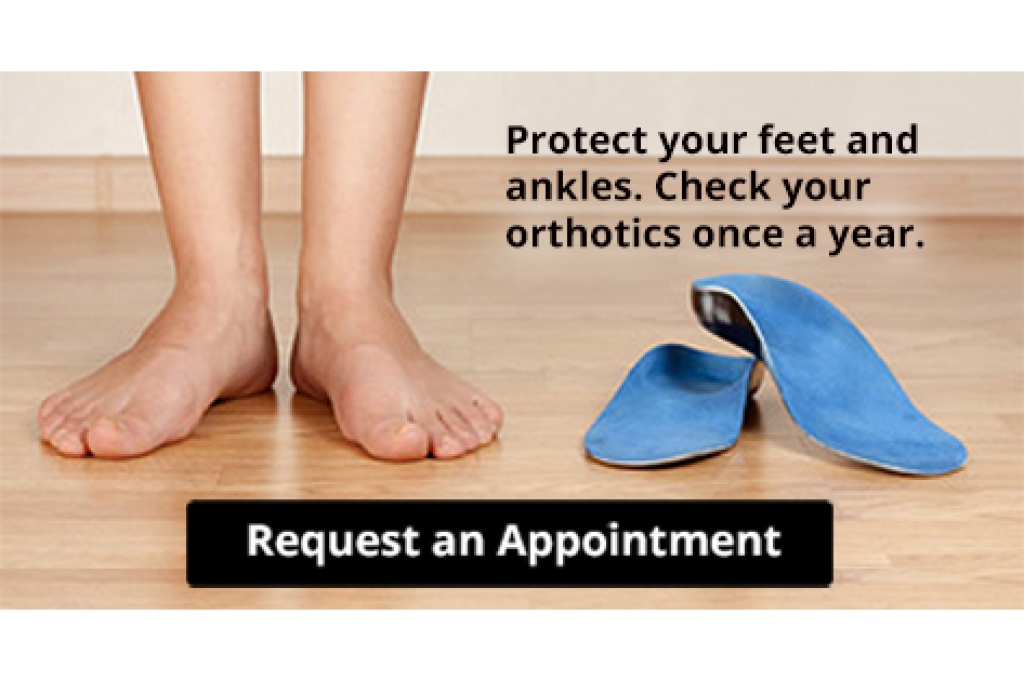
Custom orthotics, or shoe inserts, should be periodically replaced. Orthotics must fit properly to give you the best results. Protect your feet and ankles!

High Heels and Their Impact on Foot Posture

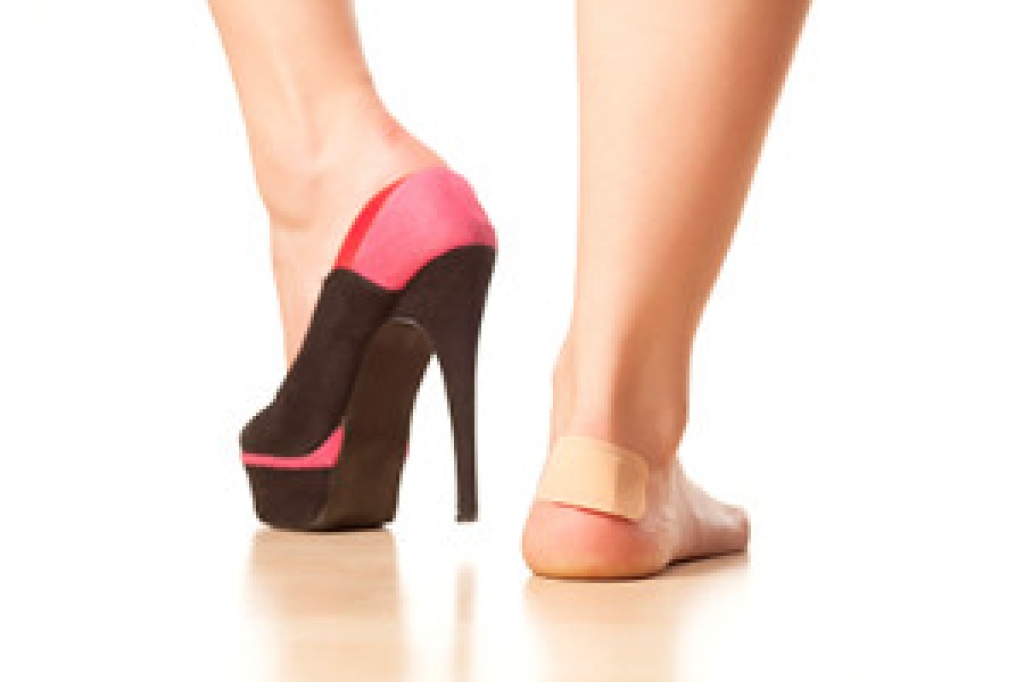
High heels, synonymous with style and sophistication, often come at a cost to foot health, profoundly influencing foot posture. The elevated heel forces a redistribution of body weight, prompting a forward tilt of the pelvis and altering the natural curvature of the spine. This shift places increased pressure on the balls of the feet, and may lead to conditions such as metatarsalgia, characterized by pain and inflammation in the front part of the foot. The Achilles tendon undergoes increased tension, potentially causing tightness and discomfort. Prolonged wear of high heels can contribute to the shortening of the calf muscles, limiting flexibility and disrupting the overall biomechanics of the foot. Ankle instability and a higher risk of sprains are also associated with frequent high heel use. Understanding the impact of high heels on foot posture emphasizes the importance of moderation and the occasional choice of comfortable footwear to maintain optimal foot health. If you are experiencing foot pain brought about by wearing high heels, it is suggested that you confer with a podiatrist for treatment options.

High heels have a history of causing foot and ankle problems. If you have any concerns about your feet or ankles, contact Howard Abramsohn, DPM from Ambulatory Foot and Ankle Associates, LLC. Our doctor can provide the care you need to keep you pain-free and on your feet.

Effects of High Heels on the Feet

High heels are popular shoes among women because of their many styles and societal appeal.  Despite this, high heels can still cause many health problems if worn too frequently.

Which Parts of My Body Will Be Affected by High Heels?

  • Ankle Joints
  • Achilles Tendon – May shorten and stiffen with prolonged wear
  • Balls of the Feet
  • Knees – Heels cause the knees to bend constantly, creating stress on them
  • Back – They decrease the spine’s ability to absorb shock, which may lead to back pain.  The vertebrae of the lower back may compress.

What Kinds of Foot Problems Can Develop from Wearing High Heels?

  • Corns
  • Calluses
  • Hammertoe
  • Bunions
  • Morton’s Neuroma
  • Plantar Fasciitis

How Can I Still Wear High Heels and Maintain Foot Health?

If you want to wear high heeled shoes, make sure that you are not wearing them every day, as this will help prevent long term physical problems.  Try wearing thicker heels as opposed to stilettos to distribute weight more evenly across the feet.  Always make sure you are wearing the proper shoes for the right occasion, such as sneakers for exercising.  If you walk to work, try carrying your heels with you and changing into them once you arrive at work.  Adding inserts to your heels can help cushion your feet and absorb shock. Full foot inserts or metatarsal pads are available. 

If you have any questions, please feel free to contact our office located in Mt Laurel Township, NJ . We offer the newest diagnostic and treatment technologies for all your foot care needs.
Read more about Effect of High Heels on the Feet

Definition and Causes of an Acute Ankle Sprain

An acute ankle sprain refers to a sudden and unexpected injury to the ligaments that support the ankle joint. These ligaments can become stretched or torn when the foot twists or turns beyond its normal range of motion. This injury often results from a misstep, an awkward landing, or a sudden change in direction, such as in sports activities. The causes of an acute ankle sprain are typically linked to excessive or forceful movements that strain the ankle ligaments. Common situations include stumbling on uneven ground, stepping off of a curb, or rolling the ankle during sports activities, such as basketball or soccer. Wearing high heels and poorly fitting footwear can also increase the risk of ankle sprains by destabilizing the ankle. Understanding the definition and causes of an acute ankle sprain is essential for both prevention and timely treatment. If you have sprained your ankle, it is strongly suggested that you consult a podiatrist who can accurately diagnose this condition, and offer treatment methods that are right for you.

Although ankle sprains are common, they aren’t always minor injuries. If you need your ankle injury looked at, contact Howard Abramsohn, DPM from Ambulatory Foot and Ankle Associates, LLC. Our doctor can provide the care you need to keep you pain-free and on your feet.

How Does an Ankle Sprain Occur?

Ankle sprains are the result of a tear in the ligaments within the ankle. These injuries may happen when you make a rapid shifting movement while your foot is planted. A less common way to sprain your ankle is when your ankle rolls inward while your foot turns outward.

What Are the Symptoms?

  • Pain at the sight of the tear
  • Bruising/Swelling
  • Ankle area is tender to touch
  • In severe cases, may hear/feel something tear
  • Skin discoloration

Preventing a Sprain

  • Wearing appropriate shoes for the occasion
  • Stretching before exercises and sports
  • Knowing your limits

Treatment of a Sprain

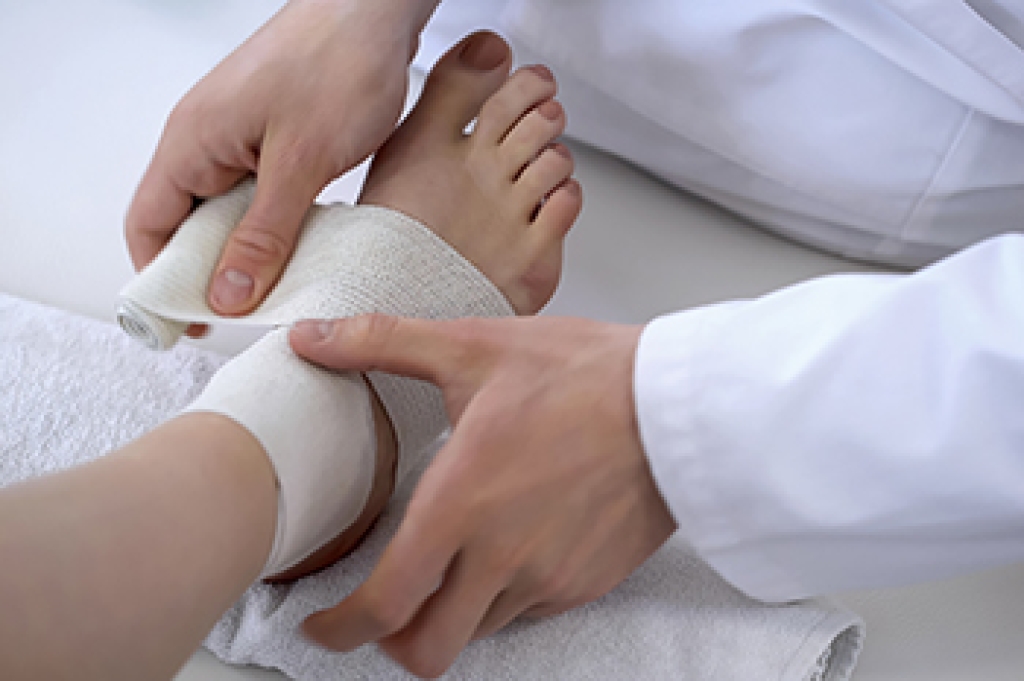
In many cases, the RICE method (Rest, Ice, Compression, and Elevate) is used to treat ankle sprains. However, you should see a podiatrist to see which treatment option would work best with your injury. In severe cases, surgery may be required.

It is important to ask your doctor about rehab options after you receive treatment for your injury. Stretching, strength training, and balance exercises may help the ankle heal while also preventing further injury.

If you have any questions, please feel free to contact our office located in Mt Laurel Township, NJ . We offer the newest diagnostic and treatment technologies for all your foot care needs.

Read more about Ankle Sprains

Using the Brannock Device for Proper Shoe Fitting

Fitting shoes properly is an important aspect of foot health and overall comfort. The Brannock device, a ubiquitous foot-measuring tool found in shoe stores, is a valuable tool for ensuring the right fit. Using the Brannock device is a straightforward process. Start by removing your current footwear and placing one foot onto the device's base, ensuring your heel is snug against the heel cup. Then, adjust the slider to reach the tip of your longest toe, typically the big toe. The device provides three key measurements, which are the heel-to-toe length, arch length, and width. Pay attention to all three as they contribute to a well-fitted shoe. The Brannock device takes the guesswork out of shoe sizing, enabling you to find the ideal fit. Remember that feet can vary in size, and it is essential to measure both feet. When trying on shoes, use the larger foot's measurements as a guide for the best overall fit. Properly fitted shoes can prevent discomfort, reduce the risk of foot problems, and provide a foundation for healthy, happy feet. A podiatrist can assist you in how to use the Brannock device to obtain your proper shoe size, and it is suggested that you confer with this type of doctor for any questions you may have.

It is important to find shoes that fit you properly in order to avoid a variety of different foot problems. For more information about treatment, contact Howard Abramsohn, DPM from Ambulatory Foot and Ankle Associates, LLC. Our doctor will treat your foot and ankle needs.

Proper Shoe Fitting

Shoes have many different functions. They cushion our body weight, protect our feet, and allow us to safely play sports. You should always make sure that the shoes you wear fit you properly in order to avoid injuries and deformities such as: bunions, corns, calluses, hammertoes, plantar fasciitis, stress fractures, and more. It is important to note that although a certain pair of shoes might be a great fit for someone else, that doesn’t mean they will be a great fit for you. This is why you should always try on shoes before buying them to make sure they are worth the investment. Typically, shoes need to be replaced ever six months to one year of regular use.

Tips for Proper Shoe Fitting

  • Select a shoe that is shaped like your foot
  • Don’t buy shoes that fit too tight, expecting them to stretch to fit
  • Make sure there is enough space (3/8” to ½”) for your longest toe at the end of each shoe when you are standing up
  • Walk in the shoes to make sure they fit and feel right
  • Don’t select shoes by the size marked inside the shoe, but by how the shoe fits your foot

The shoes you buy should always feel as good as they look. Shoes that fit properly will last longer, feel better, and improve your way of life each day.

If you have any questions please contact our office located in Mt Laurel Township, NJ . We offer the newest diagnostic and treatment technologies for all your foot and ankle needs.

Read more about How to Get a Proper Shoe Fit

Connect With Us