We are now hiring! If interested, please call us at (856) 234-5180.

Causes of Bunions

Bunions are often caused by genetics, abnormal foot structure, or arthritis, leading to the gradual misalignment of the big toe. People with a family history of bunions are more likely to develop them, as genetic factors can influence foot shape. Abnormal foot mechanics, such as flat feet or an imbalance in the way you walk, can put excessive pressure on the toe joint, contributing to bunion formation. Arthritis, particularly osteoarthritis, can also cause joint inflammation, leading to the development of bunions. Symptoms of bunions include pain, swelling, and redness at the base of the big toe. As the tip of the toe angles toward the second toe, it can be difficult to wear shoes and walk comfortably. In severe cases, the condition can cause stiffness or even hammertoe. A podiatrist can diagnose the condition and provide treatment options, including custom orthotics, anti-inflammatory medication, or surgery, if needed. If you have a painful bunion, it is suggested that you schedule an appointment with a podiatrist.

If you are suffering from bunion pain, contact Howard Abramsohn, DPM of Ambulatory Foot and Ankle Associates, LLC. Our doctor can provide the care you need to keep you pain-free and on your feet.

What Is a Bunion?

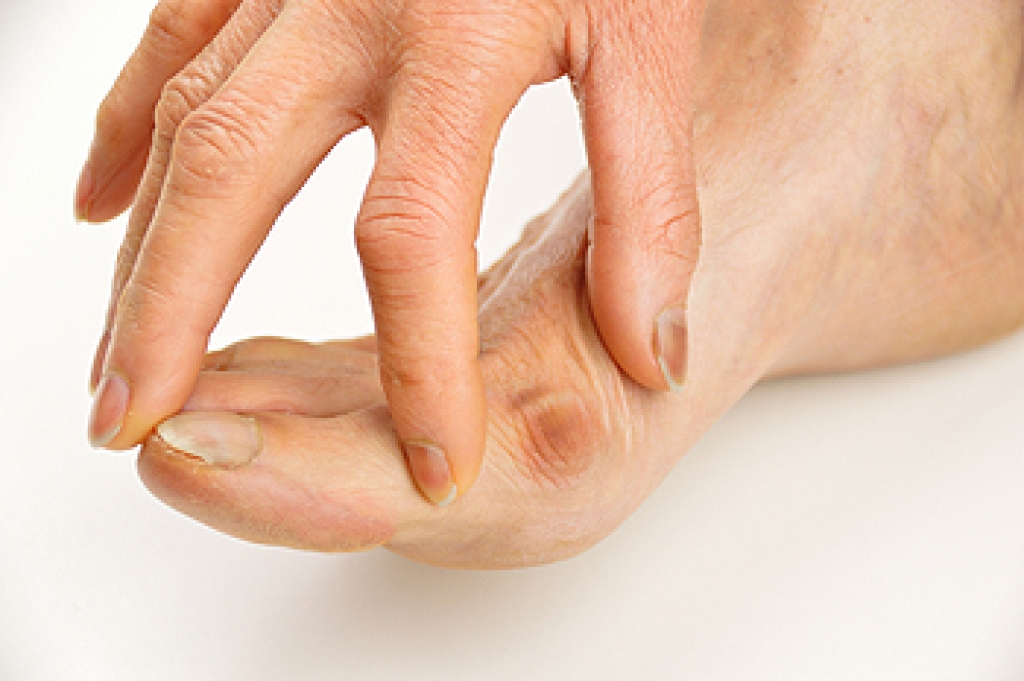
Bunions are painful bony bumps that usually develop on the inside of the foot at the joint of the big toe. As the deformity increases over time, it may become painful to walk and wear shoes. Women are more likely to exacerbate existing bunions since they often wear tight, narrow shoes that shift their toes together. Bunion pain can be relieved by wearing wider shoes with enough room for the toes.

Causes

  • Genetics – some people inherit feet that are more prone to bunion development
  • Inflammatory Conditions - rheumatoid arthritis and polio may cause bunion development

Symptoms

  • Redness and inflammation
  • Pain and tenderness
  • Callus or corns on the bump
  • Restricted motion in the big toe

In order to diagnose your bunion, your podiatrist may ask about your medical history, symptoms, and general health. Your doctor might also order an x-ray to take a closer look at your feet. Nonsurgical treatment options include orthotics, padding, icing, changes in footwear, and medication. If nonsurgical treatments don’t alleviate your bunion pain, surgery may be necessary.

If you have any questions, please feel free to contact our office located in Mt Laurel Township, NJ . We offer the newest diagnostic and treatment technologies for all your foot care needs.


Read more about What Are Bunions?

Gout Pain Can Be Managed

Gout is a painful, inflammatory form of arthritis. Those affected will typically feel an intense stiffness in the joints of their feet, particularly in the big toe. Schedule a visit to learn about how gout can be managed and treated.

Choosing the Right Shoes for Treadmill Workouts

Wearing the right shoes while using a treadmill is essential for comfort, injury prevention, and performance. Cushioning and shock absorption help reduce the impact on joints, making each step smoother and protecting the feet from strain. Stability ensures proper foot alignment, reducing the risk of ankle rolling or discomfort during movement. Good arch support provides balance and helps prevent issues like plantar fasciitis. Breathability is also important, as it allows airflow to keep the feet cool and dry, reducing the risk of blisters and discomfort. Additionally, comfort plays a key role in maintaining endurance during workouts, ensuring that the feet remain relaxed and well-supported. If you exercise on the treadmill and have developed foot pain, it is suggested that you consult a podiatrist who can guide you toward the correct shoes to wear.

You should always make sure your running shoes fit properly in order to avoid injury. For more information, contact Howard Abramsohn, DPM from Ambulatory Foot and Ankle Associates, LLC. Our doctor can provide the care you need to keep you pain-free and on your feet.

Choosing the Right Running Shoe for Your Foot Type

Improper shoe sizing can cause a myriad of problems for your feet. Shoes that don’t fit you properly can lead to muscular imbalances in your body, which can result in foot, knee, and hip injuries.

Tips for Finding the Right Running Shoe

  • Make sure you have a thumb’s width of wiggle room between the end of your longest toe and the front of the shoe.
  • There should be little to no slipping at the heel
  • Don’t assume your size in one shoe brand will be your size in another
  • Do not lace up your shoes too tightly
  • Walk around in the store with your new shoes before you buy them

If you have any questions, please feel free to contact our office located in Mt Laurel Township, NJ . We offer the newest diagnostic and treatment technologies for all your foot care needs.

Read more about Differences between Walking and Running Shoes

What Is a Heel Spur?

A heel spur is a bony growth that forms on the heel bone, typically at the point where the plantar fascia connects to the heel. It is often caused by repetitive strain or stress on the foot, which leads to inflammation in the surrounding tissues. Common causes include activities that involve excessive walking, running, or standing, especially on hard surfaces. People with flat feet or high arches are also more susceptible to developing heel spurs. Symptoms of a heel spur include sharp pain or discomfort at the bottom of the heel, particularly when standing up or walking after long periods of rest. The pain may decrease as the foot warms up but can return after prolonged activity. If you have heel pain, it is suggested that you consult a podiatrist who can accurately diagnose and treat what may be going on.

Heel spurs can be incredibly painful and sometimes may make you unable to participate in physical activities. To get medical care for your heel spurs, contact Howard Abramsohn, DPM from Ambulatory Foot and Ankle Associates, LLC. Our doctor will do everything possible to treat your condition.

Heels Spurs

Heel spurs are formed by calcium deposits on the back of the foot where the heel is. This can also be caused by small fragments of bone breaking off one section of the foot, attaching onto the back of the foot. Heel spurs can also be bone growth on the back of the foot and may grow in the direction of the arch of the foot.

Older individuals usually suffer from heel spurs and pain sometimes intensifies with age. One of the main condition's spurs are related to is plantar fasciitis.

Pain

The pain associated with spurs is often because of weight placed on the feet. When someone is walking, their entire weight is concentrated on the feet. Bone spurs then have the tendency to affect other bones and tissues around the foot. As the pain continues, the feet will become tender and sensitive over time.

Treatments

There are many ways to treat heel spurs. If one is suffering from heel spurs in conjunction with pain, there are several methods for healing. Medication, surgery, and herbal care are some options.

If you have any questions, please feel free to contact our office located in Mt Laurel Township, NJ . We offer the newest diagnostic and treatment technologies for all your foot care needs.
Read more about How to Treat Heel Spurs

Common Locations and Causes of Plantar Warts

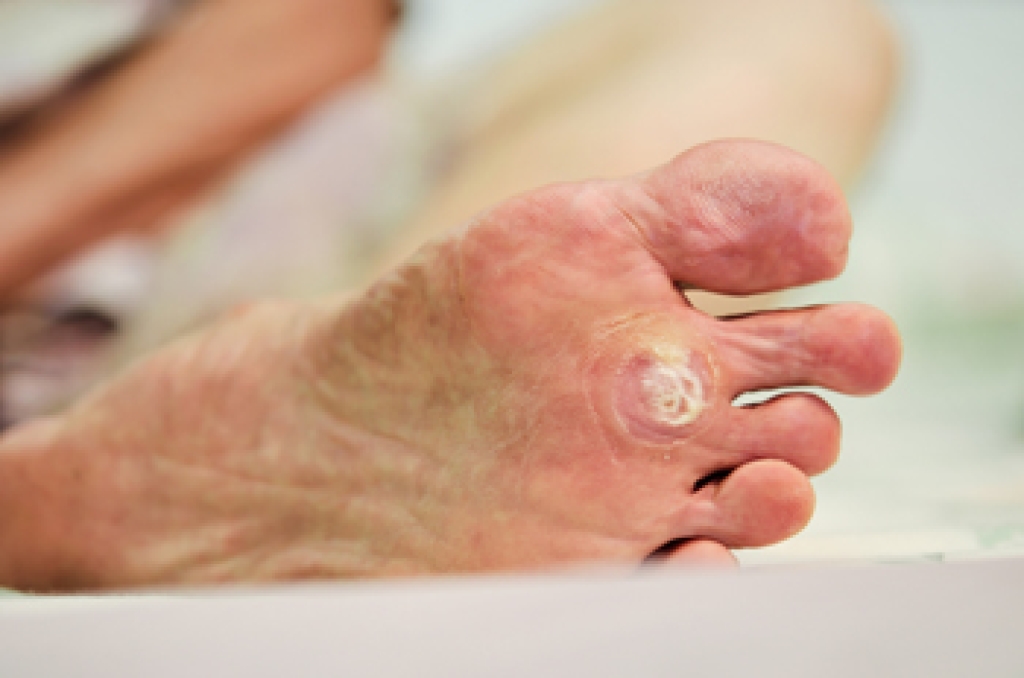
Plantar warts are small, rough growths that develop on the soles of the feet due to a viral infection. They are caused by the human papillomavirus, or HPV, which enters the skin through tiny cuts or abrasions. These warts often appear on weight-bearing areas, such as the heels or the balls of the feet, where pressure can cause them to grow inward, creating discomfort or pain while walking. The virus thrives in warm, moist environments, making public showers, around swimming pools, and locker rooms common places for exposure. People with weakened immune systems or frequent barefoot exposure to contaminated surfaces are at higher risk. Plantar warts can cause significant discomfort, and it may be difficult to complete daily activities. If you have developed this condition, it is suggested that you consult a podiatrist who can offer effective treatment solutions.

Plantar warts can be very uncomfortable. If you need your feet checked, contact Howard Abramsohn, DPM from Ambulatory Foot and Ankle Associates, LLC. Our doctor will assist you with all of your foot and ankle needs.

About Plantar Warts

Plantar warts are the result of HPV, or human papillomavirus, getting into open wounds on the feet. They are mostly found on the heels or balls of the feet.

While plantar warts are generally harmless, those experiencing excessive pain or those suffering from diabetes or a compromised immune system require immediate medical care. Plantar warts are easily diagnosed, usually through scraping off a bit of rough skin or by getting a biopsy.

Symptoms

  • Lesions on the bottom of your feet, usually rough and grainy
  • Hard or thick callused spots
  • Wart seeds, which are small clotted blood vessels that look like little black spots
  • Pain, discomfort, or tenderness of your feet when walking or standing

Treatment

  • Freezing
  • Electric tool removal
  • Laser Treatment
  • Topical Creams (prescription only)
  • Over-the-counter medications

To help prevent developing plantar warts, avoid walking barefoot over abrasive surfaces that can cause cuts or wounds for HPV to get into. Avoiding direct contact with other warts, as well as not picking or rubbing existing warts, can help prevent the further spread of plantar warts. However, if you think you have developed plantar warts, speak to your podiatrist. He or she can diagnose the warts on your feet and recommend the appropriate treatment options.

If you have any questions, please feel free to contact our office located in Mt Laurel Township, NJ . We offer the newest diagnostic and treatment technologies for all your foot care needs.

Read more about What Are Plantar Warts?

Connect With Us