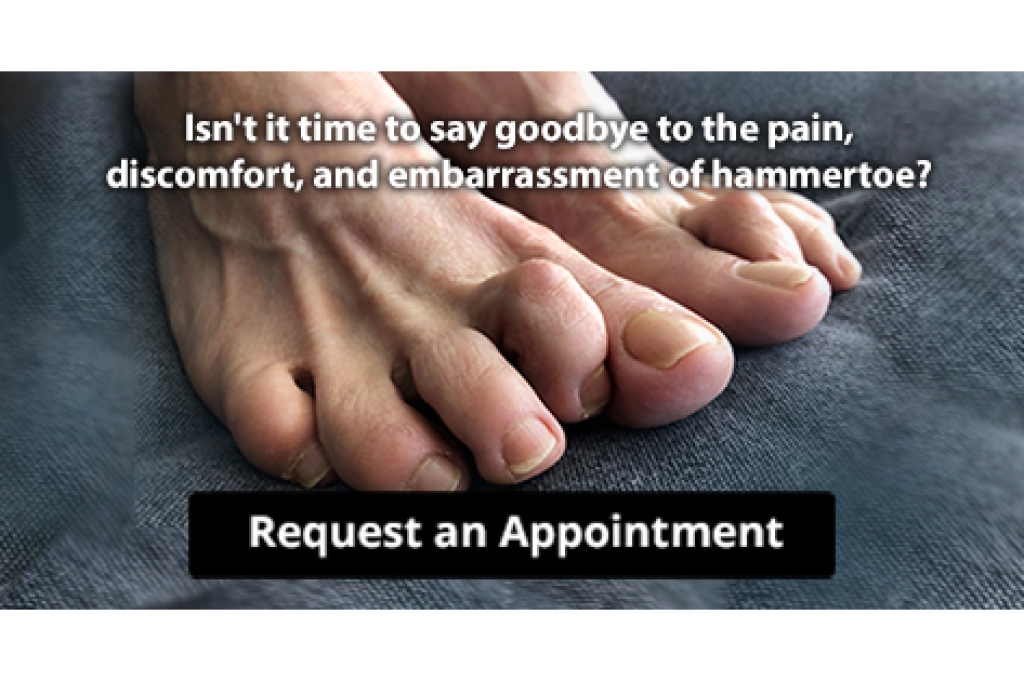
Painful deformities, such as hammertoes, can be treated. Stop living with foot pain, and have beautiful feet again!
Painful deformities, such as hammertoes, can be treated. Stop living with foot pain, and have beautiful feet again!

Selecting the right hiking boots is a big decision for any outdoor enthusiast. These boots can make or break your hiking experience, impacting your comfort, support, and overall safety on the trail. This can begin by considering the terrain you plan to hike. Different types of hikes, whether on rocky trails, muddy paths, or steep ascents, require specific features in your boots. Choose a boot with appropriate sole traction, ankle support, and water resistance that matches your hiking environment. This can be followed by focusing on fit. Ensuring your hiking boots fit snugly, but leaving enough room for your toes to wiggle comfortably. Try on boots in the late afternoon when your feet are slightly swollen to mimic conditions on the trail. It is beneficial to break in your boots before embarking on a long hike. Wear them around your home or on shorter walks to allow them to mold to your feet and prevent painful blisters. Lastly, consider your personal preferences. Some hikers prefer lightweight and flexible boots, while others prioritize durability and sturdiness. If you would like more information about what type of hiking boots to buy, it is suggested that you confer with a podiatrist who can provide you with the knowledge you are seeking.
Finding a properly-fitting shoe is important in reducing injuries and preventing foot problems. For more information about treatment, contact Howard Abramsohn, DPM from Ambulatory Foot and Ankle Associates, LLC. Our doctor will treat your foot and ankle needs.
Proper Shoe Fitting
A common concern when it comes to foot health, having properly fitted shoes can help prevent injuries to the foot. Out feet affect our posture and gait, which in turn affects the biomechanics and overall bodily structure. With 33 joints, 26 bones, and over 100 ligaments, the potential for serious injury is much greater than one realizes. Although the feet cease growth in adulthood, they still change shape as they mature. Here are some factors to consider when it comes to investing in proper fitting shoes:
Keeping in mind how shoes fit the biomechanics of your body, properly-fitting shoes are vitally important. Fortunately, it is not difficult to acquire footwear that fits correctly. Be sure to wear shoes that support the overall structure of your body. Do your feet a favor and invest in several pairs of well-fitted shoes today.
If you have any questions, please feel free to contact our office located in Mt Laurel Township, NJ . We offer the newest diagnostic and treatment technologies for all your foot care needs.

Diabetic peripheral neuropathy, or DPN, is a common complication of diabetes. It occurs when high blood sugar levels damage the nerves, especially those in the legs and feet. DPN can lead to various symptoms, including numbness, tingling, burning sensations, and pain in the affected areas. It can also cause muscle weakness and affect balance and coordination. Over time, it can have serious complications if not managed properly. Surgery to release nerves in the legs has been shown to help people with this affliction and researchers have found that when people had such surgery, they experienced less pain and had an improved ability to feel touch. Surgery on a specific nerve in the tarsal tunnel area seemed to work best in these cases, and those who underwent such surgery were less likely to get ulcers or need amputation. If you suffer from DPN, it is strongly suggested that you make an appointment with a podiatrist for a full evaluation and treatment. Surgery may or may not be right for you, but new developments are constantly being made in this area that can potentially be helpful.
Foot surgery is sometimes necessary to treat a foot ailment. To learn more, contact Howard Abramsohn, DPM of Ambulatory Foot and Ankle Associates, LLC. Our doctor will assist you with all of your foot and ankle needs.
When Is Surgery Necessary?
Foot and ankle surgery is generally reserved for cases in which less invasive, conservative procedures have failed to alleviate the problem. Some of the cases in which surgery may be necessary include:
What Types of Surgery Are There?
The type of surgery you receive will depend on the nature of the problem you have. Some of the possible surgeries include:
Benefits of Surgery
Although surgery is usually a last resort, it can provide more complete pain relief compared to non-surgical methods and may allow you to finally resume full activity.
Surgical techniques have also become increasingly sophisticated. Techniques like endoscopic surgery allow for smaller incisions and faster recovery times.
If you have any questions, please feel free to contact our office located in Mt Laurel Township, NJ . We offer the newest diagnostic and treatment technologies for all your foot care needs.
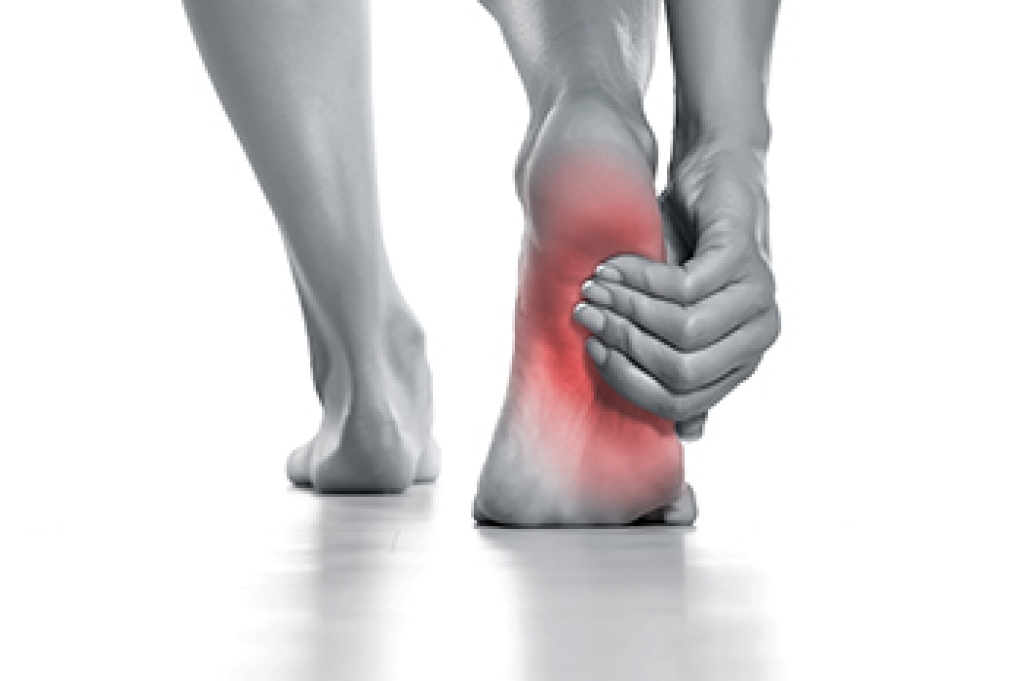
Heel pain is a common ailment that can disrupt daily life and activities. One of the primary culprits is plantar fasciitis, which occurs when the thick band of tissue known as the plantar fascia becomes inflamed or irritated. The plantar fascia is found on the bottom of the foot, and connects the heel to the toes. Plantar fasciitis often results from overuse, wearing improper footwear, or a sudden increase in physical activity. Another common cause of heel pain is Achilles tendonitis, which affects the Achilles tendon at the back of the heel, usually as a result of excessive strain or overuse. To alleviate heel pain, it is beneficial to rest and elevate the affected foot. Wearing proper footwear with adequate arch support can significantly help, in addition to wearing custom orthotic inserts. Performing stretching exercises for the calf muscles and Achilles tendon also can aid in recovery. In severe cases, surgical intervention may be necessary. If you are experiencing heel pain, it is strongly suggested that you make an appointment with a podiatrist who can determine the cause and offer treatment options that are right for you.
Many people suffer from bouts of heel pain. For more information, contact Howard Abramsohn, DPM of Ambulatory Foot and Ankle Associates, LLC. Our doctor can provide the care you need to keep you pain-free and on your feet.
Causes of Heel Pain
Heel pain is often associated with plantar fasciitis. The plantar fascia is a band of tissues that extends along the bottom of the foot. A rip or tear in this ligament can cause inflammation of the tissue.
Achilles tendonitis is another cause of heel pain. Inflammation of the Achilles tendon will cause pain from fractures and muscle tearing. Lack of flexibility is also another symptom.
Heel spurs are another cause of pain. When the tissues of the plantar fascia undergo a great deal of stress, it can lead to ligament separation from the heel bone, causing heel spurs.
Why Might Heel Pain Occur?
Treatments
Heel pain should be treated as soon as possible for immediate results. Keeping your feet in a stress-free environment will help. If you suffer from Achilles tendonitis or plantar fasciitis, applying ice will reduce the swelling. Stretching before an exercise like running will help the muscles. Using all these tips will help make heel pain a condition of the past.
If you have any questions, please feel free to contact our office located in Mt Laurel Township, NJ . We offer the newest diagnostic and treatment technologies for all your foot care needs.

Symptoms that are associated with poor circulation can include cold or discolored feet, and there may be numbness or a tingling sensation. Poor circulation can come from closed, hardened, or narrowed blood vessels that can prevent adequate blood, oxygen, and nutrients from being transported through the body. There may be underlying reasons that can lead to poor circulation. These can include Raynaud’s disease, which can limit blood flow to the fingers and toes, and acrocyanosis, causing the toes to turn blue from constricting blood vessels. Additionally, poor circulation is common among diabetic patients as a result of damaged blood vessels. Poor circulation may also affect people who smoke, are inactive, or who have high cholesterol or blood pressure. Mild relief may be found when the feet are massaged, relaxation techniques are practiced, and physical activity is increased. If you have symptoms of poor circulation, it is suggested that you confer with a podiatrist who can offer you the correct treatment options.
Poor circulation is a serious condition and needs immediate medical attention. If you have any concerns with poor circulation in your feet contact Howard Abramsohn, DPM of Ambulatory Foot and Ankle Associates, LLC. Our doctor will treat your foot and ankle needs.
Poor Circulation in the Feet
Poor blood circulation in the feet and legs is can be caused by peripheral artery disease (PAD), which is the result of a buildup of plaque in the arteries.
Plaque buildup or atherosclerosis results from excess calcium and cholesterol in the bloodstream. This can restrict the amount of blood which can flow through the arteries. Poor blood circulation in the feet and legs are sometimes caused by inflammation in the blood vessels, known as vasculitis.
Causes
Lack of oxygen and oxygen from poor blood circulation restricts muscle growth and development. It can also cause:
Those who have diabetes or smoke are at greatest risk for poor circulation, as are those who are over 50. If you have poor circulation in the feet and legs it may be caused by PAD and is important to make changes to your lifestyle in order to reduce risk of getting a heart attack or stroke. Exercise and maintaining a healthy lifestyle will dramatically improve conditions.
As always, see a podiatrist as he or she will assist in finding a regimen that suits you. A podiatrist can also prescribe you any needed medication.
If you have any questions, please feel free to contact our office located in Mt Laurel Township, NJ . We offer the newest diagnostic and treatment technologies for all your foot care needs.

In the world of rugby, players frequently grapple with the physical demands of their sport, including that associated with tackles and rapid bursts of running. These actions place immense strain on the feet and ankles, crucial for balance and propulsion in scrums or while evading tackles. Proper form is paramount, especially when deadlifting and squatting. In junior and adolescent rugby, common foot related issues include Osgood-Schlatter's and Sinding-Larsen-Johansson syndrome, which cause knee pain, as well as Sever's disease, leading to heel discomfort. Shin splints and ankle sprains are also prevalent. Senior rugby players encounter additional concerns such as forefoot pain, calf and hamstring tears, and conditions that can include plantar fasciitis and Achilles tendon pain. Preventing and treating these issues involves assessments, tailored treatments, and analyzing movement patterns. It is also beneficial to address structural problems, and incorporate strength programs and balance training. Treatments range from strapping and having footwear assessments to orthotics and advanced rehabilitation techniques. If you or your child plays rugby, and especially if either one of you has endured a foot or ankle injury, it is suggested that you make an appointment with a podiatrist for further advice and necessary treatment.
Sports related foot and ankle injuries require proper treatment before players can go back to their regular routines. For more information, contact Howard Abramsohn, DPM of Ambulatory Foot and Ankle Associates, LLC. Our doctor can provide the care you need to keep you pain-free and on your feet.
Sports Related Foot and Ankle Injuries
Foot and ankle injuries are a common occurrence when it comes to athletes of any sport. While many athletes dismiss the initial aches and pains, the truth is that ignoring potential foot and ankle injuries can lead to serious problems. As athletes continue to place pressure and strain the area further, a mild injury can turn into something as serious as a rupture and may lead to a permanent disability. There are many factors that contribute to sports related foot and ankle injuries, which include failure to warm up properly, not providing support or wearing bad footwear. Common injuries and conditions athletes face, including:
Sports related injuries are commonly treated using the RICE method. This includes rest, applying ice to the injured area, compression and elevating the ankle. More serious sprains and injuries may require surgery, which could include arthroscopic and reconstructive surgery. Rehabilitation and therapy may also be required in order to get any recovering athlete to become fully functional again. Any unusual aches and pains an athlete sustains must be evaluated by a licensed, reputable medical professional.
If you have any questions please contact our office located in Mt Laurel Township, NJ . We offer the newest diagnostic and treatment technologies for all your foot and ankle needs.
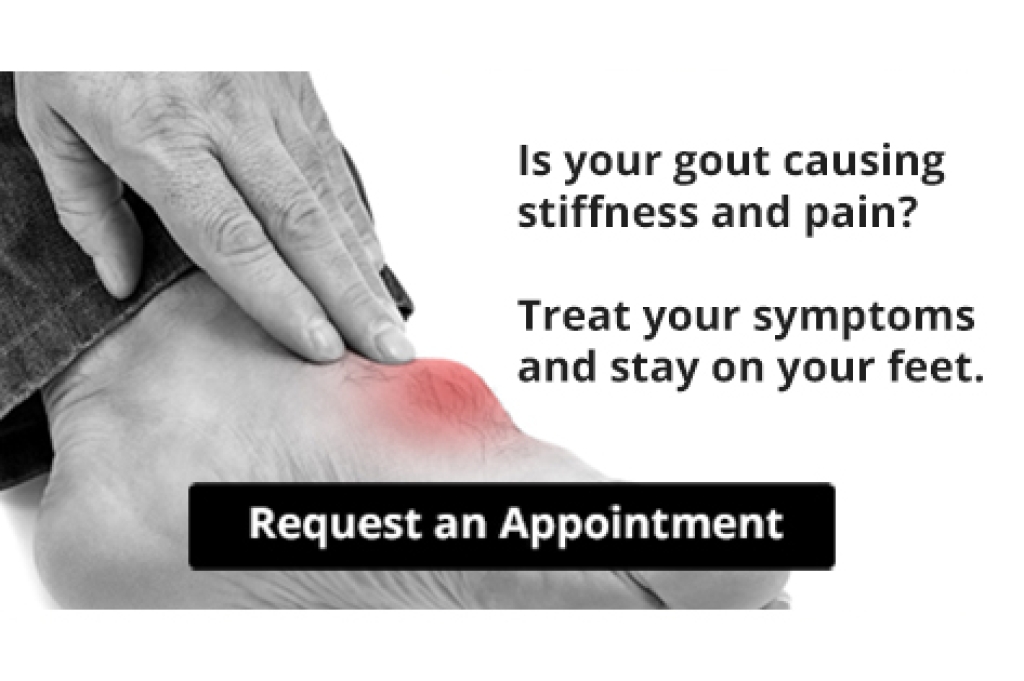
Gout is a painful, inflammatory form of arthritis. Those affected will typically feel an intense stiffness in the joints of their feet, particularly in the big toe. Schedule a visit to learn about how gout can be managed and treated.
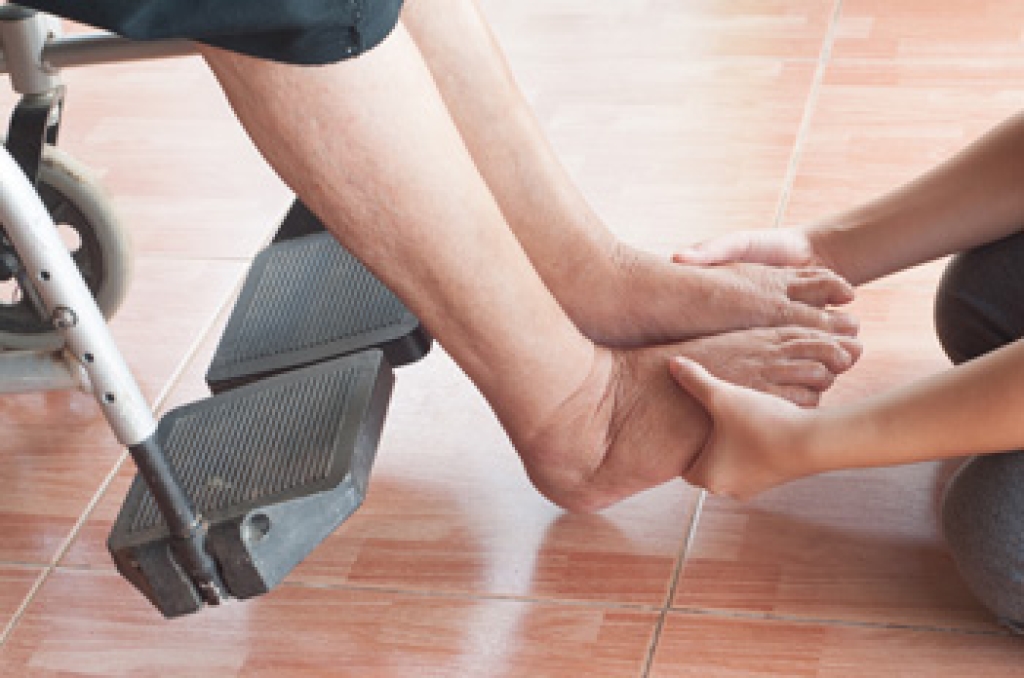
Older adults with foot problems often suffer from an increased risk of frailty, fall-related risks, and gait abnormalities. Foot problems are common among those who are older but do not differ by gender. Body fat percentage is more strongly associated with foot pain than body mass index, possibly due to the inflammatory effects of adipose tissue. Foot problems also cause weakness and exhaustion. Elderly patients with foot problems, especially those with foot pain and neuropathy, walk slower and have altered gait patterns. These issues also reduce the level and pattern of physical activity, which could accelerate frailty in this population. If you are older or taking care of someone who is, it is strongly suggested that you make an appointment with a podiatrist and seek regular exams to keep your feet as problem-free and healthy as possible. Doing so helps ensure increased safety, easier mobility, and greater independence.
Proper foot care is something many older adults forget to consider. If you have any concerns about your feet and ankles, contact Howard Abramsohn, DPM from Ambulatory Foot and Ankle Associates, LLC. Our doctor can provide the care you need to keep you pain-free and on your feet.
The Elderly and Their Feet
As we age we start to notice many changes in our body, but the elder population may not notice them right away. Medical conditions may prevent the elderly to take notice of their foot health right away. Poor vision is a lead contributor to not taking action for the elderly.
Common Conditions
Susceptible Infections
Diabetes and poor circulation can cause general loss of sensitivity over the years, turning a simple cut into a serious issue.
If you have any questions, please feel free to contact our office located in Mt Laurel Township, NJ . We offer the newest diagnostic and treatment technologies for all your foot care needs.
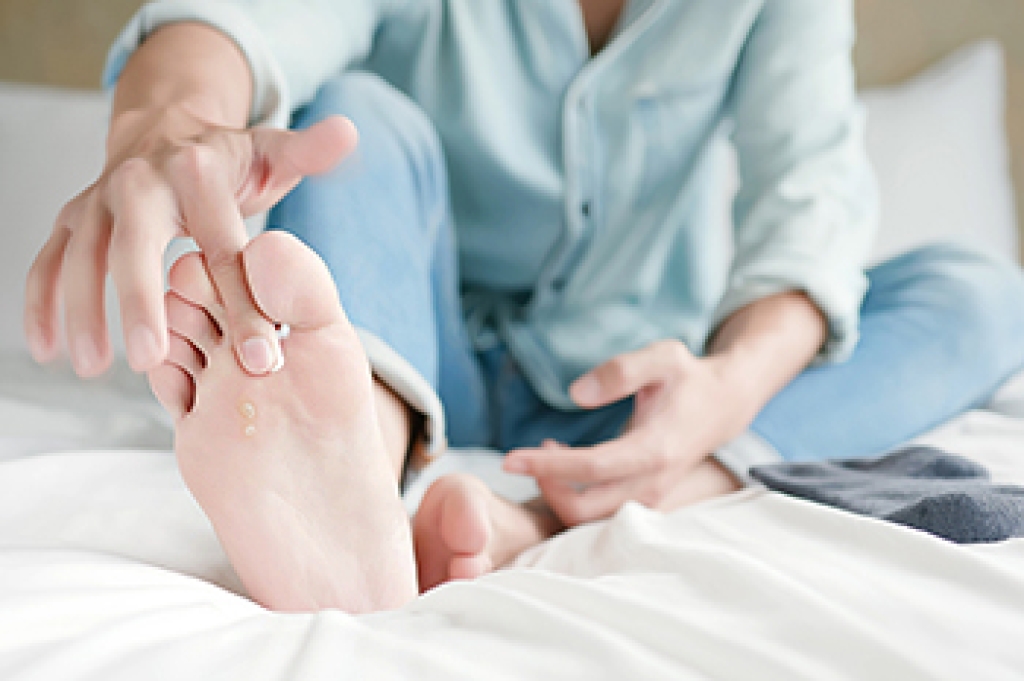
Athlete's foot, a common fungal skin infection known as tinea, is often caused by dermatophytes that live on the skin's surface. These fungi thrive in warm and damp places, like public swimming pools, gyms, and locker rooms, which are spots that athletes often visit. While anyone can get athlete's foot because it is highly contagious, men tend to get it more than women. The fungi also live in places on the skin that are warm and moist, such as the areas between the toes where sweat collects. Athlete's foot can spread when shoes rub against the skin, creating openings for the fungus to enter. Wearing closed shoes or dirty socks on a regular basis also might make you more prone to this condition. The athlete’s foot fungus can easily be spread by touching infected skin directly or indirectly. Walking on wet floors where the fungi live or sharing towels that may be infected can spread the infection. If athlete’s foot infections are advanced, it is suggested that you make an appointment with a podiatrist for treatment.
Athlete’s foot is an inconvenient condition that can be easily reduced with the proper treatment. If you have any concerns about your feet and ankles, contact Howard Abramsohn, DPM from Ambulatory Foot and Ankle Associates, LLC. Our doctor will treat your foot and ankle needs.
Athlete’s Foot: The Sole Story
Athlete's foot, also known as tinea pedis, can be an extremely contagious foot infection. It is commonly contracted in public changing areas and bathrooms, dormitory style living quarters, around locker rooms and public swimming pools, or anywhere your feet often come into contact with other people.
Solutions to Combat Athlete’s Foot
Athlete’s foot can cause many irritating symptoms such as dry and flaking skin, itching, and redness. Some more severe symptoms can include bleeding and cracked skin, intense itching and burning, and even pain when walking. In the worst cases, Athlete’s foot can cause blistering as well. Speak to your podiatrist for a better understanding of the different causes of Athlete’s foot, as well as help in determining which treatment options are best for you.
If you have any questions please feel free to contact our office located in Mt Laurel Township, NJ . We offer the newest diagnostic and treatment technologies for all your foot and ankle needs.
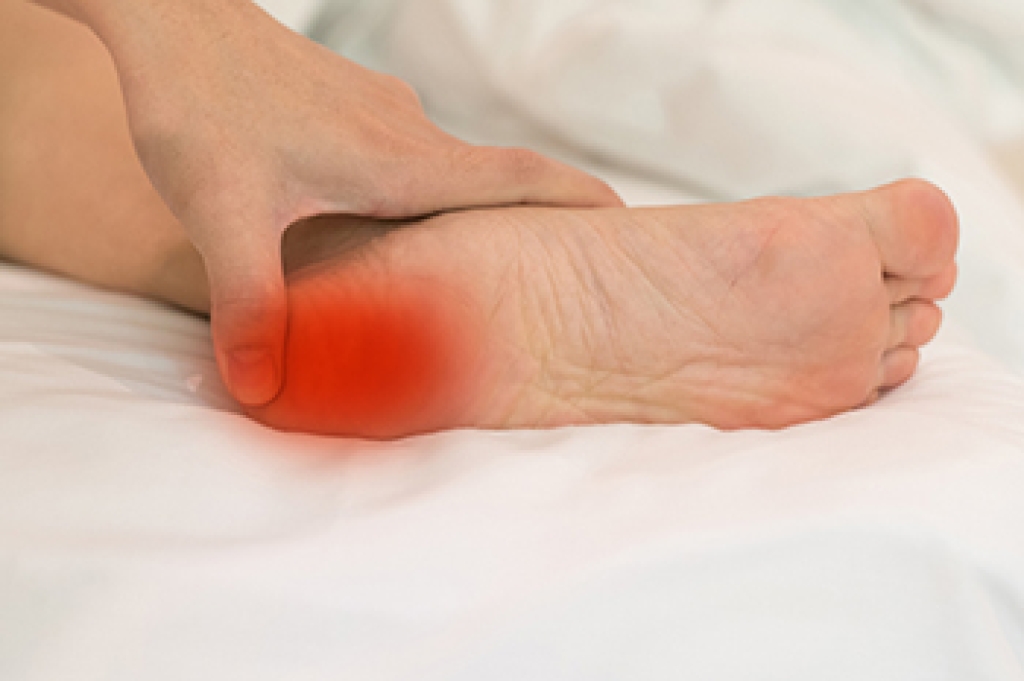
Sever's disease, a prevalent but misunderstood condition among growing adolescents, can introduce pain and discomfort in children and young teenagers. Contrary to its name, it's not a disease, but rather a heel disorder. It occurs when the growth plate in the heel becomes inflamed due to repetitive stress from physical activities. Common among active children during growth spurts, Sever's disease typically causes heel pain, particularly during exercise. Getting adequate rest and taking over-the-counter pain relievers can provide temporary relief. Long-term management involves adjusting activity levels, incorporating supportive footwear, and considering orthotic inserts. Stretching exercises targeting calf muscles and tendons may help to alleviate pressure. Seeking medical guidance from a podiatrist ensures an accurate diagnosis and tailored treatment plan, allowing young athletes to continue their pursuits with minimized discomfort. If your child has heel pain, it is strongly suggested you contact this type of doctor who can effectively diagnose and treat Sever’s disease.
Sever's disease often occurs in children and teens. If your child is experiencing foot or ankle pain, see Howard Abramsohn, DPM from Ambulatory Foot and Ankle Associates, LLC. Our doctor can treat your child’s foot and ankle needs.
Sever’s Disease
Sever’s disease is also known as calcaneal apophysitis, which is a medical condition that causes heel pain I none or both feet. The disease is known to affect children between the ages of 8 and 14.
Sever’s disease occurs when part of the child’s heel known as the growth plate (calcaneal epiphysis) is attached to the Achilles tendon. This area can suffer injury when the muscles and tendons of the growing foot do not keep pace with bone growth. Therefore, the constant pain which one experiences at the back of the heel will make the child unable to put any weight on the heel. The child is then forced to walk on their toes.
Symptoms
Acute pain – Pain associated with Sever’s disease is usually felt in the heel when the child engages in physical activity such as walking, jumping and or running.
Highly active – Children who are very active are among the most susceptible in experiencing Sever’s disease, because of the stress and tension placed on their feet.
If you have any questions, please feel free to contact our office located in Mt Laurel Township, NJ . We offer the newest diagnostic and treatment technologies for all your foot care needs.
Connect With Us
