
We are now hiring! If interested, please call us at (856) 234-5180.

Surgery for Diabetic Peripheral Neuropathy

Diabetic peripheral neuropathy, or DPN, is a common complication of diabetes. It occurs when high blood sugar levels damage the nerves, especially those in the legs and feet. DPN can lead to various symptoms, including numbness, tingling, burning sensations, and pain in the affected areas. It can also cause muscle weakness and affect balance and coordination. Over time, it can have serious complications if not managed properly. Surgery to release nerves in the legs has been shown to help people with this affliction and researchers have found that when people had such surgery, they experienced less pain and had an improved ability to feel touch. Surgery on a specific nerve in the tarsal tunnel area seemed to work best in these cases, and those who underwent such surgery were less likely to get ulcers or need amputation. If you suffer from DPN, it is strongly suggested that you make an appointment with a podiatrist for a full evaluation and treatment. Surgery may or may not be right for you, but new developments are constantly being made in this area that can potentially be helpful.

Foot surgery is sometimes necessary to treat a foot ailment. To learn more, contact Howard Abramsohn, DPM of Ambulatory Foot and Ankle Associates, LLC. Our doctor will assist you with all of your foot and ankle needs.

When Is Surgery Necessary?

Foot and ankle surgery is generally reserved for cases in which less invasive, conservative procedures have failed to alleviate the problem. Some of the cases in which surgery may be necessary include:

  • Removing foot deformities like bunions and bone spurs
  • Severe arthritis that has caused bone issues
  • Cosmetic reconstruction

What Types of Surgery Are There?

The type of surgery you receive will depend on the nature of the problem you have. Some of the possible surgeries include:

  • Bunionectomy for painful bunions
  • Surgical fusion for realignment of bones
  • Neuropathy decompression surgery to treat nerve damage

Benefits of Surgery

Although surgery is usually a last resort, it can provide more complete pain relief compared to non-surgical methods and may allow you to finally resume full activity.

Surgical techniques have also become increasingly sophisticated. Techniques like endoscopic surgery allow for smaller incisions and faster recovery times.

If you have any questions, please feel free to contact our office located in Mt Laurel Township, NJ . We offer the newest diagnostic and treatment technologies for all your foot care needs.
Read more about Foot and Ankle Surgery

Causes and Effective Remedies for Heel Pain

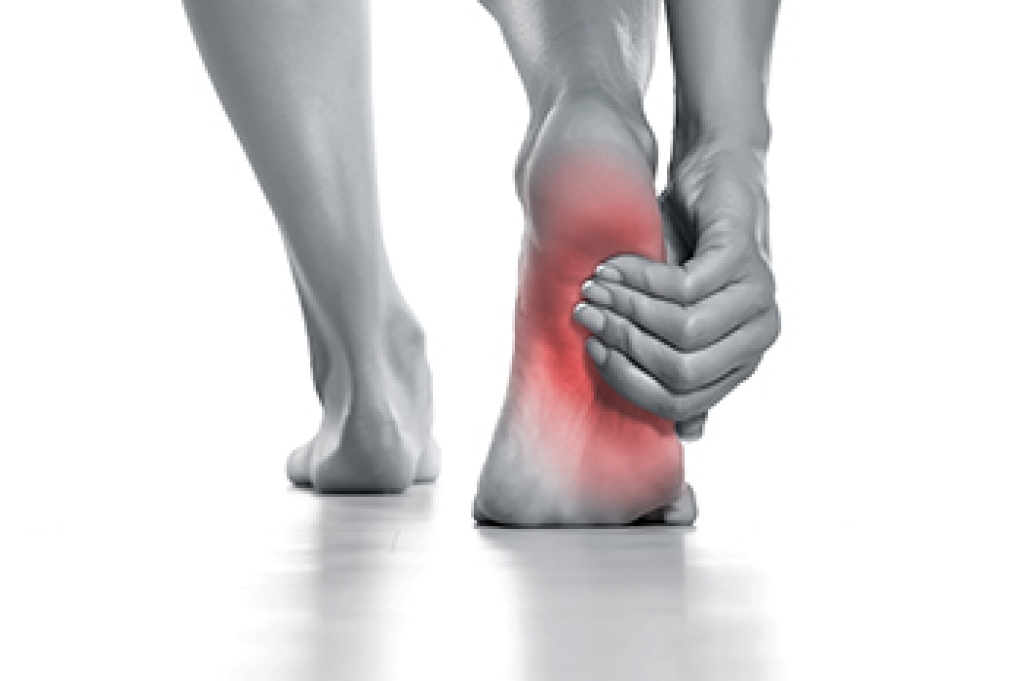
Heel pain is a common ailment that can disrupt daily life and activities. One of the primary culprits is plantar fasciitis, which occurs when the thick band of tissue known as the plantar fascia becomes inflamed or irritated. The plantar fascia is found on the bottom of the foot, and connects the heel to the toes. Plantar fasciitis often results from overuse, wearing improper footwear, or a sudden increase in physical activity. Another common cause of heel pain is Achilles tendonitis, which affects the Achilles tendon at the back of the heel, usually as a result of excessive strain or overuse. To alleviate heel pain, it is beneficial to rest and elevate the affected foot. Wearing proper footwear with adequate arch support can significantly help, in addition to wearing custom orthotic inserts. Performing stretching exercises for the calf muscles and Achilles tendon also can aid in recovery. In severe cases, surgical intervention may be necessary. If you are experiencing heel pain, it is strongly suggested that you make an appointment with a podiatrist who can determine the cause and offer treatment options that are right for you.

Many people suffer from bouts of heel pain. For more information, contact Howard Abramsohn, DPM of Ambulatory Foot and Ankle Associates, LLC. Our doctor can provide the care you need to keep you pain-free and on your feet.

Causes of Heel Pain

Heel pain is often associated with plantar fasciitis. The plantar fascia is a band of tissues that extends along the bottom of the foot. A rip or tear in this ligament can cause inflammation of the tissue.

Achilles tendonitis is another cause of heel pain. Inflammation of the Achilles tendon will cause pain from fractures and muscle tearing. Lack of flexibility is also another symptom.

Heel spurs are another cause of pain. When the tissues of the plantar fascia undergo a great deal of stress, it can lead to ligament separation from the heel bone, causing heel spurs.

Why Might Heel Pain Occur?

  • Wearing ill-fitting shoes                
  • Wearing non-supportive shoes
  • Weight change           
  • Excessive running

Treatments

Heel pain should be treated as soon as possible for immediate results. Keeping your feet in a stress-free environment will help. If you suffer from Achilles tendonitis or plantar fasciitis, applying ice will reduce the swelling. Stretching before an exercise like running will help the muscles. Using all these tips will help make heel pain a condition of the past.

If you have any questions, please feel free to contact our office located in Mt Laurel Township, NJ . We offer the newest diagnostic and treatment technologies for all your foot care needs.

Read more about Heel Pain

The Feet Can Be Affected by Poor Circulation

Symptoms that are associated with poor circulation can include cold or discolored feet, and there may be numbness or a tingling sensation. Poor circulation can come from closed, hardened, or narrowed blood vessels that can prevent adequate blood, oxygen, and nutrients from being transported through the body. There may be underlying reasons that can lead to poor circulation. These can include Raynaud’s disease, which can limit blood flow to the fingers and toes, and acrocyanosis, causing the toes to turn blue from constricting blood vessels. Additionally, poor circulation is common among diabetic patients as a result of damaged blood vessels. Poor circulation may also affect people who smoke, are inactive, or who have high cholesterol or blood pressure. Mild relief may be found when the feet are massaged, relaxation techniques are practiced, and physical activity is increased. If you have symptoms of poor circulation, it is suggested that you confer with a podiatrist who can offer you the correct treatment options.

Poor circulation is a serious condition and needs immediate medical attention. If you have any concerns with poor circulation in your feet contact Howard Abramsohn, DPM of Ambulatory Foot and Ankle Associates, LLC. Our doctor will treat your foot and ankle needs.

Poor Circulation in the Feet

Poor blood circulation in the feet and legs is can be caused by peripheral artery disease (PAD), which is the result of a buildup of plaque in the arteries.

Plaque buildup or atherosclerosis results from excess calcium and cholesterol in the bloodstream. This can restrict the amount of blood which can flow through the arteries. Poor blood circulation in the feet and legs are sometimes caused by inflammation in the blood vessels, known as vasculitis.

Causes

Lack of oxygen and oxygen from poor blood circulation restricts muscle growth and development. It can also cause:

  • Muscle pain, stiffness, or weakness 
  • Numbness or cramping in the legs
  • Skin discoloration
  • Slower nail & hair growth
  • Erectile dysfunction

Those who have diabetes or smoke are at greatest risk for poor circulation, as are those who are over 50. If you have poor circulation in the feet and legs it may be caused by PAD and is important to make changes to your lifestyle in order to reduce risk of getting a heart attack or stroke. Exercise and maintaining a healthy lifestyle will dramatically improve conditions.

As always, see a podiatrist as he or she will assist in finding a regimen that suits you. A podiatrist can also prescribe you any needed medication. 

If you have any questions, please feel free to contact our office located in Mt Laurel Township, NJ . We offer the newest diagnostic and treatment technologies for all your foot care needs.

Read more about Causes, Symptoms, and Treatment of Poor Blood Circulation in the Feet

Rugby and Foot Injuries

In the world of rugby, players frequently grapple with the physical demands of their sport, including that associated with tackles and rapid bursts of running. These actions place immense strain on the feet and ankles, crucial for balance and propulsion in scrums or while evading tackles. Proper form is paramount, especially when deadlifting and squatting. In junior and adolescent rugby, common foot related issues include Osgood-Schlatter's and Sinding-Larsen-Johansson syndrome, which cause knee pain, as well as Sever's disease, leading to heel discomfort. Shin splints and ankle sprains are also prevalent. Senior rugby players encounter additional concerns such as forefoot pain, calf and hamstring tears, and conditions that can include plantar fasciitis and Achilles tendon pain. Preventing and treating these issues involves assessments, tailored treatments, and analyzing movement patterns. It is also beneficial to address structural problems, and incorporate strength programs and balance training. Treatments range from strapping and having footwear assessments to orthotics and advanced rehabilitation techniques. If you or your child plays rugby, and especially if either one of you has endured a foot or ankle injury, it is suggested that you make an appointment with a podiatrist for further advice and necessary treatment.

Sports related foot and ankle injuries require proper treatment before players can go back to their regular routines. For more information, contact Howard Abramsohn, DPM of Ambulatory Foot and Ankle Associates, LLC. Our doctor can provide the care you need to keep you pain-free and on your feet.

Sports Related Foot and Ankle Injuries

Foot and ankle injuries are a common occurrence when it comes to athletes of any sport. While many athletes dismiss the initial aches and pains, the truth is that ignoring potential foot and ankle injuries can lead to serious problems. As athletes continue to place pressure and strain the area further, a mild injury can turn into something as serious as a rupture and may lead to a permanent disability. There are many factors that contribute to sports related foot and ankle injuries, which include failure to warm up properly, not providing support or wearing bad footwear. Common injuries and conditions athletes face, including:

  • Plantar Fasciitis
  • Achilles Tendinitis
  • Achilles Tendon Rupture
  • Ankle Sprains

Sports related injuries are commonly treated using the RICE method. This includes rest, applying ice to the injured area, compression and elevating the ankle. More serious sprains and injuries may require surgery, which could include arthroscopic and reconstructive surgery. Rehabilitation and therapy may also be required in order to get any recovering athlete to become fully functional again. Any unusual aches and pains an athlete sustains must be evaluated by a licensed, reputable medical professional.

If you have any questions please contact our office located in Mt Laurel Township, NJ . We offer the newest diagnostic and treatment technologies for all your foot and ankle needs.

Read more about Sports Related Foot And Ankle Injuries

Gout Pain Can Be Managed

Gout is a painful, inflammatory form of arthritis. Those affected will typically feel an intense stiffness in the joints of their feet, particularly in the big toe. Schedule a visit to learn about how gout can be managed and treated.

Connect With Us