We are now hiring! If interested, please call us at (856) 234-5180.

Unraveling the Facts About Adult Flat Feet

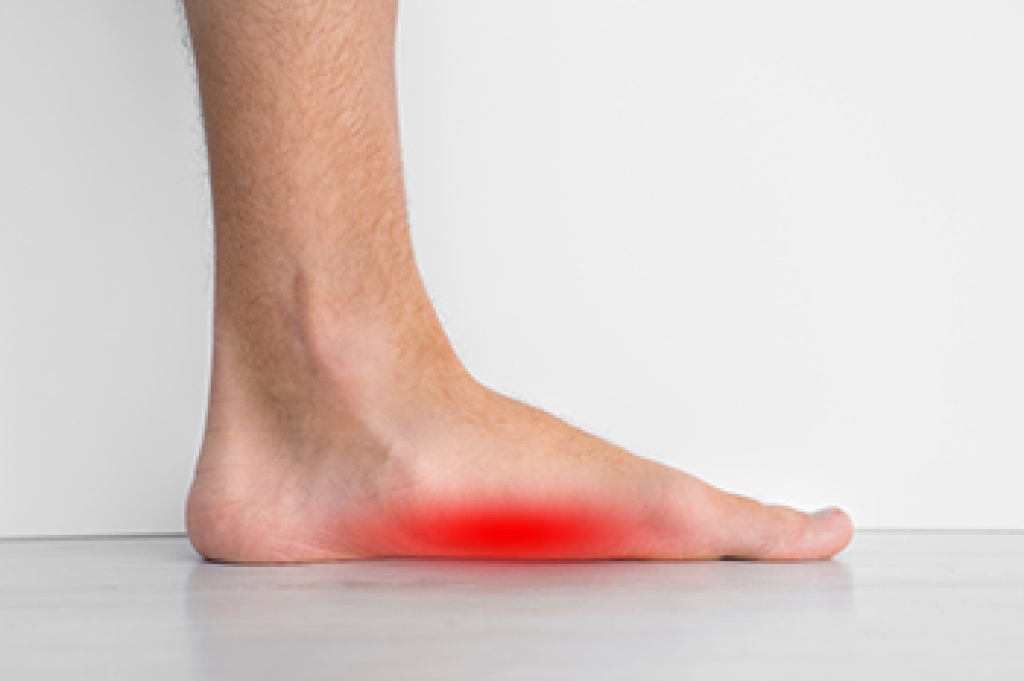
Flat feet, also known as fallen arches, are a prevalent condition that affects adults worldwide. Understanding the facts surrounding adult flat feet is crucial for proper management and maintaining foot health. Flat feet occur when the arches of the feet collapse, leading to the entire sole making contact with the ground. While some individuals are born with flat feet, others may develop the condition over time due to factors such as aging, injury, or excessive strain on the feet. Contrary to popular belief, flat feet are not always symptomatic. Many people with flat feet experience no discomfort or limitations in daily activities. However, some individuals may encounter pain, swelling, or a feeling of tiredness in the feet. Fortunately, conservative measures such as wearing supportive footwear, orthotic inserts, and performing foot strengthening exercises can alleviate symptoms and enhance foot function. In more severe cases, medical interventions may be necessary. By dispelling myths and knowing the facts, adults with flat feet can proactively care for their feet and maintain an active, pain-free lifestyle. If you have flat feet, it is suggested that you are under the care of a podiatrist who can help you to manage this condition.

Flatfoot is a condition many people suffer from. If you have flat feet, contact Howard Abramsohn, DPM from Ambulatory Foot and Ankle Associates, LLC. Our doctor will treat your foot and ankle needs.

What Are Flat Feet?

Flatfoot is a condition in which the arch of the foot is depressed and the sole of the foot is almost completely in contact with the ground. About 20-30% of the population generally has flat feet because their arches never formed during growth.

Conditions & Problems:

Having flat feet makes it difficult to run or walk because of the stress placed on the ankles.

Alignment – The general alignment of your legs can be disrupted, because the ankles move inward which can cause major discomfort.

Knees – If you have complications with your knees, flat feet can be a contributor to arthritis in that area.  

Symptoms

  • Pain around the heel or arch area
  • Trouble standing on the tip toe
  • Swelling around the inside of the ankle
  • Flat look to one or both feet
  • Having your shoes feel uneven when worn

Treatment

If you are experiencing pain and stress on the foot you may weaken the posterior tibial tendon, which runs around the inside of the ankle. 

If you have any questions, please feel free to contact our office located in Mt Laurel Township, NJ . We offer the newest diagnostic and treatment technologies for all your foot care needs.

Read more about Flat Feet

Are Bunions Affecting Your Everyday Life?

Have you noticed a bony protrusion on the side of your big toe? If so, you may have developed the foot condition known as a bunion. Don't let bunions interfere with your daily activities.

The Importance of Choosing the Right Shoes for Children

As parents, we cherish every moment of our children's growth and development. When it comes to their footwear, making the right choices is crucial. Shoes play a significant role in supporting their feet as they explore the world around them. There are essential tips to look for while buying children’s shoes. Having a proper fit can ensure there is adequate room for growth. Wearing shoes that are soft and flexible can encourage natural foot movement. Having ample arch support can help to aid in proper foot development. Additionally, choosing shoes that are made of breathable materials like mesh or leather can help to keep the feet dry and comfortable. Children's feet grow rapidly, and having regular checkups can help to ensure the right fit. By prioritizing the health and comfort of our children's feet, we empower them to enjoy every step of their journey toward a bright and active future. It is suggested that you speak with a podiatrist who can provide you with additional information about shoes for children.

Making sure that your children maintain good foot health is very important as they grow. If you have any questions, contact Howard Abramsohn, DPM of Ambulatory Foot and Ankle Associates, LLC. Our doctor can provide the care you need to keep you pain-free and on your feet.

Keeping Children's Feet Healthy

Having healthy feet during childhood can help prevent medical problems later in life, namely in the back and legs. As children grow, their feet require different types of care. Here are some things to consider...

Although babies do not walk yet, it is still very important to take care of their feet.

Avoid putting tight shoes or socks on his or her feet.

Allow the baby to stretch and kick his or her feet to feel comfortable.

As a toddler, kids are now on the move and begin to develop differently. At this age, toddlers are getting a feel for walking, so don’t be alarmed if your toddler is unsteady or ‘walks funny’. 

As your child gets older, it is important to teach them how to take care of their feet.

Show them proper hygiene to prevent infections such as fungus.

Be watchful for any pain or injury.

Have all injuries checked by a doctor as soon as possible.

Comfortable, protective shoes should always be worn, especially at play.

If you have any questions, please feel free to contact our office located in Mt Laurel Township, NJ . We offer the newest diagnostic and treatment technologies for all your foot care needs.
Read more about What to Do to Keep Your Child’s Feet Healthy

Foot Muscles and Joints

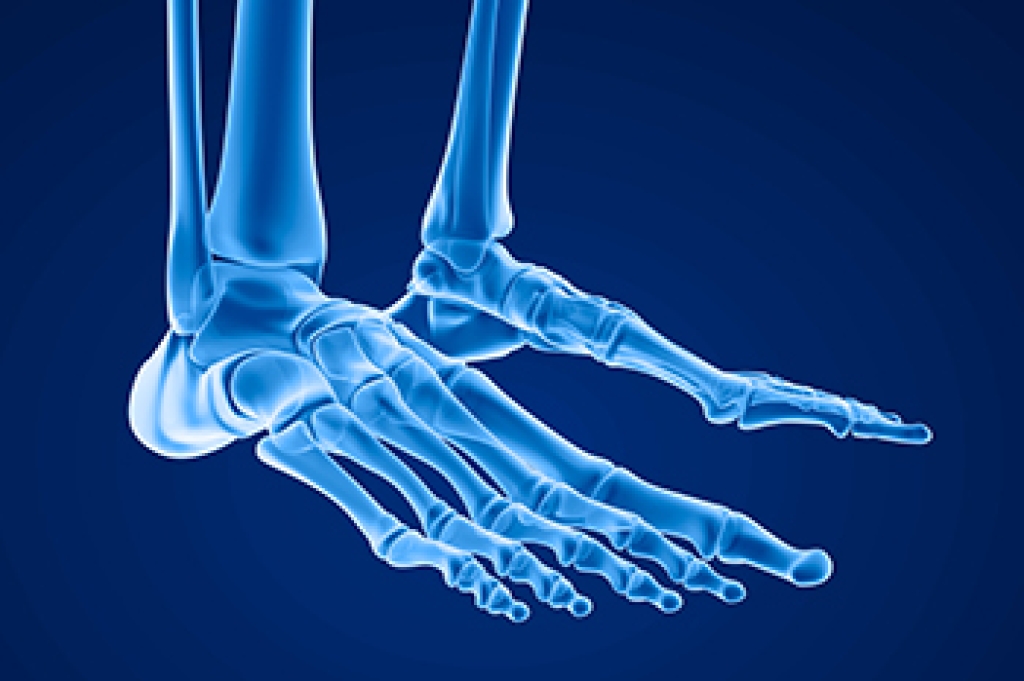
The biomechanics of the feet are interesting to learn about. The ankle is a complex part of the body, and each part of the ankle joint is responsible for different functions. The 26 bones in each foot are categorized into three sections, consisting of the tarsal and metatarsal bones, in addition to the phalanges. There are joints that are located between the tarsal bones and various areas of the metatarsal bones. There are two groups of muscles that are found in each foot, and the toes can be extended by using the dorsal foot muscles. The muscles in the sole of the foot are referred to as the plantar muscles and are divided into groups. The lateral plantar muscles are connected to the fifth toe, and the other four toes are linked to the central plantar muscles. If you would like additional information about the workings of the foot bones and muscles, it is suggested that you confer with a podiatrist who can provide you with the information you are seeking.

If you have any concerns about your feet, contact Howard Abramsohn, DPM from Ambulatory Foot and Ankle Associates, LLC. Our doctor can provide the care you need to keep you pain-free and on your feet.

Biomechanics in Podiatry

Podiatric biomechanics is a particular sector of specialty podiatry with licensed practitioners who are trained to diagnose and treat conditions affecting the foot, ankle and lower leg. Biomechanics deals with the forces that act against the body, causing an interference with the biological structures. It focuses on the movement of the ankle, the foot and the forces that interact with them.

A History of Biomechanics

  • Biomechanics dates back to the BC era in Egypt where evidence of professional foot care has been recorded.
  • In 1974, biomechanics gained a higher profile from the studies of Merton Root, who claimed that by changing or controlling the forces between the ankle and the foot, corrections or conditions could be implemented to gain strength and coordination in the area.

Modern technological improvements are based on past theories and therapeutic processes that provide a better understanding of podiatric concepts for biomechanics. Computers can provide accurate information about the forces and patterns of the feet and lower legs.

Understanding biomechanics of the feet can help improve and eliminate pain, stopping further stress to the foot.

If you have any questions please feel free to contact our office located in Mt Laurel Township, NJ . We offer the newest diagnostic and treatment technologies for all your foot and ankle needs.

Read more about Biomechanics in Podiatry

Sprained Ankles Are a Common Injury

Ankle sprains are a foot injury many people endure at some point in their lives. It generally happens during a fall when it is twisted beyond its normal range of motion. The ligaments can become stretched or torn, and it is often painful. It can happen from unexpectedly stepping off of a curb, causing the ankle to roll outward while the foot turns inward. A mild sprain can cause the ankle to feel stable despite it being tender, swollen, and stiff. Bruising may accompany a more serious sprain, and walking is often difficult. If the ankle sprain is severe, it is impossible to walk, as the ankle can be wobbly and give out. A proper diagnosis is often performed by having an X-ray taken, which is successful in ruling out a fractured ankle. Treatment can begin with wrapping the affected ankle with a compression bandage and elevating it as often as possible. Many people use crutches for mobility, and this can help to keep the weight off of the foot. If you have sprained your ankle, it is suggested that you consult with a podiatrist who can properly treat it.

Ankle sprains are common but need immediate attention. If you need your feet checked, contact Howard Abramsohn, DPM from Ambulatory Foot and Ankle Associates, LLC. Our doctor can provide the care you need to keep you pain-free and on your feet.

How Does an Ankle Sprain Occur?

Ankle sprains take place when the ligaments in your ankle are torn or stretched beyond their limits. There are multiple ways that the ankle can become injured, including twisting or rolling over onto your ankle, putting undue stress on it, or causing trauma to the ankle itself.

What Are the Symptoms?

  • Mild to moderate bruising
  • Limited mobility
  • Swelling
  • Discoloration of the skin (depending on severity)

Preventing a Sprain

  • Wearing appropriate shoes for the occasion
  • Stretching before exercises and sports
  • Knowing your limits

Treatment of a Sprain

Treatment of a sprain depends on the severity.  Many times, people are told to rest and remain off their feet completely, while others are given an air cast. If the sprain is very severe, surgery may be required.

If you have suffered an ankle sprain previously, you may want to consider additional support such as a brace and regular exercises to strengthen the ankle.

If you have any questions please feel free to contact our office located in Mt Laurel Township, NJ . We offer the newest diagnostic tools and technology to treat your foot and ankle needs.

Read more about Ankle Sprains

Connect With Us