We are now hiring! If interested, please call us at (856) 234-5180.

Reasons for Big Toe Pain

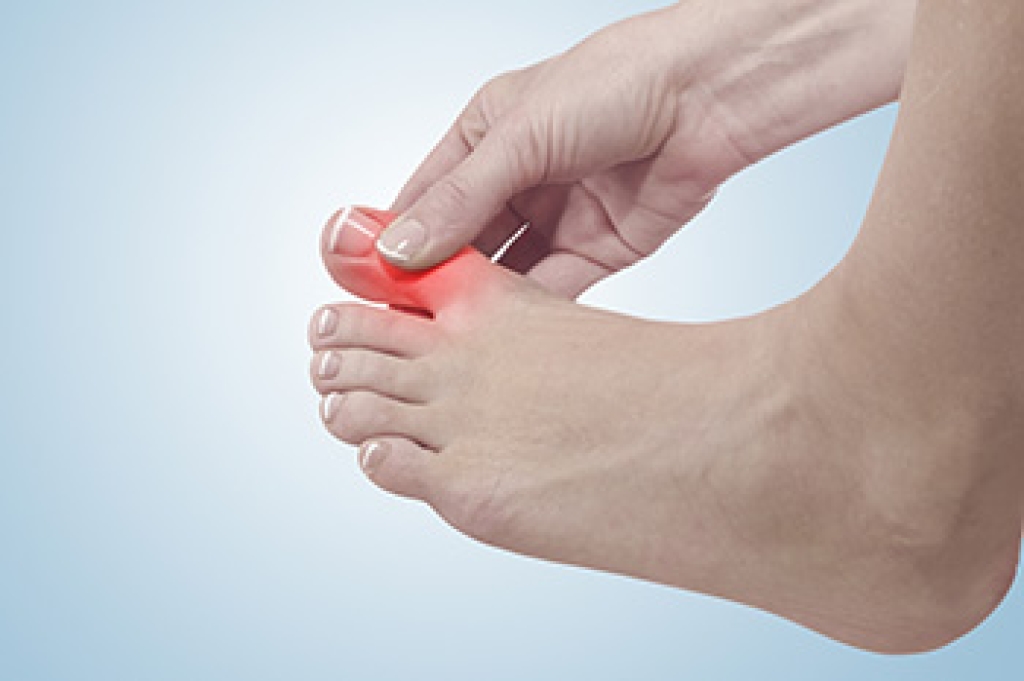
Pain in the big toe can stem from several foot conditions that affect the bones, joints, or soft tissues. A bunion, for example, develops when the big toe angles toward the second toe, leading to swelling, irritation, and a bony bump at the joint. Ingrown toenails are another common cause of big toe pain, where the nail grows into the skin, producing tenderness and inflammation. Turf toe, which is a sprain of the big toe joint, often results from sports or other activities that put stress on the forefoot. Arthritis, in the metatarsophalangeal, or MTP,  joint may also lead to stiffness and chronic big toe pain. Other sources include sesamoiditis, which irritates the small bones under the big toe, gout caused by uric acid buildup, and fractures or sprains from direct injury. If you have sharp pain in the big toe, it is suggested that you make an appointment with a podiatrist for an exam, diagnosis, and treatment.

Toe pain can disrupt your daily activities. If you have any concerns, contact Howard Abramsohn, DPM of Ambulatory Foot and Ankle Associates, LLC. Our doctor can provide the care you need to keep you pain-free and on your feet.

What Causes Toe Pain?

Most severe toe pain is caused due to a sports injury, trauma from dropping something heavy on the toe, or bumping into something rigid. Other problems can develop over time for various reasons.

Toe pain can be caused by one or more ailments. The most common include:

  • Trauma
  • Sports injury
  • Wearing shoes that are too tight
  • Arthritis
  • Gout
  • Corns and calluses
  • Hammertoe
  • Bunions
  • Blisters
  • Ingrown toenails
  • Sprains
  • Fractures (broken bones)
  • Dislocations

When to See a Podiatrist

  • Severe pain
  • Persistent pain that lasts more than a week
  • Signs of infection
  • Continued swelling
  • Pain that prevents walking

Diagnosis

In many cases the cause of toe pain is obvious, but in others, a podiatrist may want to use more advanced methods to determine the problem. These can range from simple visual inspections and sensation tests to X-rays and MRI scans. Prior medical history, family medical history, and any recent physical traumatic events will all be taken into consideration for a proper diagnosis.

Treatment

Treatments for toe pain and injuries vary and may include shoe inserts, padding, taping, medicines, injections, and in some cases, surgery. If you believe that you have broken a toe, please see a podiatrist as soon as possible.

If you have any questions please contact our office located in Mt Laurel Township, NJ . We offer the newest diagnostic and treatment technologies for all your foot and ankle needs.
Read more about Toe Pain

Choosing the Right Running Shoes for Every Distance

Selecting the proper running shoes is essential for performance and injury prevention. For 5K races and shorter distances, lightweight shoes with responsive cushioning offer speed and comfort. For 10K to half marathons, choose shoes with balanced support and cushioning for endurance. Marathon and ultra-distance runners benefit from maximum cushioning and stability to handle long hours of impact. Additionally, trail running shoes should provide traction, durability, and protection for uneven terrain. A podiatrist can analyze your gait, foot structure, and running style to recommend the best shoe type for your needs. If you have developed a foot or ankle injury from wearing the wrong running shoes, it is suggested that you consult a podiatrist. This type of doctor can treat various foot conditions, and guide you on choosing the right shoes for your running needs.

You should always make sure your running shoes fit properly in order to avoid injury. For more information, contact Howard Abramsohn, DPM from Ambulatory Foot and Ankle Associates, LLC. Our doctor can provide the care you need to keep you pain-free and on your feet.

Choosing the Right Running Shoe for Your Foot Type

Improper shoe sizing can cause a myriad of problems for your feet. Shoes that don’t fit you properly can lead to muscular imbalances in your body, which can result in foot, knee, and hip injuries.

Tips for Finding the Right Running Shoe

  • Make sure you have a thumb’s width of wiggle room between the end of your longest toe and the front of the shoe.
  • There should be little to no slipping at the heel
  • Don’t assume your size in one shoe brand will be your size in another
  • Do not lace up your shoes too tightly
  • Walk around in the store with your new shoes before you buy them

If you have any questions, please feel free to contact our office located in Mt Laurel Township, NJ . We offer the newest diagnostic and treatment technologies for all your foot care needs.

Read more about Walking Shoes vs. Running Shoes

What Are Orthotics?

Orthotics are defined as insoles that fit inside the shoe. They are designed to correct abnormal foot structures that can come from genetic traits, or from wearing shoes that do not fit correctly. Orthotics are helpful in supporting fallen arches, and can successfully distribute weight evenly throughout the foot. To ensure a proper fit, your foot is placed into a mold so that the exact size and shape of your foot can be determined. After the orthotics are constructed, a final fitting is done before being placed inside the shoe. Many patients realize the benefits of wearing orthotics, and it is suggested that you seek the counsel of a podiatrist who can properly fit you with these types of insoles.

If you are having discomfort in your feet and would like to try orthotics, contact Howard Abramsohn, DPM from Ambulatory Foot and Ankle Associates, LLC. Our doctor can provide the care you need to keep you pain-free and on your feet.

What Are Orthotics?

Orthotics are inserts you can place into your shoes to help with a variety of foot problems such as flat feet or foot pain. Orthotics provide relief and comfort for minor foot and heel pain but can’t correct serious biomechanical problems in your feet.

Over-the-Counter Inserts

Orthotics come in a wide variety of over-the-counter inserts that are used to treat foot pain, heel pain, and minor problems. For example, arch supports can be inserted into your shoes to help correct overarched or flat feet, while gel insoles are often used because they provide comfort and relief from foot and heel pain by alleviating pressure.

Prescription Orthotics

If over-the-counter inserts don’t work for you or if you have a more severe foot concern, it is possible to have your podiatrist prescribe custom orthotics. These high-quality inserts are designed to treat problems such as abnormal motion, plantar fasciitis, and severe forms of heel pain. They can even be used to help patients suffering from diabetes by treating foot ulcers and painful calluses and are usually molded to your feet individually, which allows them to provide full support and comfort.

If you are experiencing minor to severe foot or heel pain, it’s recommended to speak with your podiatrist about the possibilities of using orthotics. A podiatrist can determine which type of orthotic is right for you and allow you to take the first steps towards being pain-free.

If you have any questions, please feel free to contact our office located in Mt Laurel Township, NJ . We offer the newest diagnostic and treatment technologies for all your foot care needs.

Read more about Foot Orthotics

Do Your Child's Feet Hurt?

Have your child's feet been examined lately? Healthy feet are happy feet. If your child is complaining of foot pain, it may be a sign of underlying problems.

The Symptoms of an Ingrown Toenail

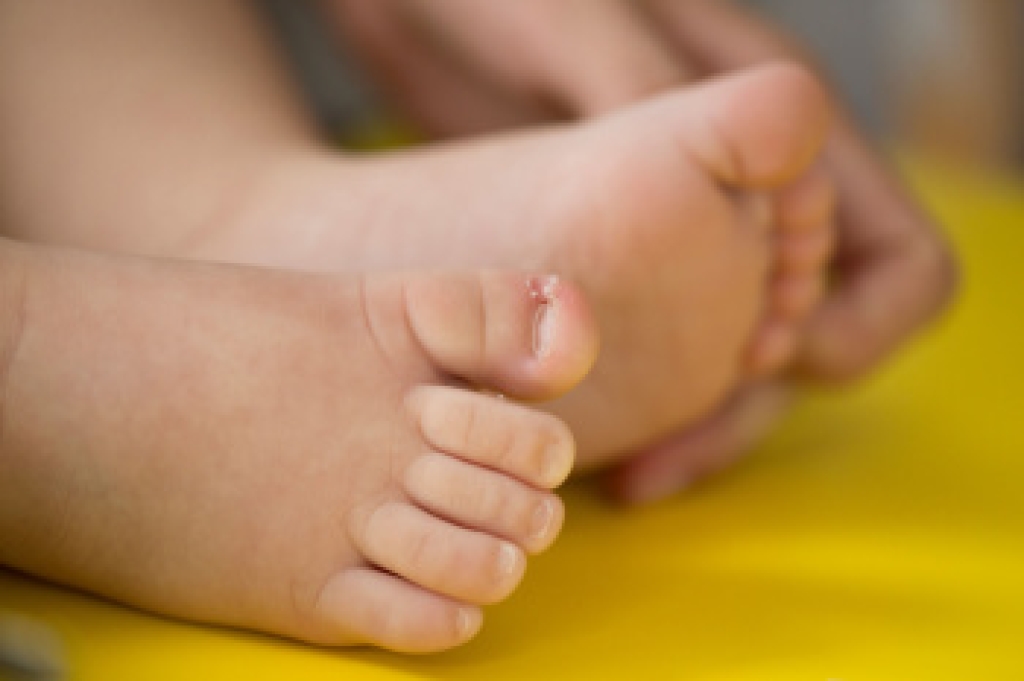
There are various reasons why patients can develop an ingrown toenail. These can include incorrectly trimming the toenails, genetic predisposition, and wearing shoes that do not fit properly. Many patients have symptoms such as redness and tenderness surrounding the ingrown toenail, and an infected toe may cause pus to drain from it. Mild relief may be found when the foot is soaked in warm water, and it may help to wear larger shoes. The feet can feel better when they are clean and dry, and it may help to apply an antibacterial ointment. If you have developed an ingrown toenail, it is suggested that you seek the counsel of a podiatrist who can properly treat this condition.

Ingrown toenails can become painful if they are not treated properly. For more information about ingrown toenails, contact Howard Abramsohn, DPM of Ambulatory Foot and Ankle Associates, LLC. Our doctor can provide the care you need to keep you pain-free and on your feet.

Ingrown Toenails

Ingrown toenails occur when a toenail grows sideways into the bed of the nail, causing pain, swelling, and possibly infection.

Causes

  • Bacterial infections
  • Improper nail cutting such as cutting it too short or not straight across
  • Trauma to the toe, such as stubbing, which causes the nail to grow back irregularly
  • Ill-fitting shoes that bunch the toes too close together
  • Genetic predisposition

Prevention

Wearing proper fitting shoes and using proper cutting techniques will also help decrease your risk of developing ingrown toenails.

Treatment

Ingrown toenails are a very treatable foot condition. In minor cases, soaking the affected area in salt or antibacterial soaps will not only help with the ingrown nail itself, but also help prevent any infections from occurring. In more severe cases, surgery is an option. In either case, speaking to your podiatrist about this condition will help you get a better understanding of specific treatment options that are right for you.

If you have any questions, please feel free to contact our office located in Mt Laurel Township, NJ . We offer the newest diagnostic and treatment technologies for all your foot care needs.

Read more about Ingrown Toenails

Checking Newborn Feet and What Doctors Look For

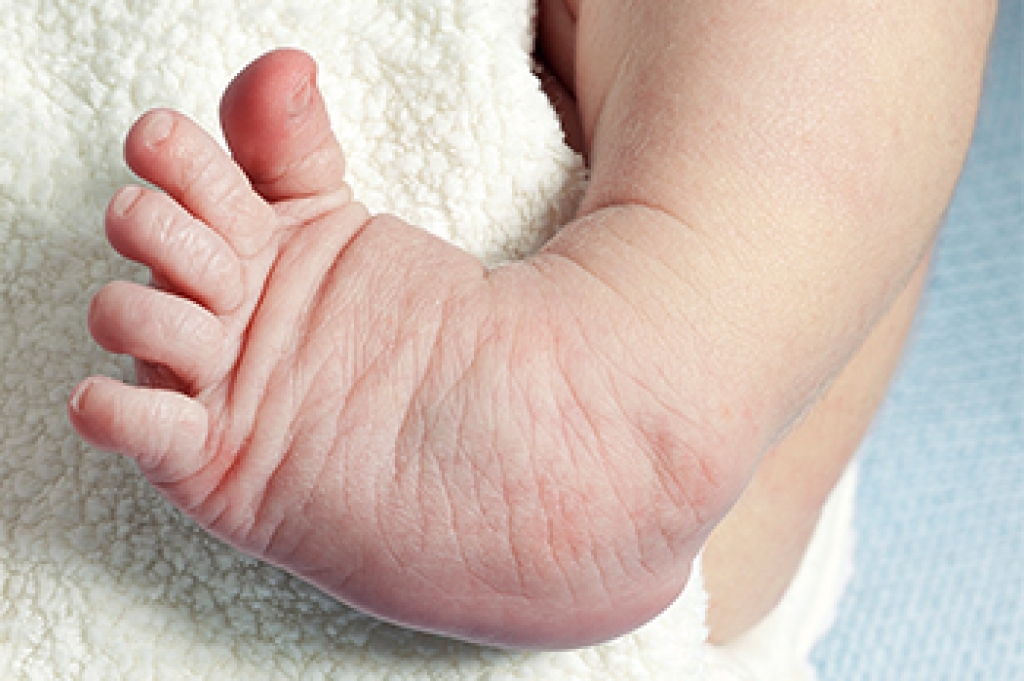
When a baby is born, their tiny feet are carefully examined as part of a routine health check. Doctors and nurses look at the shape, position, and movement of the feet to be sure they are developing normally. They gently flex and rotate the feet, check the toes, and make sure the joints and bones feel stable. Since newborns’ feet are soft and flexible, early checks are important for spotting concerns that could affect their ability to walk later on. Some common conditions may be noticed during this exam. Clubfoot, where the foot turns inward, is one example. Another is flatfoot, which is normal in infants, but can occasionally need monitoring. Extra toes, webbing between toes, or differences in leg length may also be seen. Detecting these conditions early gives parents the best chance to address them with stretching, special shoes, or more advanced treatment as needed. If you have questions about your baby’s feet, it is suggested that you consult a podiatrist for guidance and reassurance.

Congenital foot problems require immediate attention to avoid future complications. If you have any concerns, contact Howard Abramsohn, DPM of Ambulatory Foot and Ankle Associates, LLC. Our doctor can provide the care you need to keep you pain-free and on your feet.

Congenital foot problems are deformities affecting the feet, toes, and/or ankles that children are born with. Some of these conditions have a genetic cause while others just happen. Some specific foot ailments that children may be born with include clubfeet, polydactyly/macrodactyly, and cleft foot. There are several other foot anomalies that can occur congenitally. What all of these conditions have in common is that a child may experience difficulty walking or performing everyday activities, as well as trouble finding footwear that fits their foot deformity. Some of these conditions are more serious than others. Consulting with a podiatrist as early as possible will help in properly diagnosing a child’s foot condition while getting the necessary treatment underway.

What are Causes of Congenital Foot Problem?

A congenital foot problem is one that happens to a child at birth. These conditions can be caused by a genetic predisposition, developmental or positional abnormalities during gestation, or with no known cause.

What are Symptoms of Congenital Foot Problems?

Symptoms vary by the congenital condition. Symptoms may consist of the following:

  • Clubfoot, where tendons are shortened, bones are shaped differently, and the Achilles tendon is tight, causing the foot to point in and down. It is also possible for the soles of the feet to face each other.
  • Polydactyly, which usually consists of a nubbin or small lump of tissue without a bone, a toe that is partially formed but has no joints, or an extra toe.
  • Vertical talus, where the talus bone forms in the wrong position causing other bones in the foot to line up improperly, the front of the foot to point up, and the bottom of the foot to stiffen, with no arch, and to curve out.
  • Tarsal coalition, when there is an abnormal connection of two or more bones in the foot leading to severe, rigid flatfoot.
  • Cleft foot, where there are missing toes, a V-shaped cleft, and other anatomical differences.
  • Macrodactyly, when the toes are abnormally large due to overgrowth of the underlying bone or soft tissue.

Treatment and Prevention

While there is nothing one can do to prevent congenital foot problems, raising awareness and receiving neonatal screenings are important. Early detection by taking your child to a podiatrist leads to the best outcome possible.

If you have any questions, please feel free to contact our office located in Mt Laurel Township, NJ . We offer the newest diagnostic and treatment technologies for all your foot care needs.

Read more about Congenital Foot Problems

Cracked Heels and Help From a Podiatrist

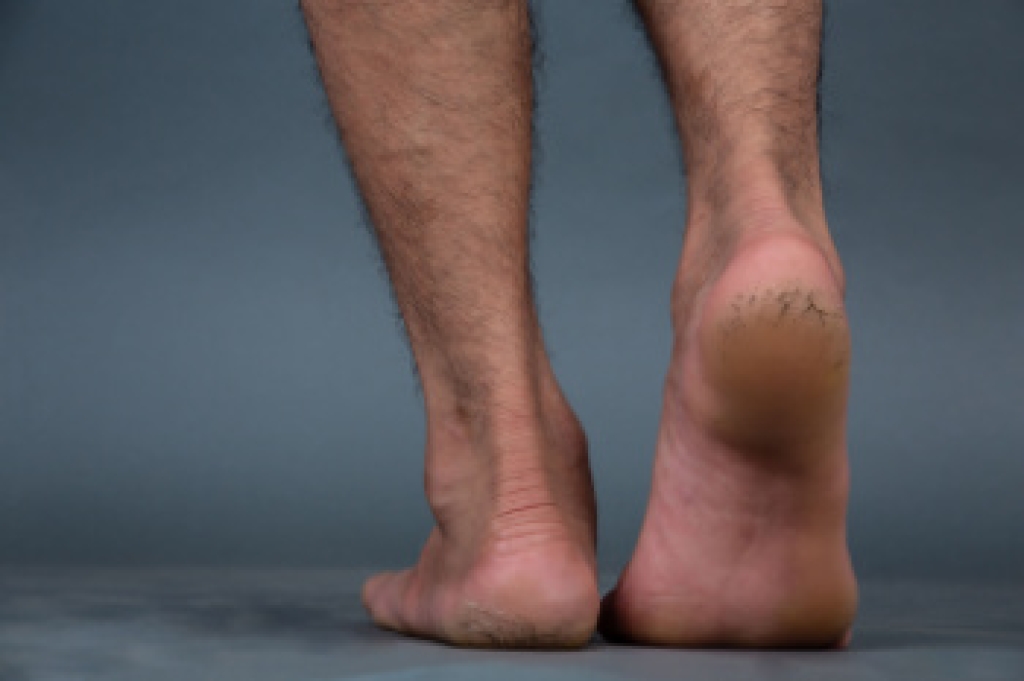
Cracked heels are a common foot problem that occurs when the skin surrounding the heel becomes dry, hard, and thickened, often due to pressure, lack of moisture, or prolonged standing. Symptoms include rough patches of skin on the heel edge that may split and cause pain. In severe cases, the cracks can deepen and become infected, sometimes leading to cellulitis, which requires medical attention. A podiatrist can help by safely removing thickened skin, providing moisturization plans, recommending footwear to reduce pressure, and addressing any underlying conditions. If cracked heels are left untreated they may worsen over time. If you have developed cracked heels, it is suggested that you promptly contact a podiatrist who can effectively treat this condition, which may include prescribed medication.

Cracked heels are unsightly and can cause further damage to your shoes and feet. If you have any concerns, contact Howard Abramsohn, DPM from Ambulatory Foot and Ankle Associates, LLC. Our doctor can provide the care you need to keep you pain-free and on your feet.

Cracked Heels

Cracked heels appear unappealing and can make it harder for you walk around in sandals. Aside from looking unpleasant, cracked heels can also tear stockings, socks, and wear out your shoes. There are several methods to help restore a cracked heel and prevent further damage.

How Do You Get Them?

Dry skin is the number one culprit in creating cracked heels. Many athletes, walkers, joggers, and even swimmers suffer from cracked heels. Age and skin oil production play a role to getting cracked heels as well.

Promote Healing

Over the counter medicines can help, especially for those that need instant relief or who suffer from chronic dry feet.

Wear Socks – Wearing socks with medicated creams helps lock in moisture.

Moisturizers – Applying both day and night will help alleviate dryness which causes cracking.

Pumice Stones – These exfoliate and remove dead skin, which allows for smoother moisturizer application and better absorption into the skin. 

Change in Diet

Eating healthy with a well-balanced diet will give the skin a fresh and radiant look. Your body responds to the kinds of food you ingest. Omega-3 fatty acids and zinc supplements can also revitalize skin tissue.

Most importantly, seek professional help if unsure how to proceed in treating cracked heels. A podiatrist will help you with any questions or information needed. 

If you have any questions, please feel free to contact our office located in Mt Laurel Township, NJ . We offer the newest diagnostic and treatment technologies for all your foot care needs.

Read more about Solutions for Cracked Heels

Ingrown Toenails in Children and Podiatric Care

An ingrown toenail occurs when the edge of a toenail grows into the surrounding skin, causing pain, swelling, and sometimes infection. In children, common causes include injury to the toe, rapid growth spurts, abnormal foot mechanics, improper nail trimming, or wearing tight or ill-fitting footwear. These factors can increase pressure on the nail and surrounding tissue, making ingrown toenails more likely. Symptoms may include redness, tenderness, swelling, and difficulty while walking or wearing shoes comfortably. A podiatrist can evaluate the condition, provide safe and effective treatments, and offer guidance on proper nail care and footwear choices to prevent recurrence. If your child has an ingrown toenail, it is suggested that you promptly consult a podiatrist appointment for expert pediatric foot care.

Making sure that your children maintain good foot health is very important as they grow. If you have any questions, contact Howard Abramsohn, DPM of Ambulatory Foot and Ankle Associates, LLC. Our doctor can provide the care you need to keep you pain-free and on your feet.

Keeping Children's Feet Healthy

Having healthy feet during childhood can help prevent medical problems later in life, namely in the back and legs. As children grow, their feet require different types of care. Here are some things to consider...

Although babies do not walk yet, it is still very important to take care of their feet.

Avoid putting tight shoes or socks on his or her feet.

Allow the baby to stretch and kick his or her feet to feel comfortable.

As a toddler, kids are now on the move and begin to develop differently. At this age, toddlers are getting a feel for walking, so don’t be alarmed if your toddler is unsteady or ‘walks funny’. 

As your child gets older, it is important to teach them how to take care of their feet.

Show them proper hygiene to prevent infections such as fungus.

Be watchful for any pain or injury.

Have all injuries checked by a doctor as soon as possible.

Comfortable, protective shoes should always be worn, especially at play.

If you have any questions, please feel free to contact our office located in Mt Laurel Township, NJ . We offer the newest diagnostic and treatment technologies for all your foot care needs.

Read more about What to Do to Keep Your Child’s Feet Healthy

Heel Pain Can Be Treated!

Do you suffer from heel pain when you get up in the morning? If so, you should seek professional help and have a proper diagnosis performed. Heel pain can be caused by several different foot-related conditions.

Foot and Ankle Injuries From Cycling

Cycling places repetitive stress on the feet and ankles, making them prone to overuse injuries that develop gradually from constant pedaling. The pressure transferred through the pedals can lead to Achilles tendinitis. As this tendon that connects the calf muscles to the heel becomes irritated from overuse or poor technique, pain erupts at the back of the heel. Plantar fasciitis is another frequent problem for cyclers, with sharp heel pain developing from irritation of the thick band of tissue along the sole of the foot. Numbness in the toes or top of the foot may occur due to nerve compression from tight shoes or improper cleat placement. Pain in the ball of the foot can also result from repeated pushing pressure during long rides. A podiatrist can diagnose the source of the pain from cycling , recommend footwear adjustments, prescribe custom orthotics, or discuss surgery when necessary. If you have sustained a foot or ankle injury from cycling, it is suggested that you schedule an appointment with a podiatrist for an evaluation appropriate  and treatment.

Sports related foot and ankle injuries require proper treatment before players can go back to their regular routines. For more information, contact Howard Abramsohn, DPM of Ambulatory Foot and Ankle Associates, LLC. Our doctor can provide the care you need to keep you pain-free and on your feet.

Sports Related Foot and Ankle Injuries

Foot and ankle injuries are a common occurrence when it comes to athletes of any sport. While many athletes dismiss the initial aches and pains, the truth is that ignoring potential foot and ankle injuries can lead to serious problems. As athletes continue to place pressure and strain the area further, a mild injury can turn into something as serious as a rupture and may lead to a permanent disability. There are many factors that contribute to sports related foot and ankle injuries, which include failure to warm up properly, not providing support or wearing bad footwear. Common injuries and conditions athletes face, including:

  • Plantar Fasciitis
  • Achilles Tendinitis
  • Achilles Tendon Rupture
  • Ankle Sprains

Sports related injuries are commonly treated using the RICE method. This includes rest, applying ice to the injured area, compression and elevating the ankle. More serious sprains and injuries may require surgery, which could include arthroscopic and reconstructive surgery. Rehabilitation and therapy may also be required in order to get any recovering athlete to become fully functional again. Any unusual aches and pains an athlete sustains must be evaluated by a licensed, reputable medical professional.

If you have any questions please contact our office located in Mt Laurel Township, NJ . We offer the newest diagnostic and treatment technologies for all your foot and ankle needs.

Read more about Sports Related Foot And Ankle Injuries

Connect With Us