We are now hiring! If interested, please call us at (856) 234-5180.

Plantar Fibroma and Fibromatosis Management Options

A plantar fibroma is a single benign lump that develops within the plantar fascia, the thick band of tissue along the bottom of the foot. Plantar fibromatosis refers to a more extensive condition in which multiple fibromas form and may gradually enlarge or spread. Both can cause localized pain, pressure with walking, and discomfort when standing for long periods, although fibromatosis is often more persistent and challenging to manage. Treatment focuses on reducing pressure and irritation. Custom orthotics, padding, and wearing supportive footwear help offload the affected area. Stretching and anti-inflammatory measures may ease symptoms. In some cases, targeted injections or other conservative therapies are considered. Surgery is approached cautiously, especially with fibromatosis, due to recurrence risk and scar tissue development. When ongoing arch pain or lumps interfere with daily activities, it is suggested that you obtain an evaluation by a podiatrist who can guide appropriate management and treatment.

A plantar fibroma may disrupt your daily activities. If you have any concerns, contact Howard Abramsohn, DPM of Ambulatory Foot and Ankle Associates, LLC. Our doctor can provide the care you need to keep you pain-free and on your feet.

Plantar Fibroma

A plantar fibroma is a fibrous knot in the arch of the foot. It is embedded in the plantar fascia which is a band of tissue that extends from the heel to the toes along the bottom of the foot. There can be multiple plantar fibromas in the feet at the same time. There are no known causes for this condition. If you have a plantar fibroma, there will be a bump in the arch of your foot that cannot be missed. Any associated pain is most often due to a shoe rubbing against the nodule. Non-surgical options, such as steroid injections, physical therapy, and orthotics should be tried first. Surgery is a last resort and is the only thing that will remove a plantar fibroma entirely. Consult with a podiatrist for a proper diagnosis and to determine the treatment regimen that is right for you.

What Causes a Plantar Fibroma?

While there are no specific causes identified, a plantar fibroma can possibly come from genetic predisposition or the formation of scar tissue that forms from healing the tears in the plantar fascia.

What Are the Symptoms of a Plantar Fibroma?

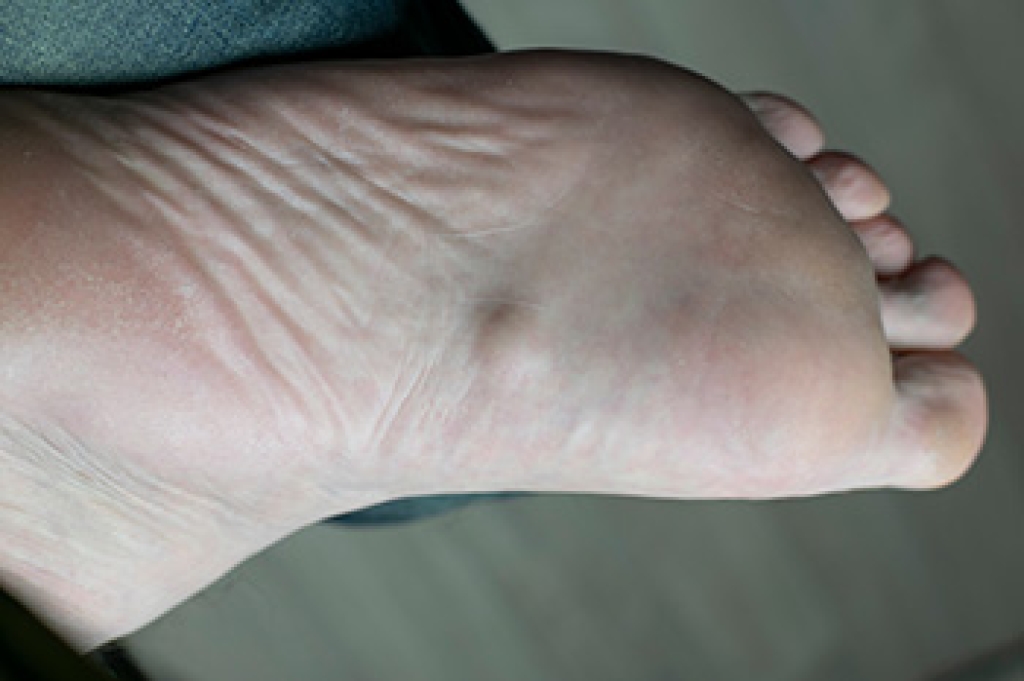
There will be a noticeable lump in the arch of the foot that may or may not cause pain. If pain is felt, it is typically because a shoe is rubbing up against the lump or when walking or standing barefoot.

Treatment and Prevention

A plantar fibroma will not disappear without treatment, but it can get smaller and be a non-issue. If pain persists, a podiatrist examines the foot and when the arch of the foot is pressed, pain can be felt down to the toes. An MRI or biopsy might be performed to help diagnose or evaluate the plantar fibroma. The following non-surgical options are generally enough to reduce the size and pain of these nodules:

  • Steroid injections
  • Orthotics
  • Physical therapy to help apply anti-inflammatory creams on the bump 

Surgery is considered if the mass increases in size and the patient continues to feel pain after non-surgical methods are tried.

If you have any questions, please feel free to contact our office located in Mt Laurel Township, NJ . We offer the newest diagnostic and treatment technologies for all your foot care needs.
Read more about Plantar Fibroma

Diabetes Foot Health and Preventive Care

Diabetes is a chronic condition that affects how the body uses blood sugar and can develop due to genetic factors, lifestyle influences, or insulin resistance. Common symptoms include increased thirst, fatigue, slow healing, and changes in sensation. Diabetes can significantly affect the feet by reducing circulation and nerve function, which increases the risk of injury, infection, and ulcers. Proper foot care is essential, and includes checking feet daily, washing and drying them carefully, in addition to trimming the toenails straight across, and wearing shoes and socks while outdoors for protection. Early attention helps prevent complications. A podiatrist can monitor foot health, treat problems early, and provide guidance on proper footwear and care. If you have diabetes, it is strongly suggested that you are under the care of a podiatrist who can help you to manage this serious condition.

Diabetic foot care is important in preventing foot ailments such as ulcers. If you are suffering from diabetes or have any other concerns about your feet, contact Howard Abramsohn, DPM from Ambulatory Foot and Ankle Associates, LLC. Our doctor can provide the care you need to keep you pain-free and on your feet.

Diabetic Foot Care

Diabetes affects millions of people every year. The condition can damage blood vessels in many parts of the body, especially the feet. Because of this, taking care of your feet is essential if you have diabetes, and having a podiatrist help monitor your foot health is highly recommended.

The Importance of Caring for Your Feet

  • Routinely inspect your feet for bruises or sores.
  • Wear socks that fit your feet comfortably.
  • Wear comfortable shoes that provide adequate support.

Patients with diabetes should have their doctor monitor their blood levels, as blood sugar levels play such a huge role in diabetic care. Monitoring these levels on a regular basis is highly advised.

It is always best to inform your healthcare professional of any concerns you may have regarding your feet, especially for diabetic patients. Early treatment and routine foot examinations are keys to maintaining proper health, especially because severe complications can arise if proper treatment is not applied.

If you have any questions, please feel free to contact our office located in Mt Laurel Township, NJ . We offer the newest diagnostic and treatment technologies for all your foot care needs.
Read more about Diabetic Foot Care

The Importance of Good Foot Care in the Elderly

Good foot care in the elderly plays a vital role in preventing common foot problems and maintaining independence. Routine care helps reduce the development of corns, bunions, and painful skin or nail conditions that can interfere with walking. Healthy feet also improve balance and stability, which lowers the risk of falls and related injuries. When foot discomfort is addressed early, mobility improves, and overall well-being is enhanced, supporting an active and confident lifestyle. A podiatrist can provide regular foot evaluations, manage chronic conditions, treat painful deformities, and offer guidance on proper footwear and foot hygiene. If you or a loved one is experiencing foot pain or mobility concerns, it is suggested that you consult a podiatrist to protect foot health and support safe, comfortable movement at every stage of aging.

Proper foot care is something many older adults forget to consider. If you have any concerns about your feet and ankles, contact Howard Abramsohn, DPM from Ambulatory Foot and Ankle Associates, LLC. Our doctor can provide the care you need to keep you pain-free and on your feet.

The Elderly and Their Feet

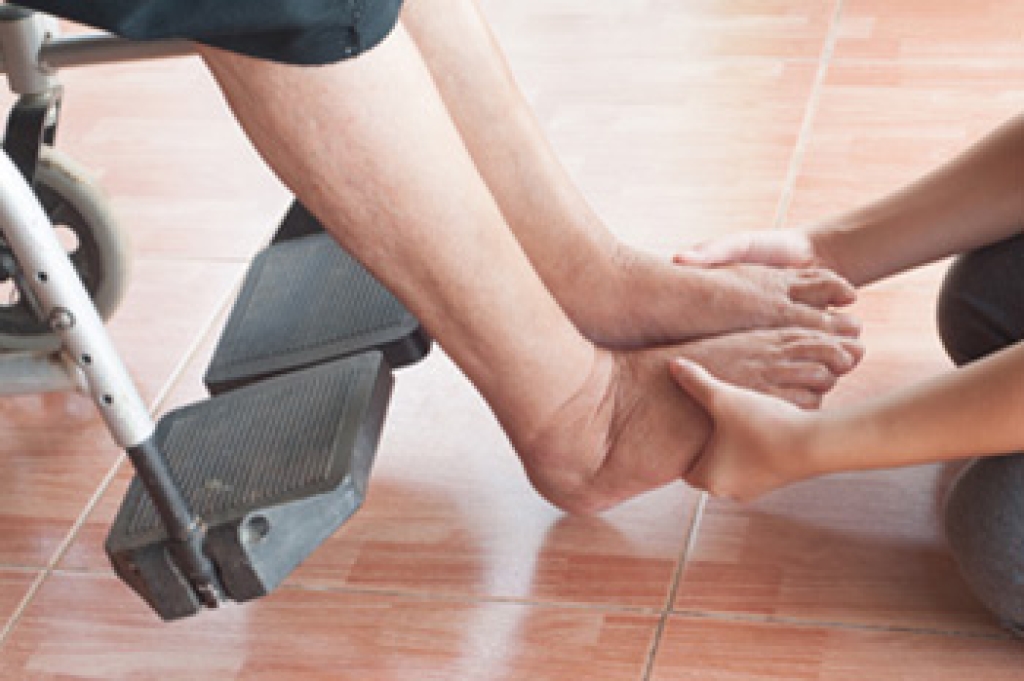
As we age we start to notice many changes in our body, but the elder population may not notice them right away. Medical conditions may prevent the elderly to take notice of their foot health right away. Poor vision is a lead contributor to not taking action for the elderly.

Common Conditions 

  • Neuropathy – can reduce feeling in the feet and can hide many life-threatening medical conditions.
  • Reduced flexibility – prevents the ability of proper toenail trimming, and foot cleaning. If left untreated, it may lead to further medical issues.
  • Foot sores – amongst the older population can be serious before they are discovered. Some of the problematic conditions they may face are:
  • Gouging toenails affecting nearby toe
  • Shoes that don’t fit properly
  • Pressure sores
  • Loss of circulation in legs & feet
  • Edema & swelling of feet and ankles

Susceptible Infections

Diabetes and poor circulation can cause general loss of sensitivity over the years, turning a simple cut into a serious issue.

If you have any questions, please feel free to contact our office located in Mt Laurel Township, NJ . We offer the newest diagnostic and treatment technologies for all your foot care needs.

Read more about Taking Care of Elderly Feet

Get Professional Care for a Broken Foot or Ankle

Constant care and regular evaluation are important for a foot or ankle fracture. If left untreated, foot or ankle fractures can worsen over time and create more serious problems.

Don't wait to be examined if you believe you've experienced a foot or ankle fracture.

Traits of Walking and Running Shoes

Walking and running shoes are designed differently to accommodate unique foot mechanics and movement patterns. Walking shoes distribute weight more evenly across the foot, offer moderate cushioning, and typically have a lower, more stable heel flare for balance. Running shoes are built for forward motion, with increased cushioning to absorb impact, a higher heel to support stride, and more responsiveness and flexibility to handle repeated high force. Choosing the correct shoe type reduces fatigue, prevents injury, and supports natural foot function. A podiatrist can assess gait, recommend appropriate footwear, and prescribe custom orthotics if needed to optimize performance and comfort. If you have foot pain, it is suggested that you consult a podiatrist who can treat various foot and ankle conditions, and guide you on the right type of shoes to wear for your desired activity.

For more information about walking shoes versus running shoes, consult with Howard Abramsohn, DPM from Ambulatory Foot and Ankle Associates, LLC. Our doctor can measure your feet to determine what your needs are and help you find an appropriate pair of footwear.

Foot Health: The Differences between Walking & Running Shoes

There are great ways to stay in shape: running and walking are two great exercises to a healthy lifestyle. It is important to know that running shoes and walking shoes are not interchangeable. There is a key difference on how the feet hit the ground when someone is running or walking. This is why one should be aware that a shoe is designed differently for each activity.

You may be asking yourself what the real differences are between walking and running shoes and the answers may shock you.

Differences

Walking doesn’t involve as much stress or impact on the feet as running does. However, this doesn’t mean that you should be any less prepared. When you’re walking, you land on your heels and have your foot roll forward. This rolling motion requires additional support to the feet.

Flexibility – Walking shoes are designed to have soft, flexible soles. This allows the walker to push off easily with each step.

If you have any questions, please feel free to contact our office located in Mt Laurel Township, NJ . We offer the newest diagnostic and treatment technologies for all your foot care needs.

Read more about Choosing the Right Running Shoe for Your Foot Type

Connect With Us