We are now hiring! If interested, please call us at (856) 234-5180.

Foot Strengthening Exercises for Pain Relief and Stability

Strengthening the feet can relieve pain and improve balance. The towel curl involves placing a towel on the floor and curling it toward you using your toes to build arch strength. The toe splay is done by spreading your toes apart while keeping your foot flat to enhance control and flexibility. The toe extension involves gently lifting and stretching the toes upward to reduce stiffness. Additionally, the big toe stretch is performed by gently pulling the big toe backward to ease tension in the arch. A podiatrist can assess your needs and recommend a safe, effective routine. If you experience ongoing foot discomfort, it is suggested that you visit a podiatrist who can treat various foot conditions, and offer guided exercises to support long-term relief.

Exercising your feet regularly with the proper foot wear is a great way to prevent injuries and build strength. If you have any concerns about your feet, contact Howard Abramsohn, DPM from Ambulatory Foot and Ankle Associates, LLC. Our doctor can provide the care you need to keep you pain-free and on your feet.

Exercise for Your Feet

Exercise for your feet can help you gain strength, mobility and flexibility in your feet. They say that strengthening your feet can be just as rewarding as strengthening another part of the body. Your feet are very important, and we often forget about them in our daily tasks. But it is because of our feet that are we able to get going and do what we need to. For those of us fortunate enough to not have any foot problems, it is an important gesture to take care of them to ensure good health in the long run.

Some foot health exercises can include ankle pumps, tip-toeing, toe rises, lifting off the floor doing reps and sets, and flexing the toes. It is best to speak with Our doctor to determine an appropriate regimen for your needs. Everyone’s needs and bodies are different, and the activities required to maintain strength in the feet vary from individual to individual. 

Once you get into a routine of doing regular exercise, you may notice a difference in your feet and how strong they may become.

If you have any questions, please feel free to contact our office located in Mt Laurel Township, NJ . We offer the newest diagnostic and treatment technologies for all your foot care needs.

Read more about Exercise for Your Feet

How Foot Pain Is Affecting the Lives of Americans

Foot pain is far more common than most people realize. About 81 percent of American adults report experiencing it at some point, and nearly half describe it as debilitating. Foot pain not only limits physical health but also reduces how easily people move through their day and enjoy normal routines. Countless individuals cut back on walking, exercising, or even simple household chores because of persistent discomfort. There has been a growing focus on foot health trends aimed at combating these challenges. Run clubs are surging in popularity, encouraging community activity but also increasing risks of overuse injuries like plantar fasciitis. At the same time, custom orthotics and wearable tech designed with embedded sensors are making strides in monitoring gait, pressure, and early warning signs, especially valuable for athletes and those managing chronic conditions. If your feet are holding you back on a regular basis, it is suggested you schedule an appointment with a podiatrist to find personalized solutions.

Foot Pain

Foot pain can be extremely painful and debilitating. If you have a foot pain, consult with Howard Abramsohn, DPM from Ambulatory Foot and Ankle Associates, LLC. Our doctor will assess your condition and provide you with quality foot and ankle treatment.

Causes

Foot pain is a very broad condition that could be caused by one or more ailments. The most common include:

  • Bunions
  • Hammertoes
  • Plantar Fasciitis
  • Bone Spurs
  • Corns
  • Tarsal Tunnel Syndrome
  • Ingrown Toenails
  • Arthritis (such as Gout, Rheumatoid, and Osteoarthritis)
  • Flat Feet
  • Injury (from stress fractures, broken toe, foot, ankle, Achilles tendon ruptures, and sprains)
  • And more

Diagnosis

To figure out the cause of foot pain, podiatrists utilize several different methods. This can range from simple visual inspections and sensation tests to X-rays and MRI scans. Prior medical history, family medical history, and any recent physical traumatic events will all be taken into consideration for a proper diagnosis.

Treatment

Treatment depends upon the cause of the foot pain. Whether it is resting, staying off the foot, or having surgery; podiatrists have a number of treatment options available for foot pain.

If you have any questions, please feel free to contact our office located in Mt Laurel Township, NJ . We offer the newest diagnostic and treatment technologies for all your foot care needs.
Read more about Foot Pain

What Is a Podiatrist and How Can They Help Your Feet?

A podiatrist is a medical specialist focused on diagnosing and treating conditions of the feet, ankles, and lower legs. They care for a wide range of issues, including heel pain, bunions, ingrown toenails, flat feet, arthritis, wounds, and sports injuries. Podiatrists also play an important role in managing chronic conditions like diabetes that can affect foot health. They provide treatments, such as custom orthotics, minor surgical procedures, and preventive care, to keep patients mobile and pain free. Whether you have persistent foot discomfort or have sustained a sudden injury, it is suggested that you consult a podiatrist who can treat various foot conditions, restoring comfort and function to everyday life.

If you are experiencing pain in the feet or ankles, don’t join the stubborn majority refusing treatment. Feel free to contact Howard Abramsohn, DPM from Ambulatory Foot and Ankle Associates, LLC. Our doctor can provide the care you need to keep you pain-free and on your feet.

What Is a Podiatrist?

Someone would seek the care of a podiatrist if they have suffered a foot injury or have common foot ailments such as heal spurs, bunions, arch problems, deformities, ingrown toenails, corns, foot and ankle problems, etc.

Podiatric Treatment

A podiatrist will treat the problematic areas of the feet, ankle or lower leg by prescribing the following:

  • Physical therapy
  • Drugs
  • Orthotic inserts or soles
  • Surgery on lower extremity fractures

A common podiatric procedure a podiatrist will use is a scanner or force plate which will allow the podiatrist to know the designs of orthotics. Patients are then told to follow a series of tasks to complete the treatment. The computer will scan the foot a see which areas show weight distribution and pressure points. The podiatrist will read the analysis and then determine which treatment plans are available.

If you have any questions, please feel free to contact our office located in Mt Laurel Township, NJ . We offer the newest diagnostic and treatment technologies for all your foot care needs.
Read more about What is a Podiatrist?

Foot Pain Can Signal Other Maladies

Foot pain can be more than just a local issue. It may be the first signal of an underlying health condition. Stiffness in the feet can indicate systemic inflammation, such as arthritis, while toe pain may result from gout or bunions. Tingling or numbness in the feet may point to peripheral neuropathy, which is often linked to diabetes or nerve damage. Heel pain is commonly associated with plantar fasciitis, a condition triggered by strained fascia along the bottom of the foot. Swelling in the feet and ankles can reflect fluid retention or poor circulation, and may be associated with heart, liver, or kidney concerns. Persistent skin issues like warts or fungal infections may signal immune dysfunction, or, in some cases, thyroid problems. A podiatrist can evaluate symptoms, identify the root cause of your foot pain. If you have foot pain that persists or worsens, it is suggested that you schedule an appointment with a podiatrist for a diagnosis and appropriate treatment.

When dealing with systemic disease of the feet, it is extremely important to check the affected areas routinely so that any additional problems are caught quickly.  If you have any concerns about your feet and ankles contact Howard Abramsohn, DPM from Ambulatory Foot and Ankle Associates, LLC. Our doctor will assist you with all of your podiatric needs.

Systemic Diseases of the Feet

Systemic diseases affect the whole body, and symptoms usually are displayed in the feet. This condition can make a patient’s ability to walk unbearable.  Systemic diseases include gout, diabetes mellitus, neurological disorders, and arthritis.

Gout – is caused by an excess of uric acid in the body. Common symptoms include pain, inflammation, and redness at the metatarsal/phalangeal joint of the base big toe. Gout can be treated by NSAIDs to relieve pain and inflammation, and other drugs that lower the acid levels in the body.

Diabetes mellitus – is an increase in the level of blood sugar that the body cannot counteract with its own insulin. Failure to produce enough insulin is a factor in Diabetes.

Diabetes of the Feet

Diabetic Neuropathy – may lead to damaged nerves and affect the feet through numbness and loss of sensation.

Peripheral Vascular Disease – can restrict the blood flow to the feet, and often times lead to amputation of the feet. 

If you have any questions please contact our office located in Mt Laurel Township, NJ . We offer the newest diagnostic and treatment technologies for all your foot and ankle needs.

Read more about Systemic Diseases of the Foot

Heel Pain in Growing Children

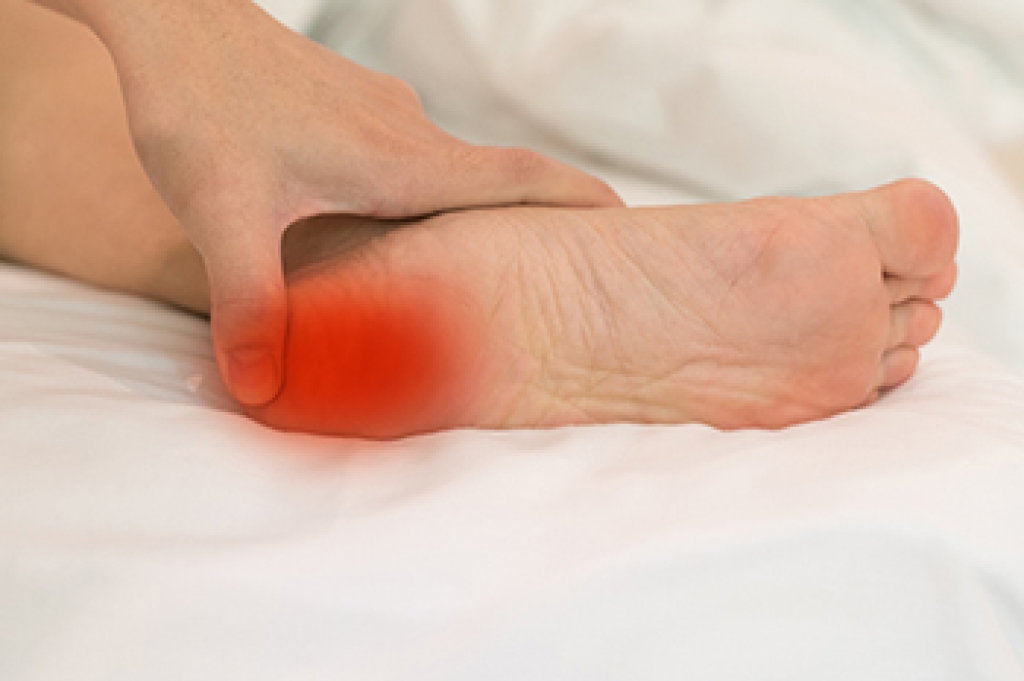
Sever’s disease, also known as calcaneal apophysitis, is a common cause of heel pain in children, especially during growth spurts between ages 8 and 14. It occurs when the growth plate in the heel becomes inflamed due to repetitive stress from sports or activity. A less commonly known fact is that Sever’s disease often appears in both heels, not just one. Symptoms include heel pain during or after activity, limping, walking on toes, and tenderness at the back of the heel. The heel may look normal but feels sore to the touch, especially after running or jumping. A podiatrist diagnoses Sever’s disease through a physical exam, symptom review, and sometimes imaging to rule out other conditions. Treatment includes rest, stretching exercises, heel cushions, supportive footwear, and sometimes custom orthotics to relieve pressure. If your child is dealing with this condition, it is suggested that you make an appointment with a podiatrist for evaluation and treatment.

Sever's disease often occurs in children and teens. If your child is experiencing foot or ankle pain, see Howard Abramsohn, DPM from Ambulatory Foot and Ankle Associates, LLC. Our doctor can treat your child’s foot and ankle needs.

Sever’s Disease

Sever’s disease is also known as calcaneal apophysitis, which is a medical condition that causes heel pain I none or both feet. The disease is known to affect children between the ages of 8 and 14.

Sever’s disease occurs when part of the child’s heel known as the growth plate (calcaneal epiphysis) is attached to the Achilles tendon. This area can suffer injury when the muscles and tendons of the growing foot do not keep pace with bone growth. Therefore, the constant pain which one experiences at the back of the heel will make the child unable to put any weight on the heel. The child is then forced to walk on their toes.

Symptoms

Acute pain – Pain associated with Sever’s disease is usually felt in the heel when the child engages in physical activity such as walking, jumping and or running.

Highly active – Children who are very active are among the most susceptible in experiencing Sever’s disease, because of the stress and tension placed on their feet.

If you have any questions, please feel free to contact our office located in Mt Laurel Township, NJ . We offer the newest diagnostic and treatment technologies for all your foot care needs.

Read more about Sever's Disease

Are You Suffering From Ingrown Toenails?

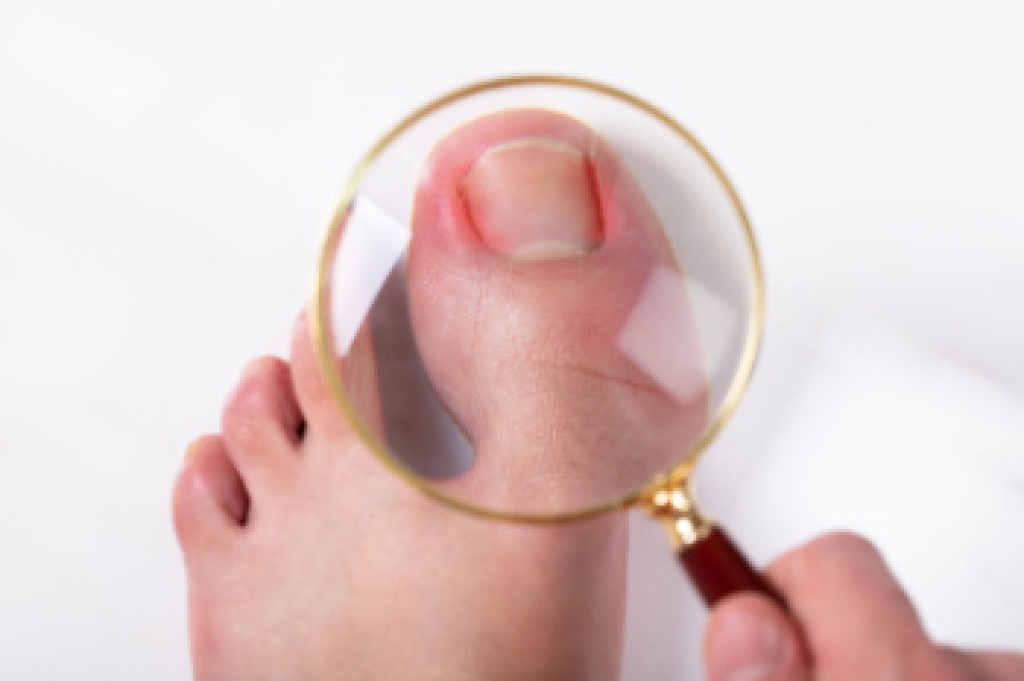
If left untreated, an ingrown toenail can lead to more serious concerns, such as an infection. Knowing proper nail care can help in the prevention of an ingrown toenail. Give us a call, and get treated!

How Shoes Should Fit to Support Foot Health

Wearing shoes that fit properly is essential for keeping feet comfortable and preventing injury. A well-fitting shoe allows enough space at the front so toes can move freely without rubbing. There should be about a thumb’s width between the longest toe and the end of the shoe. The heel should sit securely without slipping, and the sides should feel snug, but not tight. Arch support should match the shape of your foot to help with balance and reduce strain. Shoes that are too tight can increase the risk of blisters, bunions, or ingrown toenails, while shoes that are too loose may cause instability or falls. Measuring both feet and trying on shoes at the end of the day, when feet are slightly swollen, can help ensure the best fit. If you have developed foot pain from wearing shoes that do not fit correctly, or have concerns about your shoe fit or foot comfort, it is suggested that you consult a podiatrist for expert advice.

Getting the right shoe size is an important part of proper foot health. Seek the assistance of Howard Abramsohn, DPM from Ambulatory Foot and Ankle Associates, LLC. Our doctor will provide the care you need to keep you pain-free and on your feet.

Getting the Right Shoe Size

There are many people who wear shoes that are the incorrect size, negatively affecting their feet and posture. Selecting the right shoes is not a difficult process, so long as you keep several things in mind when it comes to choosing the right pair.

  • When visiting the shoe store, use the tools available to measure your foot.
  • Be sure there is ‘wiggle room’. There should be about an inch between your toes and the tip of your shoes.
  • Do not always assume you are the same size, as manufacturers run differently.
  • Purchase shoes later in the day, as your feet swell as the day progresses.
  • If a shoe is not comfortable, it is not suitable. Most shoes can’t be ‘broken in’, and comfort should be the ultimate goal when it comes to choosing the right pair of shoes

As our feet hold our body weight and keep us moving, it is important to treat them right. Picking the right pair of shoes can provide your feet comfort and mobility without pain.

If you have any questions, please feel free to contact our office located in Mt Laurel Township, NJ . We offer the newest diagnostic and treatment technologies for all your foot care needs.

Read more about Getting the Right Shoe Size

Recognizing Poor Circulation in the Feet

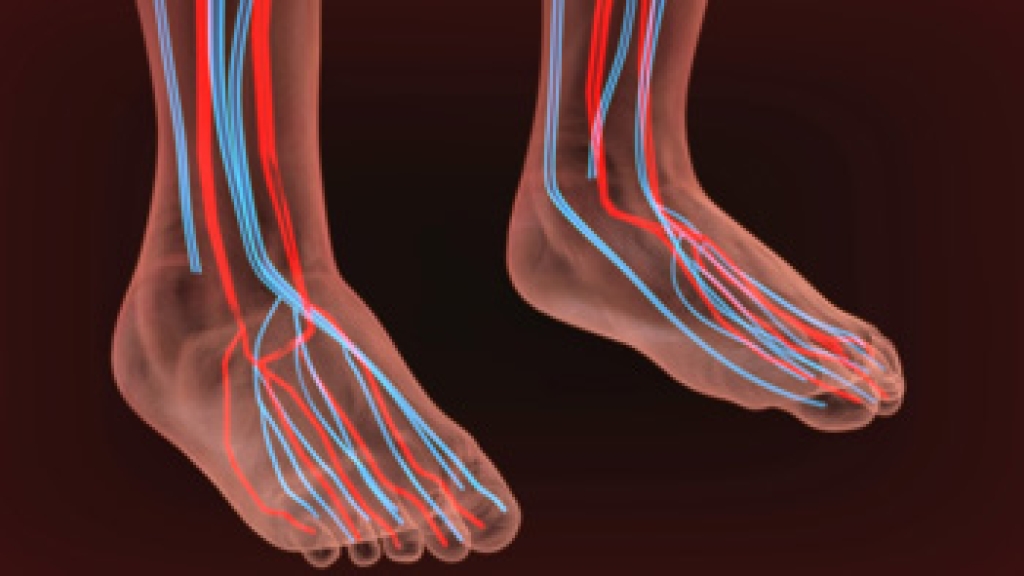
Poor circulation in the feet occurs when blood flow is reduced, often due to underlying conditions like diabetes, peripheral artery disease, or Raynaud's phenomenon. which causes blood vessels to narrow in response to cold or stress, and leads to pale, cold, or numb toes that may later turn blue or red. Symptoms of poor circulation include tingling, cramping, slow-healing wounds, and noticeable temperature differences between feet. These signs should not be ignored, as they may indicate more serious vascular issues. A podiatrist can perform diagnostic tests, recommend lifestyle changes, and provide treatment options to improve blood flow and manage discomfort. If you are experiencing any signs of poor circulation in your feet, it is suggested that you schedule an appointment with a podiatrist who can help you to manage your foot health.

While poor circulation itself isn’t a condition; it is a symptom of another underlying health condition you may have. If you have any concerns with poor circulation in your feet contact Howard Abramsohn, DPM of Ambulatory Foot and Ankle Associates, LLC. Our doctor will treat your foot and ankle needs.

Poor Circulation in the Feet

Peripheral artery disease (PAD) can potentially lead to poor circulation in the lower extremities. PAD is a condition that causes the blood vessels and arteries to narrow. In a linked condition called atherosclerosis, the arteries stiffen up due to a buildup of plaque in the arteries and blood vessels. These two conditions can cause a decrease in the amount of blood that flows to your extremities, therefore resulting in pain.

Symptoms

Some of the most common symptoms of poor circulation are:

  • Numbness
  • Tingling
  • Throbbing or stinging pain in limbs
  • Pain
  • Muscle Cramps

Treatment for poor circulation often depends on the underlying condition that causes it. Methods for treatment may include insulin for diabetes, special exercise programs, surgery for varicose veins, or compression socks for swollen legs.

As always, see a podiatrist as he or she will assist in finding a regimen that suits you. A podiatrist can also prescribe you any needed medication. 

If you have any questions, please feel free to contact our office located in Mt Laurel Township, NJ . We offer the newest diagnostic and treatment technologies for all your foot care needs.
Read more about Causes Symptoms and Treatment for Poor Circulation in the Feet

Exercises Targeted at Turf Toe Injuries

Turf toe is an injury that affects the base of the big toe when it bends too far upward, often during sports, gymnastics, dance, or running. This can stretch or tear the soft tissues and ligaments in the joint, causing pain, swelling, and limited movement. It is important to have the injury evaluated by a podiatrist, as a proper exam can help determine the extent of the damage. Once swelling and pain from turf toe are managed, a podiatrist may recommend targeted exercises to help restore strength and movement in the big toe and foot. Options include toe curls, marble pick-ups, and resistance band stretches to improve flexibility. Toe spreading and squeezing exercises can also build support around the joint. Calf raises and balance drills help improve foot stability and prevent future strain. A podiatrist will guide the timing and intensity of these exercises to support safe healing. If you have joint pain in your big toe, it is suggested that you schedule an appointment with a podiatrist for a diagnosis and treatment, including appropriate exercises.

Toe pain can disrupt your daily activities. If you have any concerns, contact Howard Abramsohn, DPM of Ambulatory Foot and Ankle Associates, LLC. Our doctor can provide the care you need to keep you pain-free and on your feet.

What Causes Toe Pain?

Most severe toe pain is caused due to a sports injury, trauma from dropping something heavy on the toe, or bumping into something rigid. Other problems can develop over time for various reasons.

Toe pain can be caused by one or more ailments. The most common include:

  • Trauma
  • Sports injury
  • Wearing shoes that are too tight
  • Arthritis
  • Gout
  • Corns and calluses
  • Hammertoe
  • Bunions
  • Blisters
  • Ingrown toenails
  • Sprains
  • Fractures (broken bones)
  • Dislocations

When to See a Podiatrist

  • Severe pain
  • Persistent pain that lasts more than a week
  • Signs of infection
  • Continued swelling
  • Pain that prevents walking

Diagnosis

In many cases the cause of toe pain is obvious, but in others, a podiatrist may want to use more advanced methods to determine the problem. These can range from simple visual inspections and sensation tests to X-rays and MRI scans. Prior medical history, family medical history, and any recent physical traumatic events will all be taken into consideration for a proper diagnosis.

Treatment

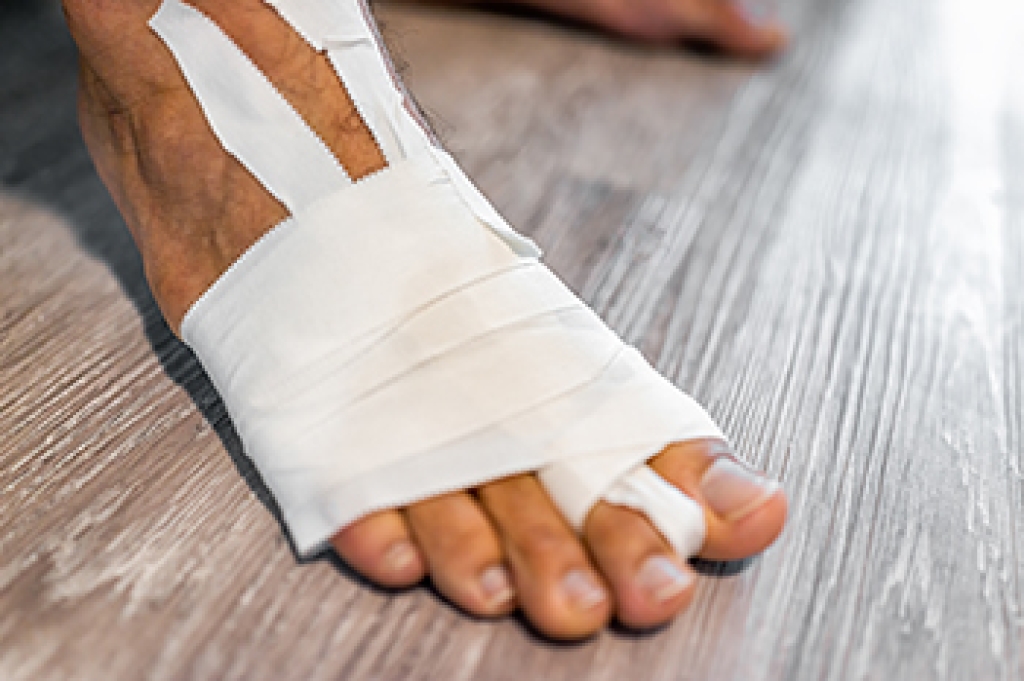
Treatments for toe pain and injuries vary and may include shoe inserts, padding, taping, medicines, injections, and in some cases, surgery. If you believe that you have broken a toe, please see a podiatrist as soon as possible.

If you have any questions please contact our office located in Mt Laurel Township, NJ . We offer the newest diagnostic and treatment technologies for all your foot and ankle needs.

Read more about Toe Pain

Ingrown Toenail Facts

An ingrown toenail occurs when the edge of the toenail grows into the surrounding skin, causing irritation and discomfort. This condition most commonly affects the big toe and can result from improper nail trimming, wearing tight shoes, toe injuries, or inherited nail shapes. Symptoms include redness, swelling, pain along the nail edge, and sometimes infection with drainage or increased tenderness. If left untreated, an athlete's foot infection may worsen and lead to more serious complications. Diagnosis is usually made through a clinical examination of the affected toe. A podiatrist can provide relief by carefully removing the ingrown portion, treating any infection, and offering guidance on proper nail care. Ingrown toenails can cause severe pain and discomfort. If you have developed this condition, it is strongly suggested that you promptly contact a podiatrist who can offer appropriate treatment remedies.

Ingrown toenails can become painful if they are not treated properly. For more information about ingrown toenails, contact Howard Abramsohn, DPM of Ambulatory Foot and Ankle Associates, LLC. Our doctor can provide the care you need to keep you pain-free and on your feet.

Ingrown Toenails

Ingrown toenails occur when a toenail grows sideways into the bed of the nail, causing pain, swelling, and possibly infection.

Causes

  • Bacterial infections
  • Improper nail cutting such as cutting it too short or not straight across
  • Trauma to the toe, such as stubbing, which causes the nail to grow back irregularly
  • Ill-fitting shoes that bunch the toes too close together
  • Genetic predisposition

Prevention

Wearing proper fitting shoes and using proper cutting techniques will also help decrease your risk of developing ingrown toenails.

Treatment

Ingrown toenails are a very treatable foot condition. In minor cases, soaking the affected area in salt or antibacterial soaps will not only help with the ingrown nail itself, but also help prevent any infections from occurring. In more severe cases, surgery is an option. In either case, speaking to your podiatrist about this condition will help you get a better understanding of specific treatment options that are right for you.

If you have any questions, please feel free to contact our office located in Mt Laurel Township, NJ . We offer the newest diagnostic and treatment technologies for all your foot care needs.
Read more about Ingrown Toenail Care

Connect With Us