We are now hiring! If interested, please call us at (856) 234-5180.

Foot and Ankle Injuries From Pickleball

Foot and ankle injuries are common in pickleball, a fast-paced sport that involves quick movements and sudden changes in direction. Ankle sprains are one of the most frequent injuries, occurring when the ligaments around the ankle are overstretched. Achilles tendon injuries can also happen, often due to overuse or abrupt movements like lunging or jumping. Prevention is key and involves wearing supportive shoes with good traction, warming up properly, and strengthening the muscles surrounding the foot and ankle. Without proper care, these injuries can become chronic, leading to persistent pain, instability, and limited mobility. If you have sustained a foot or ankle injury in pickleball, it is suggested that you visit a podiatrist who can diagnose the injury and provide treatment.

Sports related foot and ankle injuries require proper treatment before players can go back to their regular routines. For more information, contact Howard Abramsohn, DPM of Ambulatory Foot and Ankle Associates, LLC. Our doctor can provide the care you need to keep you pain-free and on your feet.

Sports Related Foot and Ankle Injuries

Foot and ankle injuries are a common occurrence when it comes to athletes of any sport. While many athletes dismiss the initial aches and pains, the truth is that ignoring potential foot and ankle injuries can lead to serious problems. As athletes continue to place pressure and strain the area further, a mild injury can turn into something as serious as a rupture and may lead to a permanent disability. There are many factors that contribute to sports related foot and ankle injuries, which include failure to warm up properly, not providing support or wearing bad footwear. Common injuries and conditions athletes face, including:

  • Plantar Fasciitis
  • Achilles Tendinitis
  • Achilles Tendon Rupture
  • Ankle Sprains

Sports related injuries are commonly treated using the RICE method. This includes rest, applying ice to the injured area, compression and elevating the ankle. More serious sprains and injuries may require surgery, which could include arthroscopic and reconstructive surgery. Rehabilitation and therapy may also be required in order to get any recovering athlete to become fully functional again. Any unusual aches and pains an athlete sustains must be evaluated by a licensed, reputable medical professional.

If you have any questions please contact our office located in Mt Laurel Township, NJ . We offer the newest diagnostic and treatment technologies for all your foot and ankle needs.

Read more about Sports Related Foot And Ankle Injuries

Treating Pain From Flat Feet

Flat feet, also known as fallen arches, occur when the arches of the feet collapse or are not properly developed. This condition can cause the entire foot to make contact with the ground while standing. Flat feet may be caused by genetics, injury, aging, or conditions like obesity and arthritis. Common symptoms include foot pain, particularly in the arch or heel, swelling, and discomfort during physical activities. Some people may experience knee, hip, or lower back pain due to the altered biomechanics of the body. Diagnosis typically involves a physical examination and imaging tests like X-rays to assess foot alignment. Treatment options range from wearing supportive footwear and custom orthotics to surgery for severe cases. While many people live comfortably with flat feet, untreated cases can lead to complications like tendonitis, arthritis, and chronic pain. If you have pain from flat feet, it is suggested that you consult a podiatrist for a diagnosis and pain-relieving treatment.

Flatfoot is a condition many people suffer from. If you have flat feet, contact Howard Abramsohn, DPM from Ambulatory Foot and Ankle Associates, LLC. Our doctor will treat your foot and ankle needs.

What Are Flat Feet?

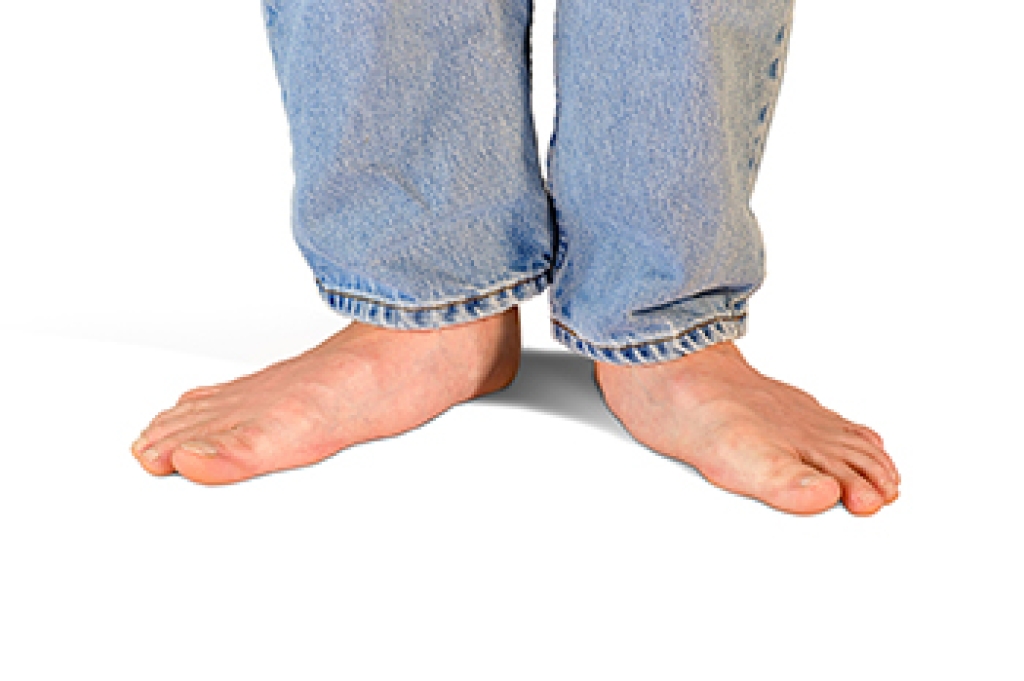
Flatfoot is a condition in which the arch of the foot is depressed and the sole of the foot is almost completely in contact with the ground. About 20-30% of the population generally has flat feet because their arches never formed during growth.

Conditions & Problems:

Having flat feet makes it difficult to run or walk because of the stress placed on the ankles.

Alignment – The general alignment of your legs can be disrupted, because the ankles move inward which can cause major discomfort.

Knees – If you have complications with your knees, flat feet can be a contributor to arthritis in that area.  

Symptoms

  • Pain around the heel or arch area
  • Trouble standing on the tip toe
  • Swelling around the inside of the ankle
  • Flat look to one or both feet
  • Having your shoes feel uneven when worn

Treatment

If you are experiencing pain and stress on the foot you may weaken the posterior tibial tendon, which runs around the inside of the ankle. 

If you have any questions, please feel free to contact our office located in Mt Laurel Township, NJ . We offer the newest diagnostic and treatment technologies for all your foot care needs.

Read more about Flatfoot

How Foot Biomechanics Impact Foot Health

The foot and ankle consist of 26 bones, 33 joints, and over 100 muscles, tendons, and ligaments, forming a complex structure that provides support, balance, and mobility. Key joints include the ankle joint where the tibia, fibula, and talus meet, the subtalar joint allowing side-to-side motion, and the midfoot joints, which contribute to arch flexibility. Biomechanics of the foot and ankle are critical, as they impact walking, running, and overall posture. Improper alignment or function in these joints can lead to issues like plantar fasciitis, tendonitis, or osteoarthritis, affecting movement and increasing stress on the knees, hips, and lower back. Proper foot care, wearing supportive footwear, and orthotics can help maintain good biomechanics, reduce pain, and prevent injuries. It is suggested that you include regular check-ups with a podiatrist in your health care routine to catch potential problems early, ensuring long-term foot health.

If you have any concerns about your feet, contact Howard Abramsohn, DPM from Ambulatory Foot and Ankle Associates, LLC. Our doctor can provide the care you need to keep you pain-free and on your feet.

Biomechanics in Podiatry

Podiatric biomechanics is a particular sector of specialty podiatry with licensed practitioners who are trained to diagnose and treat conditions affecting the foot, ankle and lower leg. Biomechanics deals with the forces that act against the body, causing an interference with the biological structures. It focuses on the movement of the ankle, the foot and the forces that interact with them.

A History of Biomechanics

  • Biomechanics dates back to the BC era in Egypt where evidence of professional foot care has been recorded.
  • In 1974, biomechanics gained a higher profile from the studies of Merton Root, who claimed that by changing or controlling the forces between the ankle and the foot, corrections or conditions could be implemented to gain strength and coordination in the area.

Modern technological improvements are based on past theories and therapeutic processes that provide a better understanding of podiatric concepts for biomechanics. Computers can provide accurate information about the forces and patterns of the feet and lower legs.

Understanding biomechanics of the feet can help improve and eliminate pain, stopping further stress to the foot.

If you have any questions please feel free to contact our office located in Mt Laurel Township, NJ . We offer the newest diagnostic and treatment technologies for all your foot and ankle needs.

Read more about The Importance of Biomechanics in Podiatry

Foot Exercises to Address Excessive Supination

Supination refers to the outward rolling motion of the foot during walking or running, where the weight is concentrated on the outer edges of the foot. Excessive supination can lead to various issues such as ankle instability and foot pain. Specific exercises can be very beneficial. Strengthening exercises like calf raises and toe taps help enhance the muscles that support proper foot alignment. Stretching exercises, such as calf stretches and foam rolling, can improve flexibility and reduce tension in the calf muscles. Additionally, balance exercises like single-leg stand and stability ball exercises can help improve overall foot stability. If you have this type of foot condition, it is suggested that you contact a podiatrist who can provide treatment options which may include additional exercises.

Exercising your feet regularly with the proper foot wear is a great way to prevent injuries and build strength. If you have any concerns about your feet, contact Howard Abramsohn, DPM from Ambulatory Foot and Ankle Associates, LLC. Our doctor can provide the care you need to keep you pain-free and on your feet.

Exercise for Your Feet

Exercise for your feet can help you gain strength, mobility and flexibility in your feet. They say that strengthening your feet can be just as rewarding as strengthening another part of the body. Your feet are very important, and we often forget about them in our daily tasks. But it is because of our feet that are we able to get going and do what we need to. For those of us fortunate enough to not have any foot problems, it is an important gesture to take care of them to ensure good health in the long run.

Some foot health exercises can include ankle pumps, tip-toeing, toe rises, lifting off the floor doing reps and sets, and flexing the toes. It is best to speak with Our doctor to determine an appropriate regimen for your needs. Everyone’s needs and bodies are different, and the activities required to maintain strength in the feet vary from individual to individual. 

Once you get into a routine of doing regular exercise, you may notice a difference in your feet and how strong they may become.

If you have any questions, please feel free to contact our office located in Mt Laurel Township, NJ . We offer the newest diagnostic and treatment technologies for all your foot care needs.

Read more about Exercise for Your Feet

Connect With Us