We are now hiring! If interested, please call us at (856) 234-5180.

Foot Pain Causes Among Ballet Dancers

Ballet, renowned for its grace and elegance, demands immense physical strength and flexibility, placing unique stresses on the feet of dancers. Foot pain is a common and often debilitating issue among ballet dancers, stemming from various factors. One primary cause is the repetitive strain endured during training and performances. The intricate footwork, including pointe work and jumps, can lead to overuse injuries such as stress fractures, tendonitis, and ligament strains. The demanding nature of ballet necessitates wearing tightly-fitted shoes, which can exacerbate foot discomfort and deformities like bunions and hammertoes over time. Poor technique or improper alignment during movements can also contribute to foot pain and injury. Additionally, anatomical factors such as foot structure and muscle imbalances play a significant role in predisposing dancers to foot problems. If you enjoy ballet dancing and are experiencing foot pain, it is suggested that you consult with a podiatrist who can offer you successful treatment methods in addition to effective prevention tips.

Foot Pain

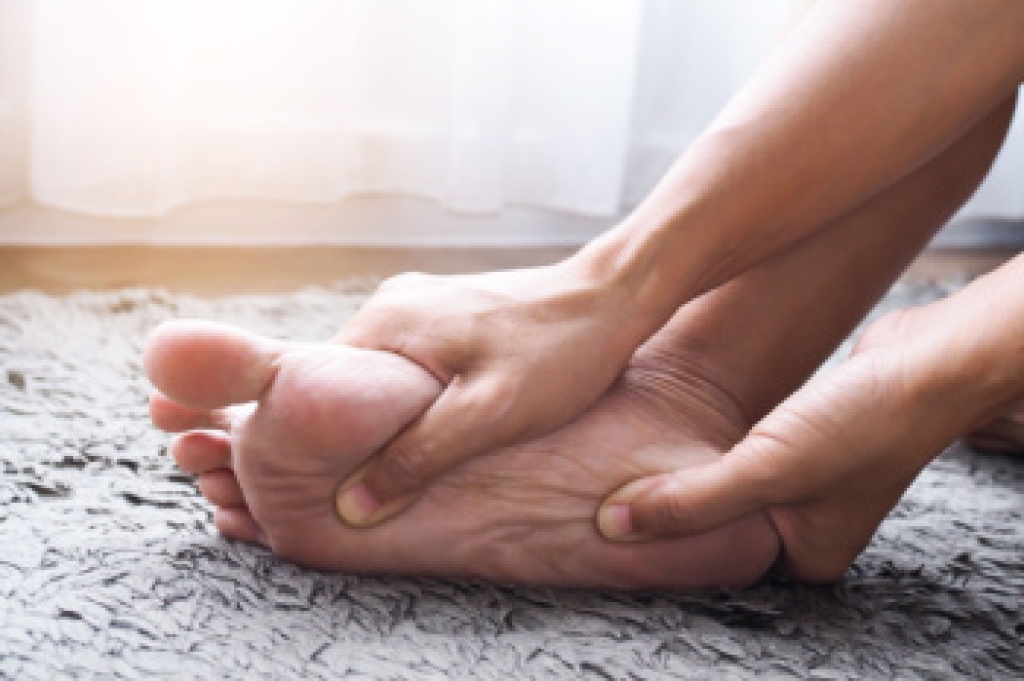
Foot pain can be extremely painful and debilitating. If you have a foot pain, consult with Howard Abramsohn, DPM from Ambulatory Foot and Ankle Associates, LLC. Our doctor will assess your condition and provide you with quality foot and ankle treatment.

Causes

Foot pain is a very broad condition that could be caused by one or more ailments. The most common include:

  • Bunions
  • Hammertoes
  • Plantar Fasciitis
  • Bone Spurs
  • Corns
  • Tarsal Tunnel Syndrome
  • Ingrown Toenails
  • Arthritis (such as Gout, Rheumatoid, and Osteoarthritis)
  • Flat Feet
  • Injury (from stress fractures, broken toe, foot, ankle, Achilles tendon ruptures, and sprains)
  • And more

Diagnosis

To figure out the cause of foot pain, podiatrists utilize several different methods. This can range from simple visual inspections and sensation tests to X-rays and MRI scans. Prior medical history, family medical history, and any recent physical traumatic events will all be taken into consideration for a proper diagnosis.

Treatment

Treatment depends upon the cause of the foot pain. Whether it is resting, staying off the foot, or having surgery; podiatrists have a number of treatment options available for foot pain.

If you have any questions, please feel free to contact our office located in Mt Laurel Township, NJ . We offer the newest diagnostic and treatment technologies for all your foot care needs.

Read more about Foot Pain

What Feet Can Reveal About Overall Health

Feet, often overlooked, hold valuable clues about our overall health and well-being. Various signs and symptoms manifesting in the feet can serve as indicators of underlying health conditions. For instance, changes in skin color or texture may signify circulatory issues or skin disorders, while brittle or discolored toenails can hint at fungal infections or nutritional deficiencies. Swelling in the feet and ankles may be from fluid retention, heart problems, or kidney issues. Furthermore, nerve damage in the feet can be an early sign of conditions like diabetes or neuropathy. Additionally, foot pain and discomfort can result from musculoskeletal problems, arthritis, or wearing improper footwear. Regularly inspecting and caring for our feet can help detect potential health concerns early and facilitate timely intervention. By paying attention to the signals our feet convey, we can take proactive steps to safeguard our well-being and maintain optimal health. If you are experiencing any foot pain or discomfort, it is strongly suggested that you visit a podiatrist who can help you with relief and treatment solutions.

When dealing with systemic disease of the feet, it is extremely important to check the affected areas routinely so that any additional problems are caught quickly.  If you have any concerns about your feet and ankles contact Howard Abramsohn, DPM from Ambulatory Foot and Ankle Associates, LLC. Our doctor will assist you with all of your podiatric needs.

Systemic Diseases of the Feet

Systemic diseases affect the whole body, and symptoms usually are displayed in the feet. This condition can make a patient’s ability to walk unbearable.  Systemic diseases include gout, diabetes mellitus, neurological disorders, and arthritis.

Gout – is caused by an excess of uric acid in the body. Common symptoms include pain, inflammation, and redness at the metatarsal/phalangeal joint of the base big toe. Gout can be treated by NSAIDs to relieve pain and inflammation, and other drugs that lower the acid levels in the body.

Diabetes mellitus – is an increase in the level of blood sugar that the body cannot counteract with its own insulin. Failure to produce enough insulin is a factor in Diabetes.

Diabetes of the Feet

Diabetic Neuropathy – may lead to damaged nerves and affect the feet through numbness and loss of sensation.

Peripheral Vascular Disease – can restrict the blood flow to the feet, and often times lead to amputation of the feet. 

If you have any questions please contact our office located in Mt Laurel Township, NJ . We offer the newest diagnostic and treatment technologies for all your foot and ankle needs.

Read more about Systemic Diseases of the Foot

Pain Caused by Working on Your Feet

If you are experiencing foot pain after a long day on your feet at work, you are not alone. The fatigue from standing all day can lead to discomfort, but if the foot pain persists, it may indicate more serious issues such as plantar fasciitis or heel spurs. Several factors contribute to foot pain and fatigue after working, including having inadequate support in your shoes, particularly if you are on hard surfaces like concrete or tile. Uneven pressure distribution within the foot and poor circulation can make the problem worse, leading to swelling and further discomfort. Additionally, existing foot conditions like bunions and Morton’s neuroma can intensify the pain. To alleviate foot pain after work, consider investing in supportive footwear with cushioned soles, taking breaks to stretch and walk, and wearing compression socks if circulation is an issue. Incorporating foot exercises and stretches into your daily routine can also help improve foot strength and flexibility, reducing the likelihood of pain. If foot pain persists, it is suggested that you schedule an appointment with a podiatrist for proper diagnosis and treatment options. 

While working on the feet, it is important to take the proper care of them. For more information about working on your feet, contact Howard Abramsohn, DPM from Ambulatory Foot and Ankle Associates, LLC. Our doctor will treat your foot and ankle needs.

Working on Your Feet

Standing on your feet for long periods of time can cause stress and pain in your feet. Your whole body may experience change in terms of posture, back pain, bunions, callouses and or plantar warts. There are ways to avoid these conditions with proper foot care, smart choices and correct posture.

Positive Changes

Negative heeled shoe – Choosing this shoe type places the heel slightly lower than the ball of the foot. These are great for overall foot health. Find shoes that fit you correctly.

Go barefoot – Our feet were not designed to be enclosed for all hours of the day. Try to periodically expose your feet to air.

Eliminate Pain

Foot Exercises – Performing simple exercises, incorporating yoga and doing stretches are beneficial. This will allow increased blood flow to the area and muscles of the foot.

Achilles tendon – Stretching the foot out flat on the floor will relax the calf muscles and tendon. These exercises can be performed almost anywhere. Make sure you add these exercises to your daily regimen. 

With a little bit of this information and knowing more about foot health, you will notice changes. Foot stretches and proper footwear will help with pain and prevent further issues.

If you have any questions please contact our office located in Mt Laurel Township, NJ . We offer the newest diagnostic and treatment technologies for all your foot and ankle needs.

Read more about How to Handle a Long Work Day on Your Feet

Understanding Slow Wound Healing in Diabetic Patients

Wound healing is a complex process that can be significantly delayed in diabetic patients due to various physiological factors. High blood sugar levels characteristic of diabetes can impair the body's ability to repair damaged tissue by disrupting the function of immune cells, such as macrophages and neutrophils, responsible for combating infections and initiating the healing process. Additionally, diabetes often leads to poor circulation, reducing the delivery of oxygen and nutrients to the site of the wound, which is essential for tissue regeneration. Peripheral neuropathy, another common complication of diabetes, causes nerve damage and diminishes sensation in the extremities, making it difficult for patients to detect injuries and ulcers in their early stages. Furthermore, compromised immune function and increased susceptibility to infections further hinder the healing process. Managing blood sugar levels, maintaining proper foot care, and seeking prompt medical attention for wounds are crucial steps in minimizing the risk of complications and promoting effective wound healing in diabetic individuals. If you have diabetes, it is strongly suggested that you are under the care of a podiatrist who can provide you with effective wound prevention tips, in addition to helping you manage this serious condition.

Wound care is an important part in dealing with diabetes. If you have diabetes and a foot wound or would like more information about wound care for diabetics, consult with Howard Abramsohn, DPM from Ambulatory Foot and Ankle Associates, LLC. Our doctor will assess your condition and provide you with quality foot and ankle treatment.

What Is Wound Care?

Wound care is the practice of taking proper care of a wound. This can range from the smallest to the largest of wounds. While everyone can benefit from proper wound care, it is much more important for diabetics. Diabetics often suffer from poor blood circulation which causes wounds to heal much slower than they would in a non-diabetic. 

What Is the Importance of Wound Care?

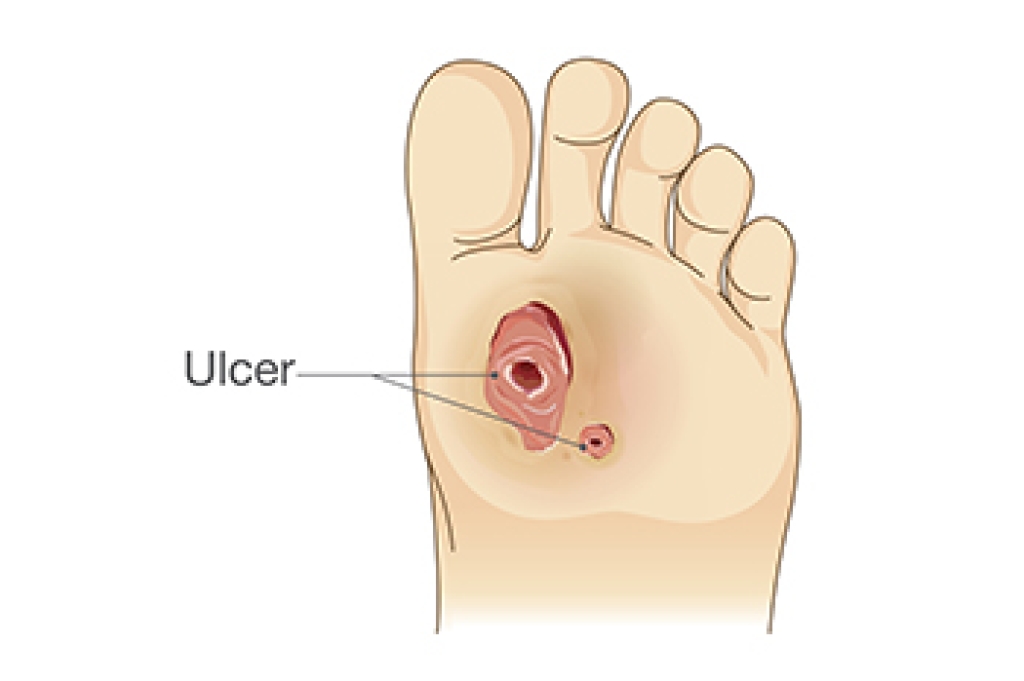
While it may not seem apparent with small ulcers on the foot, for diabetics, any size ulcer can become infected. Diabetics often also suffer from neuropathy, or nerve loss. This means they might not even feel when they have an ulcer on their foot. If the wound becomes severely infected, amputation may be necessary. Therefore, it is of the upmost importance to properly care for any and all foot wounds.

How to Care for Wounds

The best way to care for foot wounds is to prevent them. For diabetics, this means daily inspections of the feet for any signs of abnormalities or ulcers. It is also recommended to see a podiatrist several times a year for a foot inspection. If you do have an ulcer, run the wound under water to clear dirt from the wound; then apply antibiotic ointment to the wound and cover with a bandage. Bandages should be changed daily and keeping pressure off the wound is smart. It is advised to see a podiatrist, who can keep an eye on it.

If you have any questions please contact our office located in Mt Laurel Township, NJ . We offer the newest diagnostic and treatment technologies for all your foot and ankle needs.

Read more about Wound Care

Heel Pain Can Be Treated!

Do you suffer from heel pain when you get up in the morning? If so, you should seek professional help and have a proper diagnosis performed. Heel pain can be caused by several different foot-related conditions.

Connect With Us