
We are now hiring! If interested, please call us at (856) 234-5180.

Understanding Gout and How a Podiatrist Can Help

Gout is a painful inflammatory condition that often strikes the big toe and can appear suddenly with intense redness, swelling, and warmth that makes even light contact uncomfortable. The attacks may feel like burning pressure or sharp throbbing, and the joint may look shiny or purple as uric acid crystals irritate the tissue. Gout is commonly caused by elevated uric acid levels linked to genetics, diet, certain medications, or underlying medical conditions. A podiatrist can assist from the very beginning by performing a careful examination, ordering appropriate tests, and distinguishing gout from other foot disorders. Early diagnosis allows timely treatments that may include medication to reduce inflammation, guidance on footwear, custom orthotics to ease joint stress, in addition to long-term strategies to prevent future flare ups through lifestyle adjustments. Because prompt care can significantly reduce pain and protect joint health, it is suggested that you schedule an appointment with a podiatrist who can help you to manage this painful condition,

Gout is a painful condition that can be treated. If you are seeking treatment, contact Howard Abramsohn, DPM from Ambulatory Foot and Ankle Associates, LLC. Our doctor will treat your foot and ankle needs.

What Is Gout?

Gout is a form of arthritis that is characterized by sudden, severe attacks of pain, redness, and tenderness in the joints. The condition usually affects the joint at the base of the big toe. A gout attack can occur at any random time, such as the middle of the night while you are asleep.

Symptoms

  • Intense Joint Pain - Usually around the large joint of your big toe, and it most severe within the first four to twelve hours
  • Lingering Discomfort - Joint discomfort may last from a few days to a few weeks
  • Inflammation and Redness -Affected joints may become swollen, tender, warm and red
  • Limited Range of Motion - May experience a decrease in joint mobility

Risk Factors

  • Genetics - If family members have gout, you’re more likely to have it
  • Medications - Diuretic medications can raise uric acid levels
  • Gender/Age - Gout is more common in men until the age of 60. It is believed that estrogen protects women until that point
  • Diet - Eating red meat and shellfish increases your risk
  • Alcohol - Having more than two alcoholic drinks per day increases your risk
  • Obesity - Obese people are at a higher risk for gout

Prior to visiting your podiatrist to receive treatment for gout, there are a few things you should do beforehand. If you have gout you should write down your symptoms--including when they started and how often you experience them, important medical information you may have, and any questions you may have. Writing down these three things will help your podiatrist in assessing your specific situation so that he or she may provide the best route of treatment for you.

If you have any questions, please feel free to contact our office located in Mt Laurel Township, NJ . We offer the newest diagnostic and treatment technologies for all your foot care needs.

Read more about Gout

Risk Factors for Plantar Fasciitis

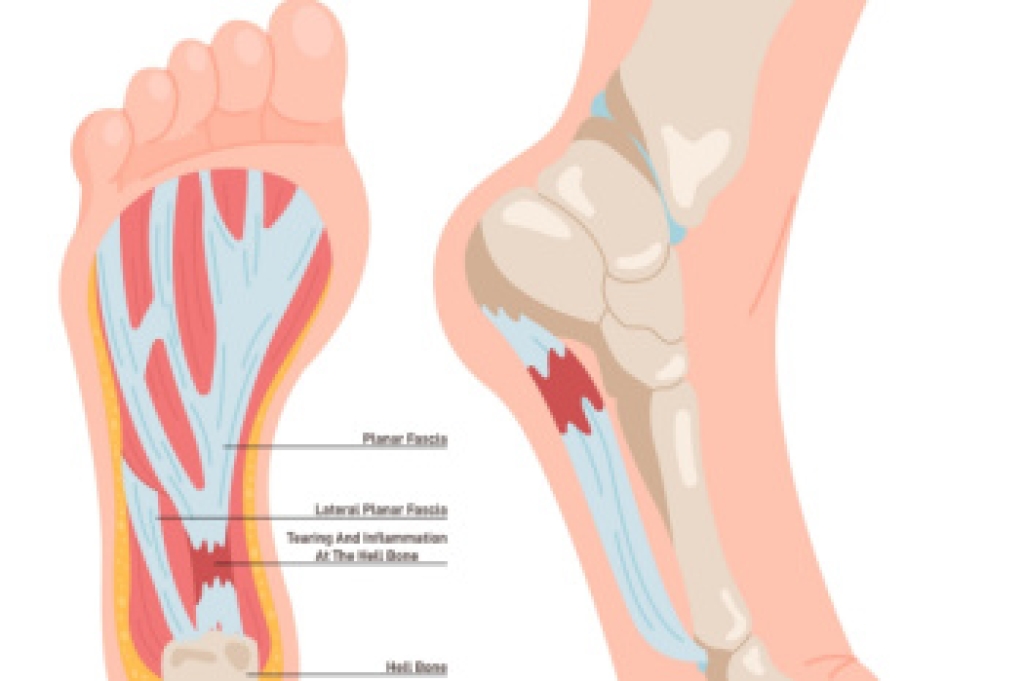
Plantar fasciitis is a common cause of heel pain that occurs when the thick band of tissue along the bottom of the foot becomes irritated. This condition often develops from repetitive strain, tight calf muscles, flat feet, high arches, or wearing unsupportive shoes. Symptoms include sharp heel pain with the first steps in the morning, tenderness, and stiffness after activity. Additionally, risk factors include increased activity levels, prolonged standing, aging, and excess weight. A podiatrist can diagnose the condition, provide custom treatment plans, and offer support through therapies, footwear guidance, and targeted exercises to reduce pain. If heel pain is disrupting your routine, it is suggested that you consult a podiatrist who can accurately diagnose and treat what may be going on.

Plantar fasciitis can be very painful and inconvenient. If you are experiencing heel pain or symptoms of plantar fasciitis, contact Howard Abramsohn, DPM  from Ambulatory Foot and Ankle Associates, LLC. Our doctor can provide the care you need to keep you pain-free and on your feet.

What Is Plantar Fasciitis?

Plantar fasciitis is the inflammation of the thick band of tissue that runs along the bottom of your foot, known as the plantar fascia, and causes mild to severe heel pain.

What Causes Plantar Fasciitis?

  • Excessive running
  • Non-supportive shoes
  • Overpronation
  • Repeated stretching and tearing of the plantar fascia

How Can It Be Treated?

  • Conservative measures – anti-inflammatories, ice packs, stretching exercises, physical therapy, orthotic devices
  • Shockwave therapy – sound waves are sent to the affected area to facilitate healing and are usually used for chronic cases of plantar fasciitis
  • Surgery – usually only used as a last resort when all else fails. The plantar fascia can be surgically detached from the heel

While very treatable, plantar fasciitis is definitely not something that should be ignored. Especially in severe cases, speaking to your doctor right away is highly recommended to avoid complications and severe heel pain. Your podiatrist can work with you to provide the appropriate treatment options tailored to your condition.

If you have any questions, please feel free to contact our office located in Mt Laurel Township, NJ . We offer the newest diagnostic and treatment technologies for all your foot care needs.

Read more about Plantar Fasciitis

Treatment for a Dislocated Ankle

A dislocated ankle occurs when the talus, the main ankle bone, is pushed out of place from under the tibia and fibula, which are the bones of the lower leg. This sudden shift causes sharp pain, swelling, and a foot that looks out of alignment. The injury also affects the ligaments that hold the ankle steady, as well as nearby joints where the talus meets the calcaneus, or heel bone. A podiatrist can check the position of the foot, make sure blood flow and feeling in the toes are normal, and use imaging to see if any nearby bones have been damaged. Treatment focuses on gently guiding the talus back into place and keeping the ankle immobile so healing can start. Surgery may be considered when there are fractures or if the ankle remains unstable. If you believe you have dislocated your ankle, it is suggested that you make an appointment with a podiatrist for a diagnosis and treatment options.

Ankle pain can be caused by a number of problems and may be potentially serious. If you have ankle pain, consult with Howard Abramsohn, DPM from Ambulatory Foot and Ankle Associates, LLC. Our doctor will assess your condition and provide you with quality foot and ankle treatment.

Ankle pain is any condition that causes pain in the ankle. Due to the fact that the ankle consists of tendons, muscles, bones, and ligaments, ankle pain can come from a number of different conditions.

Causes

The most common causes of ankle pain include:

  • Types of arthritis (rheumatoid, osteoarthritis, and gout)
  • Ankle sprains
  • Broken ankles
  • Achilles tendonitis
  • Achilles tendon rupture
  • Stress fractures
  • Bursitis
  • Tarsal tunnel syndrome
  • Plantar fasciitis

Symptoms

Symptoms of ankle injury vary based upon the condition. Pain may include general pain and discomfort, swelling, aching, redness, bruising, burning or stabbing sensations, and/or loss of sensation.

Diagnosis

Due to the wide variety of potential causes of ankle pain, podiatrists will utilize a number of different methods to properly diagnose ankle pain. This can include asking for personal and family medical histories and of any recent injuries. Further diagnosis may include sensation tests, a physical examination, and potentially x-rays or other imaging tests.

Treatment

Just as the range of causes varies widely, so do treatments. Some more common treatments are rest, ice packs, keeping pressure off the foot, orthotics and braces, medication for inflammation and pain, and surgery.

If you have any questions please feel free to contact our office located in Mt Laurel Township, NJ . We offer the newest diagnostic tools and technology to treat your foot and ankle needs.

Read more about Various Causes of Ankle Pain

Caring for a Broken Toe and Preventing Complications

A broken toe occurs when one of the small bones in the toe cracks or breaks, often due to stubbing, dropping a heavy object, or direct trauma during sports or accidents. It may look swollen, bruised, or misaligned, and in severe cases, the toe may appear bent or deformed. Many individuals describe immediate sharp pain, tenderness, and difficulty walking or bearing weight on the affected foot. Even minor toe fractures can affect balance and gait if left untreated, potentially causing long-term foot problems. A podiatrist can begin by examining the toe, assessing movement and alignment, and using X-rays or other imaging to confirm the fracture. Treatment may include buddy taping, protective footwear, splints, or in severe cases minor surgical intervention to realign the bone. Early professional care can help ensure proper healing, reduce pain, and prevent complications. If you suspect a broken toe, it is suggested that you make an appointment with a podiatrist.

A broken toe can be very painful and lead to complications if not properly fixed. If you have any concerns about your feet, contact Howard Abramsohn, DPM from Ambulatory Foot and Ankle Associates, LLC. Our doctor will treat your foot and ankle needs.

What to Know About a Broken Toe

Although most people try to avoid foot trauma such as banging, stubbing, or dropping heavy objects on their feet, the unfortunate fact is that it is a common occurrence. Given the fact that toes are positioned in front of the feet, they typically sustain the brunt of such trauma. When trauma occurs to a toe, the result can be a painful break (fracture).

Symptoms of a Broken Toe

  • Throbbing pain
  • Swelling
  • Bruising on the skin and toenail
  • The inability to move the toe
  • Toe appears crooked or disfigured
  • Tingling or numbness in the toe

Generally, it is best to stay off of the injured toe with the affected foot elevated.

Severe toe fractures may be treated with a splint, cast, and in some cases, minor surgery. Due to its position and the pressure it endures with daily activity, future complications can occur if the big toe is not properly treated.

If you have any questions, please feel free to contact our office located in Mt Laurel Township, NJ . We offer the newest diagnostic and treatment technologies for all your foot care needs.

Read more about What to Know About a Broken Toe

Why Live with Pain and Numbness in Your Feet?

Suffering from this type of pain? You may have the foot condition known as Morton's neuroma. Morton's neuroma may develop as a result of ill-fitting footwear and existing foot deformities. We can help.

Connect With Us