We are now hiring! If interested, please call us at (856) 234-5180.

Treatment for a Dislocated Ankle

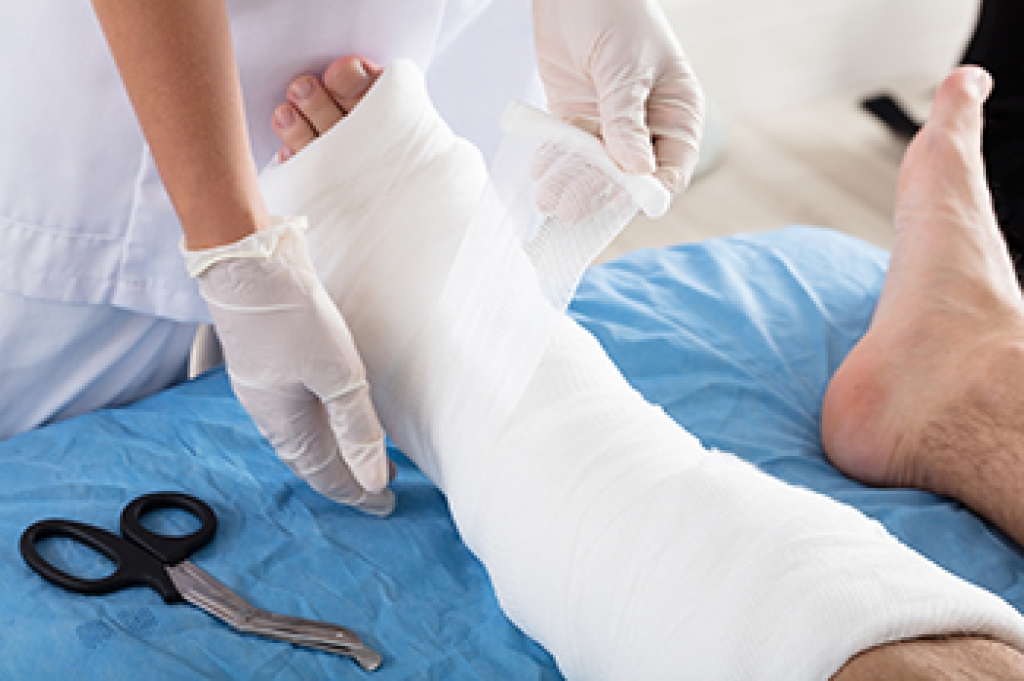
A dislocated ankle occurs when the talus, the main ankle bone, is pushed out of place from under the tibia and fibula, which are the bones of the lower leg. This sudden shift causes sharp pain, swelling, and a foot that looks out of alignment. The injury also affects the ligaments that hold the ankle steady, as well as nearby joints where the talus meets the calcaneus, or heel bone. A podiatrist can check the position of the foot, make sure blood flow and feeling in the toes are normal, and use imaging to see if any nearby bones have been damaged. Treatment focuses on gently guiding the talus back into place and keeping the ankle immobile so healing can start. Surgery may be considered when there are fractures or if the ankle remains unstable. If you believe you have dislocated your ankle, it is suggested that you make an appointment with a podiatrist for a diagnosis and treatment options.

Ankle pain can be caused by a number of problems and may be potentially serious. If you have ankle pain, consult with Howard Abramsohn, DPM from Ambulatory Foot and Ankle Associates, LLC. Our doctor will assess your condition and provide you with quality foot and ankle treatment.

Ankle pain is any condition that causes pain in the ankle. Due to the fact that the ankle consists of tendons, muscles, bones, and ligaments, ankle pain can come from a number of different conditions.

Causes

The most common causes of ankle pain include:

  • Types of arthritis (rheumatoid, osteoarthritis, and gout)
  • Ankle sprains
  • Broken ankles
  • Achilles tendonitis
  • Achilles tendon rupture
  • Stress fractures
  • Bursitis
  • Tarsal tunnel syndrome
  • Plantar fasciitis

Symptoms

Symptoms of ankle injury vary based upon the condition. Pain may include general pain and discomfort, swelling, aching, redness, bruising, burning or stabbing sensations, and/or loss of sensation.

Diagnosis

Due to the wide variety of potential causes of ankle pain, podiatrists will utilize a number of different methods to properly diagnose ankle pain. This can include asking for personal and family medical histories and of any recent injuries. Further diagnosis may include sensation tests, a physical examination, and potentially x-rays or other imaging tests.

Treatment

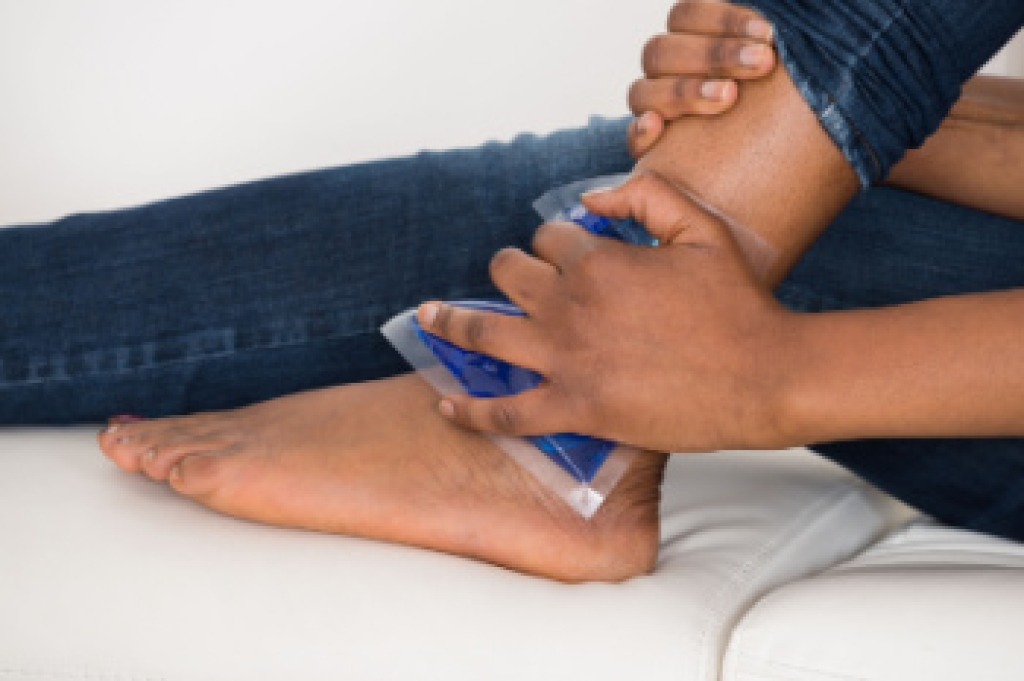
Just as the range of causes varies widely, so do treatments. Some more common treatments are rest, ice packs, keeping pressure off the foot, orthotics and braces, medication for inflammation and pain, and surgery.

If you have any questions please feel free to contact our office located in Mt Laurel Township, NJ . We offer the newest diagnostic tools and technology to treat your foot and ankle needs.
Read more about Various Causes of Ankle Pain

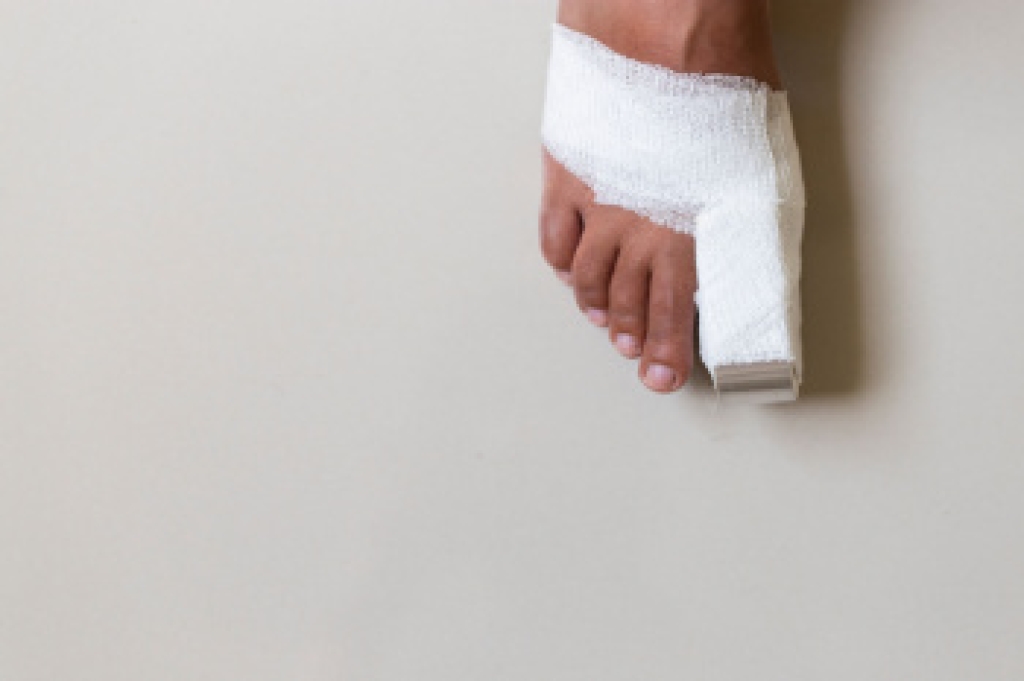
Caring for a Broken Toe and Preventing Complications

A broken toe occurs when one of the small bones in the toe cracks or breaks, often due to stubbing, dropping a heavy object, or direct trauma during sports or accidents. It may look swollen, bruised, or misaligned, and in severe cases, the toe may appear bent or deformed. Many individuals describe immediate sharp pain, tenderness, and difficulty walking or bearing weight on the affected foot. Even minor toe fractures can affect balance and gait if left untreated, potentially causing long-term foot problems. A podiatrist can begin by examining the toe, assessing movement and alignment, and using X-rays or other imaging to confirm the fracture. Treatment may include buddy taping, protective footwear, splints, or in severe cases minor surgical intervention to realign the bone. Early professional care can help ensure proper healing, reduce pain, and prevent complications. If you suspect a broken toe, it is suggested that you make an appointment with a podiatrist.

A broken toe can be very painful and lead to complications if not properly fixed. If you have any concerns about your feet, contact Howard Abramsohn, DPM from Ambulatory Foot and Ankle Associates, LLC. Our doctor will treat your foot and ankle needs.

What to Know About a Broken Toe

Although most people try to avoid foot trauma such as banging, stubbing, or dropping heavy objects on their feet, the unfortunate fact is that it is a common occurrence. Given the fact that toes are positioned in front of the feet, they typically sustain the brunt of such trauma. When trauma occurs to a toe, the result can be a painful break (fracture).

Symptoms of a Broken Toe

  • Throbbing pain
  • Swelling
  • Bruising on the skin and toenail
  • The inability to move the toe
  • Toe appears crooked or disfigured
  • Tingling or numbness in the toe

Generally, it is best to stay off of the injured toe with the affected foot elevated.

Severe toe fractures may be treated with a splint, cast, and in some cases, minor surgery. Due to its position and the pressure it endures with daily activity, future complications can occur if the big toe is not properly treated.

If you have any questions, please feel free to contact our office located in Mt Laurel Township, NJ . We offer the newest diagnostic and treatment technologies for all your foot care needs.

Read more about What to Know About a Broken Toe

Why Live with Pain and Numbness in Your Feet?

Suffering from this type of pain? You may have the foot condition known as Morton's neuroma. Morton's neuroma may develop as a result of ill-fitting footwear and existing foot deformities. We can help.

The Importance of Off-Loading Diabetic Foot Wounds

Off-loading is essential for helping diabetic foot wounds heal because it reduces pressure on the ulcerated area. People with diabetic neuropathy often lose sensation in their feet, so they continue to walk on a wound without realizing it, which damages new tissue and delays recovery. A podiatrist can use specialized off-loading techniques to remove pressure from the affected area. This can involve therapeutic shoes, custom insoles, padded dressings, removable cast boots, or total contact casts that closely fit the foot and restrict joint motion. These approaches protect the wound from repetitive stress and shear forces, giving tissue the time it needs to repair. When necessary, surgery can also be performed to correct deformities or redistribute pressure to prevent recurrence. Consistent podiatric care ensures the wound remains clean and healing is monitored. If you have a diabetic foot wound, it is suggested that you make an appointment with a podiatrist for a diagnosis and treatment, including off-loading management.

Diabetic foot care is important in preventing foot ailments such as ulcers. If you are suffering from diabetes or have any other concerns about your feet, contact Howard Abramsohn, DPM from Ambulatory Foot and Ankle Associates, LLC. Our doctor can provide the care you need to keep you pain-free and on your feet.

Diabetic Foot Care

Diabetes affects millions of people every year. The condition can damage blood vessels in many parts of the body, especially the feet. Because of this, taking care of your feet is essential if you have diabetes, and having a podiatrist help monitor your foot health is highly recommended.

The Importance of Caring for Your Feet

  • Routinely inspect your feet for bruises or sores.
  • Wear socks that fit your feet comfortably.
  • Wear comfortable shoes that provide adequate support.

Patients with diabetes should have their doctor monitor their blood levels, as blood sugar levels play such a huge role in diabetic care. Monitoring these levels on a regular basis is highly advised.

It is always best to inform your healthcare professional of any concerns you may have regarding your feet, especially for diabetic patients. Early treatment and routine foot examinations are keys to maintaining proper health, especially because severe complications can arise if proper treatment is not applied.

If you have any questions, please feel free to contact our office located in Mt Laurel Township, NJ . We offer the newest diagnostic and treatment technologies for all your foot care needs.

Read more about How to Care for Diabetic Foot

Painful Corns on the Feet

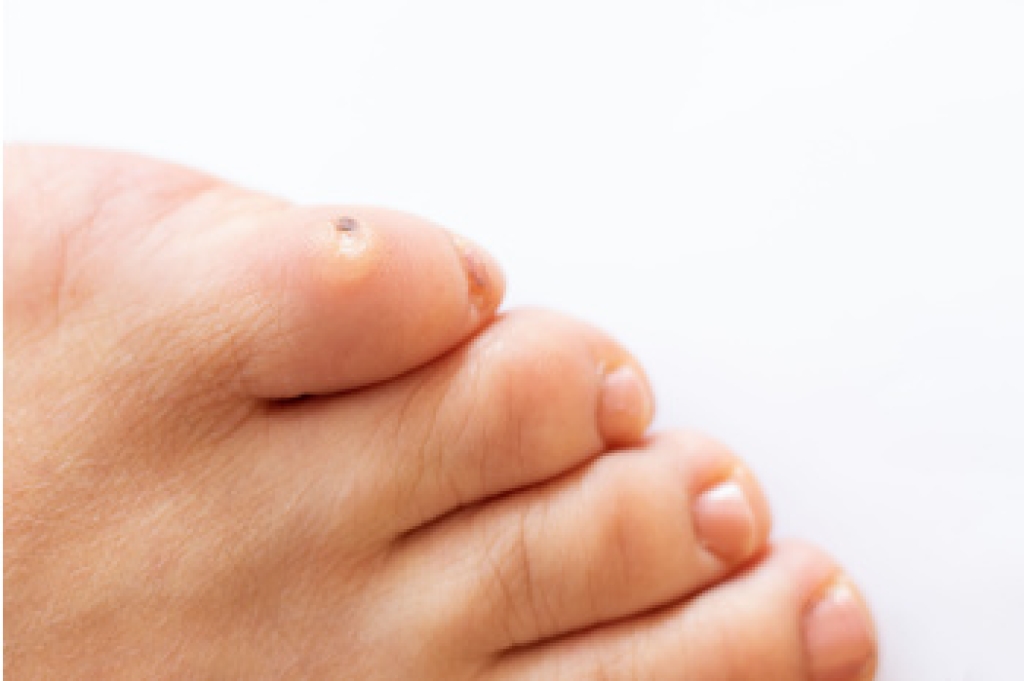
Corns are thickened areas of skin that develop in response to repeated pressure or friction, often caused by tight footwear, abnormal foot structure, or gait issues. They may appear as small, hard, circular patches of skin that are yellowish or translucent, sometimes with a firm core at the center. Corns often feel tender or sharp when pressed, and walking can become uncomfortable when the pressure increases. Some individuals may notice soreness, burning, or irritation around the affected area. A podiatrist can begin by carefully examining the foot to determine the cause of the corn and to rule out other conditions. Treatment may include gentle removal of the thickened skin, offloading with padding, advice on proper footwear, or custom orthotics to reduce pressure and prevent recurrence. In some cases, a podiatrist may address underlying biomechanical issues to support long-term relief. If you notice persistent discomfort or thickened skin on your feet, it is suggested that you make an appointment with a podiatrist. 

If you have any concerns regarding your feet and ankles, contact Howard Abramsohn, DPM of Ambulatory Foot and Ankle Associates, LLC. Our doctor will treat your foot and ankle needs.
Corns: What Are They? and How Do You Get Rid of Them?
Corns can be described as areas of the skin that have thickened to the point of becoming painful or irritating. They are often layers and layers of the skin that have become dry and rough, and are normally smaller than calluses.

Ways to Prevent Corns
There are many ways to get rid of painful corns such as wearing:

  • Well-fitting socks
  • Comfortable shoes that are not tight around your foot
  • Shoes that offer support

Treating Corns
Treatment of corns involves removing the dead skin that has built up in the specific area of the foot. Consult with Our doctor to determine the best treatment option for your case of corns.

If you have any questions, please feel free to contact our office located in Mt Laurel Township, NJ . We offer the newest diagnostic and treatment technologies for all your foot care needs.

Read more about Corns: What Are They, and How Do You Get Rid of Them

Building a Healthy Everyday Foot Care Routine

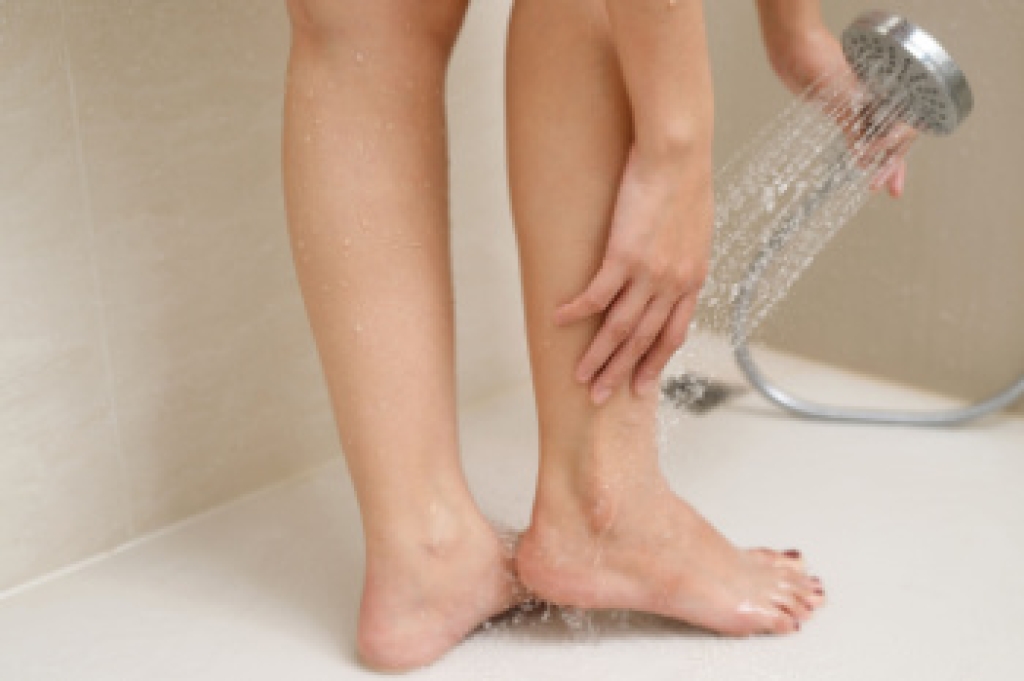
Maintaining a daily foot care routine is essential for comfort and long-term health. Start by washing your feet thoroughly with soap and warm water to remove dirt and bacteria, then dry them completely to prevent fungal growth. Regular exfoliation helps remove dead skin and keeps heels smooth. Trim toenails straight across to prevent ingrown nails and gently file rough edges. Additionally, moisturizing daily maintains softness and reduces cracking. A podiatrist can provide professional advice on proper foot hygiene, nail trimming, and treatment for corns, calluses, or infections. If you notice persistent dryness, pain, or nail changes, it is suggested that you schedule a visit with a podiatrist who can treat various foot conditions, and guide you on additional everyday foot care tips. 

Everyday foot care is very important to prevent infection and other foot ailments. If you need your feet checked, contact Howard Abramsohn, DPM from Ambulatory Foot and Ankle Associates, LLC. Our doctor can provide the care you need to keep you pain-free and on your feet.

Everyday Foot Care

Often, people take care of their bodies, face and hair more so than they do for their feet. But the feet are a very important aspect of our bodies, and one that we should pay more attention to. Without our feet, we would not be able to perform most daily tasks.

It is best to check your feet regularly to make sure there are no new bruises or cuts that you may not have noticed before. For dry feet, moisturizer can easily be a remedy and can be applied as often as necessary to the affected areas. Wearing shoes that fit well can also help you maintain good foot health, as well as making it easier to walk and do daily activities without the stress or pain of ill-fitting shoes, high heels, or even flip flops. Wearing clean socks with closed shoes is important to ensure that sweat and bacteria do not accumulate within the shoe. Clean socks help to prevent Athlete’s foot, fungi problems, bad odors, and can absorb sweat.

If you have any questions, please feel free to contact our office located in Mt Laurel Township, NJ . We offer the newest diagnostic and treatment technologies for all your foot care needs.

Read more about Every Day Foot Care

Hammertoe Surgery and How It Restores Comfort

Hammertoe surgery is performed to correct a deformity where a toe bends abnormally at one or more joints, often causing pain, irritation, and difficulty wearing shoes. Surgery becomes necessary when conservative treatments no longer relieve discomfort. There are two main types of procedures, internal fixation and decompression techniques. Internal fixation involves straightening the toe and stabilizing it with small implants. Decompression surgery releases tight tendons or removes a small piece of bone to restore alignment. A podiatrist evaluates the severity of the deformity and recommends the most suitable option for lasting relief. If you have this condition that is interfering with your daily activities, it is suggested that you consult a podiatrist who can discuss the benefits of hammertoe surgery and discuss whether it is right for you.

Foot surgery is sometimes necessary to treat a foot ailment. To learn more, contact Howard Abramsohn, DPM of Ambulatory Foot and Ankle Associates, LLC. Our doctor will assist you with all of your foot and ankle needs.

When Is Surgery Necessary?

Foot and ankle surgery is generally reserved for cases in which less invasive, conservative procedures have failed to alleviate the problem. Some of the cases in which surgery may be necessary include:

  • Removing foot deformities like bunions and bone spurs
  • Severe arthritis that has caused bone issues
  • Cosmetic reconstruction

What Types of Surgery Are There?

The type of surgery you receive will depend on the nature of the problem you have. Some of the possible surgeries include:

  • Bunionectomy for painful bunions
  • Surgical fusion for realignment of bones
  • Neuropathy decompression surgery to treat nerve damage

Benefits of Surgery

Although surgery is usually a last resort, it can provide more complete pain relief compared to non-surgical methods and may allow you to finally resume full activity.

Surgical techniques have also become increasingly sophisticated. Techniques like endoscopic surgery allow for smaller incisions and faster recovery times.

If you have any questions, please feel free to contact our office located in Mt Laurel Township, NJ . We offer the newest diagnostic and treatment technologies for all your foot care needs.

Read more about Foot and Ankle Surgery

Wounds That Don't Heal Need to Be Checked

Your feet are covered most of the day. If you're diabetic, periodic screening is important for good health. Numbness is often a sign of diabetic foot and can mask a sore or wound.

Gout and Its Impact on the Feet

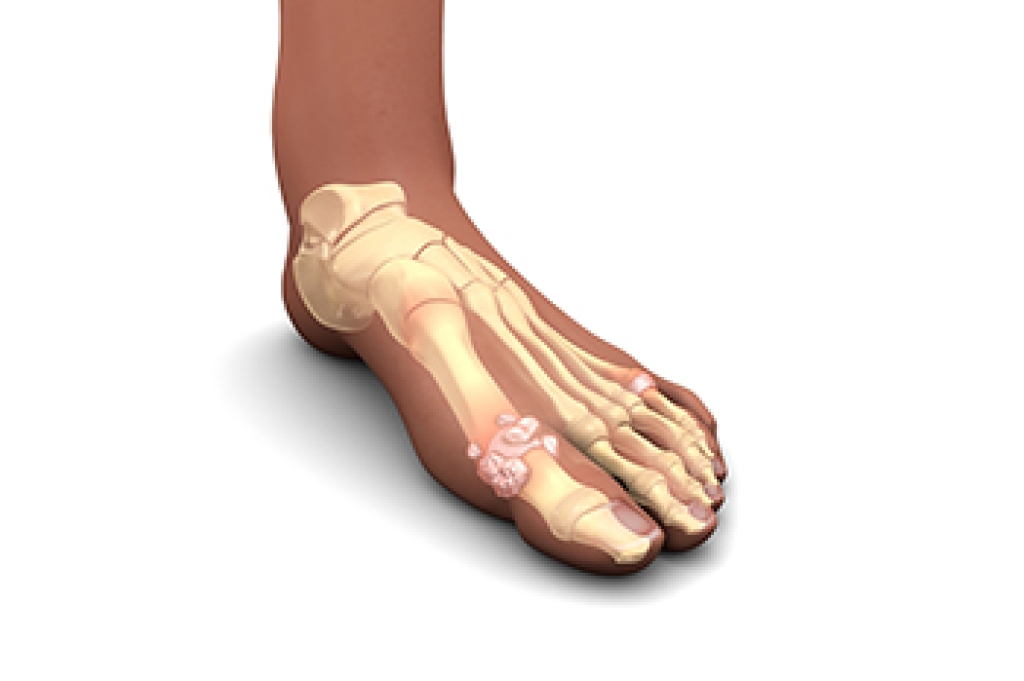
Gout is a painful type of arthritis caused by the buildup of monosodium urate crystals in the joints and tissues. These crystals form when uric acid levels in the blood become too high. Contributing factors include diet, alcohol intake, obesity, and chronic kidney disease, which reduce the body’s ability to eliminate uric acid. Symptoms include sudden joint pain, redness, swelling, and warmth, most often affecting the big toe due to its lower temperature and reduced circulation. A podiatrist can diagnose gout through an examination and testing, then provide treatments to reduce pain, prevent future attacks, and protect joint health. If you have pain in your big toe, it is strongly suggested that you are under the care of a podiatrist who can offer effective relief and treatment solutions.

Gout is a foot condition that requires certain treatment and care. If you are seeking treatment, contact Howard Abramsohn, DPM from Ambulatory Foot and Ankle Associates, LLC. Our doctor will treat your foot and ankle needs.
What Is Gout?

Gout is a type of arthritis caused by a buildup of uric acid in the bloodstream. It often develops in the foot, especially the big toe area, although it can manifest in other parts of the body as well. Gout can make walking and standing very painful and is especially common in diabetics and the obese.

People typically get gout because of a poor diet. Genetic predisposition is also a factor. The children of parents who have had gout frequently have a chance of developing it themselves.

Gout can easily be identified by redness and inflammation of the big toe and the surrounding areas of the foot. Other symptoms include extreme fatigue, joint pain, and running high fevers. Sometimes corticosteroid drugs can be prescribed to treat gout, but the best way to combat this disease is to get more exercise and eat a better diet.

If you have any questions, please feel free to contact our office located in Mt Laurel Township, NJ . We offer the newest diagnostic and treatment technologies for all your foot care needs.

Read more about Everything You Need to Know About Gout

What That Discolored Toenail Could Really Mean

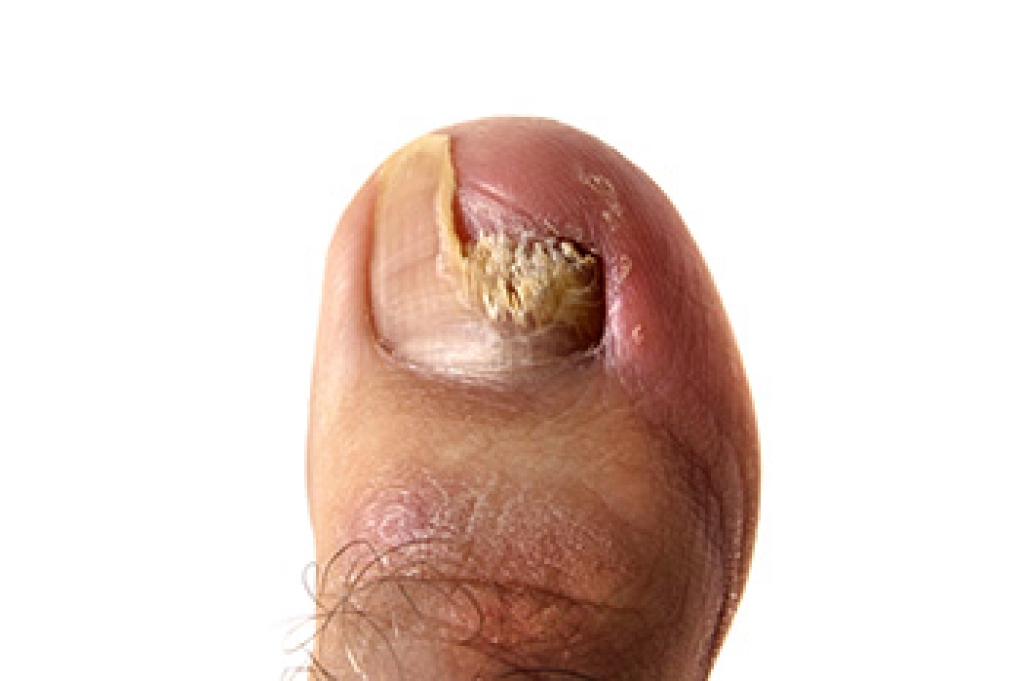
Toenail fungus, also known as onychomycosis, is a common condition caused by fungal organisms that thrive in warm, moist environments, such as sweaty shoes or public showers. It often begins as a small white or yellow spot under the nail and can spread deeper, causing the nail to thicken, discolor, become brittle, and sometimes emit a foul odor. The nail may appear distorted in shape and can separate from the nail bed, leading to discomfort or pain while walking or wearing shoes. People with diabetes, circulation problems, or a history of athlete’s foot are more prone to infection. A podiatrist can diagnose toenail fungus through a clinical exam and lab testing of nail clippings. Treatment options include topical antifungal medications or oral prescriptions depending on the severity of the infection. Early treatment helps prevent permanent nail damage and spread to other nails. It is suggested that you schedule an appointment with a podiatrist if you notice changes in the appearance or texture of your toenails.

If left untreated, toenail fungus may spread to other toenails, skin, or even fingernails. If you suspect you have toenail fungus it is important to seek treatment right away. For more information about treatment, contact Howard Abramsohn, DPM of Ambulatory Foot and Ankle Associates, LLC. Our doctor can provide the care you need to keep you pain-free and on your feet.

Symptoms

  • Warped or oddly shaped nails
  • Yellowish nails
  • Loose/separated nail
  • Buildup of bits and pieces of nail fragments under the nail
  • Brittle, broken, thickened nail

Treatment

If self-care strategies and over-the-counter medications does not help your fungus, your podiatrist may give you a prescription drug instead. Even if you find relief from your toenail fungus symptoms, you may experience a repeat infection in the future.

Prevention

In order to prevent getting toenail fungus in the future, you should always make sure to wash your feet with soap and water. After washing, it is important to dry your feet thoroughly especially in between the toes. When trimming your toenails, be sure to trim straight across instead of in a rounded shape. It is crucial not to cover up discolored nails with nail polish because that will prevent your nail from being able to “breathe”.

In some cases, surgical procedure may be needed to remove the toenail fungus. Consult with your podiatrist about the best treatment options for your case of toenail fungus.  

If you have any questions please contact our office located in Mt Laurel Township, NJ . We offer the newest diagnostic and treatment technologies for all your foot and ankle needs.

Read more about Treating Toenail Fungus

Connect With Us