We are now hiring! If interested, please call us at (856) 234-5180.

Morton’s Neuroma Surgery

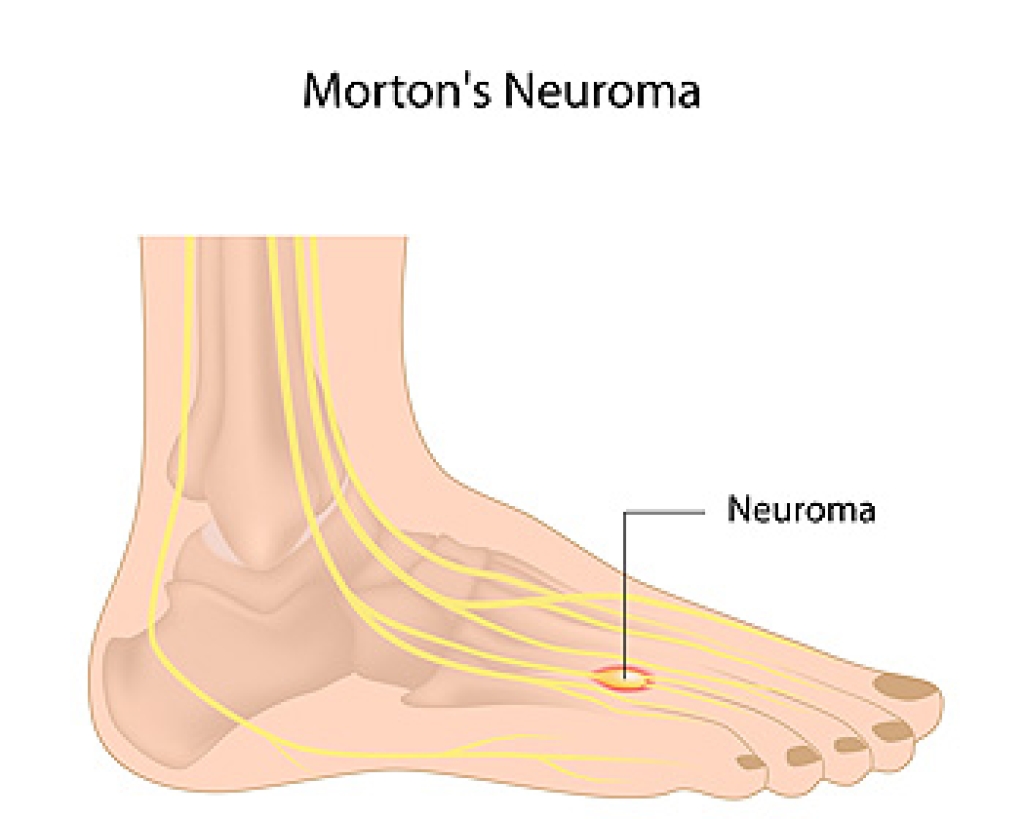
Sometimes, certain afflictions of the foot can be so severe that they can only be treated properly by undergoing a kind of surgical procedure. It is important to note that foot surgery is not for everyone and you may not be a good candidate for particular surgical procedures. However, sometimes undergoing a surgical procedure can be beneficial and it might be the only way to treat severe conditions. For example, some individuals can benefit from a surgical procedure for Morton’s neuroma. This condition is defined as the swelling or inflammation of the nerve between the toes or metatarsal bones. The surgical procedure to address Morton’s neuroma consists of removing a small section of the nerve. An incision must be made to get to the damaged nerve and then the skin is quickly sewn up following the removal of the nerve. Contact a podiatrist today for more information about Morton’s neuroma or to learn if you might be a good candidate for surgery.


Foot surgery is sometimes necessary to treat a foot ailment. To learn more, contact Howard Abramsohn, DPM of Ambulatory Foot and Ankle Associates, LLC. Our doctor will assist you with all of your foot and ankle needs.

When Is Surgery Necessary?

Foot and ankle surgery is generally reserved for cases in which less invasive, conservative procedures have failed to alleviate the problem. Some of the cases in which surgery may be necessary include:

  • Removing foot deformities like bunions and bone spurs
  • Severe arthritis that has caused bone issues
  • Cosmetic reconstruction

What Types of Surgery Are There?

The type of surgery you receive will depend on the nature of the problem you have. Some of the possible surgeries include:

  • Bunionectomy for painful bunions
  • Surgical fusion for realignment of bones
  • Neuropathy decompression surgery to treat nerve damage

Benefits of Surgery

Although surgery is usually a last resort, it can provide more complete pain relief compared to non-surgical methods and may allow you to finally resume full activity.

Surgical techniques have also become increasingly sophisticated. Techniques like endoscopic surgery allow for smaller incisions and faster recovery times.

If you have any questions, please feel free to contact our office located in Mt Laurel Township, NJ . We offer the newest diagnostic and treatment technologies for all your foot care needs.
Read more about Foot Surgery

How Did I Get Morton’s Neuroma?

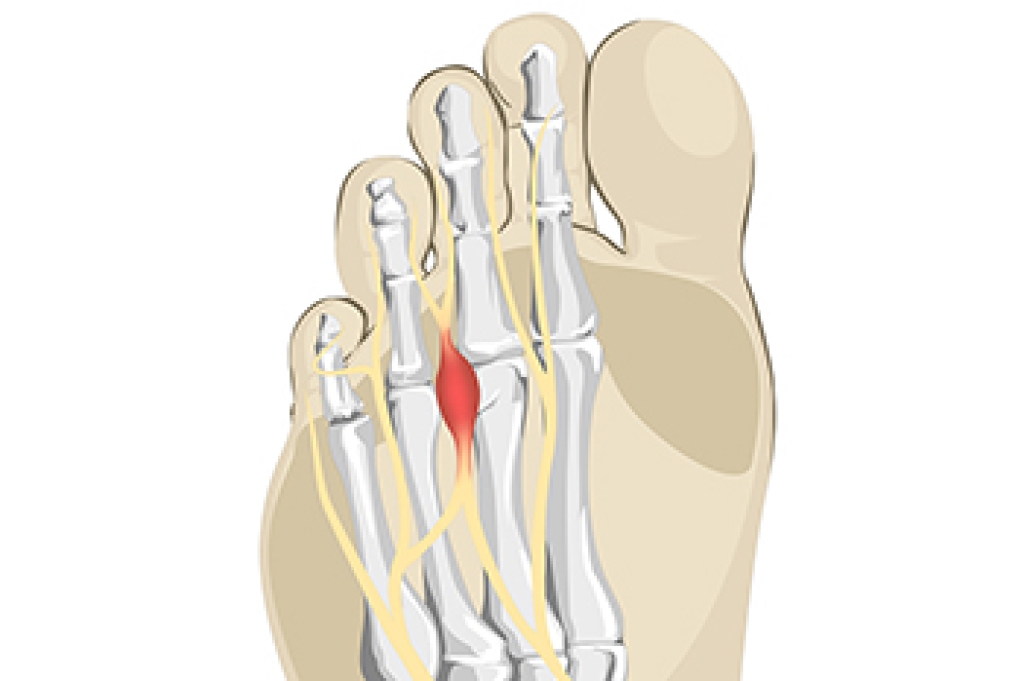
People who have experienced Morton’s neuroma are aware of the severe pain and discomfort it may cause. It is a foot condition that is caused by wearing shoes that are too tight. High heels can fall into this category, possibly causing pressure on the nerve that is found between the third and fourth toes. This nerve can become irritated and compressed, and refraining from wearing high heels may provide relief for some patients. Additionally, frequently resting the affected foot may lessen the symptoms, which can include a burning or tingling sensation, followed by a dull ache. A proper diagnosis is necessary to have effective treatment. This can consist of squeezing the affected area, and gauging the pain level. In severe cases, surgery may be necessary to repair or remove the damaged nerve. If you have pain in this part of your foot, it is strongly advised that you consult with a podiatrist who can determine what the best course of treatment is for you.

Morton’s neuroma is a very uncomfortable condition to live with. If you think you have Morton’s neuroma, contact Howard Abramsohn, DPM of Ambulatory Foot and Ankle Associates, LLC. Our doctor will attend to all of your foot care needs and answer any of your related questions.  

Morton’s Neuroma

Morton's neuroma is a painful foot condition that commonly affects the areas between the second and third or third and fourth toe, although other areas of the foot are also susceptible. Morton’s neuroma is caused by an inflamed nerve in the foot that is being squeezed and aggravated by surrounding bones.

What Increases the Chances of Having Morton’s Neuroma?

  • Ill-fitting high heels or shoes that add pressure to the toe or foot
  • Jogging, running or any sport that involves constant impact to the foot
  • Flat feet, bunions, and any other foot deformities

Morton’s neuroma is a very treatable condition. Orthotics and shoe inserts can often be used to alleviate the pain on the forefront of the feet. In more severe cases, corticosteroids can also be prescribed. In order to figure out the best treatment for your neuroma, it’s recommended to seek the care of a podiatrist who can diagnose your condition and provide different treatment options.

If you have any questions, please feel free to contact our office located in Mt Laurel Township, NJ . We offer the newest diagnostic and treatment technologies for all your foot care needs.

Read more about Morton's Neuroma

Stretching and Strengthening the Achilles Tendon

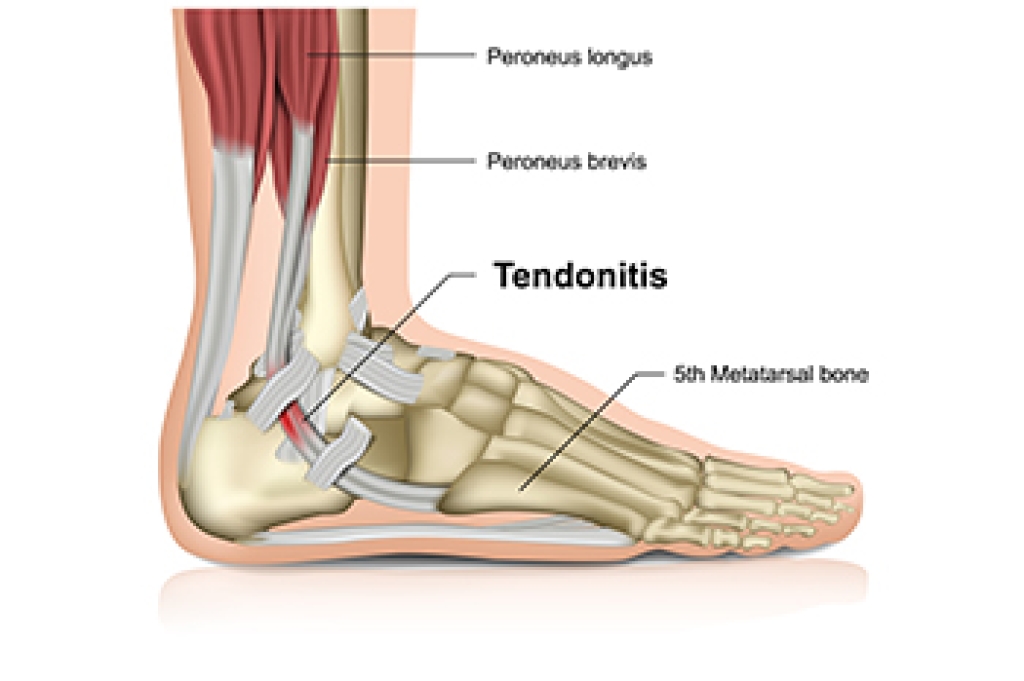
Many problems can affect the Achilles tendon. Inflammation of the Achilles tendon is known as Achilles Tendonitis and is the most common injury to this site. It is generally caused by intense or excessive physical activity. If this condition is not treated properly, other afflictions can develop, such as Achilles tendinopathy where there is degeneration or damage to the collagen in the Achilles tendon, Achilles tendinosis where there are micro-tears to the tendon, and an Achilles tendon rupture where there is a partial or complete tear to the tendon. Symptoms of Achilles tendon issues include tightness, pain, weakness, and mobility issues. A variety of exercises can be done to generate healing and improve mobility. If you suffer from Achilles tendon discomfort, you should seek the counsel of a podiatrist for proper a diagnosis and treatment plan.

Achilles tendon injuries need immediate attention to avoid future complications. If you have any concerns, contact Howard Abramsohn, DPM of Ambulatory Foot and Ankle Associates, LLC. Our doctor can provide the care you need to keep you pain-free and on your feet.

What Is the Achilles Tendon?

The Achilles tendon is a tendon that connects the lower leg muscles and calf to the heel of the foot. It is the strongest tendon in the human body and is essential for making movement possible. Because this tendon is such an integral part of the body, any injuries to it can create immense difficulties and should immediately be presented to a doctor.

What Are the Symptoms of an Achilles Tendon Injury?

There are various types of injuries that can affect the Achilles tendon. The two most common injuries are Achilles tendinitis and ruptures of the tendon.

Achilles Tendinitis Symptoms

  • Inflammation
  • Dull to severe pain
  • Increased blood flow to the tendon
  • Thickening of the tendon

Rupture Symptoms

  • Extreme pain and swelling in the foot
  • Total immobility

Treatment and Prevention

Achilles tendon injuries are diagnosed by a thorough physical evaluation, which can include an MRI. Treatment involves rest, physical therapy, and in some cases, surgery. However, various preventative measures can be taken to avoid these injuries, such as:

  • Thorough stretching of the tendon before and after exercise
  • Strengthening exercises like calf raises, squats, leg curls, leg extensions, leg raises, lunges, and leg presses

If you have any questions please feel free to contact our office located in Mt Laurel Township, NJ . We offer the newest diagnostic tools and technology to treat your foot and ankle needs.

Read more about The Causes, Types, and Treatments of Achilles Tendon Injuries

What Is an Ingrown Toenail?

An ingrown toenail is one of the most painful foot conditions to have. It happens when the nail grows into the skin instead of over it. This can happen for various reasons including wearing shoes and socks that are too tight, cutting the toenail incorrectly, and possibly from a toe injury. Some patients develop an ingrown toenail because of the shape of the nail or from poor foot hygiene. Diabetic people may be prone to ingrown toenails because of reduced blood flow to the feet. Additionally, experiencing toenail fungus frequently may lead to an ingrown toenail, and this can cause the nail to become brittle and put pressure on the surrounding skin. Many people are unaware that having poor posture may put extra weight on the toes too, therefore increasing the chances of getting an ingrown toenail. If you have existing or recurring ingrown toenails, it is strongly suggested that you consult a podiatrist who can offer you relief and treatment techniques.

Ingrown toenails can become painful if they are not treated properly. For more information about ingrown toenails, contact Howard Abramsohn, DPM of Ambulatory Foot and Ankle Associates, LLC. Our doctor can provide the care you need to keep you pain-free and on your feet.

Ingrown Toenails

Ingrown toenails occur when a toenail grows sideways into the bed of the nail, causing pain, swelling, and possibly infection.

Causes

  • Bacterial infections
  • Improper nail cutting such as cutting it too short or not straight across
  • Trauma to the toe, such as stubbing, which causes the nail to grow back irregularly
  • Ill-fitting shoes that bunch the toes too close together
  • Genetic predisposition

Prevention

Wearing proper fitting shoes and using proper cutting techniques will also help decrease your risk of developing ingrown toenails.

Treatment

Ingrown toenails are a very treatable foot condition. In minor cases, soaking the affected area in salt or antibacterial soaps will not only help with the ingrown nail itself, but also help prevent any infections from occurring. In more severe cases, surgery is an option. In either case, speaking to your podiatrist about this condition will help you get a better understanding of specific treatment options that are right for you.

If you have any questions, please feel free to contact our office located in Mt Laurel Township, NJ . We offer the newest diagnostic and treatment technologies for all your foot care needs.

Read more about Ingrown Toenail Care

Get Professional Care for a Broken Foot or Ankle

Constant care and regular evaluation are important for a foot or ankle fracture. If left untreated, foot or ankle fractures can worsen over time and create more serious problems.

Don't wait to be examined if you believe you've experienced a foot or ankle fracture.

Connect With Us