We are now hiring! If interested, please call us at (856) 234-5180.

The Connection Between Swollen Feet and Heart Failure

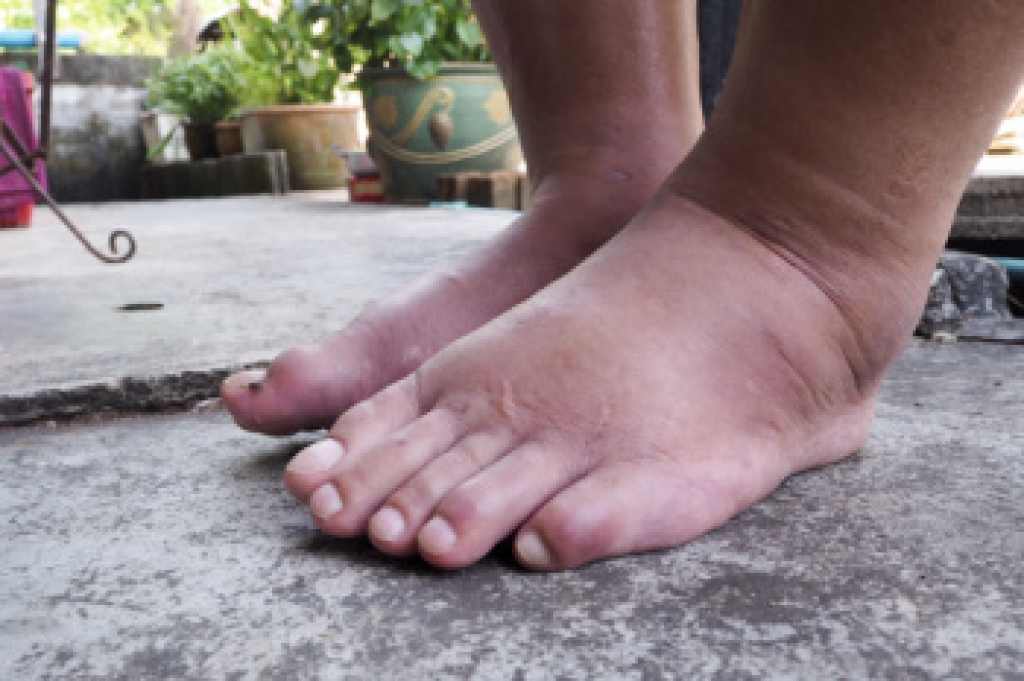
Heart failure presents a complex web of symptoms, one of the most visible being swollen feet. This swelling, known as edema, stems from the heart's inability to effectively circulate blood throughout the body. As the heart weakens, blood flow slows, causing fluid to accumulate in the lower extremities due to gravity's pull. This edema is not just uncomfortable, it serves as a crucial indicator of worsening heart failure. Recognizing this connection is vital for timely intervention and management. Here, the role of a podiatrist, a specialized foot care professional, becomes paramount. Podiatrists can assess the severity of swelling, provide guidance on managing edema, and offer treatments to alleviate discomfort. They work in tandem with cardiologists and other healthcare providers to address the broader implications of swollen feet in heart patients. If you have swollen feet, it is suggested that you schedule an appointment with a podiatrist who can provide you with a diagnosis and treatment options. 

Swollen feet can be a sign of an underlying condition. If you have any concerns, contact Howard Abramsohn, DPM of Ambulatory Foot and Ankle Associates, LLC. Our doctor can provide the care you need to keep you pain-free and on your feet.

Swollen feet are a common ailment among pregnant women and people who stand or sit for extended periods. Aging may increase the possibility of swollen feet and patients who are obese often notice when their feet are swelling too. There may be medical reasons why swollen feet occur:

  • Phlebitis - A condition that causes the veins to become inflamed and can also cause leg pain.
  • Liver disease - This may lead to low blood levels of albumin which is a protein. This can cause fluid in the blood to pass into the tissues and several areas of the body can become swollen.
  • Heart failure - When the heart doesn’t pump properly the blood that is normally pumped back to the heart can pool in the veins of the legs causing swollen feet.
  • Kidney disease - One of the main functions of the kidneys is releasing excess fluid in the body. This type of condition can make it difficult for the kidneys to function properly, and as a result the feet may become swollen.
  • Deep-vein thrombosis (DVT)- This is a serious condition where blood clots form in the veins of the legs. They can block the return of blood from the legs to the heart which may cause the feet to swell. It is important to be treated by a podiatrist if this condition is present.

Swollen feet can also be caused by bone and tendon conditions, including fractures, arthritis, and tendinitis. Additionally, there may be skin and toenail conditions and an infection may cause the feet to swell. Patients who take medicine to treat high blood pressure may be prone to getting swollen feet. 

Many patients elevate their feet to help relieve the swelling and this is generally a temporary remedy. When a podiatrist is consulted the reason behind the swelling can be uncovered and subsequently treated.

If you have any questions please contact our office located in Mt Laurel Township, NJ . We offer the newest diagnostic and treatment technologies for all your foot and ankle needs.

Read more about Swelling of the Feet

Common Foot Conditions

Our feet, the foundation of our mobility, can often fall victim to various ailments. Achilles tendonitis, inflammation of the Achilles tendon, causes pain and stiffness, often aggravated by overuse or wearing improper footwear. Arthritis, a chronic condition, can affect the joints in the feet, leading to swelling, stiffness, and discomfort. Bunions, bony protrusions at the base of the big toe, result from abnormal foot mechanics or wearing ill-fitting shoes, causing pain and difficulty in walking. Corns, thickened areas of skin caused by friction or pressure, can develop on the toes or soles, causing pain and discomfort. Flat feet, characterized by a lack of arch support, may lead to instability and discomfort during movement. For those with diabetes, foot problems can be particularly concerning due to impaired circulation and nerve damage, increasing the risk of infections and ulcers. If you have any of the above mentioned foot conditions or are experiencing foot pain, it is suggested that you confer with a podiatrist who can accurately diagnose and treat foot ailments.

Foot Pain

Foot pain can be extremely painful and debilitating. If you have a foot pain, consult with Howard Abramsohn, DPM from Ambulatory Foot and Ankle Associates, LLC. Our doctor will assess your condition and provide you with quality foot and ankle treatment.

Causes

Foot pain is a very broad condition that could be caused by one or more ailments. The most common include:

  • Bunions
  • Hammertoes
  • Plantar Fasciitis
  • Bone Spurs
  • Corns
  • Tarsal Tunnel Syndrome
  • Ingrown Toenails
  • Arthritis (such as Gout, Rheumatoid, and Osteoarthritis)
  • Flat Feet
  • Injury (from stress fractures, broken toe, foot, ankle, Achilles tendon ruptures, and sprains)
  • And more

Diagnosis

To figure out the cause of foot pain, podiatrists utilize several different methods. This can range from simple visual inspections and sensation tests to X-rays and MRI scans. Prior medical history, family medical history, and any recent physical traumatic events will all be taken into consideration for a proper diagnosis.

Treatment

Treatment depends upon the cause of the foot pain. Whether it is resting, staying off the foot, or having surgery; podiatrists have a number of treatment options available for foot pain.

If you have any questions, please feel free to contact our office located in Mt Laurel Township, NJ . We offer the newest diagnostic and treatment technologies for all your foot care needs.

Read more about Foot Pain

Reasons Why Your Big Toe Is Numb

Numbness in the big toe can be a perplexing sensation, ranging from a slight tingling to a complete loss of feeling. While big toe numbness might seem like a minor inconvenience at first, it could be a sign of underlying issues that need attention. One of the most common causes is wearing shoes that are too tight. Footwear that constricts the toes can impede circulation and lead to numbness. Conditions that involve stiffness in the joint at the base of the big toe are often accompanied by bone spurs that may press on nerves, causing numbness. Nerve damage, often associated with conditions like diabetes or autoimmune diseases, also can result in numbness, tingling, or pain in the toes. A bunion, which is a bony bump at the base of the big toe can exert pressure on surrounding nerves and lead to numbness. Exposure to freezing temperatures can damage tissues, causing numbness in the toes. Finally, Raynaud’s disease, a vascular condition that results in spasms in small arteries of the feet, can lead to numbness and discoloration in the toes, particularly in response to cold or stress. If you are experiencing persistent numbness in your big toe, it is suggested that you schedule an appointment with a podiatrist for a thorough exam and treatment options based on the results. 

Neuropathy

Neuropathy can be a potentially serious condition, especially if it is left undiagnosed. If you have any concerns that you may be experiencing nerve loss in your feet, consult with Howard Abramsohn, DPM from Ambulatory Foot and Ankle Associates, LLC. Our doctor will assess your condition and provide you with quality foot and ankle treatment for neuropathy.

What Is Neuropathy?

Neuropathy is a condition that leads to damage to the nerves in the body. Peripheral neuropathy, or neuropathy that affects your peripheral nervous system, usually occurs in the feet. Neuropathy can be triggered by a number of different causes. Such causes include diabetes, infections, cancers, disorders, and toxic substances.

Symptoms of Neuropathy Include:

  • Numbness
  • Sensation loss
  • Prickling and tingling sensations
  • Throbbing, freezing, burning pains
  • Muscle weakness

Those with diabetes are at serious risk due to being unable to feel an ulcer on their feet. Diabetics usually also suffer from poor blood circulation. This can lead to the wound not healing, infections occurring, and the limb may have to be amputated.

Treatment

To treat neuropathy in the foot, podiatrists will first diagnose the cause of the neuropathy. Figuring out the underlying cause of the neuropathy will allow the podiatrist to prescribe the best treatment, whether it be caused by diabetes, toxic substance exposure, infection, etc. If the nerve has not died, then it’s possible that sensation may be able to return to the foot.

Pain medication may be issued for pain. Electrical nerve stimulation can be used to stimulate nerves. If the neuropathy is caused from pressure on the nerves, then surgery may be necessary.

If you have any questions, please feel free to contact our office located in Mt Laurel Township, NJ . We offer the newest diagnostic and treatment technologies for all your foot care needs.

Read more about Neuropathy

Symptoms and Facts About Toe Arthritis

Arthritis affecting the toes is a common yet often overlooked condition that can significantly impact daily life. One of the primary types is osteoarthritis, characterized by the gradual breakdown of cartilage in the joints, leading to pain, stiffness, and swelling. Rheumatoid arthritis, an autoimmune disorder, can also affect the toes, causing inflammation, deformities, and joint damage over time. Symptoms of toe arthritis may include pain, tenderness, stiffness, and reduced range of motion, making activities like walking, standing, and wearing shoes uncomfortable. As the condition progresses, individuals may experience visible changes in toe appearance, such as swelling or deformities like bunions or hammertoes. While arthritis in the toes can be challenging to manage, various treatment options, including medication, orthotics, and lifestyle modifications, can help alleviate symptoms and improve function. If you have any of the above symptoms, it is strongly suggested that you visit a podiatrist who can diagnose toe arthritis, and offer you effective treatment options for this condition.

Arthritis can be a difficult condition to live with. If you are seeking treatment, contact Howard Abramsohn, DPM from Ambulatory Foot and Ankle Associates, LLC. Our doctor can provide the care you need to keep you pain-free and on your feet.

Arthritic Foot Care  

Arthritis is a term that is commonly used to describe joint pain.  The condition itself can occur to anyone of any age, race, or gender, and there are over 100 types of it.  Nevertheless, arthritis is more commonly found in women compared to men, and it is also more prevalent in those who are overweight. The causes of arthritis vary depending on which type of arthritis you have. Osteoarthritis for example, is often caused by injury, while rheumatoid arthritis is caused by a misdirected immune system.

Symptoms

  • Swelling
  • Pain
  • Stiffness
  • Decreased Range of Motion

Arthritic symptoms range in severity, and they may come and go. Some symptoms stay the same for several years but could potentially get worse with time. Severe cases of arthritis can prevent its sufferers from performing daily activities and make walking difficult.

Risk Factors

  • Occupation – Occupations requiring repetitive knee movements have been linked to osteoarthritis
  • Obesity – Excess weight can contribute to osteoarthritis development
  • Infection – Microbial agents can infect the joints and trigger arthritis
  • Joint Injuries – Damage to joints may lead to osteoarthritis
  • Age – Risk increases with age
  • Gender –Most types are more common in women
  • Genetics – Arthritis can be hereditary

If you suspect your arthritis is affecting your feet, it is crucial that you see a podiatrist immediately. Your doctor will be able to address your specific case and help you decide which treatment method is best for you.

If you have any questions please feel free to contact our office located in Mt Laurel Township, NJ . We offer the newest diagnostic tools and technology to treat your foot and ankle needs.

Read more about How to Care for Your Arthritic Foot

Why Live with Pain and Numbness in Your Feet?

Suffering from this type of pain? You may have the foot condition known as Morton's neuroma. Morton's neuroma may develop as a result of ill-fitting footwear and existing foot deformities. We can help.

Connect With Us