We are now hiring! If interested, please call us at (856) 234-5180.

Ingrown Toenails in Children and Podiatric Care

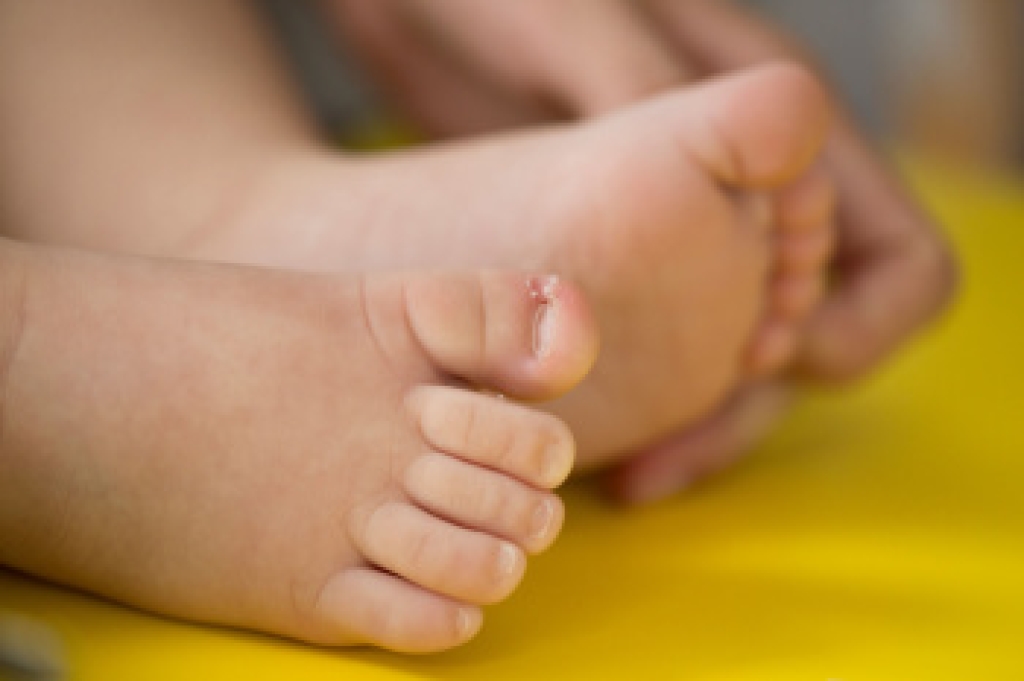
An ingrown toenail occurs when the edge of a toenail grows into the surrounding skin, causing pain, swelling, and sometimes infection. In children, common causes include injury to the toe, rapid growth spurts, abnormal foot mechanics, improper nail trimming, or wearing tight or ill-fitting footwear. These factors can increase pressure on the nail and surrounding tissue, making ingrown toenails more likely. Symptoms may include redness, tenderness, swelling, and difficulty while walking or wearing shoes comfortably. A podiatrist can evaluate the condition, provide safe and effective treatments, and offer guidance on proper nail care and footwear choices to prevent recurrence. If your child has an ingrown toenail, it is suggested that you promptly consult a podiatrist appointment for expert pediatric foot care.

Making sure that your children maintain good foot health is very important as they grow. If you have any questions, contact Howard Abramsohn, DPM of Ambulatory Foot and Ankle Associates, LLC. Our doctor can provide the care you need to keep you pain-free and on your feet.

Keeping Children's Feet Healthy

Having healthy feet during childhood can help prevent medical problems later in life, namely in the back and legs. As children grow, their feet require different types of care. Here are some things to consider...

Although babies do not walk yet, it is still very important to take care of their feet.

Avoid putting tight shoes or socks on his or her feet.

Allow the baby to stretch and kick his or her feet to feel comfortable.

As a toddler, kids are now on the move and begin to develop differently. At this age, toddlers are getting a feel for walking, so don’t be alarmed if your toddler is unsteady or ‘walks funny’. 

As your child gets older, it is important to teach them how to take care of their feet.

Show them proper hygiene to prevent infections such as fungus.

Be watchful for any pain or injury.

Have all injuries checked by a doctor as soon as possible.

Comfortable, protective shoes should always be worn, especially at play.

If you have any questions, please feel free to contact our office located in Mt Laurel Township, NJ . We offer the newest diagnostic and treatment technologies for all your foot care needs.

Read more about What to Do to Keep Your Child’s Feet Healthy

Foot and Ankle Injuries From Cycling

Cycling places repetitive stress on the feet and ankles, making them prone to overuse injuries that develop gradually from constant pedaling. The pressure transferred through the pedals can lead to Achilles tendinitis. As this tendon that connects the calf muscles to the heel becomes irritated from overuse or poor technique, pain erupts at the back of the heel. Plantar fasciitis is another frequent problem for cyclers, with sharp heel pain developing from irritation of the thick band of tissue along the sole of the foot. Numbness in the toes or top of the foot may occur due to nerve compression from tight shoes or improper cleat placement. Pain in the ball of the foot can also result from repeated pushing pressure during long rides. A podiatrist can diagnose the source of the pain from cycling , recommend footwear adjustments, prescribe custom orthotics, or discuss surgery when necessary. If you have sustained a foot or ankle injury from cycling, it is suggested that you schedule an appointment with a podiatrist for an evaluation appropriate  and treatment.

Sports related foot and ankle injuries require proper treatment before players can go back to their regular routines. For more information, contact Howard Abramsohn, DPM of Ambulatory Foot and Ankle Associates, LLC. Our doctor can provide the care you need to keep you pain-free and on your feet.

Sports Related Foot and Ankle Injuries

Foot and ankle injuries are a common occurrence when it comes to athletes of any sport. While many athletes dismiss the initial aches and pains, the truth is that ignoring potential foot and ankle injuries can lead to serious problems. As athletes continue to place pressure and strain the area further, a mild injury can turn into something as serious as a rupture and may lead to a permanent disability. There are many factors that contribute to sports related foot and ankle injuries, which include failure to warm up properly, not providing support or wearing bad footwear. Common injuries and conditions athletes face, including:

  • Plantar Fasciitis
  • Achilles Tendinitis
  • Achilles Tendon Rupture
  • Ankle Sprains

Sports related injuries are commonly treated using the RICE method. This includes rest, applying ice to the injured area, compression and elevating the ankle. More serious sprains and injuries may require surgery, which could include arthroscopic and reconstructive surgery. Rehabilitation and therapy may also be required in order to get any recovering athlete to become fully functional again. Any unusual aches and pains an athlete sustains must be evaluated by a licensed, reputable medical professional.

If you have any questions please contact our office located in Mt Laurel Township, NJ . We offer the newest diagnostic and treatment technologies for all your foot and ankle needs.

Read more about Sports Related Foot And Ankle Injuries

When Foot Wounds Refuse to Heal

Some foot wounds close within days, but others linger for weeks or even months, becoming a chronic problem. These slow-healing injuries often develop in people with poor circulation, nerve damage, or conditions like diabetes that impair the body’s repair process. Persistent pressure from walking, wearing tight shoes, or foot deformities can keep the skin from closing properly, while unnoticed infections may worsen the damage. Over time, a chronic wound can extend deeper into tissue, raising the risk of serious complications, including bone infection. Because sensation in the feet may be reduced, pain is not always a reliable warning sign. Regular inspection, professional wound care, and addressing the underlying cause are critical for recovery. If a foot sore does not show signs of improvement within a reasonable time, it is suggested that you see a podiatrist for prompt evaluation and treatment.

Wound care is an important part in dealing with diabetes. If you have diabetes and a foot wound or would like more information about wound care for diabetics, consult with Howard Abramsohn, DPM from Ambulatory Foot and Ankle Associates, LLC. Our doctor will assess your condition and provide you with quality foot and ankle treatment.

What Is Wound Care?

Wound care is the practice of taking proper care of a wound. This can range from the smallest to the largest of wounds. While everyone can benefit from proper wound care, it is much more important for diabetics. Diabetics often suffer from poor blood circulation which causes wounds to heal much slower than they would in a non-diabetic. 

What Is the Importance of Wound Care?

While it may not seem apparent with small ulcers on the foot, for diabetics, any size ulcer can become infected. Diabetics often also suffer from neuropathy, or nerve loss. This means they might not even feel when they have an ulcer on their foot. If the wound becomes severely infected, amputation may be necessary. Therefore, it is of the upmost importance to properly care for any and all foot wounds.

How to Care for Wounds

The best way to care for foot wounds is to prevent them. For diabetics, this means daily inspections of the feet for any signs of abnormalities or ulcers. It is also recommended to see a podiatrist several times a year for a foot inspection. If you do have an ulcer, run the wound under water to clear dirt from the wound; then apply antibiotic ointment to the wound and cover with a bandage. Bandages should be changed daily and keeping pressure off the wound is smart. It is advised to see a podiatrist, who can keep an eye on it.

If you have any questions please contact our office located in Mt Laurel Township, NJ . We offer the newest diagnostic and treatment technologies for all your foot and ankle needs.

Read more about Wound Care

Athlete’s Foot and Other Foot Infections

Fungal and bacterial foot infections can develop when microorganisms enter through small cracks or cuts in the skin. This typically occurs in moist environments like public showers, locker rooms, or around pools. One common fungal infection is athlete’s foot, which may cause peeling skin, redness, itching, or blisters, often between the toes or along the soles. If left untreated, it can spread and increase the risk of a toenail infection called onychomycosis, which can result in thickened, yellowed, or brittle nails. Bacterial infections, such as cellulitis or foot abscesses, may cause swelling, pain, heat, and drainage from the affected area and may spread quickly, if not properly treated. A podiatrist can perform a thorough exam and determine whether the infection is fungal or bacterial, before providing the appropriate treatment. If you believe you have a fungal or bacterial foot infection, it is suggested that you schedule an appointment with a podiatrist for an exam, diagnosis, and appropriate treatment.

Athlete’s foot is an inconvenient condition that can be easily reduced with the proper treatment. If you have any concerns about your feet and ankles, contact Howard Abramsohn, DPM from Ambulatory Foot and Ankle Associates, LLC.  Our doctor will treat your foot and ankle needs.

Athlete’s Foot: The Sole Story

Athlete's foot, also known as tinea pedis, can be an extremely contagious foot infection. It is commonly contracted in public changing areas and bathrooms, dormitory style living quarters, around locker rooms and public swimming pools, or anywhere your feet often come into contact with other people.

Solutions to Combat Athlete’s Foot

  • Hydrate your feet by using lotion
  • Exfoliate
  • Buff off nails
  • Use of anti-fungal products
  • Examine your feet and visit your doctor if any suspicious blisters or cuts develop

Athlete’s foot can cause many irritating symptoms such as dry and flaking skin, itching, and redness. Some more severe symptoms can include bleeding and cracked skin, intense itching and burning, and even pain when walking. In the worst cases, Athlete’s foot can cause blistering as well. Speak to your podiatrist for a better understanding of the different causes of Athlete’s foot, as well as help in determining which treatment options are best for you.

If you have any questions please feel free to contact our office located in Mt Laurel Township, NJ . We offer the newest diagnostic and treatment technologies for all your foot and ankle needs.

Read more about Athlete’s Foot

When Ingrown Toenails Become Infected

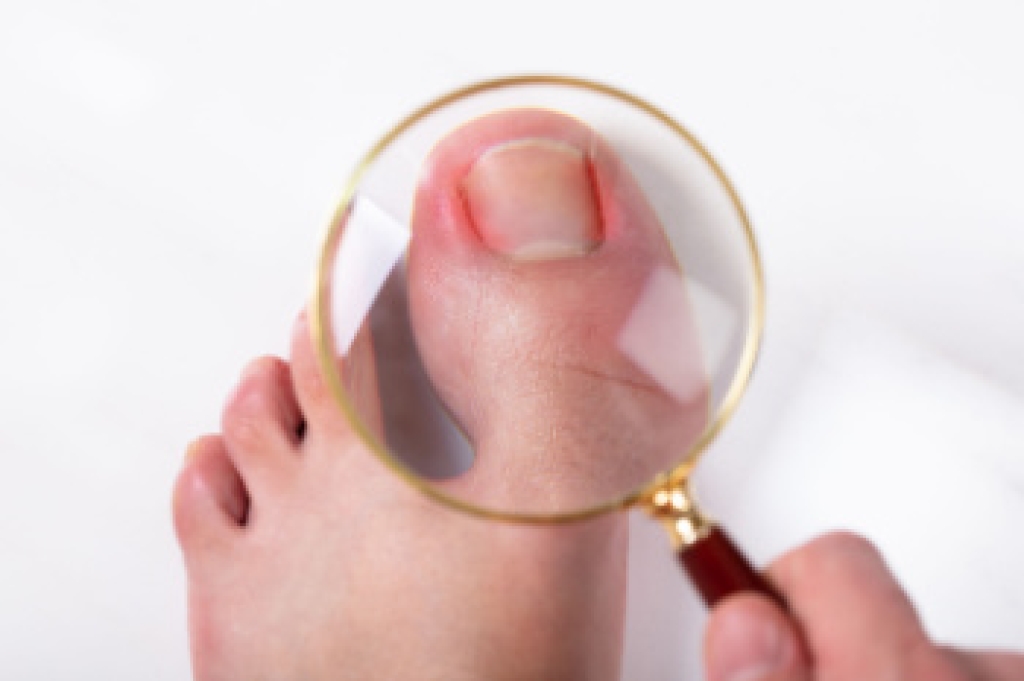
An ingrown toenail happens when the edge of the nail presses into the surrounding skin, often causing pain and swelling. If bacteria enters the broken skin, the area can become infected. Signs of infection include redness, warmth, pus, and increased tenderness. Wearing tight shoes, improper nail trimming, or injury can increase the risk. Infections can spread if not treated promptly, sometimes leading to more serious problems. A podiatrist can safely remove the ingrown portion of the nail, clean the area, and recommend antibiotics, if necessary. For recurring cases, a minor procedure may be suggested to stop part of the nail from growing back. If your toe is painful, swollen, or shows signs of infection, it is suggested you visit a podiatrist for proper treatment.

Ingrown toenails may initially present themselves as a minor discomfort, but they may progress into an infection in the skin without proper treatment. For more information about ingrown toenails, contact Howard Abramsohn, DPM of Ambulatory Foot and Ankle Associates, LLC. Our doctor can provide the care you need to keep you pain-free and on your feet.

Ingrown Toenails

Ingrown toenails are caused when the corner or side of a toenail grows into the soft flesh surrounding it. They often result in redness, swelling, pain, and in some cases, infection. This condition typically affects the big toe and may recur if it is not treated properly.

Causes

  • Improper toenail trimming
  • Genetics
  • Improper shoe fitting
  • Injury from pedicures or nail picking
  • Abnormal gait
  • Poor hygiene

You are more likely to develop an ingrown toenail if you are obese, have diabetes, arthritis, or have any fungal infection in your nails. Additionally, people who have foot or toe deformities are at a higher risk of developing an ingrown toenail.

Symptoms

Some symptoms of ingrown toenails are redness, swelling, and pain. In rare cases, there may be a yellowish drainage coming from the nail.

Treatment

Ignoring an ingrown toenail can have serious complications. Infections of the nail border can progress to a deeper soft-tissue infection, which can then turn into a bone infection. You should always speak with your podiatrist if you suspect you have an ingrown toenail, especially if you have diabetes or poor circulation.

If you have any questions, please feel free to contact our office located in Mt Laurel Township, NJ . We offer the newest diagnostic and treatment technologies for all your foot care needs.

Read more about Ingrown Toenails

Foot Strengthening Exercises for Pain Relief and Stability

Strengthening the feet can relieve pain and improve balance. The towel curl involves placing a towel on the floor and curling it toward you using your toes to build arch strength. The toe splay is done by spreading your toes apart while keeping your foot flat to enhance control and flexibility. The toe extension involves gently lifting and stretching the toes upward to reduce stiffness. Additionally, the big toe stretch is performed by gently pulling the big toe backward to ease tension in the arch. A podiatrist can assess your needs and recommend a safe, effective routine. If you experience ongoing foot discomfort, it is suggested that you visit a podiatrist who can treat various foot conditions, and offer guided exercises to support long-term relief.

Exercising your feet regularly with the proper foot wear is a great way to prevent injuries and build strength. If you have any concerns about your feet, contact Howard Abramsohn, DPM from Ambulatory Foot and Ankle Associates, LLC. Our doctor can provide the care you need to keep you pain-free and on your feet.

Exercise for Your Feet

Exercise for your feet can help you gain strength, mobility and flexibility in your feet. They say that strengthening your feet can be just as rewarding as strengthening another part of the body. Your feet are very important, and we often forget about them in our daily tasks. But it is because of our feet that are we able to get going and do what we need to. For those of us fortunate enough to not have any foot problems, it is an important gesture to take care of them to ensure good health in the long run.

Some foot health exercises can include ankle pumps, tip-toeing, toe rises, lifting off the floor doing reps and sets, and flexing the toes. It is best to speak with Our doctor to determine an appropriate regimen for your needs. Everyone’s needs and bodies are different, and the activities required to maintain strength in the feet vary from individual to individual. 

Once you get into a routine of doing regular exercise, you may notice a difference in your feet and how strong they may become.

If you have any questions, please feel free to contact our office located in Mt Laurel Township, NJ . We offer the newest diagnostic and treatment technologies for all your foot care needs.
Read more about Exercise for Your Feet

How Foot Pain Is Affecting the Lives of Americans

Foot pain is far more common than most people realize. About 81 percent of American adults report experiencing it at some point, and nearly half describe it as debilitating. Foot pain not only limits physical health but also reduces how easily people move through their day and enjoy normal routines. Countless individuals cut back on walking, exercising, or even simple household chores because of persistent discomfort. There has been a growing focus on foot health trends aimed at combating these challenges. Run clubs are surging in popularity, encouraging community activity but also increasing risks of overuse injuries like plantar fasciitis. At the same time, custom orthotics and wearable tech designed with embedded sensors are making strides in monitoring gait, pressure, and early warning signs, especially valuable for athletes and those managing chronic conditions. If your feet are holding you back on a regular basis, it is suggested you schedule an appointment with a podiatrist to find personalized solutions.

Foot Pain

Foot pain can be extremely painful and debilitating. If you have a foot pain, consult with Howard Abramsohn, DPM from Ambulatory Foot and Ankle Associates, LLC. Our doctor will assess your condition and provide you with quality foot and ankle treatment.

Causes

Foot pain is a very broad condition that could be caused by one or more ailments. The most common include:

  • Bunions
  • Hammertoes
  • Plantar Fasciitis
  • Bone Spurs
  • Corns
  • Tarsal Tunnel Syndrome
  • Ingrown Toenails
  • Arthritis (such as Gout, Rheumatoid, and Osteoarthritis)
  • Flat Feet
  • Injury (from stress fractures, broken toe, foot, ankle, Achilles tendon ruptures, and sprains)
  • And more

Diagnosis

To figure out the cause of foot pain, podiatrists utilize several different methods. This can range from simple visual inspections and sensation tests to X-rays and MRI scans. Prior medical history, family medical history, and any recent physical traumatic events will all be taken into consideration for a proper diagnosis.

Treatment

Treatment depends upon the cause of the foot pain. Whether it is resting, staying off the foot, or having surgery; podiatrists have a number of treatment options available for foot pain.

If you have any questions, please feel free to contact our office located in Mt Laurel Township, NJ . We offer the newest diagnostic and treatment technologies for all your foot care needs.
Read more about Foot Pain

What Is a Podiatrist and How Can They Help Your Feet?

A podiatrist is a medical specialist focused on diagnosing and treating conditions of the feet, ankles, and lower legs. They care for a wide range of issues, including heel pain, bunions, ingrown toenails, flat feet, arthritis, wounds, and sports injuries. Podiatrists also play an important role in managing chronic conditions like diabetes that can affect foot health. They provide treatments, such as custom orthotics, minor surgical procedures, and preventive care, to keep patients mobile and pain free. Whether you have persistent foot discomfort or have sustained a sudden injury, it is suggested that you consult a podiatrist who can treat various foot conditions, restoring comfort and function to everyday life.

If you are experiencing pain in the feet or ankles, don’t join the stubborn majority refusing treatment. Feel free to contact Howard Abramsohn, DPM from Ambulatory Foot and Ankle Associates, LLC. Our doctor can provide the care you need to keep you pain-free and on your feet.

What Is a Podiatrist?

Someone would seek the care of a podiatrist if they have suffered a foot injury or have common foot ailments such as heal spurs, bunions, arch problems, deformities, ingrown toenails, corns, foot and ankle problems, etc.

Podiatric Treatment

A podiatrist will treat the problematic areas of the feet, ankle or lower leg by prescribing the following:

  • Physical therapy
  • Drugs
  • Orthotic inserts or soles
  • Surgery on lower extremity fractures

A common podiatric procedure a podiatrist will use is a scanner or force plate which will allow the podiatrist to know the designs of orthotics. Patients are then told to follow a series of tasks to complete the treatment. The computer will scan the foot a see which areas show weight distribution and pressure points. The podiatrist will read the analysis and then determine which treatment plans are available.

If you have any questions, please feel free to contact our office located in Mt Laurel Township, NJ . We offer the newest diagnostic and treatment technologies for all your foot care needs.

Read more about What is a Podiatrist?

Foot Pain Can Signal Other Maladies

Foot pain can be more than just a local issue. It may be the first signal of an underlying health condition. Stiffness in the feet can indicate systemic inflammation, such as arthritis, while toe pain may result from gout or bunions. Tingling or numbness in the feet may point to peripheral neuropathy, which is often linked to diabetes or nerve damage. Heel pain is commonly associated with plantar fasciitis, a condition triggered by strained fascia along the bottom of the foot. Swelling in the feet and ankles can reflect fluid retention or poor circulation, and may be associated with heart, liver, or kidney concerns. Persistent skin issues like warts or fungal infections may signal immune dysfunction, or, in some cases, thyroid problems. A podiatrist can evaluate symptoms, identify the root cause of your foot pain. If you have foot pain that persists or worsens, it is suggested that you schedule an appointment with a podiatrist for a diagnosis and appropriate treatment.

When dealing with systemic disease of the feet, it is extremely important to check the affected areas routinely so that any additional problems are caught quickly.  If you have any concerns about your feet and ankles contact Howard Abramsohn, DPM from Ambulatory Foot and Ankle Associates, LLC. Our doctor will assist you with all of your podiatric needs.

Systemic Diseases of the Feet

Systemic diseases affect the whole body, and symptoms usually are displayed in the feet. This condition can make a patient’s ability to walk unbearable.  Systemic diseases include gout, diabetes mellitus, neurological disorders, and arthritis.

Gout – is caused by an excess of uric acid in the body. Common symptoms include pain, inflammation, and redness at the metatarsal/phalangeal joint of the base big toe. Gout can be treated by NSAIDs to relieve pain and inflammation, and other drugs that lower the acid levels in the body.

Diabetes mellitus – is an increase in the level of blood sugar that the body cannot counteract with its own insulin. Failure to produce enough insulin is a factor in Diabetes.

Diabetes of the Feet

Diabetic Neuropathy – may lead to damaged nerves and affect the feet through numbness and loss of sensation.

Peripheral Vascular Disease – can restrict the blood flow to the feet, and often times lead to amputation of the feet. 

If you have any questions please contact our office located in Mt Laurel Township, NJ . We offer the newest diagnostic and treatment technologies for all your foot and ankle needs.

Read more about Systemic Diseases of the Foot

Heel Pain in Growing Children

Sever’s disease, also known as calcaneal apophysitis, is a common cause of heel pain in children, especially during growth spurts between ages 8 and 14. It occurs when the growth plate in the heel becomes inflamed due to repetitive stress from sports or activity. A less commonly known fact is that Sever’s disease often appears in both heels, not just one. Symptoms include heel pain during or after activity, limping, walking on toes, and tenderness at the back of the heel. The heel may look normal but feels sore to the touch, especially after running or jumping. A podiatrist diagnoses Sever’s disease through a physical exam, symptom review, and sometimes imaging to rule out other conditions. Treatment includes rest, stretching exercises, heel cushions, supportive footwear, and sometimes custom orthotics to relieve pressure. If your child is dealing with this condition, it is suggested that you make an appointment with a podiatrist for evaluation and treatment.

Sever's disease often occurs in children and teens. If your child is experiencing foot or ankle pain, see Howard Abramsohn, DPM from Ambulatory Foot and Ankle Associates, LLC. Our doctor can treat your child’s foot and ankle needs.

Sever’s Disease

Sever’s disease is also known as calcaneal apophysitis, which is a medical condition that causes heel pain I none or both feet. The disease is known to affect children between the ages of 8 and 14.

Sever’s disease occurs when part of the child’s heel known as the growth plate (calcaneal epiphysis) is attached to the Achilles tendon. This area can suffer injury when the muscles and tendons of the growing foot do not keep pace with bone growth. Therefore, the constant pain which one experiences at the back of the heel will make the child unable to put any weight on the heel. The child is then forced to walk on their toes.

Symptoms

Acute pain – Pain associated with Sever’s disease is usually felt in the heel when the child engages in physical activity such as walking, jumping and or running.

Highly active – Children who are very active are among the most susceptible in experiencing Sever’s disease, because of the stress and tension placed on their feet.

If you have any questions, please feel free to contact our office located in Mt Laurel Township, NJ . We offer the newest diagnostic and treatment technologies for all your foot care needs.

Read more about Sever's Disease

Connect With Us