We are now hiring! If interested, please call us at (856) 234-5180.

Kidney Disease and Foot Ulcers

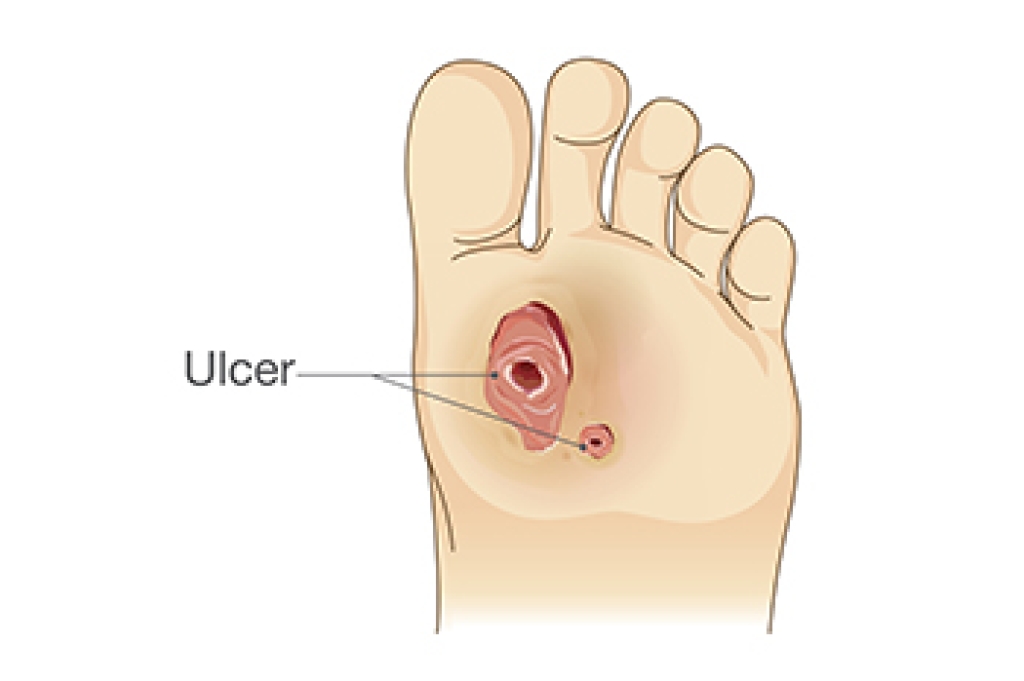
Kidney disease is a serious condition that can give rise to foot problems, primarily due to nerve and blood vessel damage. Two significant complications related to kidney disease and foot health are circulation issues and altered sensation. These changes can develop gradually, often without noticeable symptoms. One common foot problem associated with kidney complications is a foot ulcer, where the skin breaks down, exposing underlying tissue. Unfortunately, the skin's poor healing ability in some kidney disease patients makes them more susceptible to ulcers or infections, even from minor injuries. These foot ulcers can become infected, and if left untreated, may lead to severe complications, including an increased risk of heart attacks and strokes. If you have kidney disease, it is suggested that you are under the care of a podiatrist to set up regular screenings and assessments to detect any potential issues early and create a personalized treatment plan.

When dealing with systemic disease of the feet, it is extremely important to check the affected areas routinely so that any additional problems are caught quickly.  If you have any concerns about your feet and ankles contact Howard Abramsohn, DPM from Ambulatory Foot and Ankle Associates, LLC. Our doctor will assist you with all of your podiatric needs.

Systemic Diseases of the Feet

Systemic diseases affect the whole body, and symptoms usually are displayed in the feet. This condition can make a patient’s ability to walk unbearable.  Systemic diseases include gout, diabetes mellitus, neurological disorders, and arthritis.

Gout – is caused by an excess of uric acid in the body. Common symptoms include pain, inflammation, and redness at the metatarsal/phalangeal joint of the base big toe. Gout can be treated by NSAIDs to relieve pain and inflammation, and other drugs that lower the acid levels in the body.

Diabetes mellitus – is an increase in the level of blood sugar that the body cannot counteract with its own insulin. Failure to produce enough insulin is a factor in Diabetes.

Diabetes of the Feet

Diabetic Neuropathy – may lead to damaged nerves and affect the feet through numbness and loss of sensation.

Peripheral Vascular Disease – can restrict the blood flow to the feet, and often times lead to amputation of the feet. 

If you have any questions please contact our office located in Mt Laurel Township, NJ . We offer the newest diagnostic and treatment technologies for all your foot and ankle needs.

Read more about Systemic Diseases of the Foot

Are You Suffering From Ingrown Toenails?

If left untreated, an ingrown toenail can lead to more serious concerns, such as an infection. Knowing proper nail care can help in the prevention of an ingrown toenail. Give us a call, and get treated!

Can Exercises Help Heel Spurs?

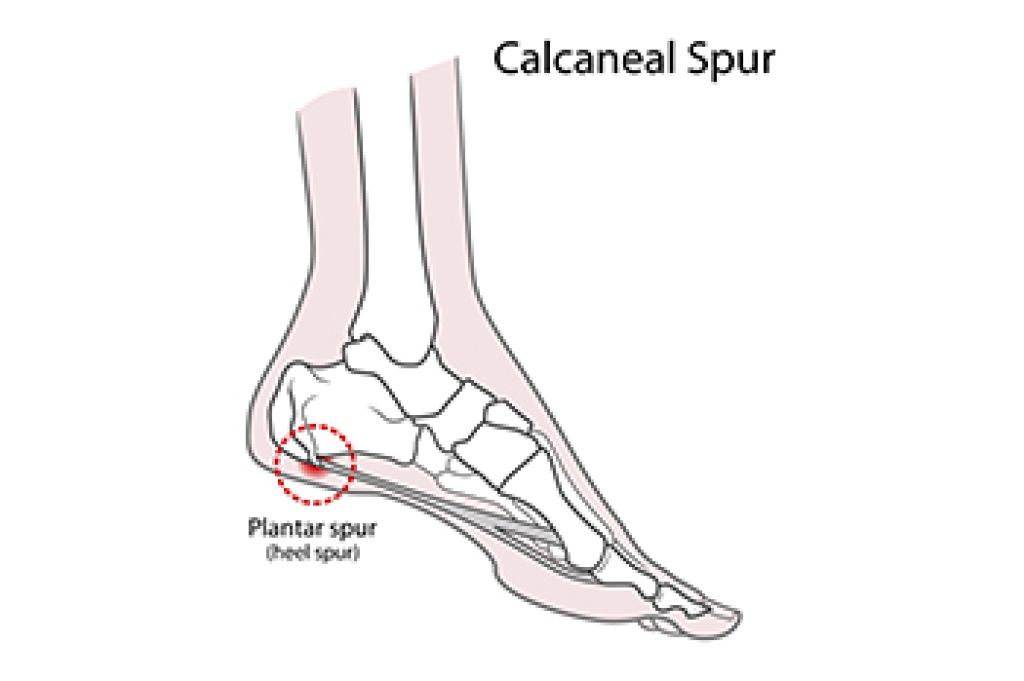
Heel spurs, bony outgrowths at the bottom of the heel bone, can be a source of persistent foot discomfort. Formed due to calcium deposits, heel spurs often accompany conditions like plantar fasciitis. The pain associated with heel spurs typically arises during weight-bearing activities, especially after rest periods. While rest and proper footwear are important components of managing heel spurs, specific exercises can provide relief. Stretching exercises, such as calf stretches and towel curls, may help to alleviate tension in the Achilles tendon and plantar fascia. Rolling a frozen water bottle under the foot can reduce inflammation. Strengthening exercises, like toe-tapping and marble pickups, enhance foot and ankle muscles, promoting better support. A podiatrist treats heel spurs. If you have developed this condition, it is suggested that you visit this type of doctor who can help you with appropriate treatment and guide you toward additional stretches. 

Heel spurs can be incredibly painful and sometimes may make you unable to participate in physical activities. To get medical care for your heel spurs, contact Howard Abramsohn, DPM from Ambulatory Foot and Ankle Associates, LLC. Our doctor will do everything possible to treat your condition.

Heels Spurs

Heel spurs are formed by calcium deposits on the back of the foot where the heel is. This can also be caused by small fragments of bone breaking off one section of the foot, attaching onto the back of the foot. Heel spurs can also be bone growth on the back of the foot and may grow in the direction of the arch of the foot.

Older individuals usually suffer from heel spurs and pain sometimes intensifies with age. One of the main condition's spurs are related to is plantar fasciitis.

Pain

The pain associated with spurs is often because of weight placed on the feet. When someone is walking, their entire weight is concentrated on the feet. Bone spurs then have the tendency to affect other bones and tissues around the foot. As the pain continues, the feet will become tender and sensitive over time.

Treatments

There are many ways to treat heel spurs. If one is suffering from heel spurs in conjunction with pain, there are several methods for healing. Medication, surgery, and herbal care are some options.

If you have any questions, please feel free to contact our office located in Mt Laurel Township, NJ . We offer the newest diagnostic and treatment technologies for all your foot care needs.

Read more about Heel Spurs

What is a Sports Podiatrist?

A sports podiatrist is a healthcare specialist focused on treating and preventing foot and lower limb issues in athletes and other active individuals. They have a deep understanding of how the feet and legs function during physical activities and the specific stresses different sports place on these body parts. The role of a sports podiatrist is vital in enhancing athletic performance and preventing injuries. Sports podiatrists conduct thorough assessments, including gait analysis and biomechanical evaluations, to understand an athlete's foot structure and movement patterns. They offer expert advice on appropriate footwear and can design custom orthotic devices to correct biomechanical imbalances, enhance performance, or prevent injuries. They also treat a range of sports-related foot and ankle problems, ranging from overuse injuries to acute traumas. While all podiatrists can treat sports injuries to some degree, a sports podiatrist offers a more focused expertise in managing and preventing injuries specifically in athletes and those engaged in regular physical activities. If you are an athlete and are experiencing foot or ankle problems, it is suggested that you schedule an appointment with a podiatrist who has experience with sports injuries for an evaluation.

If you are dealing with pain in your feet and ankles, you may want to seek help from a podiatrist. Feel free to contact Howard Abramsohn, DPM from Ambulatory Foot and Ankle Associates, LLC. Our doctor can provide the care you need to keep you pain-free and on your feet.

What Is a Podiatrist?

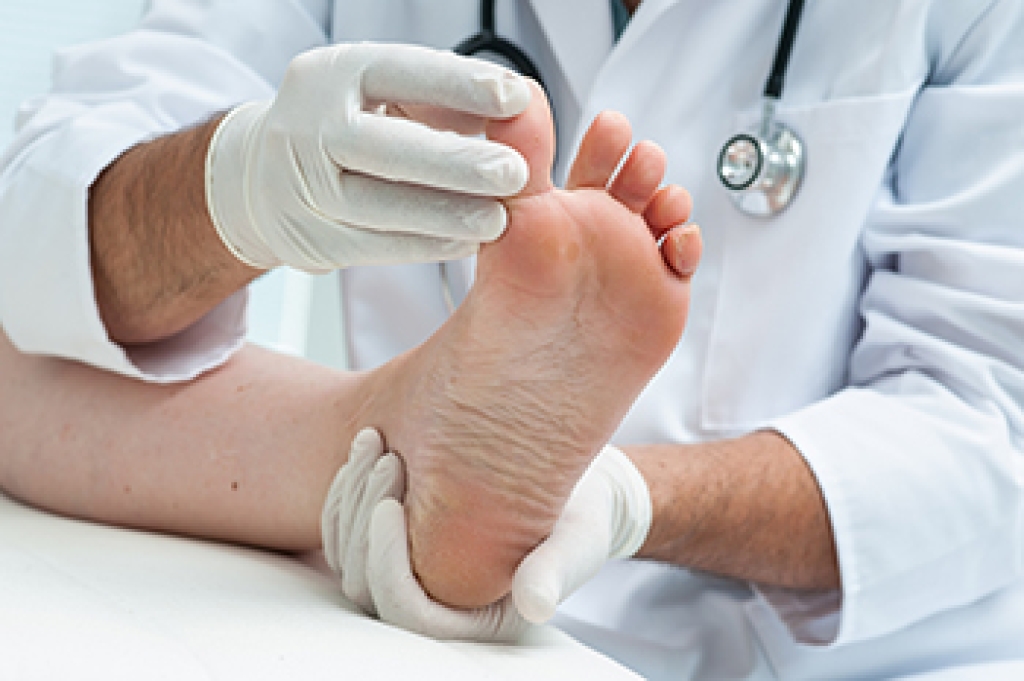
A podiatrist is a doctor of podiatric medicine who diagnoses and treats conditions of the foot, ankle, and related structures of the leg. Your podiatrist may specialize in a certain field such as sports medicine, wound care, pediatrics, and diabetic care. Podiatrists have the ability to become board certified through training, clinical experience, and then taking an exam.

What Do Podiatrists Do?

On a daily basis, a podiatrist may perform the following activities:

  • Diagnose foot ailments such as ulcers, tumors, fractures, etc.
  • Use innovative methods to treat conditions
  • Use corrective orthotics, casts, and strappings to correct deformities
  • Correct walking patterns and balance
  • Provide individual consultations to patients

It is very important that you take care of your feet. It’s easy to take having healthy feet for granted, however foot problems tend to be among the most common health conditions. Podiatrists can help diagnose and treat a variety of feet related conditions, so it is crucial that you visit one if you need assistance.

If you have any questions, please feel free to contact our office located in Mt Laurel Township, NJ . We offer the newest diagnostic and treatment technologies for all your foot care needs.

Read more about What is a Podiatrist?

Definition and Underlying Causes of a Bunion

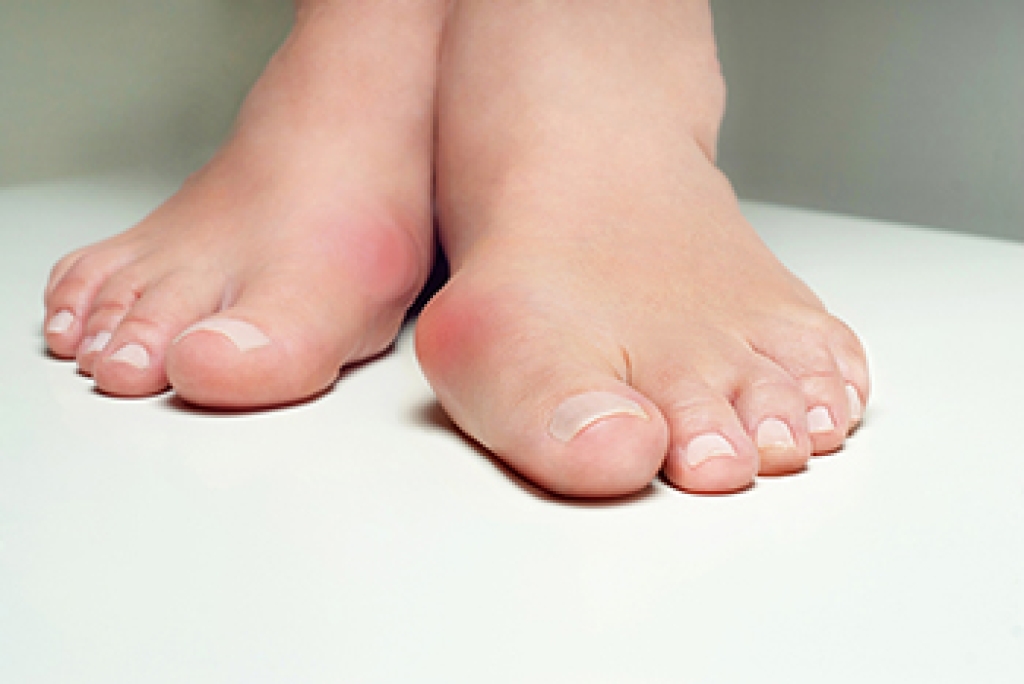
A bunion, or hallux valgus, is a common and often painful foot deformity that affects the joint at the base of the big toe. It manifests as a bony protrusion on the side of the foot, causing the big toe to drift towards the second toe. This misalignment of the joint results in the characteristic bump and can lead to discomfort, inflammation, and difficulty in finding properly fitting footwear. The primary cause of bunions is a combination of genetic and environmental factors. Inherited foot structures that predispose individuals to bunions, like flat feet or low arches, can increase the likelihood of developing this condition. Wearing tight-fitting shoes, particularly those with pointed toes or high heels, can exacerbate the problem or speed up its progression. High levels of stress on the foot or repetitive motion can also contribute to bunion formation. Understanding the causes of bunions is the first step in managing and preventing this condition. When detected early, conservative treatment methods can be helpful. In more severe cases, surgical intervention may be necessary to correct the alignment and provide lasting relief. If you have a bunion, it is suggested that you consult a podiatrist who can guide you toward the most appropriate course of treatment based on your specific condition.

If you are suffering from bunions, contact Howard Abramsohn, DPM of Ambulatory Foot and Ankle Associates, LLC. Our doctor can provide the care you need to keep you pain-free and on your feet.

What Is a Bunion?

A bunion is formed of swollen tissue or an enlargement of boney growth, usually located at the base joint of the toe that connects to the foot. The swelling occurs due to the bones in the big toe shifting inward, which impacts the other toes of the foot. This causes the area around the base of the big toe to become inflamed and painful.

Why Do Bunions Form?

Genetics – Susceptibility to bunions are often hereditary

Stress on the feet – Poorly fitted and uncomfortable footwear that places stress on feet, such as heels, can worsen existing bunions

How Are Bunions Diagnosed?

Podiatrists often perform two tests – blood tests and x-rays – when trying to diagnose bunions, especially in the early stages of development. Blood tests help determine if the foot pain is being caused by something else, such as arthritis, while x-rays provide a clear picture of your bone structure to your provider.

How Are Bunions Treated?

  • Refrain from wearing heels or similar shoes that cause discomfort
  • Select wider shoes that can provide more comfort and reduce pain
  • Anti-inflammatory and pain management drugs
  • Orthotics or foot inserts
  • Surgery

If you have any questions, please feel free to contact our office located in Mt Laurel Township, NJ . We offer the newest diagnostic and treatment technologies for all your foot care needs.

Read more about Bunions

Connect With Us