
We are now hiring! If interested, please call us at (856) 234-5180.

Some Serious Reasons for Swollen Feet

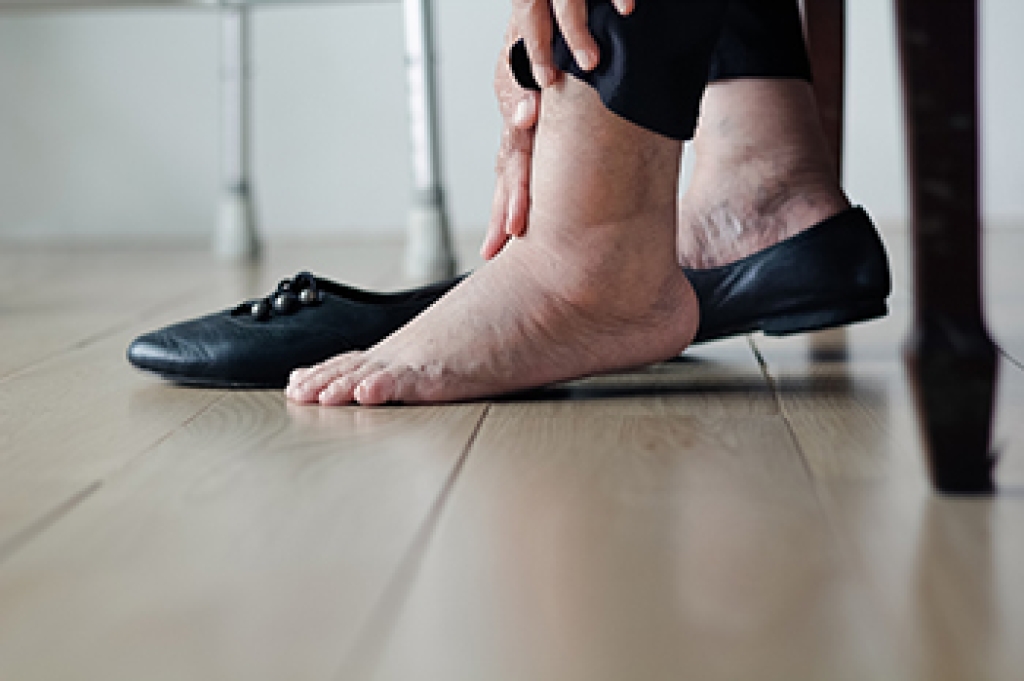
Swollen feet, also called edema of the feet, can occur from prolonged standing or walking and can be relieved by resting and elevating the legs.  However, sometimes, swollen feet can result from a more serious underlying issue. These conditions often affect the movement of fluids within the body. As aging happens, valves within the veins of the legs that keep blood from being pulled down by gravity and pooling in leg veins may function less efficiently and cause swollen feet. Inflammation of the veins causes leg pain, as well as swollen feet. Deep-vein thrombosis is when blood clots form in the deep veins of the legs and block blood from the legs from returning to the heart, which will also cause swollen feet. When one experiences heart failure, the heart is not pumping as it should, and again, blood in the leg veins pools there instead of being pumped back to the heart. Since these and other contributing health conditions can be serious, it is suggested that if your feet are chronically swollen, you see a podiatrist who can diagnose the problem and get treatment underway.

Swollen feet can be a sign of an underlying condition. If you have any concerns, contact Howard Abramsohn, DPM of Ambulatory Foot and Ankle Associates, LLC. Our doctor can provide the care you need to keep you pain-free and on your feet.

Swollen feet are a common ailment among pregnant women and people who stand or sit for extended periods. Aging may increase the possibility of swollen feet and patients who are obese often notice when their feet are swelling too. There may be medical reasons why swollen feet occur:

  • Phlebitis - A condition that causes the veins to become inflamed and can also cause leg pain.
  • Liver disease - This may lead to low blood levels of albumin which is a protein. This can cause fluid in the blood to pass into the tissues and several areas of the body can become swollen.
  • Heart failure - When the heart doesn’t pump properly the blood that is normally pumped back to the heart can pool in the veins of the legs causing swollen feet.
  • Kidney disease - One of the main functions of the kidneys is releasing excess fluid in the body. This type of condition can make it difficult for the kidneys to function properly, and as a result the feet may become swollen.
  • Deep-vein thrombosis (DVT)- This is a serious condition where blood clots form in the veins of the legs. They can block the return of blood from the legs to the heart which may cause the feet to swell. It is important to be treated by a podiatrist if this condition is present.

Swollen feet can also be caused by bone and tendon conditions, including fractures, arthritis, and tendinitis. Additionally, there may be skin and toenail conditions and an infection may cause the feet to swell. Patients who take medicine to treat high blood pressure may be prone to getting swollen feet. 

Many patients elevate their feet to help relieve the swelling and this is generally a temporary remedy. When a podiatrist is consulted the reason behind the swelling can be uncovered and subsequently treated.

If you have any questions please contact our office located in Mt Laurel Township, NJ . We offer the newest diagnostic and treatment technologies for all your foot and ankle needs.

Read more about Swelling of the Feet

Flip Flops May Affect Foot Health

Flip flops are popular shoes to wear in the spring and summer months. They are easy to slip on and off and are available in various colors. Despite the simplicity of wearing these types of shoes, research has shown they may not be ideal for overall foot health. The feet work differently in shoes that do not have a back, forcing the toes to grip the front of the shoe. They can have a negative impact on the arch, and heel pain may develop. There may be tension in the front of the ankle and the toes, and performing specific stretches may help to reduce it. A calf stretch is effective in properly stretching the heel and Achilles tendon. This is done by standing on a step and lowering the heels one at a time until a gentle stretch is felt. There are other alternatives to wearing flip flops, and if you are interested in learning about what type of shoes these are, it is suggested that you consult with a podiatrist who can provide you with the correct information.

Flip-flops can cause a lot of problems for your feet. If you have any concerns about your feet or ankles, contact Howard Abramsohn, DPM from Ambulatory Foot and Ankle Associates, LLC. Our doctor will assist you with all of your foot and ankle needs.

Flip-Flops and Feet

Flip-flops have managed to become a summer essential for a lot of people. While the shoes may be stylish and easy to slip on and off, they can be dangerous to those who wear them too often. These shoes might protect you from fungal infections such as athlete’s foot, but they can also give you foot pain and sprained ankles if you trip while wearing them.

When Are They Okay to Wear?

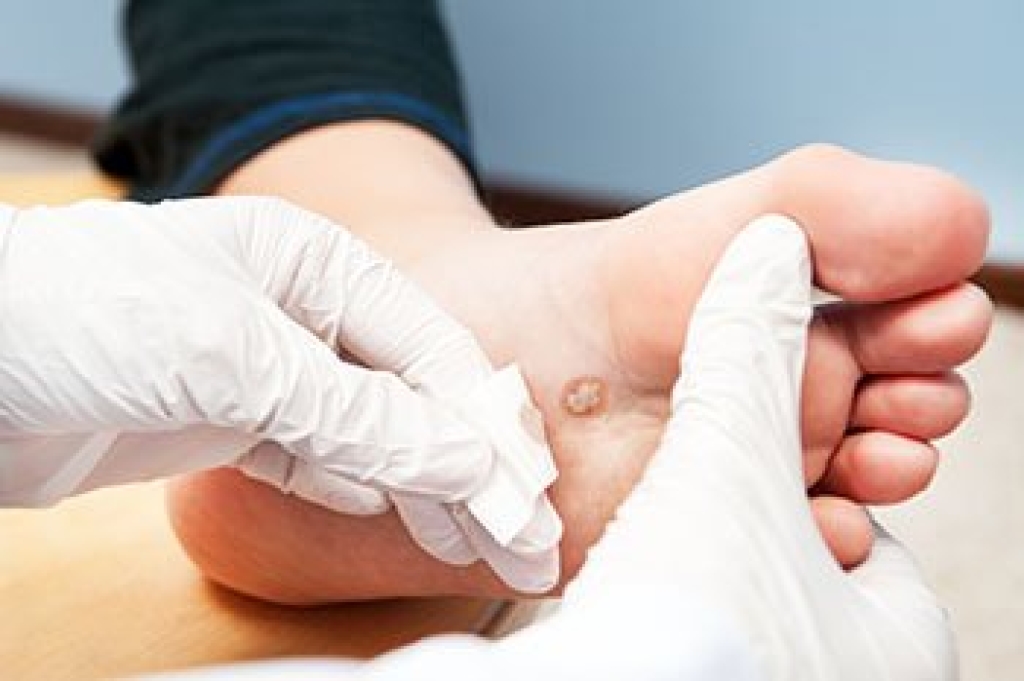
Flip-flops should only be worn for very short periods of time. They can help protect your feet in places that are crawling with fungi, such as gym locker rooms. Athlete’s foot and plantar warts are two common fungi that flip-flops may help protect your feet against.

Why Are They Bad for My Feet?

These shoes do not offer any arch support, so they are not ideal for everyday use. They also do not provide shock absorption or heel cushioning which can be problematic for your feet. Additionally, you may suffer from glass cuts, puncture wounds, and stubbed toes since they offer little protection for your feet.

More Reasons Why They Are Bad for Your Feet

  • They Slow You Down
  • May Cause Blisters and Calluses
  • Expose Your Feet to Bacteria

If you have any questions, please feel free to contact our office located in Mt Laurel Township, NJ . We offer the newest diagnostic and treatment technologies for all your foot care needs.

Read more about Flipping Out About Flip Flops

We Can Treat Your Foot or Ankle Pain

Foot or ankle pain can negatively affect your day-to-day life and can occur due to several different conditions. Pain can also be an indicator of a more serious underlying condition, which is why you should seek professional help as soon as you notice any abnormalities in your feet.

Trampoline Ankle Fracture in Kids

“Trampoline ankle” or a Saltar Harris fracture is a rare type of ankle fracture that happens when two or more people are bouncing out of sync on a trampoline. The resulting kinetic energy causes a high-impact effect that can a cause serious growth plate injury in a child. In this type of injury, the problem involves the growth plate, which is why it is unique to children and not adults. This type of fracture occurs when the trampoline bed is ascending and the child who sustains the injury is on the descent. The growth plate is an area of cartilage that is actively developing into new bone. The tibia bone of the leg stops growing generally around the ages of 14 to 18. If this fracture is not tended to, it can lead to permanent bone growth arrest. If your child has sustained an ankle fracture while on the trampoline, it is suggested that you visit a podiatrist as soon as possible for diagnosis and treatment.

Ankle and foot injuries are common among athletes and in many sports. They can be caused by several problems and may be potentially serious. If you are feeling pain or think you were injured in a sporting event or when exercising, consult with Howard Abramsohn, DPM from Ambulatory Foot and Ankle Associates, LLC. Our doctor will assess your condition and provide you with quality foot and ankle treatment.

Common Injuries

The most common injuries that occur in sporting activities include:

  • Achilles Tendonitis
  • Achilles Tendon Rupture
  • Ankle Sprains
  • Broken Foot
  • Plantar Fasciitis
  • Stress Fractures
  • Turf Toe

Symptoms

Symptoms vary depending upon the injury and in some cases, there may be no symptoms at all. However, in most cases, some form of symptom is experienced. Pain, aching, burning, bruising, tenderness, tightness or stiffness, sensation loss, difficulty moving, and swelling are the most common symptoms.

Treatment

Just as symptoms vary depending upon the injury, so do treatment options. A common treatment method is known as the RICE method. This method involves rest, applying ice, compression and elevating the afflicted foot or ankle. If the injury appears to be more serious, surgery might be required, such as arthroscopic or reconstructive surgery. Lastly, rehabilitation or therapy might be needed to gain full functionality in the afflicted area. Any discomfort experienced by an athlete must be evaluated by a licensed, reputable medical professional.  

If you have any questions please contact our office located in Mt Laurel Township, NJ . We offer the newest diagnostic and treatment technologies for all your foot and ankle needs.

Read more about Sports Related Foot and Ankle Injuries

Flexible and Rigid Hammertoe

Hammertoe is an ailment that affects the toes in the feet. Specifically, the second, third or fourth toes are targeted with this condition and this can happen due to genetics. Patients who have this ailment notice their toes bend downward, and can resemble a hammer. It may also develop from wearing shoes that do not have ample room for the toes to move freely in. This may cause a muscle imbalance, and common symptoms can include swelling and pain, and it can be difficult to walk. This condition develops gradually, and the toes are flexible when first noticed. Prompt medical treatment is necessary to prevent the toes from becoming rigid, because at that point treatment may be difficult. Patients can find mild relief when different shoes are worn, preferably with a low heel and plenty of room that can accommodate the toes. This can be followed by practicing specific exercises that can strengthen the toes. If you have developed hammertoe, it is suggested that you speak with a podiatrist who can guide you toward the treatment method that is right for you.

Hammertoe

Hammertoes can be a painful condition to live with. For more information, contact Howard Abramsohn, DPM from Ambulatory Foot and Ankle Associates, LLC. Our doctor will answer any of your foot- and ankle-related questions.

Hammertoe is a foot deformity that affects the joints of the second, third, fourth, or fifth toes of your feet. It is a painful foot condition in which these toes curl and arch up, which can often lead to pain when wearing footwear.

Symptoms

  • Pain in the affected toes
  • Development of corns or calluses due to friction
  • Inflammation
  • Redness
  • Contracture of the toes

Causes

Genetics – People who are genetically predisposed to hammertoe are often more susceptible

Arthritis – Because arthritis affects the joints in your toes, further deformities stemming from arthritis can occur

Trauma – Direct trauma to the toes could potentially lead to hammertoe

Ill-fitting shoes – Undue pressure on the front of the toes from ill-fitting shoes can potentially lead to the development of hammertoe

Treatment

Orthotics – Custom made inserts can be used to help relieve pressure placed on the toes and therefore relieve some of the pain associated with it

Medications – Oral medications such as anti-inflammatories or NSAIDs could be used to treat the pain and inflammation hammertoes causes. Injections of corticosteroids are also sometimes used

Surgery – In more severe cases where the hammertoes have become more rigid, foot surgery is a potential option

If you have any questions, please feel free to contact our office located in Mt Laurel Township, NJ . We offer the newest diagnostic and treatment technologies for all your foot care needs.

Read more about What Are Hammertoes?

Risk Factors for Plantar Fasciitis

Suffering from plantar fasciitis is no joke. This inflammatory condition affects the tissue in the sole of the foot, causing arch and heel pain that can be excruciating. Those most at risk of plantar fasciitis are runners and people who stand for long periods throughout the day. Factory workers, teachers, construction and warehouse workers, and people who work in restaurants or hospitals are at higher risk. Ways to prevent plantar fasciitis include investing in proper footwear, performing a series of strengthening and stretching exercises, and wearing orthotic inserts in your shoes. The most common cause of plantar fasciitis, by far, is running. The constant pounding on hard surfaces causes tiny tears in the plantar fascia, which then becomes inflamed. Well-cushioned footwear is essential, as the activity that produces plantar fasciitis can also affect the foot, ankles, legs, and knees. For more information about treating plantar fasciitis, it is suggested that you consult a podiatrist.

Plantar fasciitis is a common foot condition that is often caused by a strain injury. If you are experiencing heel pain or symptoms of plantar fasciitis, contact Howard Abramsohn, DPM from Ambulatory Foot and Ankle Associates, LLC. Our doctor can provide the care you need to keep you pain-free and on your feet.

What Is Plantar Fasciitis?

Plantar fasciitis is one of the most common causes of heel pain. The plantar fascia is a ligament that connects your heel to the front of your foot. When this ligament becomes inflamed, plantar fasciitis is the result. If you have plantar fasciitis you will have a stabbing pain that usually occurs with your first steps in the morning. As the day progresses and you walk around more, this pain will start to disappear, but it will return after long periods of standing or sitting.

What Causes Plantar Fasciitis?

  • Excessive running
  • Having high arches in your feet
  • Other foot issues such as flat feet
  • Pregnancy (due to the sudden weight gain)
  • Being on your feet very often

There are some risk factors that may make you more likely to develop plantar fasciitis compared to others. The condition most commonly affects adults between the ages of 40 and 60. It also tends to affect people who are obese because the extra pounds result in extra stress being placed on the plantar fascia.

Prevention

  • Take good care of your feet – Wear shoes that have good arch support and heel cushioning.
  • Maintain a healthy weight
  • If you are a runner, alternate running with other sports that won’t cause heel pain

There are a variety of treatment options available for plantar fasciitis along with the pain that accompanies it. Additionally, physical therapy is a very important component in the treatment process. It is important that you meet with your podiatrist to determine which treatment option is best for you.

If you have any questions, please feel free to contact our office located in Mt Laurel Township, NJ . We offer the newest diagnostic and treatment technologies for all your foot care needs.
 

Read more about Plantar Fasciitis

How Did I Injure My Achilles Tendon?

An Achilles tendon injury can cause extreme pain and discomfort. This tendon is located in the lower back of the leg, and connects the heel to the calf muscles. People who enjoy running may experience Achilles tendon injuries. This may be a result of increasing speed and mileage too quickly, and not warming up and cooling down properly before and after running. The pain is  immediately felt when this type of injury has happened, and additional symptoms can include decreased strength, stiffness in the back of the heel, and it can be difficult to walk. A proper diagnosis is often done, which consists of having an X-ray, MRI, or ultrasound performed. This often begins with resting the affected foot as frequently as possible, and keeping the weight off of it. It may be beneficial to perform strength training exercises and stretches as it heals, in addition to wearing custom-made orthotics. If you have an Achilles tendon injury, it is strongly suggested that you are under the care of a podiatrist who can properly treat this condition.

Achilles tendon injuries need immediate attention to avoid future complications. If you have any concerns, contact Howard Abramsohn, DPM of Ambulatory Foot and Ankle Associates, LLC. Our doctor can provide the care you need to keep you pain-free and on your feet.

What Is the Achilles Tendon?

The Achilles tendon is a tendon that connects the lower leg muscles and calf to the heel of the foot. It is the strongest tendon in the human body and is essential for making movement possible. Because this tendon is such an integral part of the body, any injuries to it can create immense difficulties and should immediately be presented to a doctor.

What Are the Symptoms of an Achilles Tendon Injury?

There are various types of injuries that can affect the Achilles tendon. The two most common injuries are Achilles tendinitis and ruptures of the tendon.

Achilles Tendinitis Symptoms

  • Inflammation
  • Dull to severe pain
  • Increased blood flow to the tendon
  • Thickening of the tendon

Rupture Symptoms

  • Extreme pain and swelling in the foot
  • Total immobility

Treatment and Prevention

Achilles tendon injuries are diagnosed by a thorough physical evaluation, which can include an MRI. Treatment involves rest, physical therapy, and in some cases, surgery. However, various preventative measures can be taken to avoid these injuries, such as:

  • Thorough stretching of the tendon before and after exercise
  • Strengthening exercises like calf raises, squats, leg curls, leg extensions, leg raises, lunges, and leg presses

If you have any questions please feel free to contact our office located in Mt Laurel Township, NJ . We offer the newest diagnostic tools and technology to treat your foot and ankle needs.

Read more about What are Achilles Tendon Injuries

Working and Wearing the Right Shoes

Research has shown that more than half of the population stands while working. Potential health risks may be increased when standing is done for long periods of time. The feet are the foundation of the body, and it is important that they are protected while working. This can consist of wearing shoes that fit correctly and choosing shoes that have a low heel. These types of shoes can be helpful in protecting the hamstrings and back, and may prevent osteoarthritis from developing. Taking frequent breaks will allow movement, which may help to maintain proper circulation. Additionally, shuffling the feet while standing can accomplish the same thing by redistributing body weight. Many sources believe the body’s flexibility and ability to function can improve when strength training exercises are performed. If you would like more information about what type of shoes to buy for your work day, it is suggested that you confer with a podiatrist.

While working on the feet, it is important to take the proper care of them. For more information about working on your feet, contact Howard Abramsohn, DPM from Ambulatory Foot and Ankle Associates, LLC. Our doctor will treat your foot and ankle needs.

Working on Your Feet

Standing on your feet for long periods of time can cause stress and pain in your feet. Your whole body may experience change in terms of posture, back pain, bunions, callouses and or plantar warts. There are ways to avoid these conditions with proper foot care, smart choices and correct posture.

Positive Changes

Negative heeled shoe – Choosing this shoe type places the heel slightly lower than the ball of the foot. These are great for overall foot health. Find shoes that fit you correctly.

Go barefoot – Our feet were not designed to be enclosed for all hours of the day. Try to periodically expose your feet to air.

Eliminate Pain

Foot Exercises – Performing simple exercises, incorporating yoga and doing stretches are beneficial. This will allow increased blood flow to the area and muscles of the foot.

Achilles tendon – Stretching the foot out flat on the floor will relax the calf muscles and tendon. These exercises can be performed almost anywhere. Make sure you add these exercises to your daily regimen. 

With a little bit of this information and knowing more about foot health, you will notice changes. Foot stretches and proper footwear will help with pain and prevent further issues.

If you have any questions please contact our office located in Mt Laurel Township, NJ . We offer the newest diagnostic and treatment technologies for all your foot and ankle needs.

Read more about Working on Your Feet

Peroneal Nerve Damage That Affects the Feet

What is termed the common peroneal nerve provides sensation to the front and sides of the leg and the top of the feet. It also controls the muscles that lift the ankle and toes upward. Symptoms felt when the peroneal nerve is injured include numbness, tingling, pain, and weakness. This damage is also responsible for a condition known as foot drop, which affects the way you walk. Damage to the peroneal nerve can be caused by something as simple as crossing the legs for too long a period, or even wearing boots that have heels that are too high. It also can be caused by a crippling genetic condition called Charcot-Marie-Booth disease or by other underlying diseases, such as diabetes. The inability to flex the foot or to take a normal footstep may indicate a peroneal nerve injury. It is not always easy to detect this type of injury, so making an appointment with a podiatrist is suggested for a thorough examination. Treatment may vary depending on the location and severity of the injury.

Neuropathy

Neuropathy can be a potentially serious condition, especially if it is left undiagnosed. If you have any concerns that you may be experiencing nerve loss in your feet, consult with Howard Abramsohn, DPM from Ambulatory Foot and Ankle Associates, LLC. Our doctor will assess your condition and provide you with quality foot and ankle treatment for neuropathy.

What Is Neuropathy?

Neuropathy is a condition that leads to damage to the nerves in the body. Peripheral neuropathy, or neuropathy that affects your peripheral nervous system, usually occurs in the feet. Neuropathy can be triggered by a number of different causes. Such causes include diabetes, infections, cancers, disorders, and toxic substances.

Symptoms of Neuropathy Include:

  • Numbness
  • Sensation loss
  • Prickling and tingling sensations
  • Throbbing, freezing, burning pains
  • Muscle weakness

Those with diabetes are at serious risk due to being unable to feel an ulcer on their feet. Diabetics usually also suffer from poor blood circulation. This can lead to the wound not healing, infections occurring, and the limb may have to be amputated.

Treatment

To treat neuropathy in the foot, podiatrists will first diagnose the cause of the neuropathy. Figuring out the underlying cause of the neuropathy will allow the podiatrist to prescribe the best treatment, whether it be caused by diabetes, toxic substance exposure, infection, etc. If the nerve has not died, then it’s possible that sensation may be able to return to the foot.

Pain medication may be issued for pain. Electrical nerve stimulation can be used to stimulate nerves. If the neuropathy is caused from pressure on the nerves, then surgery may be necessary.

If you have any questions, please feel free to contact our office located in Mt Laurel Township, NJ . We offer the newest diagnostic and treatment technologies for all your foot care needs.

Read more about Neuropathy

Connect With Us