We are now hiring! If interested, please call us at (856) 234-5180.

Plantar Wart Growth

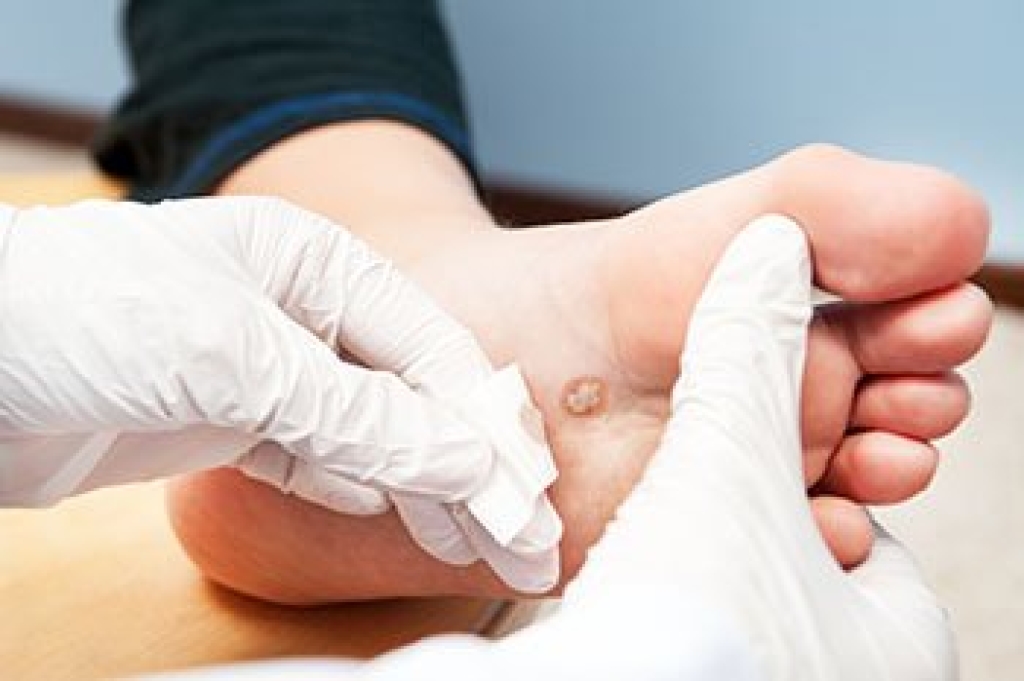
Patients often ask podiatrists how plantar warts grow on the feet. The answer is slightly complicated. These warts can grow and develop on the bottoms or soles of the feet typically from exposure to the human papillomavirus (HPV). Often the HPV can enter the skin through some sort of existing cut or opening. As a result, the HPV can facilitate uncontrolled cellular growth, which ultimately leads to the development of a wart. Plantar warts are unique in that they can create a hole in the bottom of the feet. Some plantar warts can be particularly painful for patients. Other cases of plantar warts might even be itchy. If you are currently suffering from plantar warts, it is suggested that you schedule an appointment with a podiatrist today who can help you address any problems you might have from this infection.

Plantar warts can be very uncomfortable. If you need your feet checked, contact Howard Abramsohn, DPM from Ambulatory Foot and Ankle Associates, LLC. Our doctor will assist you with all of your foot and ankle needs.

About Plantar Warts

Plantar warts are the result of HPV, or human papillomavirus, getting into open wounds on the feet. They are mostly found on the heels or balls of the feet.

While plantar warts are generally harmless, those experiencing excessive pain or those suffering from diabetes or a compromised immune system require immediate medical care. Plantar warts are easily diagnosed, usually through scraping off a bit of rough skin or by getting a biopsy.

Symptoms

  • Lesions on the bottom of your feet, usually rough and grainy
  • Hard or thick callused spots
  • Wart seeds, which are small clotted blood vessels that look like little black spots
  • Pain, discomfort, or tenderness of your feet when walking or standing

Treatment

  • Freezing
  • Electric tool removal
  • Laser Treatment
  • Topical Creams (prescription only)
  • Over-the-counter medications

To help prevent developing plantar warts, avoid walking barefoot over abrasive surfaces that can cause cuts or wounds for HPV to get into. Avoiding direct contact with other warts, as well as not picking or rubbing existing warts, can help prevent the further spread of plantar warts. However, if you think you have developed plantar warts, speak to your podiatrist. He or she can diagnose the warts on your feet and recommend the appropriate treatment options.

If you have any questions, please feel free to contact our office located in Mt Laurel Township, NJ . We offer the newest diagnostic and treatment technologies for all your foot care needs.

Read more about All About Plantar Warts

Nerve Problems That Cause Foot Pain

While there are numerous causes for foot pain, if you feel pain on the top of the foot or through the arch, it may be caused by nerve problems. Common symptoms of nerve pain in the feet are burning and shooting or stabbing pain when a nerve is aggravated. Unfortunately, such nerve pain in the feet can occur when you are active and when you are resting. The four most common causes of nerve pain in the feet are Morton’s neuroma, tarsal tunnel syndrome, peripheral neuropathy caused by diabetes, and a pinched nerve. With Morton’s neuroma, the pain will be felt between the third and fourth toes as the nerve in that area thickens. This condition affects women more often as a result of frequent wearing of high heels. Tarsal tunnel syndrome is caused when the tibial nerve that is located near the heel is compressed. A pinched nerve, which is also called nerve entrapment, is often caused by swelling, tight shoes, or trauma to the foot. Diabetic foot neuropathy is the result of nerve damage caused by high levels of blood sugar. If you are experiencing any type of shooting or stabbing pain in the feet, it is suggested that you make an appointment with a podiatrist to determine the cause and find appropriate treatment.

Foot Pain

Foot pain can be extremely painful and debilitating. If you have a foot pain, consult with Howard Abramsohn, DPM from Ambulatory Foot and Ankle Associates, LLC. Our doctor will assess your condition and provide you with quality foot and ankle treatment.

Causes

Foot pain is a very broad condition that could be caused by one or more ailments. The most common include:

  • Bunions
  • Hammertoes
  • Plantar Fasciitis
  • Bone Spurs
  • Corns
  • Tarsal Tunnel Syndrome
  • Ingrown Toenails
  • Arthritis (such as Gout, Rheumatoid, and Osteoarthritis)
  • Flat Feet
  • Injury (from stress fractures, broken toe, foot, ankle, Achilles tendon ruptures, and sprains)
  • And more

Diagnosis

To figure out the cause of foot pain, podiatrists utilize several different methods. This can range from simple visual inspections and sensation tests to X-rays and MRI scans. Prior medical history, family medical history, and any recent physical traumatic events will all be taken into consideration for a proper diagnosis.

Treatment

Treatment depends upon the cause of the foot pain. Whether it is resting, staying off the foot, or having surgery; podiatrists have a number of treatment options available for foot pain.

If you have any questions, please feel free to contact our office located in Mt Laurel Township, NJ . We offer the newest diagnostic and treatment technologies for all your foot care needs.

Read more about Foot Pain

Some Serious Reasons for Swollen Feet

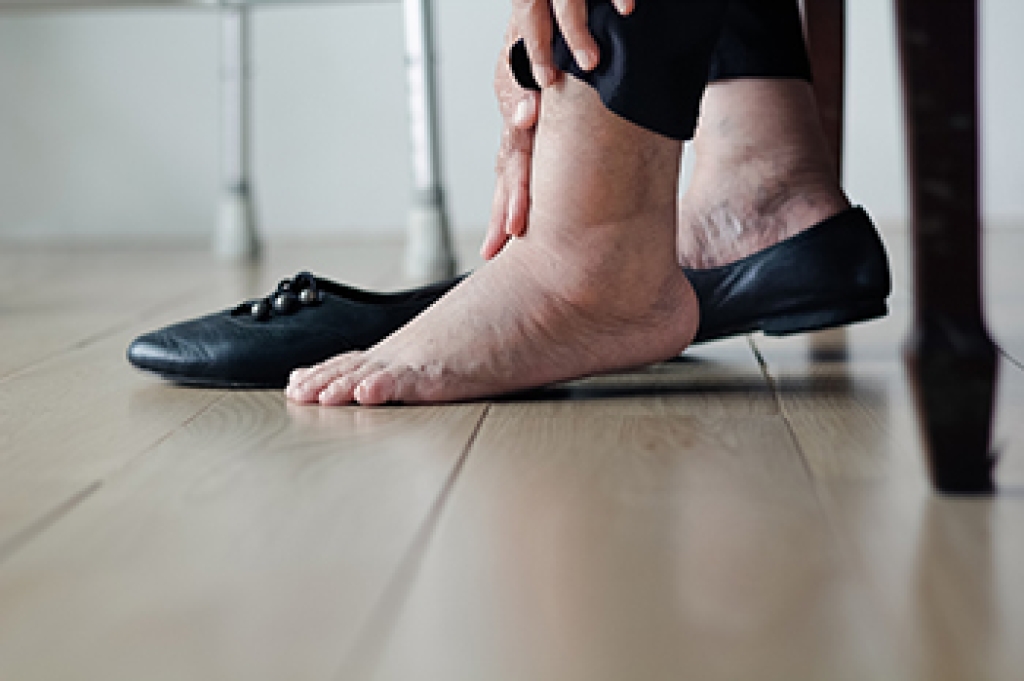
Swollen feet, also called edema of the feet, can occur from prolonged standing or walking and can be relieved by resting and elevating the legs.  However, sometimes, swollen feet can result from a more serious underlying issue. These conditions often affect the movement of fluids within the body. As aging happens, valves within the veins of the legs that keep blood from being pulled down by gravity and pooling in leg veins may function less efficiently and cause swollen feet. Inflammation of the veins causes leg pain, as well as swollen feet. Deep-vein thrombosis is when blood clots form in the deep veins of the legs and block blood from the legs from returning to the heart, which will also cause swollen feet. When one experiences heart failure, the heart is not pumping as it should, and again, blood in the leg veins pools there instead of being pumped back to the heart. Since these and other contributing health conditions can be serious, it is suggested that if your feet are chronically swollen, you see a podiatrist who can diagnose the problem and get treatment underway.

Swollen feet can be a sign of an underlying condition. If you have any concerns, contact Howard Abramsohn, DPM of Ambulatory Foot and Ankle Associates, LLC. Our doctor can provide the care you need to keep you pain-free and on your feet.

Swollen feet are a common ailment among pregnant women and people who stand or sit for extended periods. Aging may increase the possibility of swollen feet and patients who are obese often notice when their feet are swelling too. There may be medical reasons why swollen feet occur:

  • Phlebitis - A condition that causes the veins to become inflamed and can also cause leg pain.
  • Liver disease - This may lead to low blood levels of albumin which is a protein. This can cause fluid in the blood to pass into the tissues and several areas of the body can become swollen.
  • Heart failure - When the heart doesn’t pump properly the blood that is normally pumped back to the heart can pool in the veins of the legs causing swollen feet.
  • Kidney disease - One of the main functions of the kidneys is releasing excess fluid in the body. This type of condition can make it difficult for the kidneys to function properly, and as a result the feet may become swollen.
  • Deep-vein thrombosis (DVT)- This is a serious condition where blood clots form in the veins of the legs. They can block the return of blood from the legs to the heart which may cause the feet to swell. It is important to be treated by a podiatrist if this condition is present.

Swollen feet can also be caused by bone and tendon conditions, including fractures, arthritis, and tendinitis. Additionally, there may be skin and toenail conditions and an infection may cause the feet to swell. Patients who take medicine to treat high blood pressure may be prone to getting swollen feet. 

Many patients elevate their feet to help relieve the swelling and this is generally a temporary remedy. When a podiatrist is consulted the reason behind the swelling can be uncovered and subsequently treated.

If you have any questions please contact our office located in Mt Laurel Township, NJ . We offer the newest diagnostic and treatment technologies for all your foot and ankle needs.

Read more about Swelling of the Feet

Flip Flops May Affect Foot Health

Flip flops are popular shoes to wear in the spring and summer months. They are easy to slip on and off and are available in various colors. Despite the simplicity of wearing these types of shoes, research has shown they may not be ideal for overall foot health. The feet work differently in shoes that do not have a back, forcing the toes to grip the front of the shoe. They can have a negative impact on the arch, and heel pain may develop. There may be tension in the front of the ankle and the toes, and performing specific stretches may help to reduce it. A calf stretch is effective in properly stretching the heel and Achilles tendon. This is done by standing on a step and lowering the heels one at a time until a gentle stretch is felt. There are other alternatives to wearing flip flops, and if you are interested in learning about what type of shoes these are, it is suggested that you consult with a podiatrist who can provide you with the correct information.

Flip-flops can cause a lot of problems for your feet. If you have any concerns about your feet or ankles, contact Howard Abramsohn, DPM from Ambulatory Foot and Ankle Associates, LLC. Our doctor will assist you with all of your foot and ankle needs.

Flip-Flops and Feet

Flip-flops have managed to become a summer essential for a lot of people. While the shoes may be stylish and easy to slip on and off, they can be dangerous to those who wear them too often. These shoes might protect you from fungal infections such as athlete’s foot, but they can also give you foot pain and sprained ankles if you trip while wearing them.

When Are They Okay to Wear?

Flip-flops should only be worn for very short periods of time. They can help protect your feet in places that are crawling with fungi, such as gym locker rooms. Athlete’s foot and plantar warts are two common fungi that flip-flops may help protect your feet against.

Why Are They Bad for My Feet?

These shoes do not offer any arch support, so they are not ideal for everyday use. They also do not provide shock absorption or heel cushioning which can be problematic for your feet. Additionally, you may suffer from glass cuts, puncture wounds, and stubbed toes since they offer little protection for your feet.

More Reasons Why They Are Bad for Your Feet

  • They Slow You Down
  • May Cause Blisters and Calluses
  • Expose Your Feet to Bacteria

If you have any questions, please feel free to contact our office located in Mt Laurel Township, NJ . We offer the newest diagnostic and treatment technologies for all your foot care needs.

Read more about Flipping Out About Flip Flops

We Can Treat Your Foot or Ankle Pain

Foot or ankle pain can negatively affect your day-to-day life and can occur due to several different conditions. Pain can also be an indicator of a more serious underlying condition, which is why you should seek professional help as soon as you notice any abnormalities in your feet.

Connect With Us