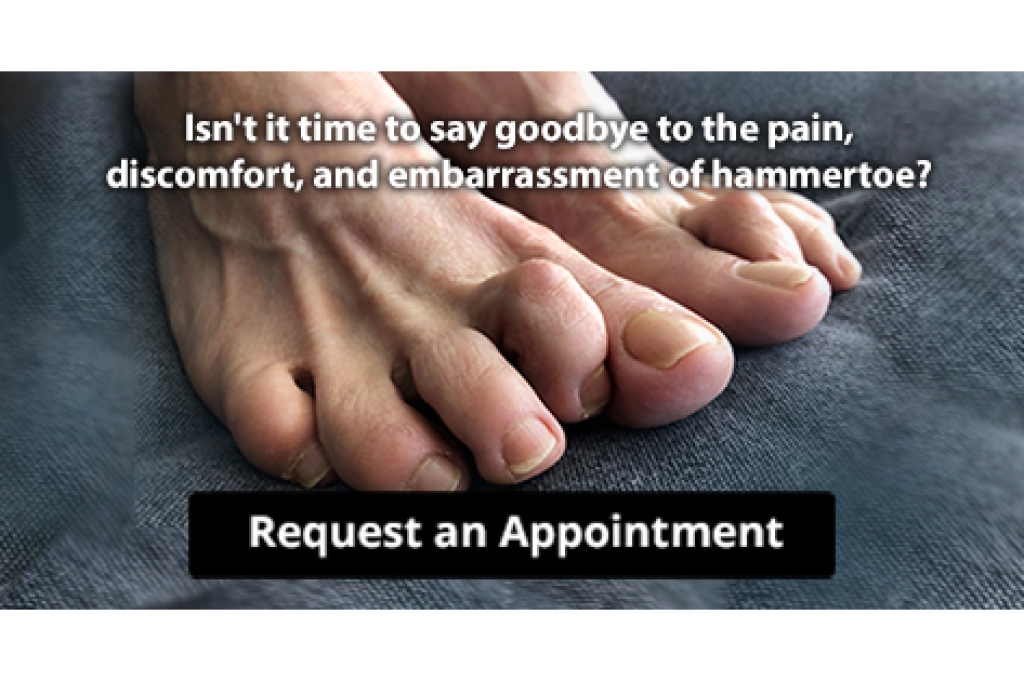
Painful deformities, such as hammertoes, can be treated. Stop living with foot pain, and have beautiful feet again!
Painful deformities, such as hammertoes, can be treated. Stop living with foot pain, and have beautiful feet again!

Selecting the right hiking boots is a big decision for any outdoor enthusiast. These boots can make or break your hiking experience, impacting your comfort, support, and overall safety on the trail. This can begin by considering the terrain you plan to hike. Different types of hikes, whether on rocky trails, muddy paths, or steep ascents, require specific features in your boots. Choose a boot with appropriate sole traction, ankle support, and water resistance that matches your hiking environment. This can be followed by focusing on fit. Ensuring your hiking boots fit snugly, but leaving enough room for your toes to wiggle comfortably. Try on boots in the late afternoon when your feet are slightly swollen to mimic conditions on the trail. It is beneficial to break in your boots before embarking on a long hike. Wear them around your home or on shorter walks to allow them to mold to your feet and prevent painful blisters. Lastly, consider your personal preferences. Some hikers prefer lightweight and flexible boots, while others prioritize durability and sturdiness. If you would like more information about what type of hiking boots to buy, it is suggested that you confer with a podiatrist who can provide you with the knowledge you are seeking.
Finding a properly-fitting shoe is important in reducing injuries and preventing foot problems. For more information about treatment, contact Howard Abramsohn, DPM from Ambulatory Foot and Ankle Associates, LLC. Our doctor will treat your foot and ankle needs.
Proper Shoe Fitting
A common concern when it comes to foot health, having properly fitted shoes can help prevent injuries to the foot. Out feet affect our posture and gait, which in turn affects the biomechanics and overall bodily structure. With 33 joints, 26 bones, and over 100 ligaments, the potential for serious injury is much greater than one realizes. Although the feet cease growth in adulthood, they still change shape as they mature. Here are some factors to consider when it comes to investing in proper fitting shoes:
Keeping in mind how shoes fit the biomechanics of your body, properly-fitting shoes are vitally important. Fortunately, it is not difficult to acquire footwear that fits correctly. Be sure to wear shoes that support the overall structure of your body. Do your feet a favor and invest in several pairs of well-fitted shoes today.
If you have any questions, please feel free to contact our office located in Mt Laurel Township, NJ . We offer the newest diagnostic and treatment technologies for all your foot care needs.

Diabetic peripheral neuropathy, or DPN, is a common complication of diabetes. It occurs when high blood sugar levels damage the nerves, especially those in the legs and feet. DPN can lead to various symptoms, including numbness, tingling, burning sensations, and pain in the affected areas. It can also cause muscle weakness and affect balance and coordination. Over time, it can have serious complications if not managed properly. Surgery to release nerves in the legs has been shown to help people with this affliction and researchers have found that when people had such surgery, they experienced less pain and had an improved ability to feel touch. Surgery on a specific nerve in the tarsal tunnel area seemed to work best in these cases, and those who underwent such surgery were less likely to get ulcers or need amputation. If you suffer from DPN, it is strongly suggested that you make an appointment with a podiatrist for a full evaluation and treatment. Surgery may or may not be right for you, but new developments are constantly being made in this area that can potentially be helpful.
Foot surgery is sometimes necessary to treat a foot ailment. To learn more, contact Howard Abramsohn, DPM of Ambulatory Foot and Ankle Associates, LLC. Our doctor will assist you with all of your foot and ankle needs.
When Is Surgery Necessary?
Foot and ankle surgery is generally reserved for cases in which less invasive, conservative procedures have failed to alleviate the problem. Some of the cases in which surgery may be necessary include:
What Types of Surgery Are There?
The type of surgery you receive will depend on the nature of the problem you have. Some of the possible surgeries include:
Benefits of Surgery
Although surgery is usually a last resort, it can provide more complete pain relief compared to non-surgical methods and may allow you to finally resume full activity.
Surgical techniques have also become increasingly sophisticated. Techniques like endoscopic surgery allow for smaller incisions and faster recovery times.
If you have any questions, please feel free to contact our office located in Mt Laurel Township, NJ . We offer the newest diagnostic and treatment technologies for all your foot care needs.
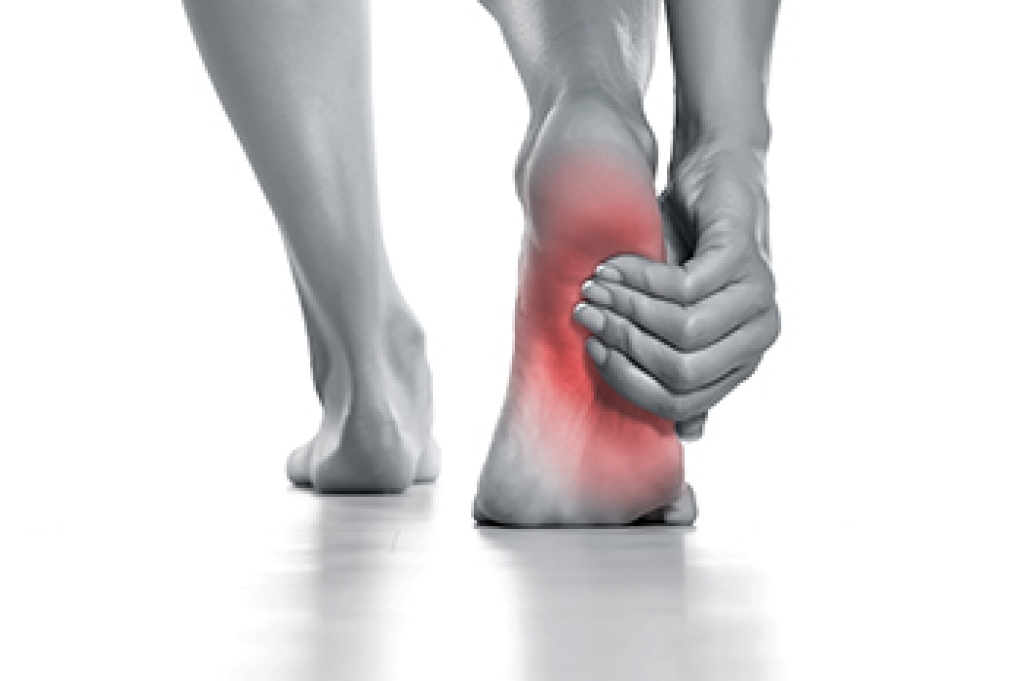
Heel pain is a common ailment that can disrupt daily life and activities. One of the primary culprits is plantar fasciitis, which occurs when the thick band of tissue known as the plantar fascia becomes inflamed or irritated. The plantar fascia is found on the bottom of the foot, and connects the heel to the toes. Plantar fasciitis often results from overuse, wearing improper footwear, or a sudden increase in physical activity. Another common cause of heel pain is Achilles tendonitis, which affects the Achilles tendon at the back of the heel, usually as a result of excessive strain or overuse. To alleviate heel pain, it is beneficial to rest and elevate the affected foot. Wearing proper footwear with adequate arch support can significantly help, in addition to wearing custom orthotic inserts. Performing stretching exercises for the calf muscles and Achilles tendon also can aid in recovery. In severe cases, surgical intervention may be necessary. If you are experiencing heel pain, it is strongly suggested that you make an appointment with a podiatrist who can determine the cause and offer treatment options that are right for you.
Many people suffer from bouts of heel pain. For more information, contact Howard Abramsohn, DPM of Ambulatory Foot and Ankle Associates, LLC. Our doctor can provide the care you need to keep you pain-free and on your feet.
Causes of Heel Pain
Heel pain is often associated with plantar fasciitis. The plantar fascia is a band of tissues that extends along the bottom of the foot. A rip or tear in this ligament can cause inflammation of the tissue.
Achilles tendonitis is another cause of heel pain. Inflammation of the Achilles tendon will cause pain from fractures and muscle tearing. Lack of flexibility is also another symptom.
Heel spurs are another cause of pain. When the tissues of the plantar fascia undergo a great deal of stress, it can lead to ligament separation from the heel bone, causing heel spurs.
Why Might Heel Pain Occur?
Treatments
Heel pain should be treated as soon as possible for immediate results. Keeping your feet in a stress-free environment will help. If you suffer from Achilles tendonitis or plantar fasciitis, applying ice will reduce the swelling. Stretching before an exercise like running will help the muscles. Using all these tips will help make heel pain a condition of the past.
If you have any questions, please feel free to contact our office located in Mt Laurel Township, NJ . We offer the newest diagnostic and treatment technologies for all your foot care needs.

Symptoms that are associated with poor circulation can include cold or discolored feet, and there may be numbness or a tingling sensation. Poor circulation can come from closed, hardened, or narrowed blood vessels that can prevent adequate blood, oxygen, and nutrients from being transported through the body. There may be underlying reasons that can lead to poor circulation. These can include Raynaud’s disease, which can limit blood flow to the fingers and toes, and acrocyanosis, causing the toes to turn blue from constricting blood vessels. Additionally, poor circulation is common among diabetic patients as a result of damaged blood vessels. Poor circulation may also affect people who smoke, are inactive, or who have high cholesterol or blood pressure. Mild relief may be found when the feet are massaged, relaxation techniques are practiced, and physical activity is increased. If you have symptoms of poor circulation, it is suggested that you confer with a podiatrist who can offer you the correct treatment options.
Poor circulation is a serious condition and needs immediate medical attention. If you have any concerns with poor circulation in your feet contact Howard Abramsohn, DPM of Ambulatory Foot and Ankle Associates, LLC. Our doctor will treat your foot and ankle needs.
Poor Circulation in the Feet
Poor blood circulation in the feet and legs is can be caused by peripheral artery disease (PAD), which is the result of a buildup of plaque in the arteries.
Plaque buildup or atherosclerosis results from excess calcium and cholesterol in the bloodstream. This can restrict the amount of blood which can flow through the arteries. Poor blood circulation in the feet and legs are sometimes caused by inflammation in the blood vessels, known as vasculitis.
Causes
Lack of oxygen and oxygen from poor blood circulation restricts muscle growth and development. It can also cause:
Those who have diabetes or smoke are at greatest risk for poor circulation, as are those who are over 50. If you have poor circulation in the feet and legs it may be caused by PAD and is important to make changes to your lifestyle in order to reduce risk of getting a heart attack or stroke. Exercise and maintaining a healthy lifestyle will dramatically improve conditions.
As always, see a podiatrist as he or she will assist in finding a regimen that suits you. A podiatrist can also prescribe you any needed medication.
If you have any questions, please feel free to contact our office located in Mt Laurel Township, NJ . We offer the newest diagnostic and treatment technologies for all your foot care needs.
Connect With Us
