We are now hiring! If interested, please call us at (856) 234-5180.

A Guide to Types of Running Shoes

Selecting the appropriate running shoe is vital for both comfort and performance. There are several types to consider. Neutral running shoes offer balanced support and cushioning for those with a neutral gait. Stability shoes provide additional support for runners who overpronate or roll their feet inward excessively. Motion control shoes are designed for severe overpronation, offering maximum support and control. Trail running shoes feature rugged soles and enhanced traction for off-road conditions. When choosing the right shoe, consider factors like your foot type, running style, and the terrain you will be covering. It is also beneficial to try on different styles, as properly fitting shoes can prevent injuries and enhance your running experience. If you have endured a foot or ankle injury while running, it is suggested that you consult a podiatrist who can offer treatment options, in addition to guiding you on the right type of shoes to wear.

You should always make sure your running shoes fit properly in order to avoid injury. For more information, contact Howard Abramsohn, DPM from Ambulatory Foot and Ankle Associates, LLC. Our doctor can provide the care you need to keep you pain-free and on your feet.

Choosing the Right Running Shoe for Your Foot Type

Improper shoe sizing can cause a myriad of problems for your feet. Shoes that don’t fit you properly can lead to muscular imbalances in your body, which can result in foot, knee, and hip injuries.

Tips for Finding the Right Running Shoe

  • Make sure you have a thumb’s width of wiggle room between the end of your longest toe and the front of the shoe.
  • There should be little to no slipping at the heel
  • Don’t assume your size in one shoe brand will be your size in another
  • Do not lace up your shoes too tightly
  • Walk around in the store with your new shoes before you buy them

If you have any questions, please feel free to contact our office located in Mt Laurel Township, NJ . We offer the newest diagnostic and treatment technologies for all your foot care needs.

Read more about Choosing the Right Running Shoe

Understanding Diabetic Foot Ulcers

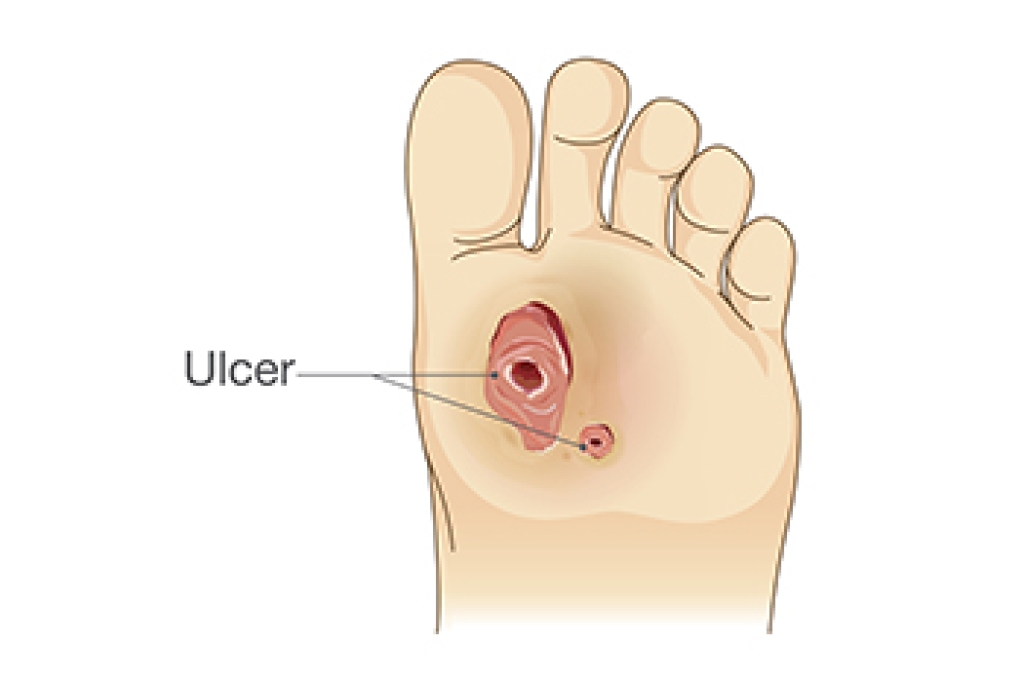
Diabetic foot ulcers are sores or wounds that can develop on the feet of people with diabetes, often due to poor circulation, nerve damage, and prolonged pressure. These ulcers commonly occur on the soles of the feet and can become severe if not treated promptly. Symptoms include pain, swelling, and sometimes a foul odor if the ulcer becomes infected. Treatment for diabetic foot ulcers focuses on wound care and managing diabetes effectively. This involves cleaning the wound regularly, using specialized dressings, and offloading pressure with customized footwear or orthotic devices. In some cases, antibiotics may be needed to treat or prevent infection. For a comprehensive evaluation and tailored treatment plan, it’s suggested you make an appointment with a podiatrist. Their expertise can significantly improve outcomes and prevent serious complications from foot ulcers.

Diabetic foot care is important in preventing foot ailments such as ulcers. If you are suffering from diabetes or have any other concerns about your feet, contact Howard Abramsohn, DPM from Ambulatory Foot and Ankle Associates, LLC. Our doctor can provide the care you need to keep you pain-free and on your feet.

Diabetic Foot Care

Diabetes affects millions of people every year. The condition can damage blood vessels in many parts of the body, especially the feet. Because of this, taking care of your feet is essential if you have diabetes, and having a podiatrist help monitor your foot health is highly recommended.

The Importance of Caring for Your Feet

  • Routinely inspect your feet for bruises or sores.
  • Wear socks that fit your feet comfortably.
  • Wear comfortable shoes that provide adequate support.

Patients with diabetes should have their doctor monitor their blood levels, as blood sugar levels play such a huge role in diabetic care. Monitoring these levels on a regular basis is highly advised.

It is always best to inform your healthcare professional of any concerns you may have regarding your feet, especially for diabetic patients. Early treatment and routine foot examinations are keys to maintaining proper health, especially because severe complications can arise if proper treatment is not applied.

If you have any questions, please feel free to contact our office located in Mt Laurel Township, NJ . We offer the newest diagnostic and treatment technologies for all your foot care needs.
Read more about Diabetic Foot Conditions

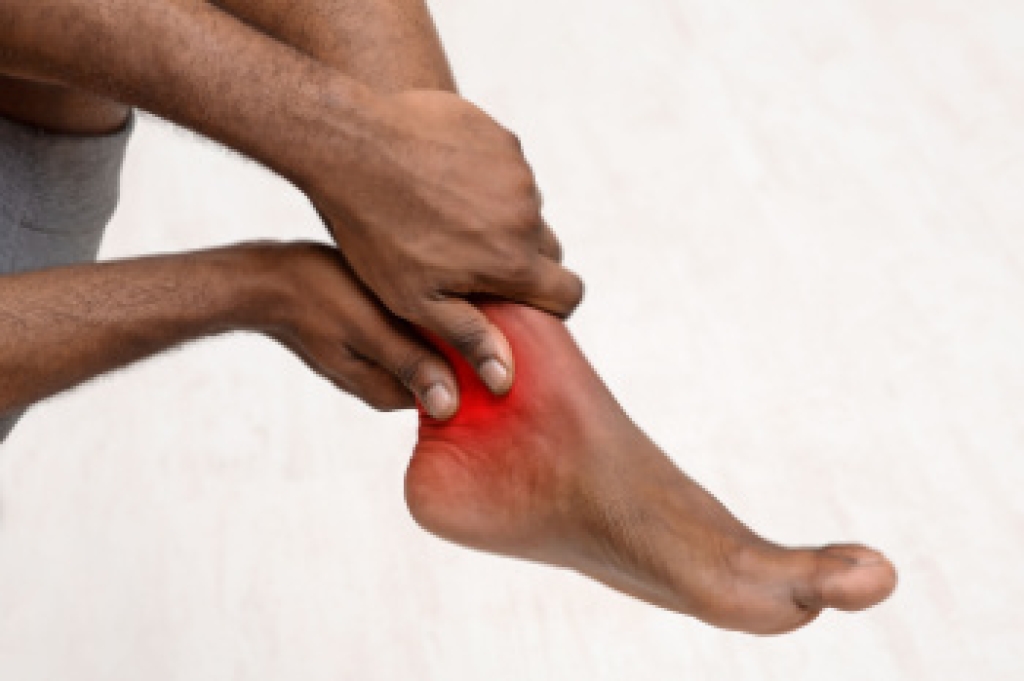
Heel Pain in the Morning?

Heel pain can negatively affect your day-to-day life. Simple activities like walking can become incredibly uncomfortable or painful due to heel pain.

Don’t live with heel pain and get treated.

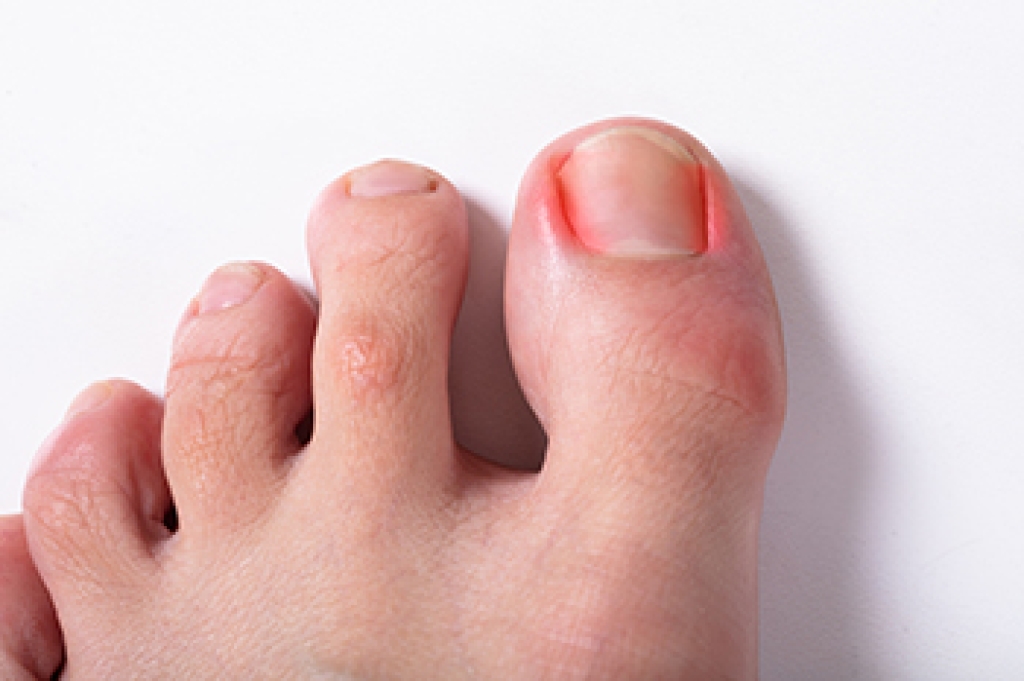
Ingrown Toenail Pain

Ingrown toenails occur when the edge of a toenail grows into the surrounding skin, leading to pain, redness or swelling, and sometimes infection. This condition is commonly caused by improper nail trimming, tight shoes, or toenail injuries. Initial treatment often includes soaking the foot in warm, soapy water to reduce inflammation and alleviate discomfort. Applying an over-the-counter antibiotic ointment and keeping the area clean can help manage infection. For more severe cases, a podiatrist might need to trim or remove part of the toenail and possibly prescribe medication to address infection or pain. To prevent future ingrown toenails, it’s important to cut toenails straight across and wear well-fitting shoes. Persistent or recurring ingrown toenails should be evaluated by a podiatrist. They can provide specialized care to relieve pain, treat infections, and offer advice on preventing future issues. If you have a problematic ingrown toenail, it is suggested you make an appointment with a podiatrist.

Ingrown toenails can become painful if they are not treated properly. For more information about ingrown toenails, contact Howard Abramsohn, DPM of Ambulatory Foot and Ankle Associates, LLC. Our doctor can provide the care you need to keep you pain-free and on your feet.

Ingrown Toenails

Ingrown toenails occur when a toenail grows sideways into the bed of the nail, causing pain, swelling, and possibly infection.

Causes

  • Bacterial infections
  • Improper nail cutting such as cutting it too short or not straight across
  • Trauma to the toe, such as stubbing, which causes the nail to grow back irregularly
  • Ill-fitting shoes that bunch the toes too close together
  • Genetic predisposition

Prevention

Wearing proper fitting shoes and using proper cutting techniques will also help decrease your risk of developing ingrown toenails.

Treatment

Ingrown toenails are a very treatable foot condition. In minor cases, soaking the affected area in salt or antibacterial soaps will not only help with the ingrown nail itself, but also help prevent any infections from occurring. In more severe cases, surgery is an option. In either case, speaking to your podiatrist about this condition will help you get a better understanding of specific treatment options that are right for you.

If you have any questions, please feel free to contact our office located in Mt Laurel Township, NJ . We offer the newest diagnostic and treatment technologies for all your foot care needs.

Read more about Ingrown Toenails

Common Causes of Nighttime Foot Pain

Experiencing foot pain at night can disrupt sleep and signal underlying issues. Plantar fasciitis often leads to sharp heel pain during the night, stemming from inflammation in the tissue connecting the heels to the toes. Morton’s neuroma, a condition involving a swollen nerve between the toes, can cause burning or tingling sensations that worsen when resting. Pregnancy may bring about foot pain due to increased weight and hormonal changes affecting ligaments. Fibromyalgia, a disorder the results in widespread musculoskeletal pain, can also cause foot discomfort. Additionally, diabetes can lead to neuropathy, resulting in pain, tingling, or numbness in the feet, which may be more noticeable at night. If you have foot pain any time during the day or night, it is suggested that you contact a podiatrist who can diagnose and treat foot conditions.

Foot Pain

Foot pain can be extremely painful and debilitating. If you have a foot pain, consult with Howard Abramsohn, DPM from Ambulatory Foot and Ankle Associates, LLC. Our doctor will assess your condition and provide you with quality foot and ankle treatment.

Causes

Foot pain is a very broad condition that could be caused by one or more ailments. The most common include:

  • Bunions
  • Hammertoes
  • Plantar Fasciitis
  • Bone Spurs
  • Corns
  • Tarsal Tunnel Syndrome
  • Ingrown Toenails
  • Arthritis (such as Gout, Rheumatoid, and Osteoarthritis)
  • Flat Feet
  • Injury (from stress fractures, broken toe, foot, ankle, Achilles tendon ruptures, and sprains)
  • And more

Diagnosis

To figure out the cause of foot pain, podiatrists utilize several different methods. This can range from simple visual inspections and sensation tests to X-rays and MRI scans. Prior medical history, family medical history, and any recent physical traumatic events will all be taken into consideration for a proper diagnosis.

Treatment

Treatment depends upon the cause of the foot pain. Whether it is resting, staying off the foot, or having surgery; podiatrists have a number of treatment options available for foot pain.

If you have any questions, please feel free to contact our office located in Mt Laurel Township, NJ . We offer the newest diagnostic and treatment technologies for all your foot care needs.

Read more about Foot Pain

Running Injuries

Runners face several risk factors for injuries, including overtraining, inadequate rest, and wearing improper footwear. Pushing beyond physical limits without sufficient recovery increases the likelihood of stress fractures, tendonitis, and muscle strains. Wearing worn-out or ill-fitting shoes can lead to issues like plantar fasciitis or shin splints. Biomechanical imbalances and muscle weaknesses also contribute to injury risk. Interestingly, foot strike technique, whether heel, midfoot, or forefoot, does not significantly impact the overall risk of running injuries. Instead, the focus should be on maintaining proper form, gradually increasing mileage, and incorporating strength training and flexibility exercises. If you are a runner and have persistent or severe injuries, it is suggested that you consult a podiatrist for a proper diagnosis and treatment.

Ankle and foot injuries are common among athletes and in many sports. They can be caused by several problems and may be potentially serious. If you are feeling pain or think you were injured in a sporting event or when exercising, consult with Howard Abramsohn, DPM from Ambulatory Foot and Ankle Associates, LLC. Our doctor will assess your condition and provide you with quality foot and ankle treatment.

Common Injuries

The most common injuries that occur in sporting activities include:

  • Achilles Tendonitis
  • Achilles Tendon Rupture
  • Ankle Sprains
  • Broken Foot
  • Plantar Fasciitis
  • Stress Fractures
  • Turf Toe

Symptoms

Symptoms vary depending upon the injury and in some cases, there may be no symptoms at all. However, in most cases, some form of symptom is experienced. Pain, aching, burning, bruising, tenderness, tightness or stiffness, sensation loss, difficulty moving, and swelling are the most common symptoms.

Treatment

Just as symptoms vary depending upon the injury, so do treatment options. A common treatment method is known as the RICE method. This method involves rest, applying ice, compression and elevating the afflicted foot or ankle. If the injury appears to be more serious, surgery might be required, such as arthroscopic or reconstructive surgery. Lastly, rehabilitation or therapy might be needed to gain full functionality in the afflicted area. Any discomfort experienced by an athlete must be evaluated by a licensed, reputable medical professional.  

If you have any questions please contact our office located in Mt Laurel Township, NJ . We offer the newest diagnostic and treatment technologies for all your foot and ankle needs.

Read more about Sports Related Foot and Ankle Injuries

Diabetic Foot Wounds

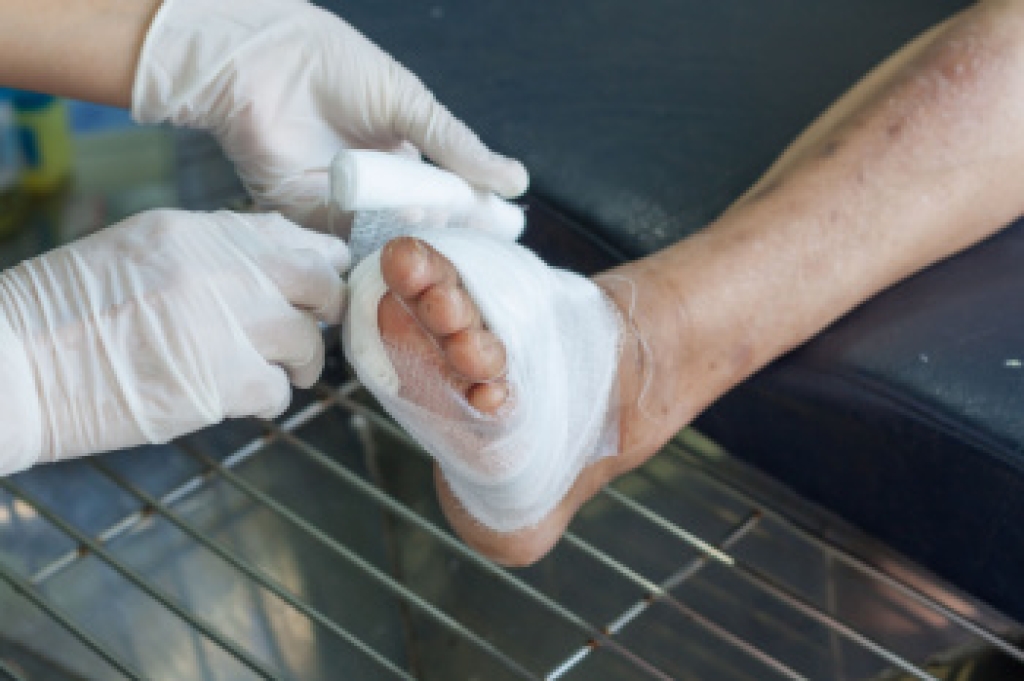
People with diabetes are at a much higher risk of developing foot wounds, which are slow to heal and can become problematic. This slow rate of healing might be due to a weakened immune system, which is common in diabetics. When a foot wound occurs, the immune cells needed for proper inflammation and healing may not function effectively, leading to poor recovery. If you have diabetes, it's important to prevent foot wounds and their complications. A good way to do this is to check your feet daily for any changes, such as cuts, scrapes, sores, or discoloration. If you notice a cut or sore that is taking a long time to heal, it’s suggested you make an appointment with a podiatrist for a diagnosis and treatment options.

Wound care is an important part in dealing with diabetes. If you have diabetes and a foot wound or would like more information about wound care for diabetics, consult with Howard Abramsohn, DPM from Ambulatory Foot and Ankle Associates, LLC. Our doctor will assess your condition and provide you with quality foot and ankle treatment.

What Is Wound Care?

Wound care is the practice of taking proper care of a wound. This can range from the smallest to the largest of wounds. While everyone can benefit from proper wound care, it is much more important for diabetics. Diabetics often suffer from poor blood circulation which causes wounds to heal much slower than they would in a non-diabetic. 

What Is the Importance of Wound Care?

While it may not seem apparent with small ulcers on the foot, for diabetics, any size ulcer can become infected. Diabetics often also suffer from neuropathy, or nerve loss. This means they might not even feel when they have an ulcer on their foot. If the wound becomes severely infected, amputation may be necessary. Therefore, it is of the upmost importance to properly care for any and all foot wounds.

How to Care for Wounds

The best way to care for foot wounds is to prevent them. For diabetics, this means daily inspections of the feet for any signs of abnormalities or ulcers. It is also recommended to see a podiatrist several times a year for a foot inspection. If you do have an ulcer, run the wound under water to clear dirt from the wound; then apply antibiotic ointment to the wound and cover with a bandage. Bandages should be changed daily and keeping pressure off the wound is smart. It is advised to see a podiatrist, who can keep an eye on it.

If you have any questions please contact our office located in Mt Laurel Township, NJ . We offer the newest diagnostic and treatment technologies for all your foot and ankle needs.

Read more about Wound Care

Keep Your Feet Healthy So You Can Stay Active

Have your feet inspected by a professional before starting a new sport or physical activity. Taking charge of your foot health will keep you in good physical condition and can help you avoid a potential injury, such as a fracture or sprained ankle.

Prevent injuries and see a foot specialist.

Juvenile Arthritis

Juvenile arthritis, also known as juvenile idiopathic arthritis or JIA, is a chronic inflammatory condition that affects children under the age of 16. This autoimmune disorder can impact various joints, including those in the feet, leading to pain, swelling, stiffness, and reduced mobility. Early signs in the feet may include limping, reluctance to walk, or swelling surrounding the ankles and toes. The inflammation associated with JIA can damage cartilage and bone, causing long-term joint issues if not managed properly. Children with JIA may experience difficulty participating in physical activities, impacting their overall quality of life. Treatment for juvenile arthritis in the feet includes a combination of medication to reduce inflammation and pain, exercises to maintain joint function and mobility, and custom orthotics to provide support and alleviate pressure on affected joints. If your child has JIA, it is strongly suggested that you include a podiatrist among the healthcare team for regular check-ups that are essential for monitoring this condition and adjusting treatment plans.

Arthritis can be a difficult condition to live with. If you are seeking treatment, contact Howard Abramsohn, DPM from Ambulatory Foot and Ankle Associates, LLC. Our doctor can provide the care you need to keep you pain-free and on your feet.

Arthritic Foot Care  

Arthritis is a joint disorder that involves the inflammation of different joints in your body, such as those in your feet. Arthritis is often caused by a degenerative joint disease and causes mild to severe pain in all affected areas. In addition to this, swelling and stiffness in the affected joints can also be a common symptom of arthritis.

In many cases, wearing ill-fitting shoes can worsen the effects and pain of arthritis. Wearing shoes that have a lower heel and extra room can help your feet feel more comfortable. In cases of rheumatoid arthritis, the arch in your foot may become problematic. Buying shoes with proper arch support that contour to your feet can help immensely.

Alleviating Arthritic Pain

  • Exercises that stretch the foot can prevent further pain and injury and increase mobility
  • Most of the pain can be alleviated with anti-inflammatory drugs, heat, and topical medications
  • Massages can help temporarily alleviate pain.

It is best to see your doctor for the treatment that is right for your needs and symptoms. Conditions vary, and a podiatrist can help you determine the right method of care for your feet.

If you have any questions please feel free to contact our office located in Mt Laurel Township, NJ . We offer the newest diagnostic tools and technology to treat your foot and ankle needs.

Read more about Arthritic Foot Care

Symptoms and Risk Factors for Toenail Fungus

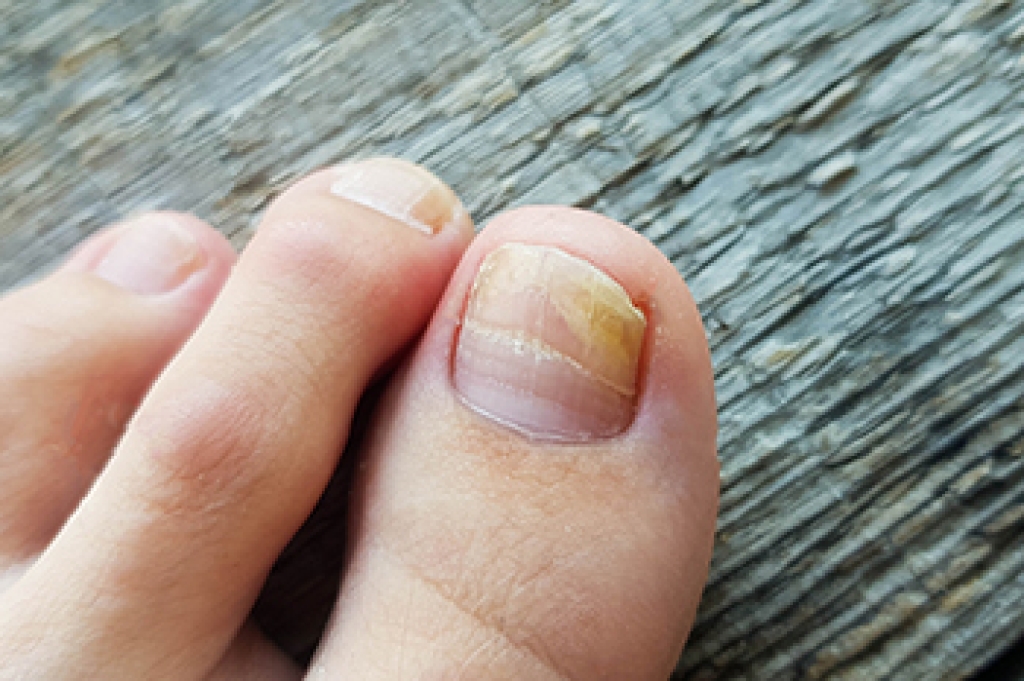
Toenail fungus, also known as onychomycosis, is a fungal infection affecting the toenails. It typically begins as a white or yellow spot under the tip of the nail and can spread deeper into the nail over time, causing discoloration, thickening, and crumbling of the nail edges. Risk factors for toenail fungus include frequent exposure to warm and moist environments such as public showers, wearing tight-fitting shoes, and having a weakened immune system. Symptoms may include a foul odor from the infected nail, pain or discomfort, and difficulty trimming the nail due to its thickness. If left untreated, toenail fungus can lead to permanent damage to the nail bed and spread to other nails or skin. The chances of recovery increase when treated early. If you have toenail fungus, it is suggested that you contact a podiatrist where you can receive expert treatment for this condition.

For more information about treatment, contact Howard Abramsohn, DPM of Ambulatory Foot and Ankle Associates, LLC. Our doctor can provide the care you need to keep you pain-free and on your feet.

Toenail Fungus Treatment

Toenail fungus is a condition that affects many people and can be especially hard to get rid of. Fortunately, there are several methods to go about treating and avoiding it.

Antifungals & Deterrence

Oral antifungal medicine has been shown to be effective in many cases. It is important to consult with a podiatrist to determine the proper regiment for you, or potentially explore other options.

Applying foot powder on the feet and shoes helps keep the feet free of moisture and sweat.

Sandals or open toed shoes – Wearing these will allow air movement and help keep feet dry. They also expose your feet to light, which fungus cannot tolerate. Socks with moisture wicking material also help as well.

If you have any questions please contact our office located in Mt Laurel Township, NJ . We offer the newest diagnostic and treatment technologies for all your foot and ankle needs.

Read more about Toenail Fungus

Connect With Us