We are now hiring! If interested, please call us at (856) 234-5180.

Essential Care Tips for a Diabetic Foot Wound

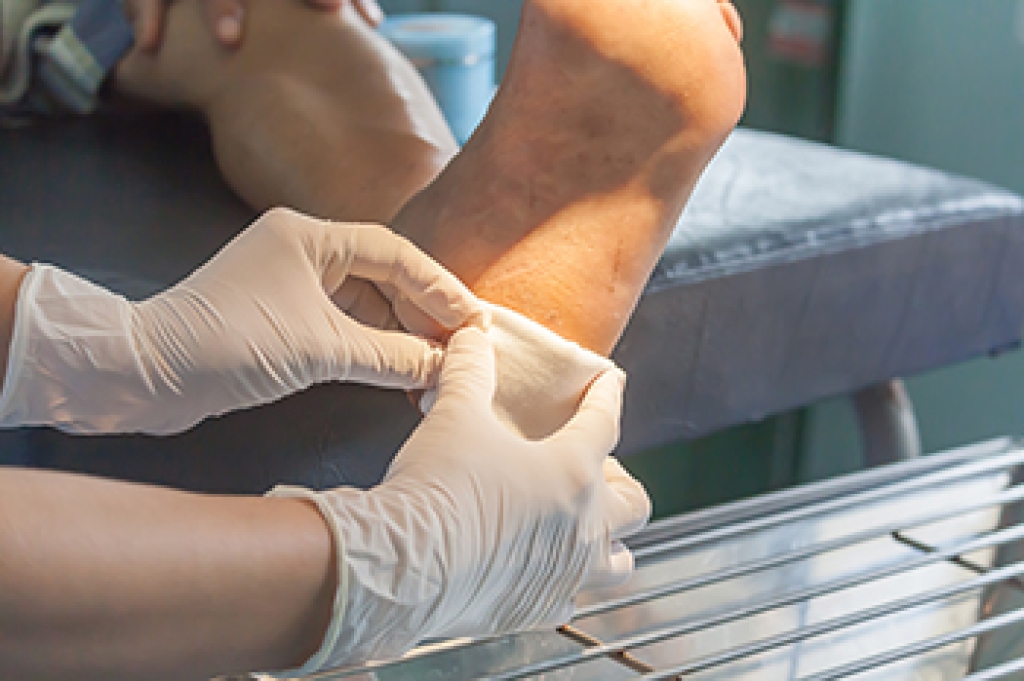
Caring for a diabetic foot wound demands meticulous attention and specialized techniques to promote healing and prevent complications. Begin by gently cleansing the wound with mild soap and lukewarm water, ensuring thorough yet gentle removal of any debris or bacteria. Pat the area dry with a clean towel, taking care not to rub or irritate the skin. Apply a prescribed antibiotic ointment or cream to safeguard against infection, and cover the wound with a sterile dressing or bandage to maintain cleanliness and moisture balance. Monitor the wound closely for any signs of infection, such as increased redness, swelling, warmth, or drainage, and promptly seek medical attention from a podiatrist if such symptoms arise. Refrain from applying adhesive bandages directly to the wound, as they may cause further trauma or hinder healing. It is important to prioritize weight-bearing off the affected foot to alleviate pressure and promote optimal recovery. If you have diabetes, it is strongly suggested that you are under the care of a podiatrist who can properly treat diabetic foot wounds.

Wound care is an important part in dealing with diabetes. If you have diabetes and a foot wound or would like more information about wound care for diabetics, consult with Howard Abramsohn, DPM from Ambulatory Foot and Ankle Associates, LLC. Our doctor will assess your condition and provide you with quality foot and ankle treatment.

What Is Wound Care?

Wound care is the practice of taking proper care of a wound. This can range from the smallest to the largest of wounds. While everyone can benefit from proper wound care, it is much more important for diabetics. Diabetics often suffer from poor blood circulation which causes wounds to heal much slower than they would in a non-diabetic. 

What Is the Importance of Wound Care?

While it may not seem apparent with small ulcers on the foot, for diabetics, any size ulcer can become infected. Diabetics often also suffer from neuropathy, or nerve loss. This means they might not even feel when they have an ulcer on their foot. If the wound becomes severely infected, amputation may be necessary. Therefore, it is of the upmost importance to properly care for any and all foot wounds.

How to Care for Wounds

The best way to care for foot wounds is to prevent them. For diabetics, this means daily inspections of the feet for any signs of abnormalities or ulcers. It is also recommended to see a podiatrist several times a year for a foot inspection. If you do have an ulcer, run the wound under water to clear dirt from the wound; then apply antibiotic ointment to the wound and cover with a bandage. Bandages should be changed daily and keeping pressure off the wound is smart. It is advised to see a podiatrist, who can keep an eye on it.

If you have any questions please contact our office located in Mt Laurel Township, NJ . We offer the newest diagnostic and treatment technologies for all your foot and ankle needs.
Read more about Wound Care

Recognizing Symptoms From Sesamoiditis

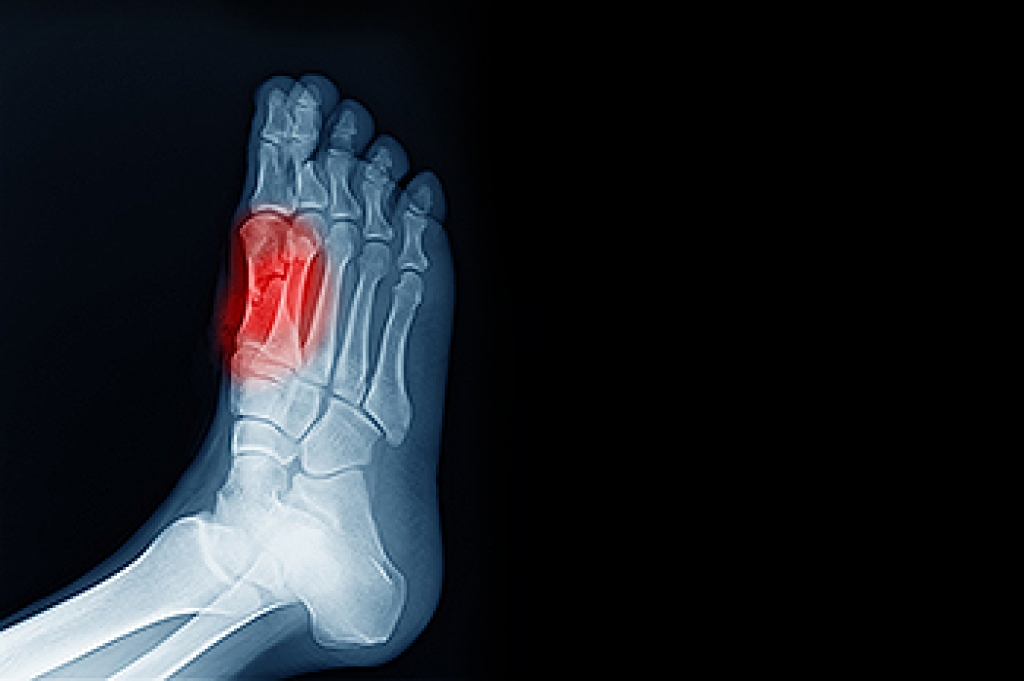
Sesamoiditis, a condition affecting the sesamoid bones beneath the big toe joint, manifests through various symptoms that can significantly impact mobility and comfort. Common indicators of sesamoiditis include pain and tenderness in the ball of the foot, particularly beneath the big toe. Individuals may experience discomfort when bearing weight on the affected foot, especially during activities such as walking, running, or squatting. Swelling and inflammation around the sesamoid bones are also prevalent symptoms of this condition, contributing to heightened discomfort and limited mobility. In some cases, individuals may notice difficulty bending or straightening the big toe due to the pain and stiffness associated with sesamoiditis. The symptoms of sesamoiditis can vary in intensity, ranging from mild discomfort to severe pain that interferes with daily activities. If you have difficulty walking, it is suggested that you visit a podiatrist who can diagnose and treat sesamoiditis.

Sesamoiditis is an unpleasant foot condition characterized by pain in the balls of the feet. If you think you’re struggling with sesamoiditis, contact Howard Abramsohn, DPM of Ambulatory Foot and Ankle Associates, LLC. Our doctor will treat your condition thoroughly and effectively.

Sesamoiditis

Sesamoiditis is a condition of the foot that affects the ball of the foot. It is more common in younger people than it is in older people. It can also occur with people who have begun a new exercise program, since their bodies are adjusting to the new physical regimen. Pain may also be caused by the inflammation of tendons surrounding the bones. It is important to seek treatment in its early stages because if you ignore the pain, this condition can lead to more serious problems such as severe irritation and bone fractures.

Causes of Sesamoiditis

  • Sudden increase in activity
  • Increase in physically strenuous movement without a proper warm up or build up
  • Foot structure: those who have smaller, bonier feet or those with a high arch may be more susceptible

Treatment for sesamoiditis is non-invasive and simple. Doctors may recommend a strict rest period where the patient forgoes most physical activity. This will help give the patient time to heal their feet through limited activity. For serious cases, it is best to speak with your doctor to determine a treatment option that will help your specific needs.

If you have any questions, please feel free to contact our office located in Mt Laurel Township, NJ . We offer the newest diagnostic and treatment technologies for all your foot care needs.

Read more about Sesamoiditis

Insights into Children's Foot Development

During infancy, a child's feet are pliable and mostly made of cartilage, gradually ossifying into bones over time. Until the age of six, children's feet are still forming, with the arches gradually developing. It is normal for children to have flat feet during this period, as the arches develop and muscles strengthen. Additionally, children's feet grow rapidly, often requiring new shoes every few months during growth spurts. As they become more active, ensuring proper footwear fit is essential to support their growing feet and prevent discomfort or injury. Children's feet may appear pigeon-toed or have other gait abnormalities as they learn to walk and run. Most of these issues resolve on their own as they develop coordination and muscle strength. Regular monitoring of children's foot health and providing adequate support through appropriate footwear can contribute to their overall well-being and comfort. If you have questions or concerns about your child’s feet, it is suggested that you contact a podiatrist who can provide you with the information you are seeking.

The health of a child’s feet is vital to their overall well-being. If you have any questions regarding foot health, contact Howard Abramsohn, DPM of Ambulatory Foot and Ankle Associates, LLC. Our doctor can provide the care you need to keep you pain-free and on your feet.

Tips for Keeping Children's Feet Healthy

  • Make sure their shoes fit properly
  • Look for any signs of in-toeing or out-toeing
  • Check to see if they have Clubfoot (condition that affects your child’s foot and ankle, twisting the heel and toes inward) which is one of the most common nonmajor birth defects.
  • Lightly cover your baby’s feet (Tight covers may keep your baby from moving their feet freely, and could prevent normal development)
  • Allow your toddler to go shoeless (Shoes can be restricting for a young child’s foot)
  • Cut toenails straight across to avoid ingrown toenails
  • Keep your child’s foot clean and dry
  • Cover cuts and scrapes. Wash any scratches with soap and water and cover them with a bandage until they’ve healed.

If you have any questions, please feel free to contact our office located in Mt Laurel Township, NJ . We offer the newest diagnostic and treatment technologies for all your foot care needs.

Read more about How to Care for Your Child's Feet

Effective Exercises for Arch Pain Relief

Arch pain can be a discomforting ailment that affects many individuals, particularly those who spend long hours on their feet or engage in high-impact activities. Fortunately, several exercises can help alleviate arch pain and promote foot health. One beneficial exercise is the towel scrunch, where you place a towel on the floor and use your toes to scrunch it toward you, strengthening the muscles in the arch of your foot. Another effective exercise is the toe spread, which is done by spreading your toes as far apart as possible and holding them for a few seconds before releasing them. This is helpful to stretch and strengthen the muscles in the foot. Additionally, performing calf stretches can help alleviate tension in the Achilles tendon, which can contribute to arch pain. Finally, incorporating exercises that focus on improving overall foot and ankle strength and flexibility, such as ankle circles and calf raises, can provide further relief. If you have pain in the arch of your foot, it is suggested that you consult a podiatrist who can guide you toward additional specific stretches for relief.

Exercising your feet regularly with the proper foot wear is a great way to prevent injuries and build strength. If you have any concerns about your feet, contact Howard Abramsohn, DPM from Ambulatory Foot and Ankle Associates, LLC. Our doctor can provide the care you need to keep you pain-free and on your feet.

Exercise for Your Feet

Exercise for your feet can help you gain strength, mobility and flexibility in your feet. They say that strengthening your feet can be just as rewarding as strengthening another part of the body. Your feet are very important, and we often forget about them in our daily tasks. But it is because of our feet that are we able to get going and do what we need to. For those of us fortunate enough to not have any foot problems, it is an important gesture to take care of them to ensure good health in the long run.

Some foot health exercises can include ankle pumps, tip-toeing, toe rises, lifting off the floor doing reps and sets, and flexing the toes. It is best to speak with Our doctor to determine an appropriate regimen for your needs. Everyone’s needs and bodies are different, and the activities required to maintain strength in the feet vary from individual to individual. 

Once you get into a routine of doing regular exercise, you may notice a difference in your feet and how strong they may become.

If you have any questions, please feel free to contact our office located in Mt Laurel Township, NJ . We offer the newest diagnostic and treatment technologies for all your foot care needs.

Read more about Exercise for Your Feet

Do Your Child's Feet Hurt?

Have your child's feet been examined lately? Healthy feet are happy feet. If your child is complaining of foot pain, it may be a sign of underlying problems.

Connect With Us