We are now hiring! If interested, please call us at (856) 234-5180.

Definition and First Signs of Gout

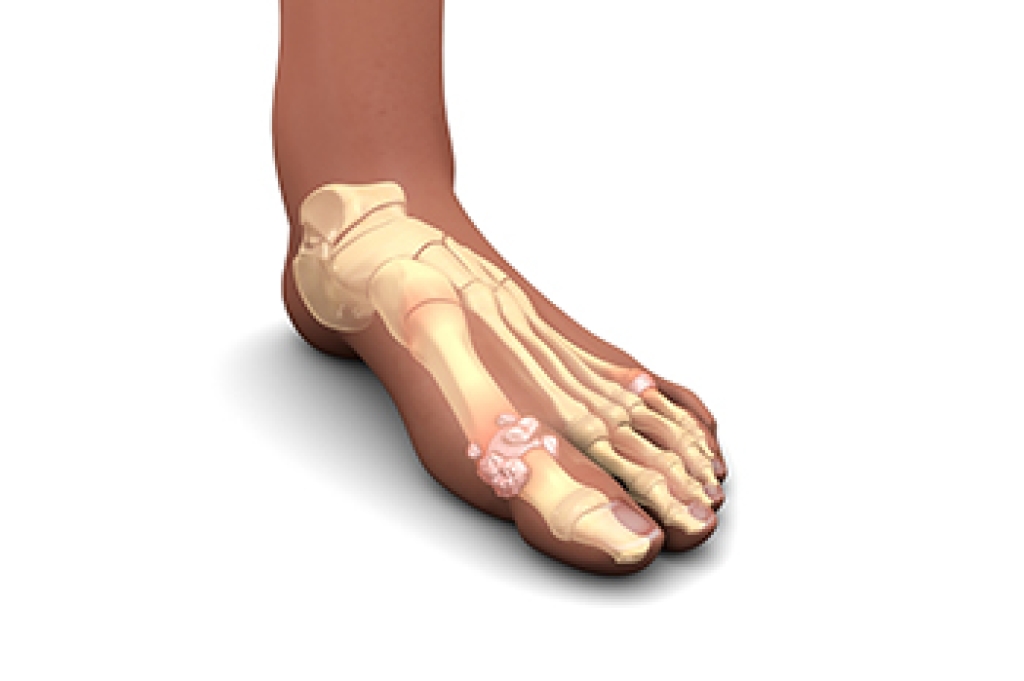
Gout is a form of inflammatory arthritis caused by the buildup of uric acid crystals in the joints. This buildup results from either overproduction of uric acid or the body’s inability to eliminate it properly. The condition often affects the big toe joint but can occur in other joints such as the ankles, knees, and wrists. The first sign of gout is usually sudden, intense pain in the affected joint, often starting at night. The joint may appear red, swollen, warm, and extremely tender to the touch. Even the light pressure from a bedsheet can be painful. Repeated gout attacks may lead to chronic joint damage if left untreated. If you have symptoms of gout, it is strongly suggested that you are under the care of a podiatrist who can help you to manage this painful condition.

Gout is a painful condition that can be treated. If you are seeking treatment, contact Howard Abramsohn, DPM from Ambulatory Foot and Ankle Associates, LLC. Our doctor will treat your foot and ankle needs.

What Is Gout?

Gout is a form of arthritis that is characterized by sudden, severe attacks of pain, redness, and tenderness in the joints. The condition usually affects the joint at the base of the big toe. A gout attack can occur at any random time, such as the middle of the night while you are asleep.

Symptoms

  • Intense Joint Pain - Usually around the large joint of your big toe, and it most severe within the first four to twelve hours
  • Lingering Discomfort - Joint discomfort may last from a few days to a few weeks
  • Inflammation and Redness -Affected joints may become swollen, tender, warm and red
  • Limited Range of Motion - May experience a decrease in joint mobility

Risk Factors

  • Genetics - If family members have gout, you’re more likely to have it
  • Medications - Diuretic medications can raise uric acid levels
  • Gender/Age - Gout is more common in men until the age of 60. It is believed that estrogen protects women until that point
  • Diet - Eating red meat and shellfish increases your risk
  • Alcohol - Having more than two alcoholic drinks per day increases your risk
  • Obesity - Obese people are at a higher risk for gout

Prior to visiting your podiatrist to receive treatment for gout, there are a few things you should do beforehand. If you have gout you should write down your symptoms--including when they started and how often you experience them, important medical information you may have, and any questions you may have. Writing down these three things will help your podiatrist in assessing your specific situation so that he or she may provide the best route of treatment for you.

If you have any questions, please feel free to contact our office located in Mt Laurel Township, NJ . We offer the newest diagnostic and treatment technologies for all your foot care needs.
Read more about Gout

Morton’s Neuroma Facts

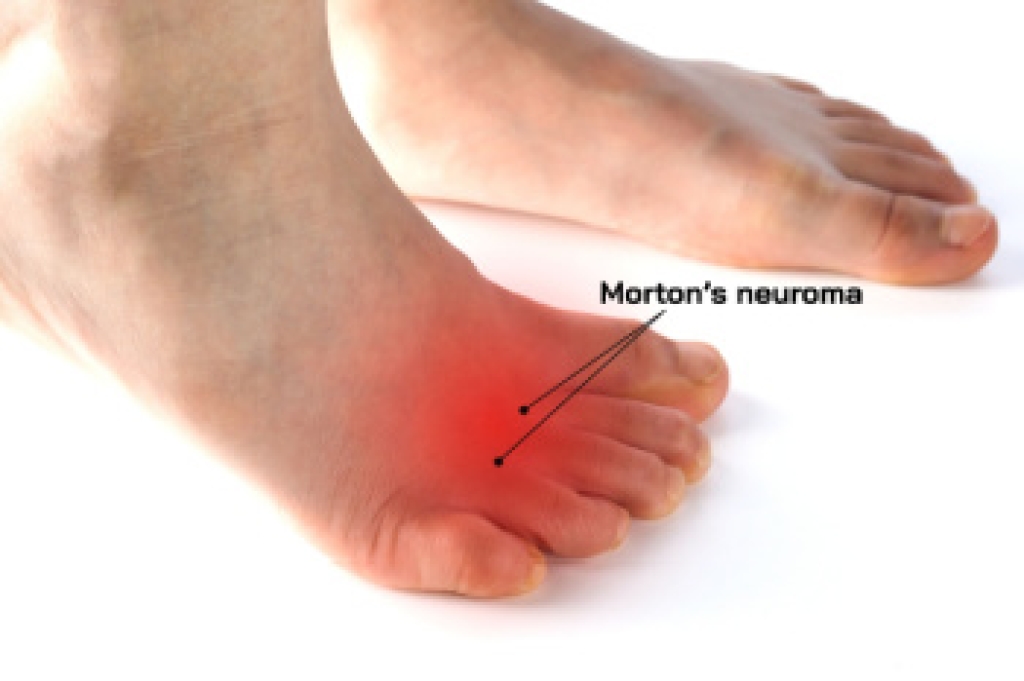
Morton's neuroma is a painful condition involving the thickening of tissue surrounding one of the nerves leading to the toes, most commonly between the third and fourth toes. This irritation causes nerve compression, often resulting in a sharp, burning pain in the ball of the foot, as well as numbness or tingling in the toes. The condition can be triggered by repetitive stress, improper footwear, or foot deformities like flat feet or high arches. Wearing tight shoes or high heels can place added pressure on the forefoot, increasing the risk of developing this condition. Athletes who engage in high-impact sports may also be more vulnerable. If you have pain in this part of your foot, it is suggested that you promptly contact a podiatrist who can provide an accurate diagnosis and treatment.

Morton’s neuroma is a very uncomfortable condition to live with. If you think you have Morton’s neuroma, contact Howard Abramsohn, DPM of Ambulatory Foot and Ankle Associates, LLC. Our doctor will attend to all of your foot care needs and answer any of your related questions.  

Morton’s Neuroma

Morton's neuroma is a painful foot condition that commonly affects the areas between the second and third or third and fourth toe, although other areas of the foot are also susceptible. Morton’s neuroma is caused by an inflamed nerve in the foot that is being squeezed and aggravated by surrounding bones.

What Increases the Chances of Having Morton’s Neuroma?

  • Ill-fitting high heels or shoes that add pressure to the toe or foot
  • Jogging, running or any sport that involves constant impact to the foot
  • Flat feet, bunions, and any other foot deformities

Morton’s neuroma is a very treatable condition. Orthotics and shoe inserts can often be used to alleviate the pain on the forefront of the feet. In more severe cases, corticosteroids can also be prescribed. In order to figure out the best treatment for your neuroma, it’s recommended to seek the care of a podiatrist who can diagnose your condition and provide different treatment options.

If you have any questions, please feel free to contact our office located in Mt Laurel Township, NJ . We offer the newest diagnostic and treatment technologies for all your foot care needs.

Read more about Morton's Neuroma

Managing a Ruptured Achilles Tendon

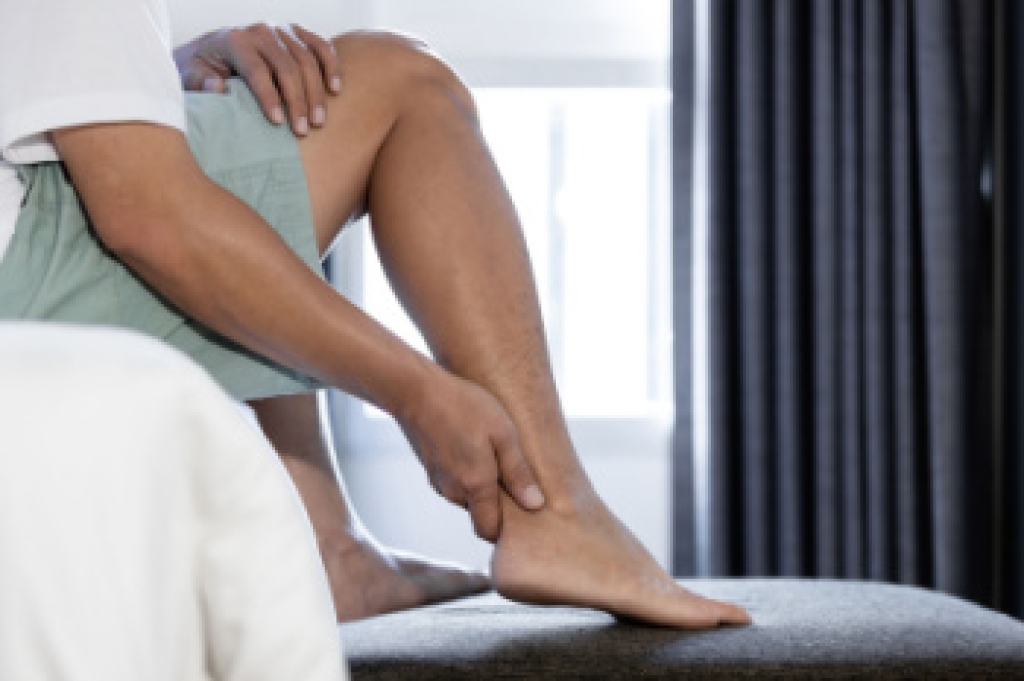
A ruptured, or torn Achilles tendon is a serious injury that can significantly affect movement of the foot and ankle. The Achilles tendon connects the calf muscles to the heel bone, which make walking, running, jumping, and standing on the toes possible. Achilles tendon ruptures often occur during sports that require sudden changes in direction or explosive leg movements, such as basketball, tennis, or soccer. A complete rupture typically causes a sharp pain in the back of the ankle, sometimes with a popping sound. This is followed by difficulty pointing the toes downward or bearing weight. A podiatrist can evaluate the injury through a physical exam and imaging tests to determine the extent of the tear. Surgery is often recommended for a full rupture to reattach the torn tendon, especially in younger or more active patients. After surgery, a podiatrist may use a cast or boot to immobilize the foot during healing. Prompt treatment is important to reduce the risk of long-term weakness or re-injury. If you have torn or injured your Achilles tendon, it is suggested that you schedule an appointment with a podiatrist for appropriate treatment.

Achilles tendon injuries need immediate attention to avoid future complications. If you have any concerns, contact Howard Abramsohn, DPM of Ambulatory Foot and Ankle Associates, LLC. Our doctor can provide the care you need to keep you pain-free and on your feet.

What Is the Achilles Tendon?

The Achilles tendon is a tendon that connects the lower leg muscles and calf to the heel of the foot. It is the strongest tendon in the human body and is essential for making movement possible. Because this tendon is such an integral part of the body, any injuries to it can create immense difficulties and should immediately be presented to a doctor.

What Are the Symptoms of an Achilles Tendon Injury?

There are various types of injuries that can affect the Achilles tendon. The two most common injuries are Achilles tendinitis and ruptures of the tendon.

Achilles Tendinitis Symptoms

  • Inflammation
  • Dull to severe pain
  • Increased blood flow to the tendon
  • Thickening of the tendon

Rupture Symptoms

  • Extreme pain and swelling in the foot
  • Total immobility

Treatment and Prevention

Achilles tendon injuries are diagnosed by a thorough physical evaluation, which can include an MRI. Treatment involves rest, physical therapy, and in some cases, surgery. However, various preventative measures can be taken to avoid these injuries, such as:

  • Thorough stretching of the tendon before and after exercise
  • Strengthening exercises like calf raises, squats, leg curls, leg extensions, leg raises, lunges, and leg presses

If you have any questions please feel free to contact our office located in Mt Laurel Township, NJ . We offer the newest diagnostic tools and technology to treat your foot and ankle needs.

Read more about Achilles Tendon Injuries

The Importance of Wearing Good Footwear During Pregnancy

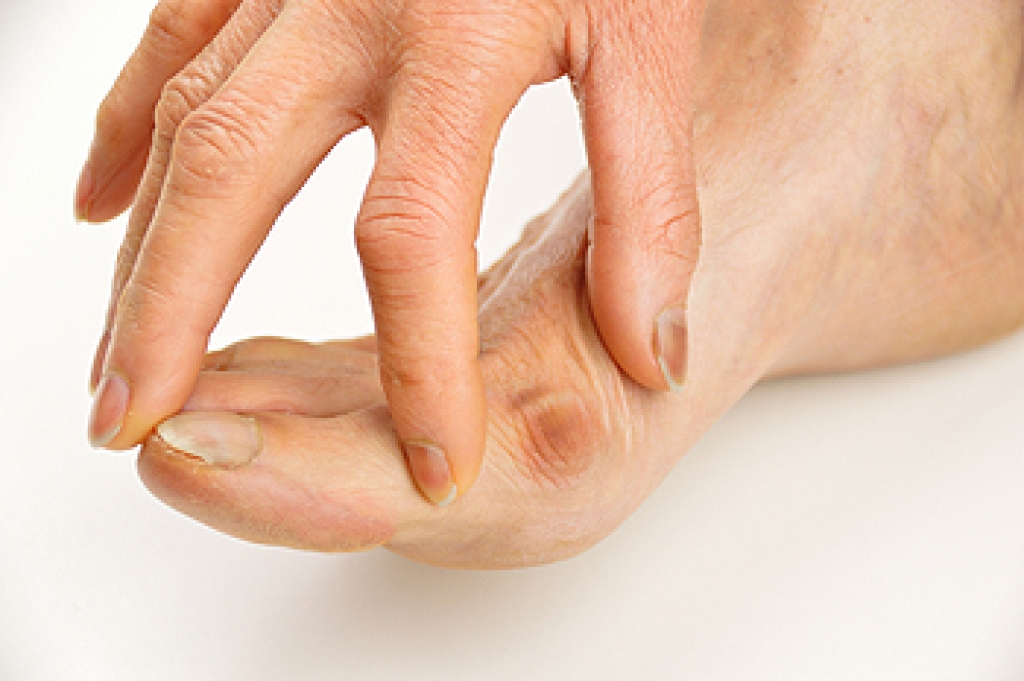
Pregnancy brings many physical changes, and the feet are no exception. As the body adapts to support added weight and shifting posture, the arches may flatten, and swelling can increase. These changes can lead to foot pain, instability, and discomfort with everyday activities. Wearing supportive and properly fitting shoes during pregnancy is essential for maintaining balance and preventing strain on the feet, ankles, and lower back. Footwear with good arch support, cushioning, and a wide toe box can help accommodate changes in foot size and shape. Choosing the right shoes can also reduce the risk of falls and improve overall mobility. If you are pregnant and are experiencing foot pain, it is suggested that you visit a podiatrist who can guide you toward selecting supportive shoes that are right for you.

Pregnant women with swollen feet can be treated with a variety of different methods that are readily available. For more information about other cures for swollen feet during pregnancy, consult with Howard Abramsohn, DPM from Ambulatory Foot and Ankle Associates, LLC. Our doctor will attend to all of your foot and ankle needs.

What Foot Problems Can Arise During Pregnancy?

One problem that can occur is overpronation, which occurs when the arch of the foot flattens and tends to roll inward.  This can cause pain and discomfort in your heels while you’re walking or even just standing up, trying to support your baby.  

Another problem is edema, or swelling in the extremities. This often affects the feet during pregnancy but tends to occur in the later stages. 

How Can I Keep My Feet Healthy During Pregnancy?

  • Wearing orthotics can provide extra support for the feet and help distribute weight evenly
  • Minimize the amount of time spent walking barefoot
  • Wear shoes with good arch support
  • Wear shoes that allow for good circulation to the feet
  • Elevate feet if you experience swelling
  • Massage your feet
  • Get regular, light exercise, such as walking, to promote blood circulation to the feet

If you have any questions, please feel free to contact our office located in Mt Laurel Township, NJ . We offer the newest diagnostic and treatment technologies for all your foot care needs.
Read more about Pregnancy and Foot Health

Causes of Bunions

Bunions are often caused by genetics, abnormal foot structure, or arthritis, leading to the gradual misalignment of the big toe. People with a family history of bunions are more likely to develop them, as genetic factors can influence foot shape. Abnormal foot mechanics, such as flat feet or an imbalance in the way you walk, can put excessive pressure on the toe joint, contributing to bunion formation. Arthritis, particularly osteoarthritis, can also cause joint inflammation, leading to the development of bunions. Symptoms of bunions include pain, swelling, and redness at the base of the big toe. As the tip of the toe angles toward the second toe, it can be difficult to wear shoes and walk comfortably. In severe cases, the condition can cause stiffness or even hammertoe. A podiatrist can diagnose the condition and provide treatment options, including custom orthotics, anti-inflammatory medication, or surgery, if needed. If you have a painful bunion, it is suggested that you schedule an appointment with a podiatrist.

If you are suffering from bunion pain, contact Howard Abramsohn, DPM of Ambulatory Foot and Ankle Associates, LLC. Our doctor can provide the care you need to keep you pain-free and on your feet.

What Is a Bunion?

Bunions are painful bony bumps that usually develop on the inside of the foot at the joint of the big toe. As the deformity increases over time, it may become painful to walk and wear shoes. Women are more likely to exacerbate existing bunions since they often wear tight, narrow shoes that shift their toes together. Bunion pain can be relieved by wearing wider shoes with enough room for the toes.

Causes

  • Genetics – some people inherit feet that are more prone to bunion development
  • Inflammatory Conditions - rheumatoid arthritis and polio may cause bunion development

Symptoms

  • Redness and inflammation
  • Pain and tenderness
  • Callus or corns on the bump
  • Restricted motion in the big toe

In order to diagnose your bunion, your podiatrist may ask about your medical history, symptoms, and general health. Your doctor might also order an x-ray to take a closer look at your feet. Nonsurgical treatment options include orthotics, padding, icing, changes in footwear, and medication. If nonsurgical treatments don’t alleviate your bunion pain, surgery may be necessary.

If you have any questions, please feel free to contact our office located in Mt Laurel Township, NJ . We offer the newest diagnostic and treatment technologies for all your foot care needs.

Read more about What Are Bunions?

Connect With Us