
If left untreated, an ingrown toenail can lead to more serious concerns, such as an infection. Knowing proper nail care can help in the prevention of an ingrown toenail. Give us a call, and get treated!
If left untreated, an ingrown toenail can lead to more serious concerns, such as an infection. Knowing proper nail care can help in the prevention of an ingrown toenail. Give us a call, and get treated!
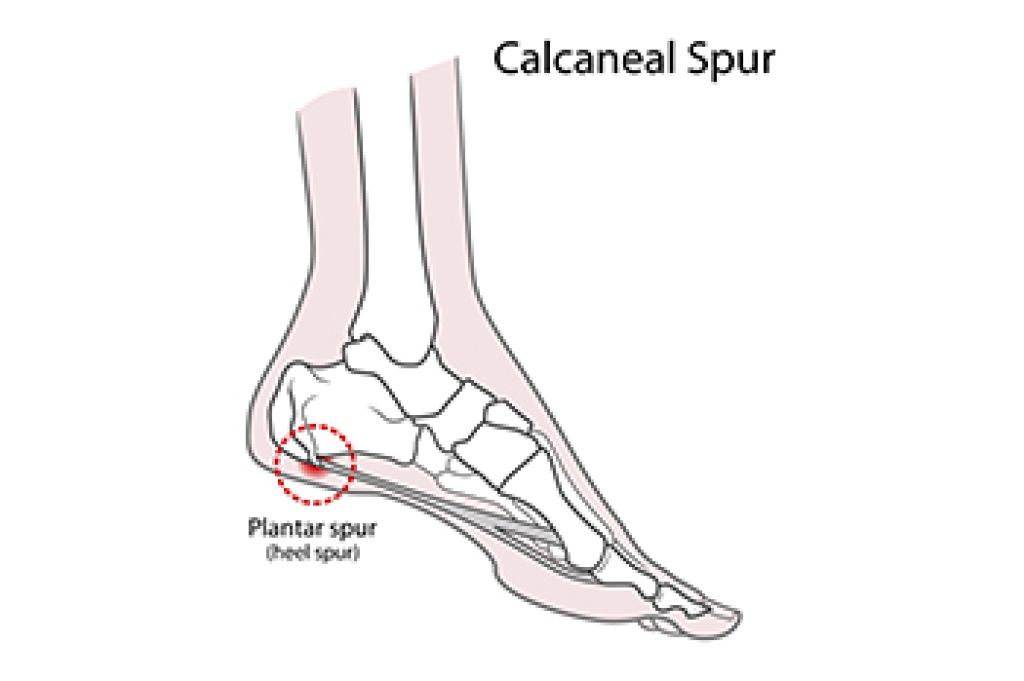
Heel spurs, bony outgrowths at the bottom of the heel bone, can be a source of persistent foot discomfort. Formed due to calcium deposits, heel spurs often accompany conditions like plantar fasciitis. The pain associated with heel spurs typically arises during weight-bearing activities, especially after rest periods. While rest and proper footwear are important components of managing heel spurs, specific exercises can provide relief. Stretching exercises, such as calf stretches and towel curls, may help to alleviate tension in the Achilles tendon and plantar fascia. Rolling a frozen water bottle under the foot can reduce inflammation. Strengthening exercises, like toe-tapping and marble pickups, enhance foot and ankle muscles, promoting better support. A podiatrist treats heel spurs. If you have developed this condition, it is suggested that you visit this type of doctor who can help you with appropriate treatment and guide you toward additional stretches.
Heel spurs can be incredibly painful and sometimes may make you unable to participate in physical activities. To get medical care for your heel spurs, contact Howard Abramsohn, DPM from Ambulatory Foot and Ankle Associates, LLC. Our doctor will do everything possible to treat your condition.
Heels Spurs
Heel spurs are formed by calcium deposits on the back of the foot where the heel is. This can also be caused by small fragments of bone breaking off one section of the foot, attaching onto the back of the foot. Heel spurs can also be bone growth on the back of the foot and may grow in the direction of the arch of the foot.
Older individuals usually suffer from heel spurs and pain sometimes intensifies with age. One of the main condition's spurs are related to is plantar fasciitis.
Pain
The pain associated with spurs is often because of weight placed on the feet. When someone is walking, their entire weight is concentrated on the feet. Bone spurs then have the tendency to affect other bones and tissues around the foot. As the pain continues, the feet will become tender and sensitive over time.
Treatments
There are many ways to treat heel spurs. If one is suffering from heel spurs in conjunction with pain, there are several methods for healing. Medication, surgery, and herbal care are some options.
If you have any questions, please feel free to contact our office located in Mt Laurel Township, NJ . We offer the newest diagnostic and treatment technologies for all your foot care needs.
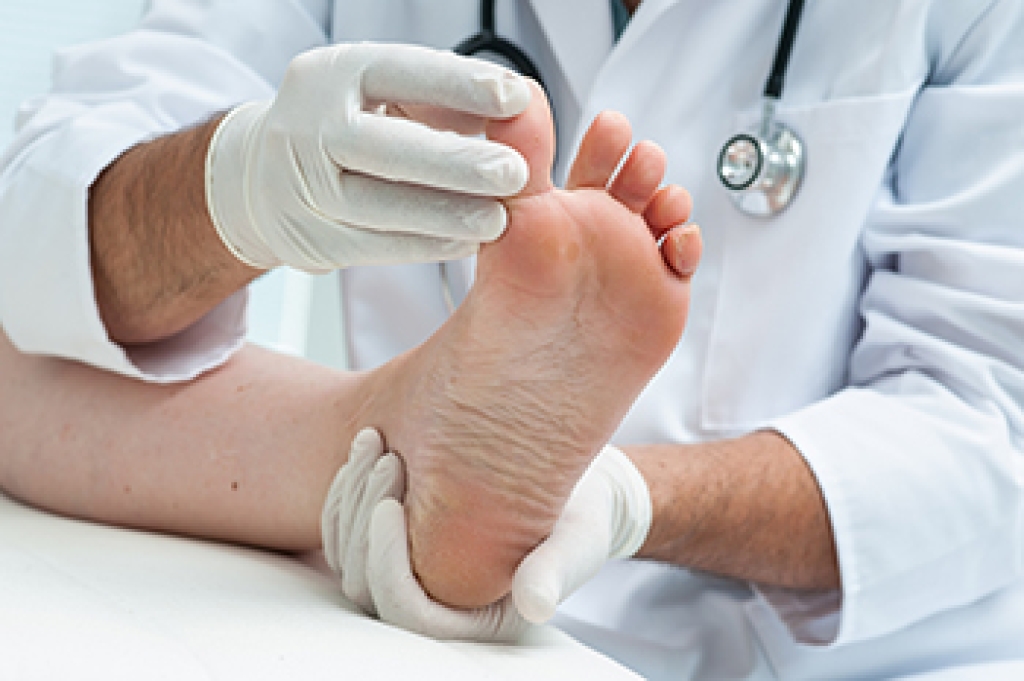
A sports podiatrist is a healthcare specialist focused on treating and preventing foot and lower limb issues in athletes and other active individuals. They have a deep understanding of how the feet and legs function during physical activities and the specific stresses different sports place on these body parts. The role of a sports podiatrist is vital in enhancing athletic performance and preventing injuries. Sports podiatrists conduct thorough assessments, including gait analysis and biomechanical evaluations, to understand an athlete's foot structure and movement patterns. They offer expert advice on appropriate footwear and can design custom orthotic devices to correct biomechanical imbalances, enhance performance, or prevent injuries. They also treat a range of sports-related foot and ankle problems, ranging from overuse injuries to acute traumas. While all podiatrists can treat sports injuries to some degree, a sports podiatrist offers a more focused expertise in managing and preventing injuries specifically in athletes and those engaged in regular physical activities. If you are an athlete and are experiencing foot or ankle problems, it is suggested that you schedule an appointment with a podiatrist who has experience with sports injuries for an evaluation.
If you are dealing with pain in your feet and ankles, you may want to seek help from a podiatrist. Feel free to contact Howard Abramsohn, DPM from Ambulatory Foot and Ankle Associates, LLC. Our doctor can provide the care you need to keep you pain-free and on your feet.
What Is a Podiatrist?
A podiatrist is a doctor of podiatric medicine who diagnoses and treats conditions of the foot, ankle, and related structures of the leg. Your podiatrist may specialize in a certain field such as sports medicine, wound care, pediatrics, and diabetic care. Podiatrists have the ability to become board certified through training, clinical experience, and then taking an exam.
What Do Podiatrists Do?
On a daily basis, a podiatrist may perform the following activities:
It is very important that you take care of your feet. It’s easy to take having healthy feet for granted, however foot problems tend to be among the most common health conditions. Podiatrists can help diagnose and treat a variety of feet related conditions, so it is crucial that you visit one if you need assistance.
If you have any questions, please feel free to contact our office located in Mt Laurel Township, NJ . We offer the newest diagnostic and treatment technologies for all your foot care needs.
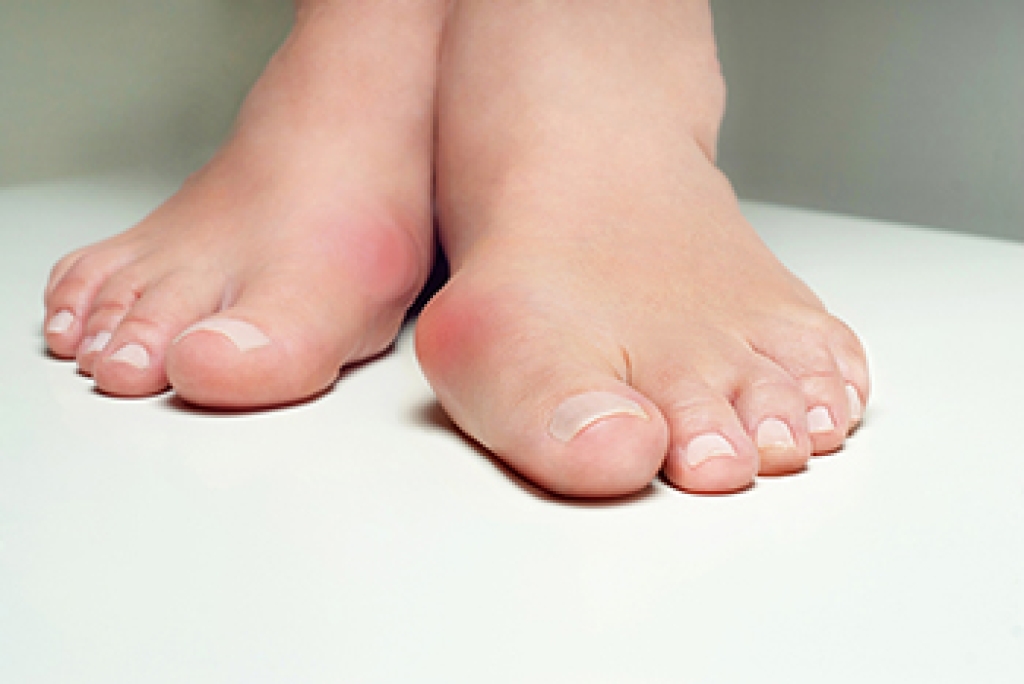
A bunion, or hallux valgus, is a common and often painful foot deformity that affects the joint at the base of the big toe. It manifests as a bony protrusion on the side of the foot, causing the big toe to drift towards the second toe. This misalignment of the joint results in the characteristic bump and can lead to discomfort, inflammation, and difficulty in finding properly fitting footwear. The primary cause of bunions is a combination of genetic and environmental factors. Inherited foot structures that predispose individuals to bunions, like flat feet or low arches, can increase the likelihood of developing this condition. Wearing tight-fitting shoes, particularly those with pointed toes or high heels, can exacerbate the problem or speed up its progression. High levels of stress on the foot or repetitive motion can also contribute to bunion formation. Understanding the causes of bunions is the first step in managing and preventing this condition. When detected early, conservative treatment methods can be helpful. In more severe cases, surgical intervention may be necessary to correct the alignment and provide lasting relief. If you have a bunion, it is suggested that you consult a podiatrist who can guide you toward the most appropriate course of treatment based on your specific condition.
If you are suffering from bunions, contact Howard Abramsohn, DPM of Ambulatory Foot and Ankle Associates, LLC. Our doctor can provide the care you need to keep you pain-free and on your feet.
What Is a Bunion?
A bunion is formed of swollen tissue or an enlargement of boney growth, usually located at the base joint of the toe that connects to the foot. The swelling occurs due to the bones in the big toe shifting inward, which impacts the other toes of the foot. This causes the area around the base of the big toe to become inflamed and painful.
Why Do Bunions Form?
Genetics – Susceptibility to bunions are often hereditary
Stress on the feet – Poorly fitted and uncomfortable footwear that places stress on feet, such as heels, can worsen existing bunions
How Are Bunions Diagnosed?
Doctors often perform two tests – blood tests and x-rays – when trying to diagnose bunions, especially in the early stages of development. Blood tests help determine if the foot pain is being caused by something else, such as arthritis, while x-rays provide a clear picture of your bone structure to your doctor.
How Are Bunions Treated?
If you have any questions, please feel free to contact our office located in Mt Laurel Township, NJ . We offer the newest diagnostic and treatment technologies for all your foot care needs.
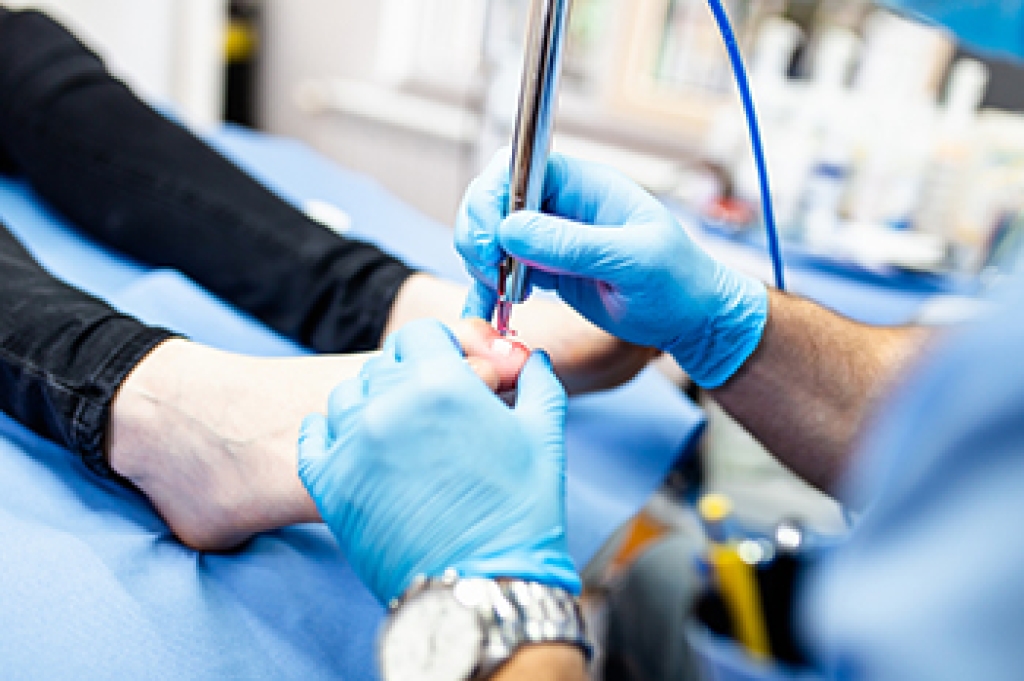
Laser therapy uses focused light to destroy toenail fungus, preventing it from spreading or getting worse. This type of treatment has evolved since the 1980s with various lasers now in use, affecting the success rate for different individuals. Laser treatment can be particularly useful for individuals who cannot take certain medications due to liver or kidney problems, in addition to people with diabetes, and older adults who might not tolerate drugs well. Early treatment of toenail fungus is advised by the CDC to stop the spread of the infection and ensure better results. If not treated, the fungus may spread beyond the toenails. If you have toenail fungus, particularly if it does not resolve with more conservative treatment, it is suggested that you make an appointment with a podiatrist to discuss whether laser treatment may be an option worth considering.
Laser treatment can be an effective way to get rid of toenail fungus. If you have any questions about laser treatment, consult with Howard Abramsohn, DPM from Ambulatory Foot and Ankle Associates, LLC. Our doctor will assess your condition and provide you with quality treatment for fungal nails.
What Are Toenail Fungal Infections?
Onychomycosis, or fungal infection of the nail, is a relatively common and non-serious condition. Around 10 percent of U.S. citizens are afflicted with fungal nails. Common forms of fungus that infect the nail include dermatophytes, yeasts, and molds.
Symptoms of Toenail Fungal Infections Include:
Diagnosis for Fungal Nails
Fungal infections are diagnosed by fungal culture and microscopy. This will rule out any other conditions such as nail trauma, psoriasis, lichen planus, and onychogryphosis.
What Is Laser Treatment?
Laser treatment is a non-invasive, safe, quick, and painless procedure that uses the heat from a laser to kill fungus in the nail. Each infected nail is targeted with a laser for several minutes. The treatment is usually utilized several different times over a select period. During this time, a podiatrist will keep an eye on the infection.
If you have any questions, please feel free to contact our office located in Mt Laurel Township, NJ . We offer the newest diagnostic and treatment technologies for all your foot care needs.

You don't need an excuse to have beautiful nails. Step outside without worrying about the appearance of your feet.
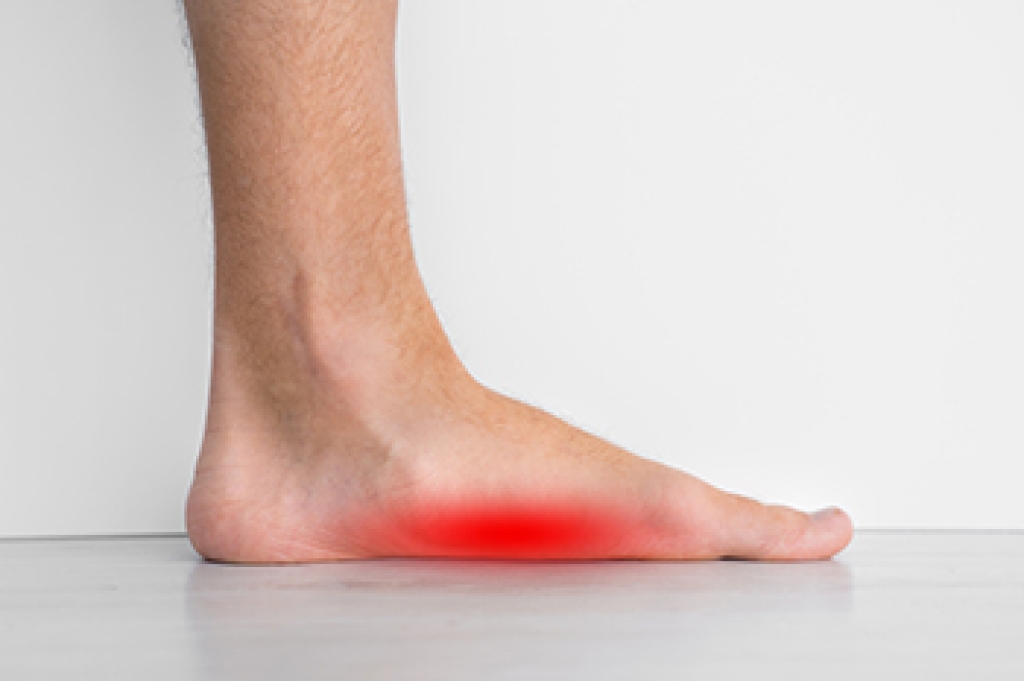
Flat feet, also known as fallen arches, is a common condition where one or both feet lack the typical arch structure. Instead, the bottom of the foot lies flat on the ground. While babies are initially born with flat feet, their arches generally begin to develop by the age of two or three. However, some people may continue to have flat feet into adulthood. In older children, common symptoms of flat feet include foot or ankle pain, heel or arch pain, and discomfort during walking and running. Adults with flat feet may experience symptoms such as tired or achy feet after prolonged standing, sports activities, or exercise. Many also experience lower back, hip, and knee pain. In children, many cases are attributed to what is called flexible flat feet, a result of loose joint connections and baby fat between the foot bones. This can cause the arch to collapse when the child stands. In adults, flat feet can be linked to factors like weakened or torn tendons, rheumatoid arthritis, midfoot fractures, or ligament injuries. Recognizing the signs and understanding the underlying causes of flat feet is essential for proper management and treatment. If you believe that flat feet are causing health and mobility problems for you or your child, it is suggested that you make an appointment with a podiatrist for an exam, a gait assessment, and appropriate treatment options.
Flatfoot is a condition many people suffer from. If you have flat feet, contact Howard Abramsohn, DPM from Ambulatory Foot and Ankle Associates, LLC. Our doctor will treat your foot and ankle needs.
What Are Flat Feet?
Flatfoot is a condition in which the arch of the foot is depressed and the sole of the foot is almost completely in contact with the ground. About 20-30% of the population generally has flat feet because their arches never formed during growth.
Conditions & Problems:
Having flat feet makes it difficult to run or walk because of the stress placed on the ankles.
Alignment – The general alignment of your legs can be disrupted, because the ankles move inward which can cause major discomfort.
Knees – If you have complications with your knees, flat feet can be a contributor to arthritis in that area.
Symptoms
Treatment
If you are experiencing pain and stress on the foot you may weaken the posterior tibial tendon, which runs around the inside of the ankle.
If you have any questions, please feel free to contact our office located in Mt Laurel Township, NJ . We offer the newest diagnostic and treatment technologies for all your foot care needs.
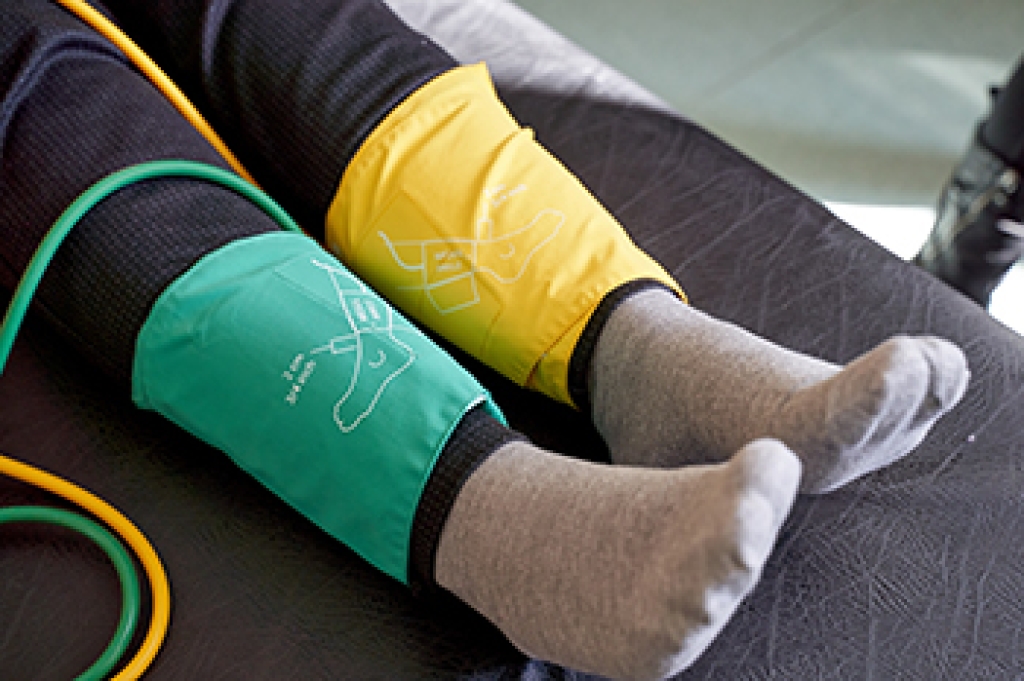
Peripheral vascular disease, also known as PVD, is a prevalent issue, especially among diabetics. It affects over five million people each year and contributes to complications such as lower extremity wounds and amputations. Given its widespread incidence, obtaining an accurate diagnosis is critical for effective management and prevention of severe outcomes. There are non-invasive screening methods that podiatrists can incorporate into their initial patient evaluations, and they are deemed highly effective for identifying peripheral arterial diseases, particularly in at-risk populations. If you have PVD or lower extremity issues, it is strongly suggested that you make an appointment with a podiatrist for a comprehensive vascular assessment and treatment.
Vascular testing plays an important part in diagnosing disease like peripheral artery disease. If you have symptoms of peripheral artery disease, or diabetes, consult with Howard Abramsohn, DPM from Ambulatory Foot and Ankle Associates, LLC. Our doctor will assess your condition and provide you with quality foot and ankle treatment.
What Is Vascular Testing?
Vascular testing checks for how well blood circulation is in the veins and arteries. This is most often done to determine and treat a patient for peripheral artery disease (PAD), stroke, and aneurysms. Podiatrists utilize vascular testing when a patient has symptoms of PAD or if they believe they might. If a patient has diabetes, a podiatrist may determine a vascular test to be prudent to check for poor blood circulation.
How Is it Conducted?
Most forms of vascular testing are non-invasive. Podiatrists will first conduct a visual inspection for any wounds, discoloration, and any abnormal signs prior to a vascular test.
The most common tests include:
These tests are safe, painless, and easy to do. Once finished, the podiatrist can then provide a diagnosis and the best course for treatment.
If you have any questions please contact our office located in Mt Laurel Township, NJ . We offer the newest diagnostic and treatment technologies for all your foot and ankle needs.
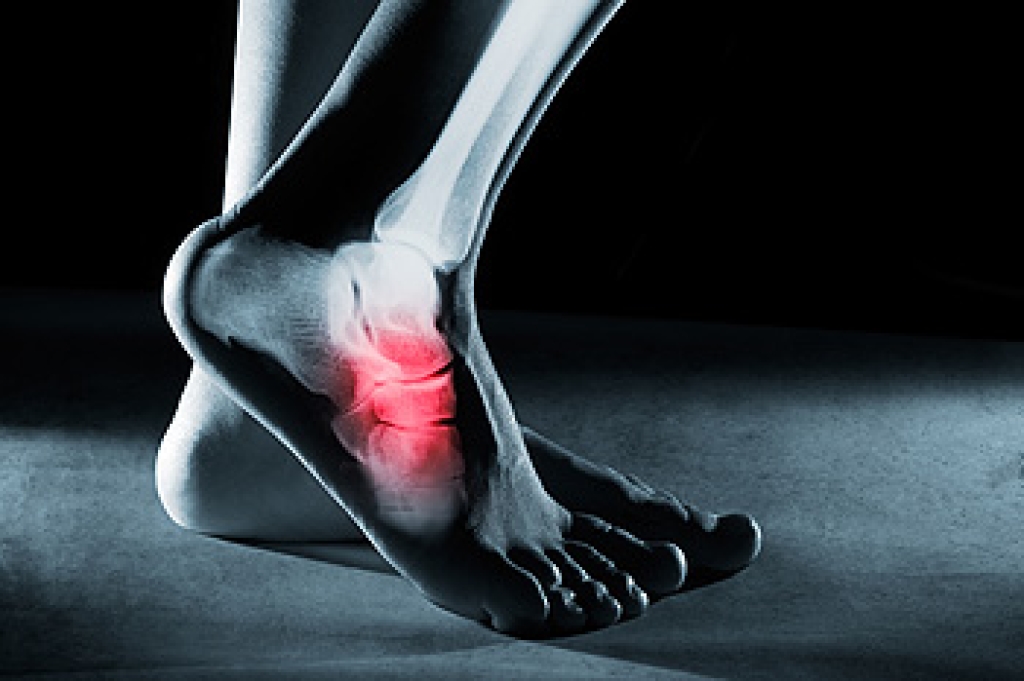
A foot stress fracture can be a painful setback, but with the right approach to recovery, you can ensure a swift and safe return to your active lifestyle. The first step is rest. Allowing your foot to heal is of utmost importance, and this may mean using crutches or a brace to minimize weight-bearing. Getting adequate nutrition, rich in calcium and vitamin D, aids in bone healing. Gentle exercises like swimming or stationary cycling can help maintain cardiovascular fitness without adding stress to your healing foot. Gradually, as pain subsides, introduce weight-bearing activities and strength exercises. Wearing footwear with proper arch support and cushioning is suggested to help reduce pressure at the fracture site. A gradual return to regular activity and sport is vital to prevent re-injury. If you have suffered a foot stress fracture, it is strongly suggested that you visit a podiatrist who can provide the correct treatment options.
Activities where too much pressure is put on the feet can cause stress fractures. To learn more, contact Howard Abramsohn, DPM from Ambulatory Foot and Ankle Associates, LLC. Our doctor can provide the care you need to keep your pain free and on your feet.
Dealing with Stress Fractures of the Foot and Ankle
Stress fractures occur in the foot and ankle when muscles in these areas weaken from too much or too little use. The feet and ankles then lose support when walking or running from the impact of the ground. Since there is no protection, the bones receive the full impact of each step. Stress on the feet can cause cracks to form in the bones, thus creating stress fractures.
What Are Stress Fractures?
Stress fractures occur frequently in individuals whose daily activities cause great impact on the feet and ankles. Stress factors are most common among:
Symptoms
Pain from the fractures occur in the area of the fractures and can be constant or intermittent. It will often cause sharp or dull pain with swelling and tenderness. Engaging in any kind of activity which involves high impact will aggravate pain.
If you have any questions please contact our office located in Mt Laurel Township, NJ . We offer the newest diagnostic and treatment technologies for all your foot and ankle needs.

Charcot-Marie-Tooth disease, or CMT, is a group of genetic disorders that affect the peripheral nerves responsible for transmitting signals between the brain, spinal cord, and the rest of the body. It can also impact the nerves controlling muscle function. Symptoms typically manifest in adolescence or early adulthood, often beginning in the feet and lower legs before spreading to the hands and arms. Common signs include muscle weakness, reduced muscle bulk, diminished reflexes, sensory loss, and foot deformities. CMT is a genetic condition, with various types resulting from mutations in different genes. The two primary categories are CMT1, characterized by issues with the myelin sheath surrounding nerves, and CMT2, involving abnormalities in the nerve axons themselves. CMT3, or Dejerine-Sottas disease, is a severe form that begins in infancy. There is no cure for CMT, but treatment focuses on managing symptoms and maintaining mobility. If you know you have Charcot-Marie Tooth disease or have symptoms characterizing this disease, it is suggested that you make an appointment with a podiatrist for a proper diagnosis and treatment.
Neuropathy
Neuropathy can be a potentially serious condition, especially if it is left undiagnosed. If you have any concerns that you may be experiencing nerve loss in your feet, consult with Howard Abramsohn, DPM from Ambulatory Foot and Ankle Associates, LLC. Our doctor will assess your condition and provide you with quality foot and ankle treatment for neuropathy.
What Is Neuropathy?
Neuropathy is a condition that leads to damage to the nerves in the body. Peripheral neuropathy, or neuropathy that affects your peripheral nervous system, usually occurs in the feet. Neuropathy can be triggered by a number of different causes. Such causes include diabetes, infections, cancers, disorders, and toxic substances.
Symptoms of Neuropathy Include:
Those with diabetes are at serious risk due to being unable to feel an ulcer on their feet. Diabetics usually also suffer from poor blood circulation. This can lead to the wound not healing, infections occurring, and the limb may have to be amputated.
Treatment
To treat neuropathy in the foot, podiatrists will first diagnose the cause of the neuropathy. Figuring out the underlying cause of the neuropathy will allow the podiatrist to prescribe the best treatment, whether it be caused by diabetes, toxic substance exposure, infection, etc. If the nerve has not died, then it’s possible that sensation may be able to return to the foot.
Pain medication may be issued for pain. Electrical nerve stimulation can be used to stimulate nerves. If the neuropathy is caused from pressure on the nerves, then surgery may be necessary.
If you have any questions, please feel free to contact our office located in Mt Laurel Township, NJ . We offer the newest diagnostic and treatment technologies for all your foot care needs.
Connect With Us
