We are now hiring! If interested, please call us at (856) 234-5180.

How to Measure Your Shoe Size for a Proper Fit

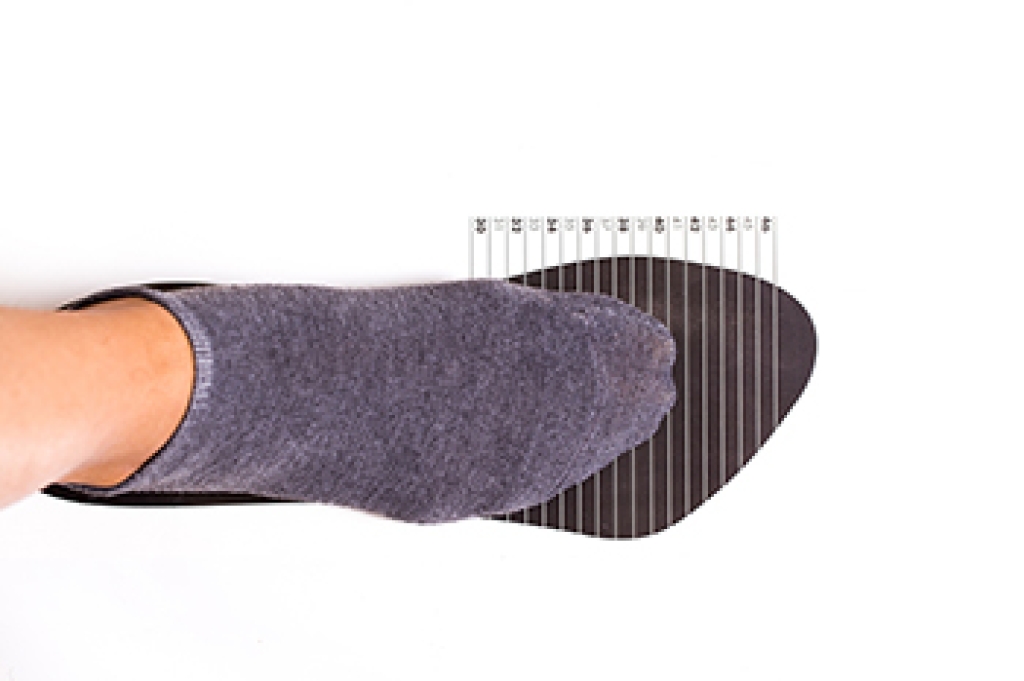
Finding the right shoe size is essential for comfort and foot health. To measure your shoe size accurately, begin by standing on a piece of paper with your heel against a wall. Using a pencil, mark the longest part of your foot, usually the tip of your toe. Then, measure the distance from the wall to the mark you made. This measurement will give you the length of your foot. It is also important to measure the width of your foot by placing the tape or ruler around the widest part, typically near the ball of the foot. Ensure that you measure both feet, as one foot may be slightly larger than the other. Once you have these measurements, consult a shoe size chart to determine your correct size. If you have developed foot pain from wearing shoes that do not fit correctly, it is suggested that you consult a podiatrist who can treat various foot conditions, and educate you on the importance of wearing shoes that fit properly.

Finding a properly-fitting shoe is important in reducing injuries and preventing foot problems. For more information about treatment, contact Howard Abramsohn, DPM from Ambulatory Foot and Ankle Associates, LLC. Our doctor will treat your foot and ankle needs.

Proper Shoe Fitting

A common concern when it comes to foot health, having properly fitted shoes can help prevent injuries to the foot. Out feet affect our posture and gait, which in turn affects the biomechanics and overall bodily structure. With 33 joints, 26 bones, and over 100 ligaments, the potential for serious injury is much greater than one realizes. Although the feet cease growth in adulthood, they still change shape as they mature. Here are some factors to consider when it comes to investing in proper fitting shoes:

  • Be sure the shoes fit correctly right away
  • Ensure the ball of your foot fits comfortably in the widest portion of the shoes
  • Even though they may look fashionable, improper fitting shoes can either create adverse conditions or exacerbate existing ones you may already have
  • Walk along a carpeted surface to ensure the shoes comfortably fit during normal activity

Keeping in mind how shoes fit the biomechanics of your body, properly-fitting shoes are vitally important. Fortunately, it is not difficult to acquire footwear that fits correctly. Be sure to wear shoes that support the overall structure of your body. Do your feet a favor and invest in several pairs of well-fitted shoes today.

If you have any questions, please feel free to contact our office located in Mt Laurel Township, NJ . We offer the newest diagnostic and treatment technologies for all your foot care needs.


Read more about Proper Shoe Fitting

The Benefits of Wearing the Right Shoes at Work

Wearing the right shoes while working is essential for maintaining comfort and preventing injuries. Proper footwear supports the natural alignment of the feet, reducing strain on the legs, back, and joints. This can help prevent foot pain, blisters, and conditions like plantar fasciitis. In addition, the right shoes improve posture, enhancing overall energy levels and productivity throughout the day. For individuals who spend long hours on their feet, the right shoes provide cushioning and support that alleviate pressure, ensuring workers stay comfortable, healthy, and focused. Investing in quality footwear is important in promoting well-being and improving job performance. If you have sustained a foot injury during the workday, it is suggested that you consult a podiatrist who can treat various foot conditions and guide you on appropriate shoes for your workday.

While working on the feet, it is important to take the proper care of them. For more information about working on your feet, contact Howard Abramsohn, DPM from Ambulatory Foot and Ankle Associates, LLC. Our doctor will treat your foot and ankle needs.

Working on Your Feet

Standing on your feet for long periods of time can cause stress and pain in your feet. Your whole body may experience change in terms of posture, back pain, bunions, callouses and or plantar warts. There are ways to avoid these conditions with proper foot care, smart choices and correct posture.

Positive Changes

Negative heeled shoe – Choosing this shoe type places the heel slightly lower than the ball of the foot. These are great for overall foot health. Find shoes that fit you correctly.

Go barefoot – Our feet were not designed to be enclosed for all hours of the day. Try to periodically expose your feet to air.

Eliminate Pain

Foot Exercises – Performing simple exercises, incorporating yoga and doing stretches are beneficial. This will allow increased blood flow to the area and muscles of the foot.

Achilles tendon – Stretching the foot out flat on the floor will relax the calf muscles and tendon. These exercises can be performed almost anywhere. Make sure you add these exercises to your daily regimen. 

With a little bit of this information and knowing more about foot health, you will notice changes. Foot stretches and proper footwear will help with pain and prevent further issues.

If you have any questions please contact our office located in Mt Laurel Township, NJ . We offer the newest diagnostic and treatment technologies for all your foot and ankle needs.

Read more about Working on Your Feet

Causes and Symptoms of Ankle Sprains

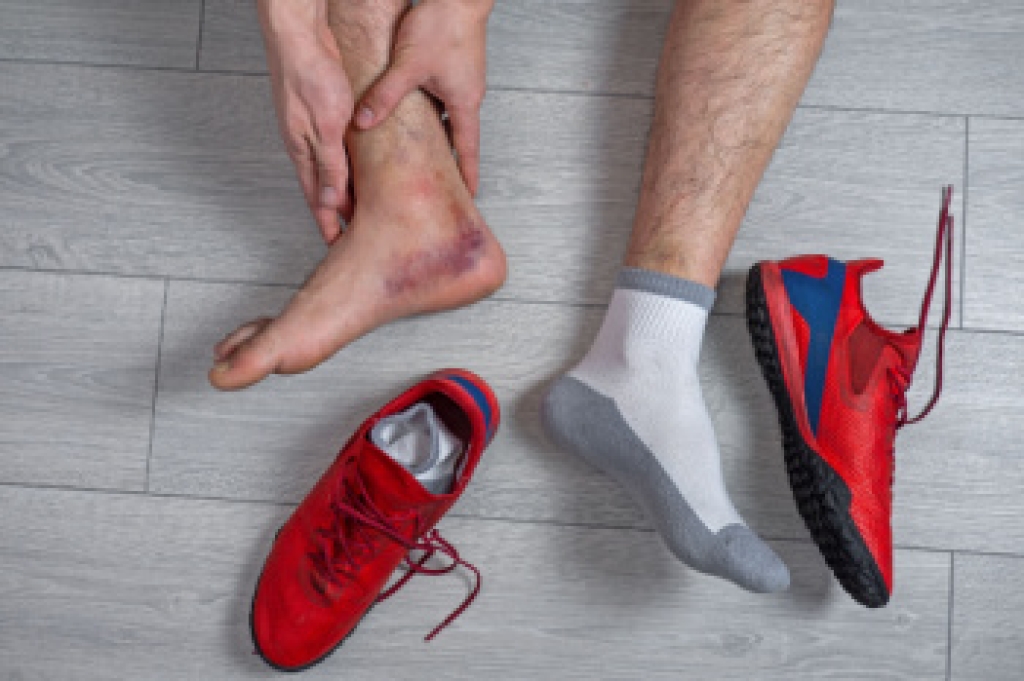
Ankle sprains are among the most common injuries in sports, particularly those that involve stopping, turning, jumping, or landing. Sports such as football, basketball, and running frequently cause ankle sprains, often when the foot twists inward, damaging ligaments on the outside of the ankle. Ligaments connect bones and provide joint stability, so tearing them, whether partially or completely, leads to pain, swelling, and localized tenderness. Symptoms usually include difficulty bearing weight and visible swelling on the ankle’s outer or inner side. Sprains on the outside of the ankle are far more common than on the inside. Diagnosis often involves a physical examination to assess ligament damage, and X-rays may be needed if a fracture is suspected. A podiatrist can evaluate the severity of the sprain, provide appropriate treatment, and recommend support options like braces or taping to stabilize the joint. Proper care is vital to prevent long-term pain or re-injury. If you believe you have sprained an ankle, it is suggested that you schedule an appointment with a podiatrist.

Although ankle sprains are common, they aren’t always minor injuries. If you need your ankle injury looked at, contact Howard Abramsohn, DPM from Ambulatory Foot and Ankle Associates, LLC. Our doctor can provide the care you need to keep you pain-free and on your feet.

How Does an Ankle Sprain Occur?

Ankle sprains are the result of a tear in the ligaments within the ankle. These injuries may happen when you make a rapid shifting movement while your foot is planted. A less common way to sprain your ankle is when your ankle rolls inward while your foot turns outward.

What Are the Symptoms?

  • Pain at the sight of the tear
  • Bruising/Swelling
  • Ankle area is tender to touch
  • In severe cases, may hear/feel something tear
  • Skin discoloration

Preventing a Sprain

  • Wearing appropriate shoes for the occasion
  • Stretching before exercises and sports
  • Knowing your limits

Treatment of a Sprain

In many cases, the RICE method (Rest, Ice, Compression, and Elevate) is used to treat ankle sprains. However, you should see a podiatrist to see which treatment option would work best with your injury. In severe cases, surgery may be required.

It is important to ask your doctor about rehab options after you receive treatment for your injury. Stretching, strength training, and balance exercises may help the ankle heal while also preventing further injury.

If you have any questions, please feel free to contact our office located in Mt Laurel Township, NJ . We offer the newest diagnostic and treatment technologies for all your foot care needs.
Read more about Ankle Sprains

Causes of Cracked Heels

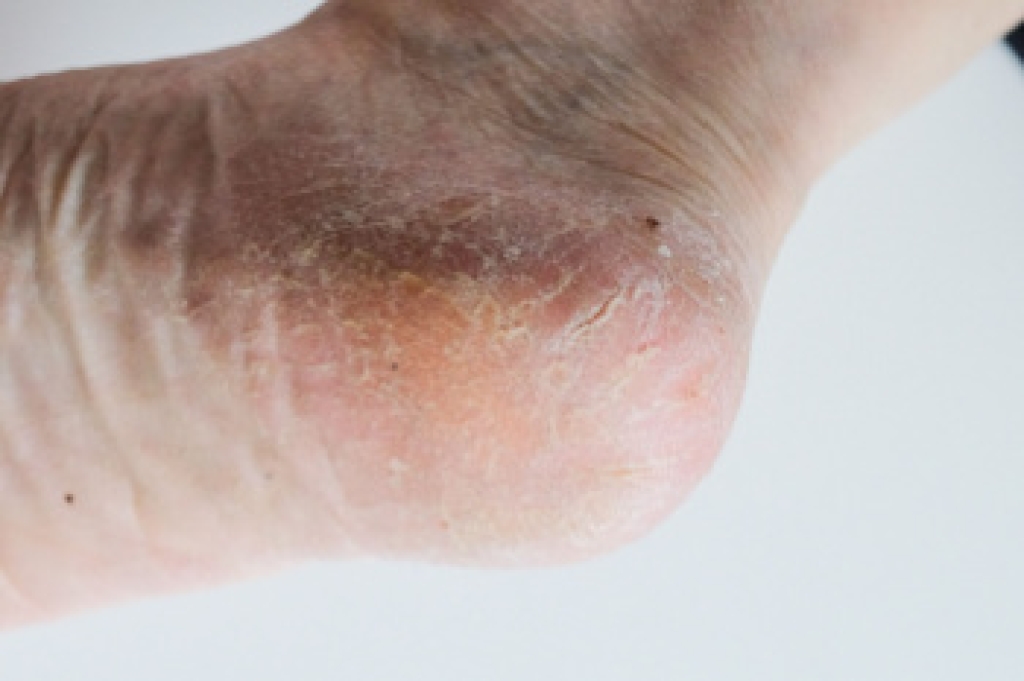
Cracked heels, also known as heel fissures, can be caused by various factors that affect foot health. Diabetes can lead to poor circulation and dry skin, increasing the risk of cracked heels. Hypothyroidism, a condition where the thyroid does not produce enough hormones, can also cause dry skin and thickened skin around the heels. Skin conditions like psoriasis and eczema can contribute to cracked heels due to dryness and irritation. Fungal infections, such as athlete’s foot, can cause the skin on the feet to peel, crack, and become inflamed. Additionally, a vitamin deficiency, especially in zinc or omega-3 fatty acids, can lead to skin issues, including cracked heels. Keeping feet moisturized, treating underlying health conditions, and practicing proper foot care are essential to prevent and manage cracked heels. Cracked heels can be painful and unsightly. If you have developed this condition, it is suggested that you schedule an appointment with a podiatrist who can successfully treat cracked heels, which often includes prescribed medication.

If the skin on your feet starts to crack, you may want to see a podiatrist to find treatment. If you have any concerns, contact Howard Abramsohn, DPM from Ambulatory Foot and Ankle Associates, LLC. Our doctor can provide the care you need to keep you pain-free and on your feet.

Cracked Heels

It is important to moisturize your cracked heels in order to prevent pain, bleeding, and infection. The reason cracked heels form is because the skin on the foot is too dry to support the immense pressure placed on them. When the foot expands, the dry skin on the foot begins to split.

Ways to Help Heal Them

  • Invest in a good foot cream
  • Try Using Petroleum Jelly
  • Ease up on Soaps
  • Drink Plenty of Water

Ways to Prevent Cracked Heels

  • Moisturize After Showering
  • Skip a Shower
  • Keep Shower Water Lukewarm
  • Don’t Scrub Your Feet

If you are unsure how to proceed in treating cracked heels, seek guidance from a podiatrist. Your doctor will help you with any questions or information you may need. 

If you have any questions, please feel free to contact our office located in Mt Laurel Township, NJ . We offer the newest diagnostic and treatment technologies for all your foot care needs.
Read more about Solutions for Cracked Heels

Connect With Us